


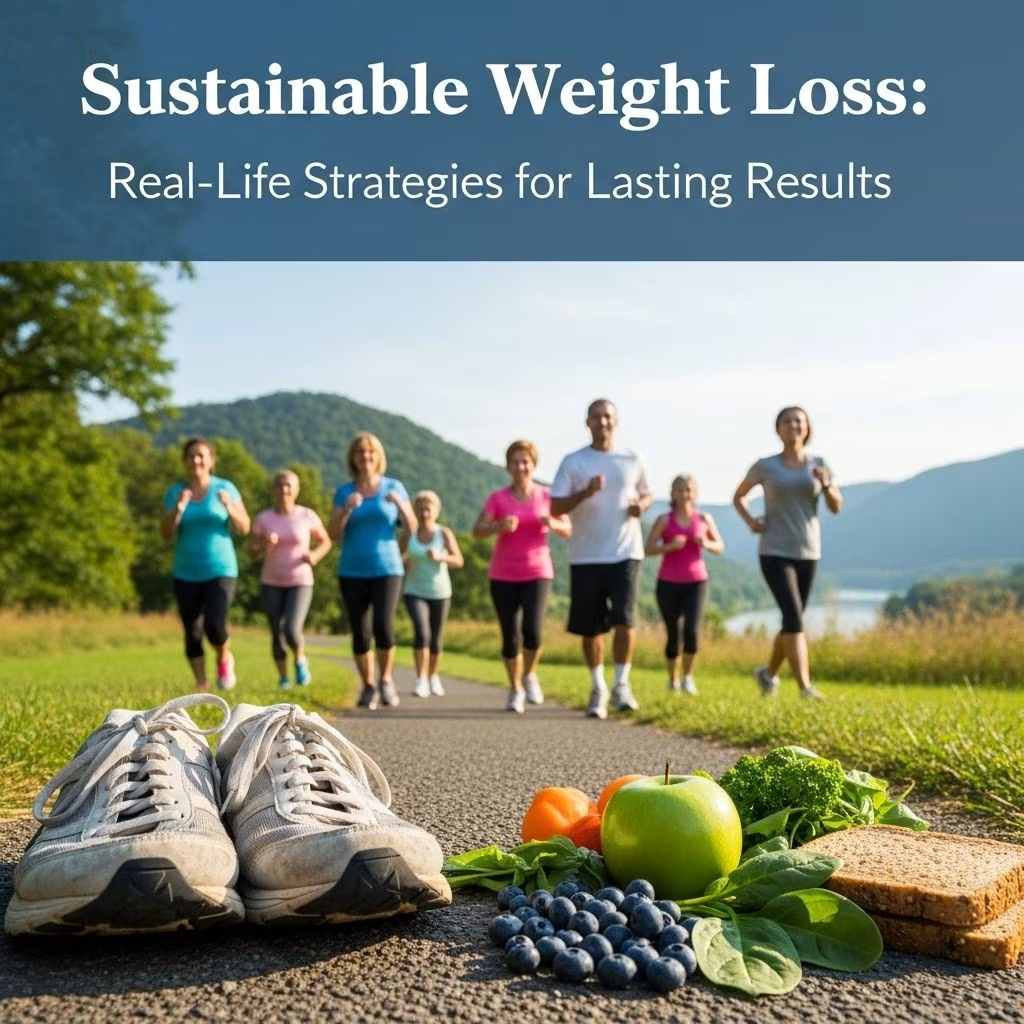
Sustainable Weight Loss: Real-Life Strategies for Lasting Results
Weight loss is a common goal, but achieving and maintaining it can feel overwhelming amid competing advice and fad diets. Rather than focusing on quick fixes or restrictive routines, research consistently shows that everyday lifestyle changes and a holistic approach lead to lasting results. This article explores proven, realistic strategies for weight loss—covering practical habits, expert tips, and the psychology behind long-term health.
Why Most Diets Fail—and What Actually Works
If you’ve tried and abandoned countless diets, you’re not alone. Temporary calorie restrictions, intense workout programs, and strict regimens often backfire: your metabolism slows, hunger spikes, and sustaining results becomes nearly impossible. The body is biologically wired to protect itself from perceived famine, so drastic diets are rarely effective long-term.
What works? Small, sustainable changes—focusing on lifelong healthy habits rather than short-term goals. Experts recommend shifting your mindset: prioritize overall health, not just chasing numbers on a scale.
- Eat for nourishment, not deprivation. Incorporate whole grains, plant-based foods, lean proteins, fruits, and vegetables.
- Make gradual adjustments to your eating patterns rather than radical overhauls.
- Celebrate non-scale victories: energy, mood, strength, and other signs of health.
Healthy Habits for Effective Weight Loss
Based on research and expert consensus, the following daily habits help support healthy weight loss and maintenance:
- Begin with a nourishing breakfast. Studies indicate that people who maintain a healthy weight rarely skip breakfast. Most favor eggs, fruits, and vegetables for morning energy and satisfaction.
- Practice mindful eating. Savor your meals. Pay attention to flavors, textures, and hunger cues. Eating without distractions (like phones or TV) prevents overeating and helps you tune in to satisfaction.
- Monitor your progress. Keep a food log, whether on paper or an app. Monitoring intake improves accountability and awareness.
- Don’t skip meals. Skipping meals often backfires, triggering excess hunger and later overeating. Regular meals stabilize blood sugar and help manage cravings.
- Focus on healthy fats. Include sources such as nuts, avocado, olive oil, and fatty fish to keep you fuller longer and support metabolic health.
- Limit sugary drinks like sodas, juices, and sweetened coffees—they add empty calories and increase cravings. Opt for water, unsweetened teas, and black coffee.
- Get active. Aim for at least 150 minutes of moderate-intensity exercise per week (or 75 minutes vigorous). Activities can be broken into manageable chunks—walking, cycling, swimming, or simply moving more throughout your day.
- Get plenty of sleep. Inadequate sleep disrupts hormonal regulation, slows metabolism, and increases cravings. Strive for seven or more hours per night.
- Cook at home. Preparing your own meals gives you control over ingredients, portions, and quality. Home-cooked meals are consistently linked with better weight maintenance.
The Power of Monitoring and Mindful Behaviors
Self-monitoring is a cornerstone of successful weight maintenance. People who consistently achieve their goals often track both physical and emotional signals to stay ahead of setbacks:
- Scale-free warning signs can include late-night eating, fatigue, or emotional triggers for overeating. Having a plan for recalibrating helps prevent downward spirals.
- Fitness tracking—step counters, exercise logs, or progress photos—offers motivating feedback beyond what’s on the scale.
Food Choices That Make a Difference
Successful weight losers and maintainers build their diets around foods that support satiety and nutrition:
- Lean proteins from eggs, poultry, fish, and plant sources power metabolism and curb hunger.
- Whole grains and fiber-rich foods slow digestion, stabilize energy, and prevent blood sugar spikes.
- Fruits and vegetables are naturally low in calories and high in fiber, making them ideal for both meals and snacks. Two-thirds of healthy-weight individuals include veggies with dinner nightly, and fruits as snacks.
- Healthy fats—such as olive oil, avocado, and nuts—add flavor and promote feelings of fullness.
- Avoid highly processed foods, excess sugar, and refined carbs, which contribute to weight gain and cravings.
Table: Healthy vs. Unhealthy Food Choices for Weight Maintenance
| Healthy Choices | Unhealthy Choices |
|---|---|
| Whole grains (quinoa, brown rice) | White breads, pastries |
| Fresh vegetables and fruits | Candy, sweetened snacks |
| Lean proteins (chicken, fish, legumes) | Fried meats, processed sausages |
| Nuts, seeds, olive oil | Trans fats, processed oils |
| Water, unsweetened tea | Soda, sweetened beverages |
Physical Activity: Move Your Way to Success
For weight loss and overall health, physical activity doesn’t have to mean intense gym sessions. The key is regular movement, tailored to your schedule:
- Walking, cycling, swimming, or dancing all count toward your weekly goal.
- Break up activity into smaller sessions for sustainability.
- Find activities you enjoy for motivation—social sports, hikes, exercise classes, or home routines.
Regular movement helps burn calories, boosts energy, and keeps your body and mind in balance.
Don’t Neglect Your Mental Health
Weight loss isn’t just about the body—your emotional and mental well-being matter, too. Studies show that depression and chronic stress undermine attempts to maintain weight, while prioritizing mental health improves your likelihood of lasting success.
- Address emotional eating triggers and stress through counseling, mindfulness, or relaxation techniques.
- Set realistic expectations, focusing on progress rather than perfection.
- Practice self-compassion; everyone experiences setbacks.
Make Healthy Eating a Lifestyle
Healthy eating habits are not about restriction, but about building a lifestyle that you enjoy and can maintain. This means creating routines that fit your preferences, culture, and social life:
- Cook at home more often to control portions and ingredients.
- Include a variety of foods—no need to eliminate your favorites completely.
- Eat fruits and vegetables with every meal.
- Enjoy meals with others whenever possible for support and pleasure.
Daily Routines of Successful Weight Maintainers
Long-term healthy weight maintenance is largely a matter of consistent daily routines. According to research from the Global Healthy Weight Registry:
- Healthy-weight individuals eat breakfast every morning—often eggs, fruits, or vegetables.
- They eat mindfully, without distractions.
- Home cooking is routine, ensuring meals are nutrient-rich.
- Physical activity is a consistent part of the week, not just a temporary response to weight gain.
- They keep sugar and sweetened drinks to a minimum.
- Fresh produce is a staple in both snacks and meals.
Small Shifts That Make a Big Impact
Instead of dramatic changes, experts recommend small, achievable adjustments over time. For example:
- Swapping one sugary drink a day for water can lead to significant yearly calorie reduction.
- Adding a daily walk is an easy, sustainable way to increase activity.
- Cooking dinner rather than ordering takeout generally reduces calorie intake and boosts nutrition.
The compound effect of these actions, repeated daily, is what makes long-term weight loss possible.
Focus on What Matters: Health, Strength, and Self-Acceptance
Ultimately, the goal of weight loss should be improved health, energy, and well-being—not achieving a specific clothing size. Diet culture can be damaging, especially when it promotes unrealistic ideals. Instead, appreciate what your body can do, and celebrate every step you take toward a healthier life.
- Shift your focus from losing weight to building lasting habits.
- Recognize the value of energy, mood, strength, and confidence as signs of success.
- Let go of perfectionism; long-term health is a journey.
Frequently Asked Questions (FAQs)
Q: Is it safe to lose weight quickly?
A: Rapid weight loss is typically unsustainable and may harm your metabolism, muscle mass, and energy. Most experts advise losing weight slowly—about 1-2 pounds per week—through balanced habits, not crash diets.
Q: Do I need to count calories to lose weight?
A: Calorie tracking helps raise awareness, but mindful eating and food quality are equally important. Eating whole foods and listening to hunger cues can be just as effective for many people.
Q: Can skipping breakfast help me lose weight?
A: Research suggests that regular breakfast supports healthy weight maintenance—but it’s not a rule for everyone. Some people find intermittent fasting works, but the key is finding a routine you can sustain.
Q: How much physical activity do I need?
A: The Physical Activity Guidelines for Americans recommends at least 150 minutes of moderate activity per week, or 75 minutes of vigorous exercise. Even small, frequent bursts of movement offer benefits.
Q: What if I have a setback or gain weight back?
A: Setbacks are normal. Track your habits, revisit warning signs, and adjust routines as needed. Focus on consistency rather than strict rules.
Final Thoughts
Long-term, sustainable weight loss is possible for anyone willing to make gradual, lasting changes. Success isn’t about deprivation; it’s about cultivating habits that nourish your body and mind holistically. By prioritizing healthy routines, monitoring your progress, and adopting a positive mindset, you can achieve—and enjoy—lasting results.
References
- https://www.prevention.com/weight-loss/a36065492/rethinking-body-weight/
- https://www.prevention.com/weight-loss/diets/a60578947/how-to-lose-weight-fast-safely/
- https://www.prevention.com/weight-loss/a20501539/how-to-maintain-weight-loss/
- https://www.prevention.com/weight-loss/g20506618/weight-loss-maintenance/
- https://www.prevention.com/weight-loss/
- https://www.prevention.com/weight-loss/g24805401/fat-burning-foods/
- https://www.prevention.com
- https://www.prevention.com/weight-loss/diets/a63174975/best-diets-for-weight-loss-2025/
- https://www.prevention.com/walk-off-weight/
- https://www.prevention.com/health/a65401665/expert-walking-tips-weight-loss/


