


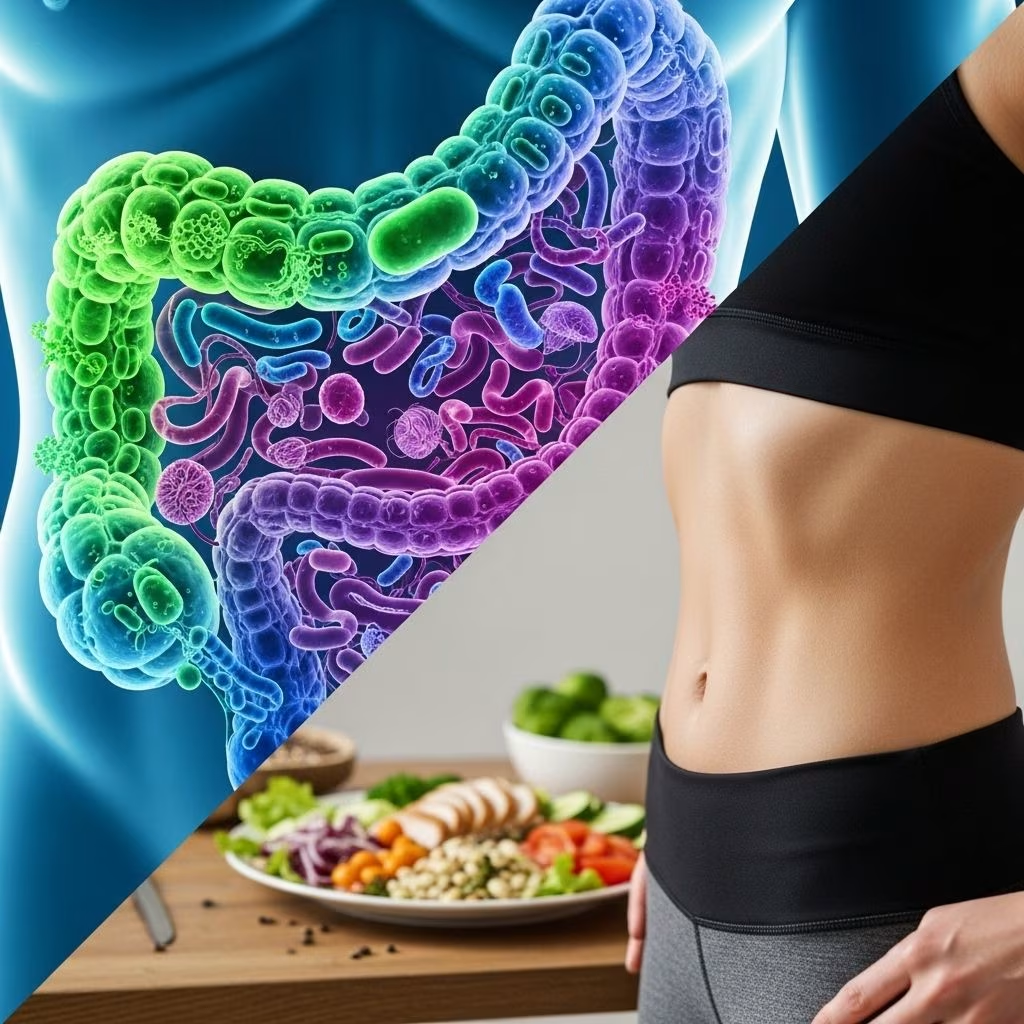
The Gut-Weight Loss Connection
For decades, successful weight loss was seen as a simple equation: eat less, move more. But advances in science have revealed a vital—and often overlooked—factor: your gut. The trillions of microbes living in your digestive tract, collectively known as the gut microbiome, have emerged as key players in your body’s ability to shed pounds. This article explores how your gut influences weight, the underlying mechanisms, and practical ways to boost your gut health for better success on your weight loss journey.
What Is the Gut Microbiome?
The gut microbiome is the diverse community of bacteria, viruses, fungi, and other microscopic life that live in your intestines. These microbes weigh about as much as your brain, are unique to each individual, and play roles in digestion, metabolism, immunity, and even mental well-being.
- Over 100 trillion microorganisms populate the gastrointestinal tract.
- Most are beneficial or harmless, but when out of balance, they can contribute to health problems.
- The composition of the microbiome can shift based on diet, aging, medication use, and lifestyle.
New research suggests the balance and diversity of these gut residents can help determine who loses weight easily—and who struggles, even with strict dieting.
How the Gut Microbiome Impacts Weight
Scientists have identified several ways that the microbes in your gut can influence your ability to lose weight:
- Calorie Harvesting: Some bacteria extract more calories from the food you eat, making it harder to create a calorie deficit.
- Metabolic Influences: Gut microbes produce short-chain fatty acids (SCFAs) that regulate energy use, insulin sensitivity, fat storage, and inflammation.
- Appetite Regulation: The gut produces hormones involved in hunger, satiety, and cravings. Microbial imbalances might ramp up hunger signals or blunt fullness cues.
- Inflammation: Unhealthy gut bacteria release toxins that promote chronic inflammation, which is linked to obesity and metabolic slowdown.
Microbial Genes and Your Metabolism
A recent study found that people who struggled to lose weight had gut bacteria with genes especially good at breaking down carbohydrates. These individuals’ microbiomes were simply more “efficient” at extracting calories—a potential hidden obstacle for those who don’t see results from typical diet and exercise programs.
Scientific Evidence Linking the Gut and Weight Loss
Multiple areas of research reinforce the powerful connection between gut health and body weight:
| Finding | Key Takeaway |
|---|---|
| Increasing weight loss raises gut microbiome diversity (α-diversity) | Higher diversity is linked to leanness and better metabolic health. |
| Weight loss reduces intestinal permeability | Lower “leaky gut” improves inflammation and metabolic regulation. |
| Some microbes are beneficial for weight loss | The genus Akkermansia, when more abundant, is linked to greater weight loss and better metabolic profiles. |
| Fecal microbiome transplants (in animals) | Transplanting beneficial gut bacteria from lean individuals into animals can drive weight loss—sometimes independent of diet. |
| Caloric restriction modifies the microbiome | Severe diet changes can shift the gut towards communities that favor reduced fat storage. |
Which Microbes Matter Most?
While many bacterial families may play a role, some key players have emerged:
- Akkermansia muciniphila: Higher levels correlate with reduced obesity and may help improve insulin sensitivity.
- Firmicutes and Bacteroidetes: The ratio of these two common phyla is linked to obesity—more Firmicutes is often seen in overweight individuals.
- Bifidobacterium: Abundant in healthy-weight people, these microbes help maintain gut lining and lower inflammation.
- Prevotella: May support better blood sugar control and fat loss on high-fiber diets.
Why Some People Lose Weight More Easily Than Others
Your gut microbiome is as unique as your fingerprint. While genetics, hormones, environment, and lifestyle are all important, we now know:
- Individuals with more diverse and “lean-associated” microbes tend to lose weight faster and keep it off.
- Specific types of bacteria may persistently drive the body to extract more energy, making weight loss harder, even when calorie intake is reduced.
- How you respond to given diets (like high-fiber or high-protein plans) may depend on the bacteria you already have.
Can You Change Your Gut Bacteria to Lose Weight?
The good news: The gut is malleable. With a few weeks of diet change, new exercise routines, or targeted supplementation, your microbial population can shift towards a healthier profile.
However, the science of customizing gut bacteria for weight loss is still emerging. Here’s what experts currently recommend:
- Eat more fiber: Foods like beans, lentils, whole grains, fruits, and vegetables feed beneficial bacteria and boost diversity.
- Include fermented foods: Yogurt, kefir, kimchi, sauerkraut, and other live-culture foods replenish healthy probiotic strains.
- Minimize processed foods: Highly processed, sugary or high-fat foods encourage unhealthy bacteria to thrive.
- Sleep well, reduce stress, exercise: Lifestyle choices can have a measurable impact on gut populations.
- Embrace food variety: Broader food choices result in a broader range of microbes—a hallmark of gut health.
Sample: Gut-Friendly Foods That Support Weight Loss
- Leafy greens (spinach, kale)
- Berries (blueberries, raspberries, strawberries)
- Root vegetables (carrots, beets, sweet potatoes)
- Legumes (lentils, chickpeas, black beans)
- Oats and barley
- Fermented dairy (kefir, unsweetened yogurt)
- Sauerkraut, kimchi, pickled vegetables
What About Probiotic Supplements for Weight Loss?
There’s growing interest in probiotic supplements—capsules or powders containing live beneficial bacteria. Some preliminary studies suggest they may help with modest weight loss or improved blood sugar control, particularly strains like Lactobacillus gasseri or Bifidobacterium breve. Still, results are mixed and supplements can’t replace fortifying your gut with a whole-food, fiber-rich diet.
Does Everyone Need a “Gut Reset”?
Trendy programs promising to “reset” your gut abound, but there is no miracle cleanse or single food that transforms your microbiome overnight. Instead, the key is consistent, healthful diet and lifestyle habits over time.
- For most people, small gradual steps—like adding an extra fruit or vegetable each day—are sustainable and effective.
- If you have digestive issues, consult a qualified dietitian or gastroenterologist before trying extreme changes.
Practical Tips to Support Gut Health for Weight Loss
- Prioritize whole foods, not “diet” foods.
- Eat a minimum of 25–30 grams of fiber per day.
- Try to consume probiotic foods daily.
- Limit added sugars and refined grains.
- Take antibiotic medicines only when necessary, as they can disrupt the microbiome.
- Pay attention to how your digestion and body respond to foods—everyone’s “gut-friendly diet” is slightly different.
Frequently Asked Questions (FAQs)
Q: Can changing my gut bacteria make me lose weight automatically?
A: Improving your gut health can support weight loss, but it’s not a magic solution. Diet, exercise, and overall lifestyle remain the primary drivers, but a diverse, balanced gut microbiome helps regulate hunger, metabolism, and inflammation—all of which can aid your efforts.
Q: Which probiotic strains help most with weight loss?
A: Evidence points to certain strains, particularly Akkermansia muciniphila, Bifidobacterium, and some Lactobacillus species, supporting healthy weight. But not every supplement contains the right strains, and results depend strongly on the individual and their diet.
Q: Can antibiotics make it harder to lose weight?
A: Repeated use of antibiotics can disrupt gut flora, lowering diversity and allowing less favorable bacteria to take over. This may influence metabolism and weight gain, although the relationship is complex and multifactorial.
Q: How long does it take to change your microbiome?
A: The gut responds quickly—positive dietary changes can shift microbial populations within days to weeks. However, maintaining those changes is key for lasting benefits.
Q: Is “leaky gut” really involved in weight gain?
A: Research shows that higher intestinal permeability (“leaky gut”) is associated with obesity, chronic inflammation, and metabolic disorders. Improving gut barrier function—through diet, fiber, and probiotics—may support both gut health and weight loss.
Key Takeaways: Steps To Harness Your Gut For Weight Loss
- Your gut microbiome has a measurable impact on how your body stores fat, regulates hunger, and loses weight.
- Diversifying your diet—especially with fiber and probiotic-rich foods—can nudge your gut microbes in a healthier direction.
- While changing your microbiome isn’t a weight loss cure-all, it can help break through stubborn plateaus and enhance your success.
- Small, sustainable changes to what you eat, how you sleep, and how you manage stress will benefit your microbiome and your waistline alike.
References
- https://asm.org/press-releases/2021/september/gut-microbiota-influences-the-ability-to-lose-weig
- https://pmc.ncbi.nlm.nih.gov/articles/PMC8796717/
- https://www.uclahealth.org/news/article/gut-microbiome-makeup-can-determine-ability-to-lose-weight
- https://www.ucsf.edu/news/2021/06/420891/caloric-restriction-alters-microbiome-enhancing-weight-loss-increasing
- https://pmc.ncbi.nlm.nih.gov/articles/PMC7333005/
- https://www.frontiersin.org/news/2023/12/20/frontiers-cellular-infection-microbiology-weight-loss-changes-microbiome-brain-coupled
- https://activated.health/the-role-of-gut-health-in-weight-management/
- https://www.nature.com/articles/s42255-024-00988-y
- https://www.health.harvard.edu/staying-healthy/do-gut-bacteria-inhibit-weight-loss


