


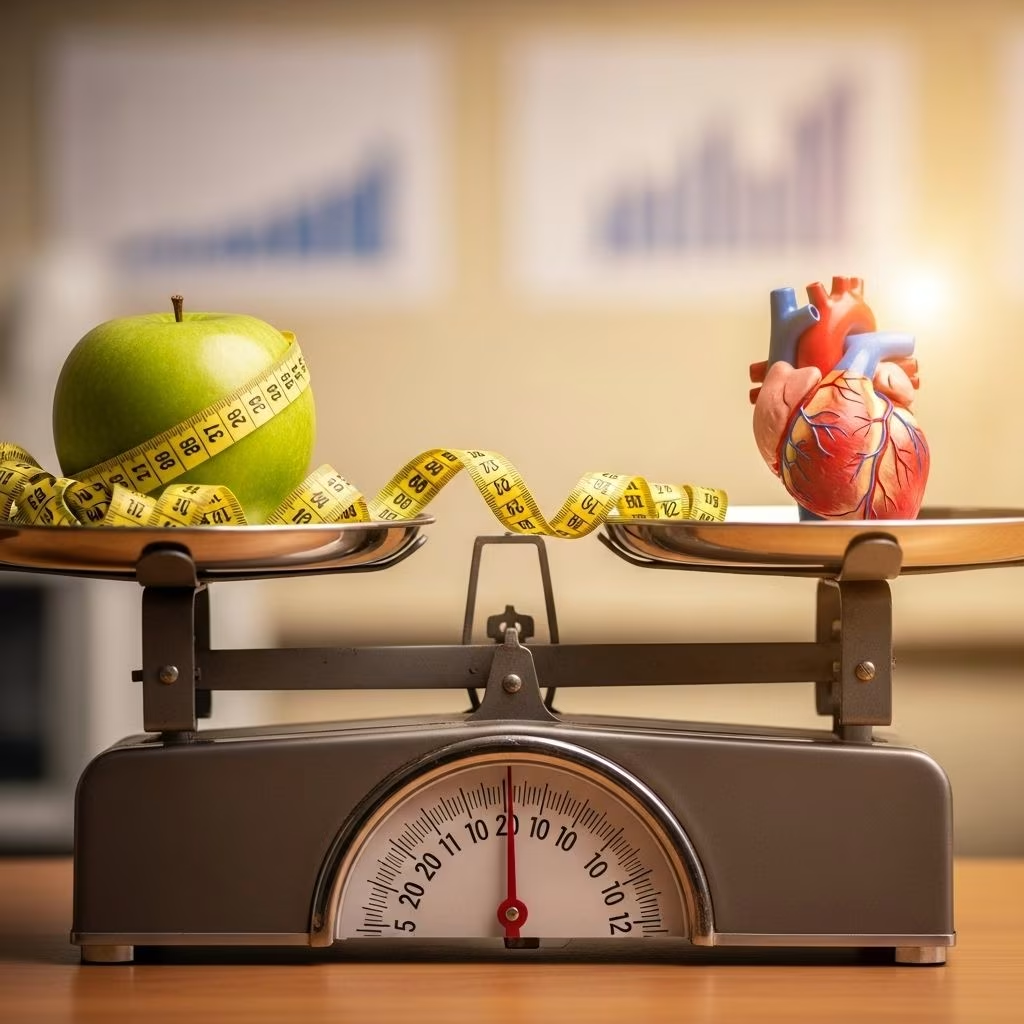
The Obesity Paradox: When Weighing More Can Mean Better Health
For decades, medical experts and public health campaigns have consistently warned about the risks associated with carrying extra pounds. Obesity is widely considered a leading cause of heart disease, diabetes, and numerous other health problems. Yet, in a surprising twist, a steady trickle of research over the past two decades has illuminated a curious phenomenon called the obesity paradox: in some instances, being overweight or mildly obese appears to offer protection against early death and even improves health outcomes—especially in people suffering from chronic diseases.
What Is the Obesity Paradox?
The obesity paradox refers to evidence that people with overweight or mild obesity (as typically measured by Body Mass Index, or BMI) sometimes have better outcomes, longer survival, or lower mortality in certain disease states than those of normal weight. This defies expectations and contradicts the well-established risks connected to excess body fat in the general population.
For example, multiple large studies have shown that patients with heart failure, diabetes, or even chronic kidney disease who are classified as overweight (BMI 25-29.9) or mildly obese (BMI 30-34.9) tend to have lower rates of death and complications than their normal-weight peers. This phenomenon has not only puzzled patients and physicians, but has also triggered a debate in the research community about how body weight and health are truly related .
Key Findings From Scientific Studies
- In cohorts of patients with coronary artery disease, those who were overweight or mildly obese often had lower all-cause and cardiovascular mortality rates than those with normal BMI.
- Among hypertensive patients, being overweight or class I/II obese was linked to a lower risk of death, nonfatal heart attack, or nonfatal stroke compared to normal-weight individuals.
- After events such as myocardial infarction (heart attack), data suggests that overweight or obese people have higher survival rates, while higher mortality is noted in those with lower BMI.
- Most studies observe a J-shaped curve: risks decrease for overweight and mildly obese, but sharply increase in those with severe obesity (BMI ≥35 or ≥40).
- This paradoxical pattern has also been reported in chronic kidney disease, type 2 diabetes, and even certain cancers, though results vary by condition and study.
Why Would Extra Weight Offer Protection?
Experts propose several theories to explain the obesity paradox, though none are fully definitive. The most discussed mechanisms include:
- Energy Reserves: Extra body fat and lean mass may provide vital reserves during catabolic illness or hospitalization, helping prevent muscle wasting and malnutrition .
- Anti-inflammatory Effects: Adipose tissue (body fat) releases certain hormones and proteins that may inhibit harmful inflammation in disease states.
- Lipid Buffering: Higher cholesterol and lipoprotein levels in obese individuals can bind and neutralize toxins produced during severe illness .
- Hormonal Changes: Overweight and obese people sometimes display favorable hormonal changes, such as lower levels of stress hormones, which may be protective.
- Medical Treatment Bias: Obese patients often receive earlier, more aggressive medical care due to perceived high risk, potentially leading to better outcomes.
Limitations and Confounding Factors
Despite intriguing findings, the obesity paradox remains controversial and is not universally accepted. Many experts warn that the apparent benefits could result from flaws in study design or data analysis. Key confounding factors include:
- BMI’s Limitations: BMI does not distinguish between fat and muscle, or assess fat distribution. Some people with a “normal” BMI might be physically weak or have low muscle mass, skewing outcomes .
- Reverse Causation: Poor health and underlying illnesses can cause weight loss prior to diagnosis, making normal or low BMI a marker of advanced disease rather than a cause of poor outcomes.
- Selection Bias: Some studies may have selected healthier obese individuals (so-called “resilient survivors”) while excluding frail normal-BMI patients.
- Confounding Lifestyle Factors: Unmeasured factors such as smoking, fitness, diet, and levels of inflammation can independently affect both weight and health risk.
- Short-Term vs. Long-Term Outcomes: The paradox often appears when evaluating short-term outcomes (like one-year survival) in patients already diagnosed with chronic disease, not necessarily in long-term health trajectories.
Does This Mean Gaining Weight Is Good for You?
The simple answer is: No. Public health experts continue to argue that obesity increases the risk of developing chronic diseases such as type 2 diabetes, heart attack, stroke, and some cancers. There is strong, consistent evidence linking excess weight to increased risk for these and more conditions over the lifespan. The obesity paradox should not be interpreted as advice for the general population to gain weight or ignore the dangers of obesity.
Rather, the paradox might suggest that:
- Being slightly overweight or mildly obese should not automatically trigger aggressive weight-loss measures for every individual with chronic illness—especially older adults or those with existing disease who are otherwise functional and not experiencing health complications from their weight.
- The healthiest approach to weight may depend on a combination of body composition, fat distribution, fitness, overall health, and age, rather than BMI alone.
- Intentional weight loss through healthy behaviors (like improved diet and increased activity) still offers many benefits, but needs careful consideration for those with advanced age or complex medical conditions.
Body Composition: The BMI Blind Spot
Body Mass Index is a simple calculation using weight and height, but it does not differentiate between lean mass (muscle) and fat mass. Research suggests that body composition and fat distribution are more closely related to health outcomes than BMI alone.
- A normal-weight person with low muscle and high body fat (% body fat) may be at higher risk (sometimes called “normal weight obesity”).
- People with more muscle mass at any weight—especially older adults—tend to have better survival and functional outcomes.
- Central obesity (abdominal fat) is most strongly linked to health risks, while peripheral fat (hips, thighs) appears less harmful or even protective in some cases.
Who Experiences the Obesity Paradox?
While the idea of heavier being healthier seems counterintuitive, the effect mainly shows up in specific populations with chronic illnesses:
- Patients with heart failure and other forms of cardiovascular disease
- Individuals with type 2 diabetes
- Older adults with chronic kidney disease or on dialysis
- Certain types of cancers (although evidence is weaker and more conflicted)
The paradox is not observed in the general healthy population, nor does it extend to people with severe, morbid obesity (BMI ≥ 35–40), who consistently show the highest mortality risk.
Possible Biological Mechanisms
| Proposed Mechanism | How It Might Offer Protection |
|---|---|
| Adipose Energy Reserves | Provides energy and protein during acute illness or stress, preventing wasting. |
| Lipid Metabolism | Higher cholesterol and lipoprotein levels bind/neutralize bacterial toxins in sepsis or severe disease. |
| Anti-inflammatory Cytokines | Certain adipokines from fat tissue may dampen harmful inflammatory responses. |
| Cardiovascular Adaptation | Obese patients may develop physiological compensations (e.g., higher blood volume), buffering disease effects. |
| Earlier Care & Surveillance | Doctors may monitor and treat obese patients more intensively due to perceived elevated risk. |
Criticisms and Debates
Some researchers argue that the paradox results mainly from bias or methodological flaws:
- Reverse causality: Unintentional weight loss due to illness can make sicker patients appear healthier if only BMI is measured at one time point.
- Residual confounding: Many studies fail to fully account for smoking, physical activity, socioeconomic status, or chronic disease severity.
- Attrition and survival bias: Only the healthiest individuals with obesity may live long enough to be included in chronic disease cohorts.
- Focus on short follow-ups: The paradox may disappear in studies with longer follow-up periods.
Despite these limitations, repeated findings across diverse populations make it difficult to dismiss the paradox entirely.
Implications for Doctors and Patients
- Clinicians are urged to take a holistic, individualized approach to weight management, especially in older adults and patients with complex chronic diseases.
- For some, maintaining a slightly higher weight may offer a survival benefit if weight loss would lead to muscle loss or worsen frailty.
- Intentional, moderate weight loss is generally still beneficial for most people with overweight or obesity—particularly younger, otherwise healthy adults.
- Doctors should prioritize muscle maintenance, fitness, and nutritional status over simply aiming for lower BMI.
Frequently Asked Questions (FAQs)
Q: Should people with chronic illness gain weight intentionally to benefit from the obesity paradox?
A: No. Most experts do not recommend weight gain as a strategy for better health. Each individual’s health, age, and medical history must be considered, and focusing on healthy lifestyle behaviors is safest.
Q: Is the obesity paradox evidence that BMI is a flawed measure?
A: Yes, to a degree. BMI does not account for muscle mass or fat distribution, which play a major role in actual health risk. Alternative measurements such as waist circumference, percent body fat, or even physical fitness offer better risk assessment in many cases.
Q: Do these findings mean it’s safer to be overweight?
A: Not necessarily for the general population. The lowered risk is largely observed in people with certain chronic health conditions, not across all groups or at all levels of excess weight.
Q: What should I do if my doctor says I am overweight or obese?
A: Discuss your specific health risks, medical history, age, and goals with your doctor. A focus on healthy eating, regular activity, and muscle strength will help improve overall risk beyond simply watching the scale.
Takeaway: Rethinking Weight, Health, and Longevity
The science behind the obesity paradox reveals the complexity of how the body responds to weight, disease, and lifestyle factors. While the paradox has prompted a reexamination of weight standards and risk assessment, public health experts still caution that avoiding obesity is safest for reducing disease risk. The most effective approach is personalized, evidence-based care that takes into account more than what a BMI chart says.
References
- https://pmc.ncbi.nlm.nih.gov/articles/PMC3920805/
- https://www.frontiersin.org/journals/nutrition/articles/10.3389/fnut.2020.00053/full
- https://obesitymedicine.org/blog/the-obesity-paradox/
- https://diabetesjournals.org/care/article/36/Supplement_2/S276/30334/Obesity-Paradox-Does-Exist
- https://pubmed.ncbi.nlm.nih.gov/20970043/
- https://en.wikipedia.org/wiki/Obesity_paradox
- https://med.stanford.edu/news/insights/2018/03/its-time-to-abandon-the-term-obesity-paradox.html
- https://physoc.onlinelibrary.wiley.com/doi/10.14814/phy2.70107
- https://www.news-medical.net/health/What-is-obesity-paradox.aspx


