


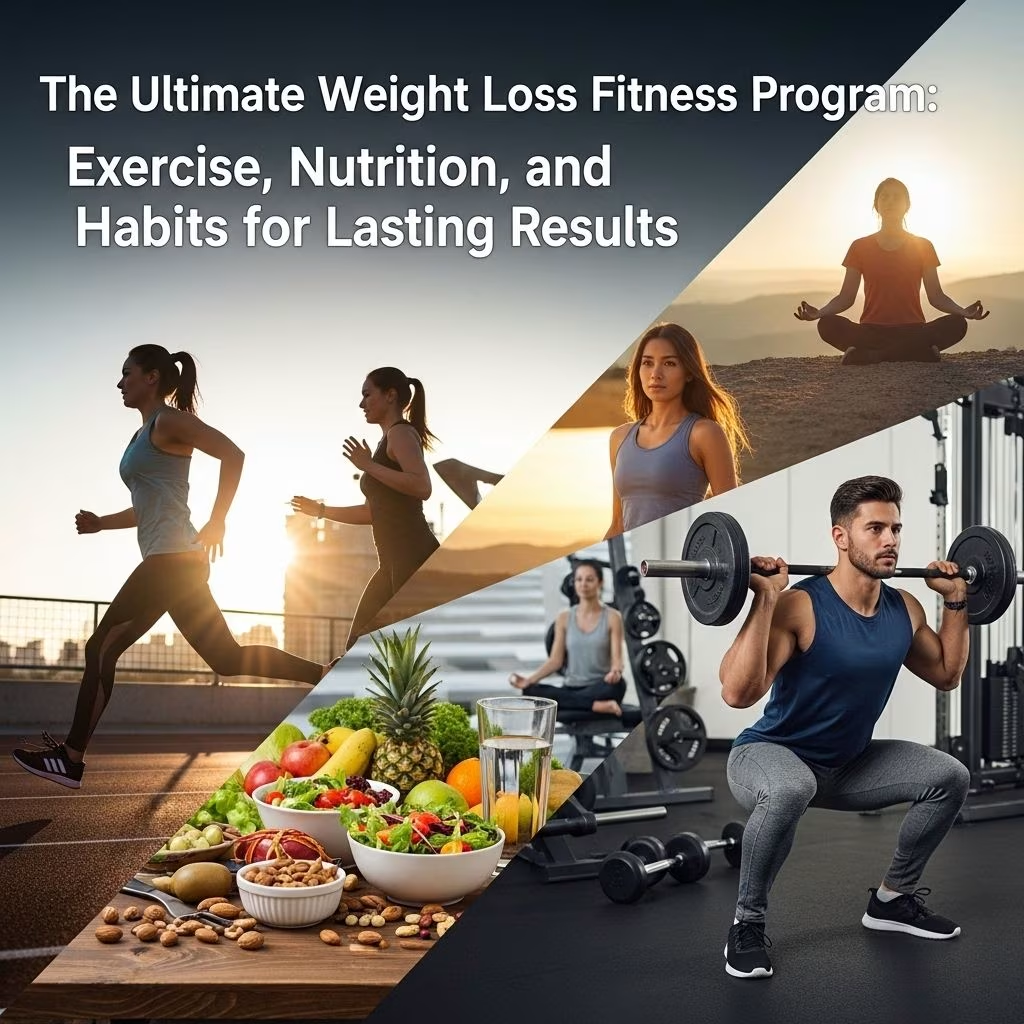
The Ultimate Weight Loss Fitness Program
Embarking on a weight loss journey requires more than just motivation—it demands a structured approach, expert-backed strategies, and a blend of healthy habits. This guide provides a comprehensive fitness program for weight loss, outlining foundational principles, exercise routines, nutrition strategies, and motivational tips to help you achieve sustainable results.
Laying the Foundation for Weight Loss Success
Successful weight loss is rooted in healthy routines—there is no single magic trick. Consistency, balanced nutrition, and a structured exercise regimen are key components. The core premise is simple: burn more calories than you consume while supporting your body with nutritious foods and regular movement.
- Set realistic goals: Aim for safe, gradual weight loss (1 to 2 pounds per week).
- Track progress: Use a journal or app to log workouts, meals, and milestones.
- Prioritize overall health: Focus not only on appearance but on energy, strength, and well-being.
Exercise Essentials: Cardio and Strength Training
Experts agree that combining cardio and strength training delivers the best results for fat loss and metabolic health. Cardio burns calories immediately, while strength training increases muscle mass, boosts metabolism, and supports long-term fat burning.
Why Both Matter
- Cardio: Improves cardiovascular health and burns calories during activity.
- Strength Training: Builds lean muscle, which increases resting metabolic rate and helps you burn more calories at rest.
- Interval Training: Alternates between bursts of intense effort and recovery, maximizing calorie burn through the EPOC effect (excess post-exercise oxygen consumption).
Best Exercises for Weight Loss
| Category | Sample Exercises | Benefits | Estimated Calories Burned* |
|---|---|---|---|
| Cardio | Walking, Running, Cycling, Swimming, HIIT | High calorie burn, heart health, improved endurance | 200–400 per 30 mins |
| Strength Training | Squats, Deadlifts, Overhead Press, Bent-over Rows | Muscle building, improved metabolism, injury prevention | 150–300 per 30 mins |
| Bodyweight & Compound | Push-ups, Planks, Pull-ups, Kettlebell Swings | Total-body strength, flexibility, core stability | 130–250 per 30 mins |
| Pilates | Core and flexibility routines | Muscular balance, core strength, mobility | ~272 per 30 mins |
| Interval Training | Sprints, Circuit Workouts (e.g., Tabata), HIIT | Maximized calorie burn, increased metabolism | ~272 per 30 mins* |
*Calories burned depends on intensity, duration, and body size. Estimates based on a 150-lb person .
Strength Training Basics: Getting Started
- Start with foundational compound movements: Squats, Deadlifts, Rows, Push-ups.
- Use proper equipment: Barbell, dumbbells, kettlebell, or bodyweight.
- Perform 4 sets of 8–12 reps for each exercise.
- Rest for 60–120 seconds between sets.
- Train 2–3 times per week for optimal results.
Cardio Routine Suggestions
- Walking: Low-impact, accessible for beginners; build duration steadily.
- Running/Jogging: Higher calorie expenditure; alternate intensity for intervals.
- Cycling/Swimming: Low-impact options, excellent for joint health.
- HIIT (High-Intensity Interval Training): Short bursts of effort, followed by short rest. Example: 30–45 seconds intense activity, 15–30 seconds rest.
Sample Weekly Fitness Routine
Building a weekly workout schedule helps ensure consistency and allows for systematic progress. Below is a sample routine that blends cardio, strength training, and active recovery.
| Day | Activity | Details |
|---|---|---|
| Monday | Cardio | 45 mins brisk walking or jogging |
| Tuesday | Strength Training | Full-body compound movements, 4 sets of 8–12 reps |
| Wednesday | Interval Training | 20 mins HIIT (sprints or circuit) |
| Thursday | Active Recovery | Yoga, Pilates, stretching |
| Friday | Strength Training | Lower-body focus (squats, lunges, deadlifts), 4 sets of 8–12 reps |
| Saturday | Cardio | Cycling, swimming, or group class (45 mins) |
| Sunday | Rest | Full rest or light stretching |
- Modify the routine based on your individual needs, fitness level, and schedule.
- Rest days are essential for recovery and injury prevention.
Nutrition Strategies for Fat Loss
Exercise alone is not enough; nutrition is a critical pillar of weight loss. Experts emphasize maintaining a moderate calorie deficit, aiming for a balance between nutrient-rich foods and sufficient energy to fuel workouts.
- Eat more protein: Helps build muscle, increases satiety, and preserves lean mass.
- Increase fiber intake: Promotes fullness and supports digestive health.
- Hydrate adequately: Water is essential for metabolism and appetite control.
- Mindful eating: Focus on hunger cues, slow down, and minimize distractions during meals.
- Moderation with treats: Allow occasional indulgence to avoid feeling deprived, but keep portions small.
Plan meals that combine lean proteins, whole grains, fruits and vegetables, and healthy fats for balanced nutrition. Limit added sugars, processed foods, and excessive portion sizes.
Habits and Tips for Lasting Weight Loss
The most successful weight loss strategies center around sustainable habits and lifestyle adjustments. Consider adopting the following practices:
- Be consistent: Set realistic, achievable goals and stick to your routine.
- Start slow: Gradually increase exercise intensity and volume to avoid burnout or injury.
- Take rest days: Schedule at least 1–2 rest days per week to recharge and prevent overtraining.
- Prioritize sleep: Aim for 7–9 hours nightly to support muscle recovery and hormonal balance.
- Manage stress: Incorporate stress-management practices (e.g., meditation, deep breathing, hobbies).
- Seek support: Join workout groups, enlist an accountability partner, or participate in online communities.
Remember: Progress can be gradual. Focus on building habits you can sustain for life, not just rapid results.
Frequently Asked Questions (FAQs)
Q: How fast can I expect to lose weight with this program?
A: Most experts recommend aiming for a weight loss rate of 1 to 2 pounds per week. Rapid weight loss often leads to muscle loss and rebound weight gain. Focus on steady progress and celebrate every milestone.
Q: Do I need expensive equipment?
A: No. Many effective weight loss exercises use bodyweight (e.g., squats, push-ups, planks), resistance bands, or affordable dumbbells. Advanced lifters may benefit from barbells, kettlebells, or machines, but these aren’t required to see results.
Q: Can I skip cardio if I hate it?
A: Not recommended. Cardio significantly improves heart health and aids calorie burn. Try alternative forms like cycling, swimming, dance classes, or interval training for variety and enjoyment.
Q: What role does sleep play in weight loss?
A: Sleep is vital for muscle recovery, hormonal balance, and appetite regulation. Lack of sleep can increase cravings, lower motivation, and slow progress.
Q: How do I stay motivated?
A: Set short-term goals, celebrate achievements, mix up your workouts, and connect with a support system. Tracking progress and rewarding yourself (non-food rewards) can help foster long-term commitment.
Q: Are rest days important?
A: Yes. Scheduled rest days are crucial for physical recovery, mental health, and injury prevention.
Q: Why haven’t I seen results after several weeks?
A: Progress varies by individual based on metabolism, genetics, and consistency. If results are slow, reassess your calorie intake, exercise intensity, sleep, and stress levels. Patience and persistence are key.
Q: Can I lose weight without exercise?
A: Technically, you can lose weight through a calorie deficit alone, but combining diet and exercise offers greater physical, mental, and cardiovascular benefits—plus, it’s easier to sustain.
Key Takeaway
Effective weight loss is a holistic process that blends thoughtful movement, balanced nutrition, and a commitment to sustainable habits. The most successful programs embrace variety, patience, and consistency—delivering not just a leaner body, but a healthier, more vibrant life. Use this structure to chart your own course and adapt as you progress.
References
- https://www.prevention.com/weight-loss/a43122348/weight-training-for-weight-loss/
- https://www.prevention.com/weight-loss/a20474562/best-weight-loss-exercises/
- https://www.prevention.com/weight-loss/a30188568/lose-weight-without-exercise-0/
- https://www.prevention.com/weight-loss/
- https://www.prevention.com/weight-loss/diets/a60578947/how-to-lose-weight-fast-safely/
- https://www.prevention.com/health/a65401665/expert-walking-tips-weight-loss/
- https://www.prevention.com/weight-loss/diets/a63174975/best-diets-for-weight-loss-2025/
- https://www.prevention.com/fitness/workouts/a62444474/get-rid-back-fat/
- https://www.prevention.com/weight-loss/a20502669/margaret-suther-lost-115-pounds-starting-with-walking/
- https://www.prevention.com/fitness/fitness-tips/a64298281/how-often-should-you-lift-weights/


