


Waist Cinchers: What You Need to Know Before You Try Them
Waist cinchers, often called waist trainers, are shaping garments that promise an instantly slimmer waist and the coveted hourglass figure. Popularized by social media influencers and celebrities, these tight-fitting accessories have surged in mainstream appeal—but are they effective, and more importantly, are they safe for your health? This comprehensive guide explores how waist cinchers work, the claims behind them, the scientific realities, their potential risks, and the healthier alternatives for those seeking a trimmer silhouette.
What Are Waist Cinchers?
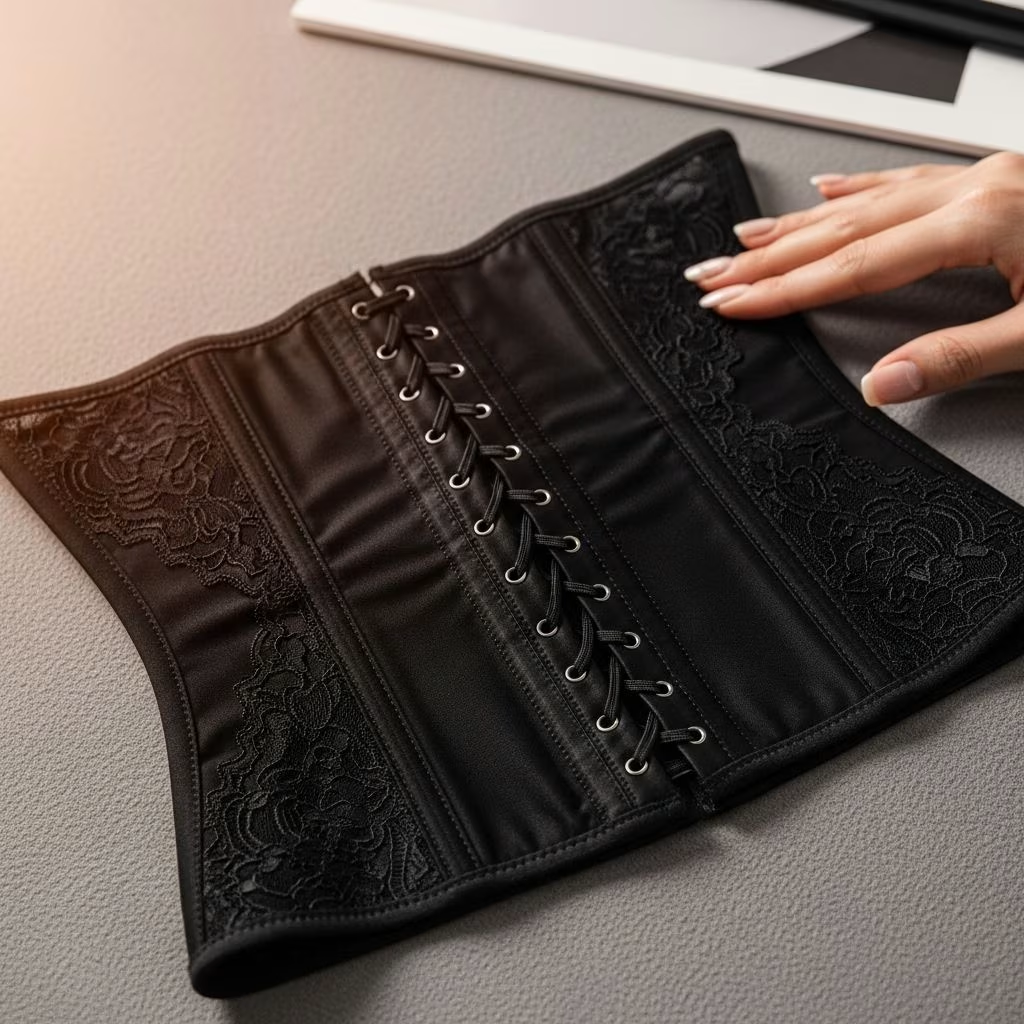
Waist cinchers are modern-day equivalents of traditional corsets. While classic corsets were made of lace and steel, today’s waist trainers are generally constructed from elastic fabrics like neoprene, latex, polyamide, or spandex. They typically close via hooks, Velcro, zippers, or laces to tighten around your midsection, sometimes with flexible boning for added shape and support.
- Purpose: To compress the waist and create a slimmer silhouette, often marketed as a shortcut to an hourglass shape.
- Design: Rigid, tight-fitting, and meant for temporary body contouring.
- Popularity: Endorsed by celebrities, frequently shown in fitness routines and before-and-after photos online.
How Do Waist Cinchers Claim to Work?
The central claim of waist cinchers is that, by tightly squeezing your midsection, they can train your waist to appear smaller and even permanently reshape your body over time. Additional marketing points often include:
- Immediate waist reduction: An instantly slimmer waist upon wearing the cincher.
- Appetite suppression: Claims suggest that pressure on the stomach reduces hunger.
- Enhanced workout results: Promoted as a tool to increase sweat and amplify fat loss during exercise.
- Hourglass body: The hope of permanently cinching an hourglass shape with consistent use.
The Scientific Reality: Do Waist Cinchers Deliver as Promised?
Waist cinchers do not lead to meaningful or permanent fat loss. Scientific consensus and medical experts are clear that these garments only provide a temporary change to your silhouette. Here’s why the promises fall short:
- Temporary effect: As soon as the garment is removed, your waist returns to its normal shape and size.
“Waist trainers provide a waist slimming effect, but it is only temporary. They do not provide permanent change.” - Spot reduction is a myth: There is no way to lose fat from a single area via compression or exercise; sustained fat loss only comes from overall weight management through diet and exercise.
- No evidence of long-term reshaping: The body does not ‘remember’ the compression once the device is removed. The effect is similar to wearing tight socks or belts—it leaves a temporary mark or indent, not a permanent reshaping of tissue.
Can Waist Cinchers Help With Appetite or Weight Loss?
Some users report feeling less hungry while wearing a waist cincher because the pressure can make your stomach feel full. However, this is not a recommended or healthy approach to appetite control:
- The garment may induce discomfort rather than true satiety, and can interfere with normal digestive function.
- Suppressing appetite artificially may contribute to nutritional deficiencies or unhealthy eating behaviors.
- Sustainable weight loss requires a balanced, nourishing diet and regular physical activity—not wearable gadgets.
What Are the Health Risks of Waist Cinchers?
Although short-term use for special occasions may pose minimal risk for many healthy adults, medical experts caution against regular and prolonged wear due to a variety of possible health concerns:
1. Breathing Difficulties
Tight compression can restrict rib cage movement and lower lung capacity, making it harder to take full breaths. Reports include:
- Shortness of breath and discomfort during wear
- Potential for fainting if worn during exercise or strenuous activity
2. Digestive Challenges
The squeeze on the midsection can disrupt the normal function of the gastrointestinal tract. Documented issues include:
- Bloating and gas
- Constipation
- Acid reflux and heartburn due to upward pressure on the stomach
3. Core Muscle Weakness
By acting as a rigid support, waist cinchers may make your own muscles less engaged. Prolonged use can result in:
- Potential weakening of the abdominal and back core muscles over time
- Poor posture or reduced capability for natural core stabilization
4. Skin Irritation and Discomfort
- Chafing, redness, and rashes from tight, non-breathable materials
- Sweat trapped beneath the fabric may worsen irritation or lead to infection
5. Organ Compression
With extended wear, internal organs may be pushed into unnatural positions, potentially resulting in pain or long-term dysfunction:
- Potential crowding of the liver, kidneys, and intestines
- Rare cases of nerve damage or decreased circulation if worn excessively tight
6. Risk During Pregnancy
- Waist cinchers should not be used during pregnancy without medical supervision, as abdominal compression can risk fetal health
Expert Insights and Medical Opinions
Leading physicians and physical therapists are generally skeptical or negative about the long-term use of waist trainers. Dr. Grayson Wickham, PT, DPT, notes:
- “In my opinion, wearing these waist trainers for extended periods of time will lead to negative adaptations” including effects on muscle, fascia, and organs.
- Most health experts underscore that there is “very little research on the safety of waist trainers” and recommend traditional, proven weight management strategies instead.
Safer Alternatives for Shaping Your Waist
If you’re looking to enhance your silhouette or slim your waist, consider these safer, more effective options:
- Shapewear: Garments like Spanx or light compression shapewear provide instant smoothing with much less pressure than waist trainers. They offer comfort for special occasions but are not worn as tightly or for as long.
- Healthy Lifestyle: Sustainable waist reduction comes from a nutritious diet and regular exercise. Focus on overall fat loss and core strength:
- Eat nutrient-dense foods (whole grains, fruits, vegetables, lean proteins)
- Limit processed foods, added sugars, sodium, and unhealthy fats
- Engage in cardiovascular exercise (walking, running, cycling)
- Include strength training (weight lifting, bodyweight exercises) to build muscle and boost metabolism
- Incorporate isolation moves (e.g., oblique twists) to target your core muscles
- Try activities like yoga, Pilates, or even weighted hula hooping for additional core engagement
- Manage stress and sleep: Chronic stress and poor sleep can slow metabolism and hinder weight loss goals. Mindful practices and quality rest are essential components.
What About Wearing a Waist Cincher During Workouts?
Some fitness trends advocate wearing a cincher while exercising for “increased sweat” or “better results.” However, experts universally recommend against it:
- It can dangerously restrict your breathing, especially when your lungs need more oxygen during cardio or resistance exercise
- Increased sweating from restricting airflow does not improve fat loss; it only leads to temporary water loss and higher risk of dehydration or overheating
If your goal is a stronger, tighter core, focus on proven fitness techniques—not compressive garments.
Waist Cinchers vs. Shapewear: A Quick Comparison
| Feature | Waist Cinchers | Shapewear |
|---|---|---|
| Compression Level | High, rigid, often uncomfortable | Mild to moderate, flexible |
| Intended Effect | Temporary hourglass shape, claims of lasting results | Smooths bulges, short-term contour for clothing fit |
| Risks | Breathing, digestive issues, organ compression, muscle weakness | Minor discomfort if tight; typically much safer |
| Recommended Usage | Very short-term, occasional (if at all) | Short-term, special occasions |
| Long-Term Results | No scientific support for lasting change | None, intended as a temporary garment only |
Frequently Asked Questions (FAQs)
Q: Can a waist cincher permanently reduce my waist size?
A: No. Waist cinchers only provide a temporary appearance of a slimmer waist. Once the garment is removed, your natural shape returns.
Q: Are there any health benefits to wearing waist cinchers?
A: There are no proven health benefits. While you may experience temporary appetite suppression or slight posture improvement, the health risks generally outweigh any advantages.
Q: Can I wear a waist cincher during exercise for better results?
A: It is not advised. Wearing a cincher during workouts can make breathing difficult and potentially cause fainting. It does not improve fat loss or muscle tone.
Q: If I want a smoother look under clothes, what should I use?
A: Shapewear offers a more comfortable, low-risk alternative to extremes like waist cinchers, providing light smoothing for special occasions.
Q: What is the healthiest way to reduce body fat around my waist?
A: The only reliable, sustainable approach is a combination of a balanced diet and consistent exercise. There are no shortcuts or gadgets that will provide lasting, safe fat reduction.
Final Thoughts
Waist cinchers may offer the appeal of an instantly slimmer silhouette, but their benefits are strictly superficial and fleeting. Regular or long-term use can pose real health risks with no evidence of lasting results. The most effective roadmap to a trimmer waist always involves a healthy lifestyle. Embrace nutritious eating, regular movement, and self-love—and leave the fads and quick fixes behind.
References
- https://www.goodrx.com/conditions/musculoskeletal/are-waist-trainers-safe
- https://www.medicalnewstoday.com/articles/do-waist-trainers-work
- https://www.prevention.com
- https://www.prevention.com/fitness/a65819320/how-to-do-a-pull-up-age-50-plus/
- https://www.prevention.com/weight-loss/a20474562/best-weight-loss-exercises/
- https://lucycorsetry.com/2015/02/26/dr-oz-investigates-waist-training-response/
- https://www.prevention.com/fitness/workouts/a62444474/get-rid-back-fat/


