


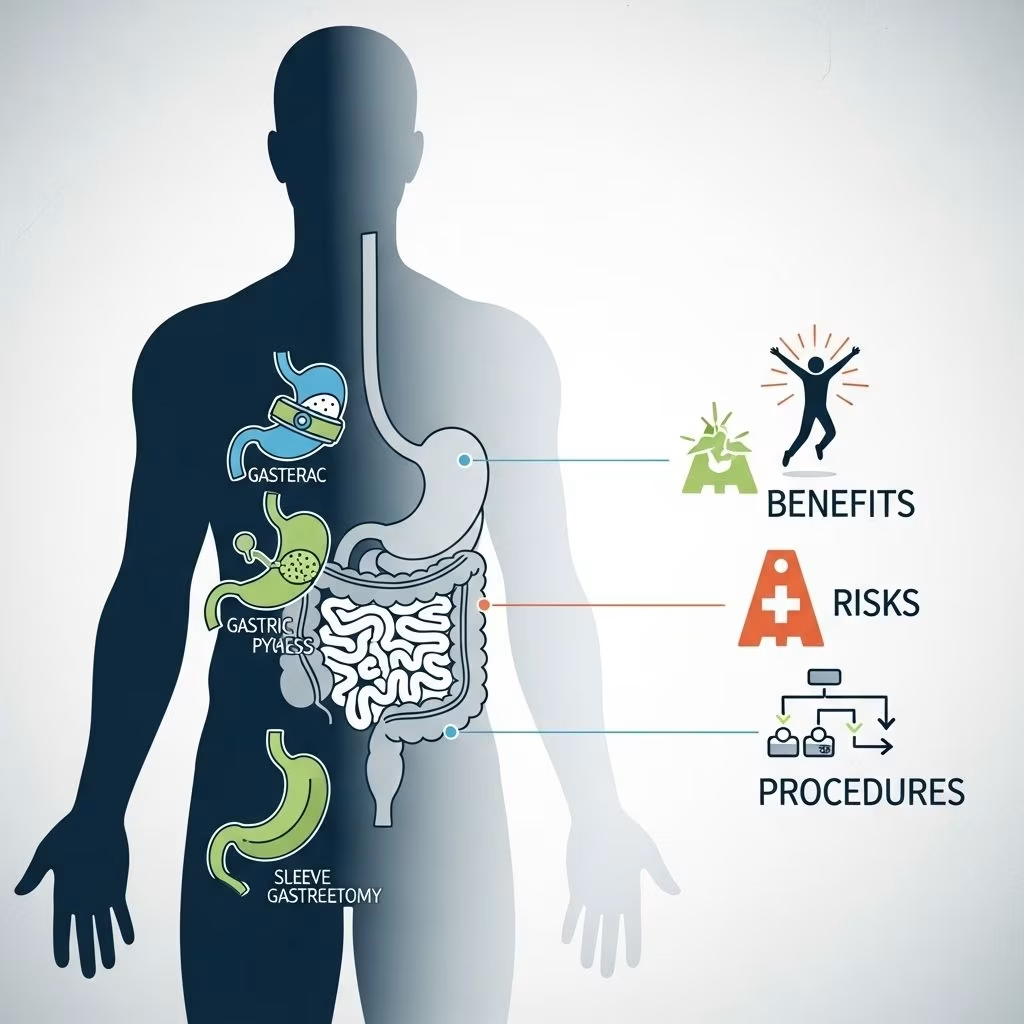
Weight Loss Surgery: What You Should Know
Obesity is a serious health condition that can affect quality of life and increase the risk of many diseases. For those struggling with significant and stubborn weight gain, weight loss surgery—referred to medically as bariatric surgery—offers an effective solution when other methods have failed. This article explores the types of weight loss procedures available, their benefits, risks, and the important lifestyle changes necessary for success.
Who is a Candidate for Weight Loss Surgery?
Bariatric surgery is not for everyone who wants to lose weight. Doctors have strict criteria to help identify those who will benefit most from the procedures:
- Body Mass Index (BMI) of 40 or higher (extreme obesity)
- BMI of 35–39.9 with related health conditions such as type 2 diabetes, high blood pressure, or sleep apnea
- Unsuccessful long-term attempts at medically supervised diet and exercise
- Ability to understand surgery risks and commit to long-term lifestyle changes
Ultimately, patients need to be physically and psychologically ready for both the surgery and the extensive changes that follow.
Benefits of Weight Loss Surgery
- Significant, sustained weight loss: Most patients lose 50% or more of their excess weight within 1–2 years.
- Improvement or reversal of obesity-related diseases: Conditions like type 2 diabetes, sleep apnea, high blood pressure, and high cholesterol often improve dramatically.
- Enhanced energy and physical ability for daily activities
- Reduced medication dependence
- Increased self-confidence and quality of life
Bariatric surgery is not a magic solution; it is a tool that helps patients succeed with healthy eating and movement when previous attempts have failed.
Types of Weight Loss Surgery
There are several surgical procedures, each with different approaches and potential outcomes. The most common types include:
1. Gastric Bypass (Roux-en-Y)
This is one of the most practiced and studied forms of bariatric surgery. The procedure involves:
- Creating a small pouch from the stomach, restricting food intake
- Connecting it directly to the small intestine, bypassing the rest of the stomach and part of the intestines
Advantages:
- Rapid and significant weight loss
- Improvement in obesity-related diseases, often within days
Pitfalls:
- Complex surgery, higher risk of nutritional deficiencies
- Irreversible procedure
- Potential for surgical complications (leaks, blockages)
2. Gastric Sleeve (Sleeve Gastrectomy)
This operation removes about 80% of the stomach, leaving a banana-shaped “sleeve”. Food intake and appetite hormones are reduced.
| Pros | Cons |
|---|---|
|
|
3. Adjustable Gastric Banding
A silicone band is placed around the upper part of the stomach, creating a small pouch. The band’s tightness can be adjusted via a port under the skin.
- Procedure: No cutting of stomach/intestine, minimally invasive
- Benefits: Can be reversed, adjustable, faster recovery
- Drawbacks: Slower, less dramatic weight loss (40%–50% over 2 years), more frequent complications (up to 50% risk), higher chance of additional surgeries
- Potential problems: Band slippage or leakage, nausea, vomiting, digestive issues
4. Other Procedures
- Biliopancreatic Diversion with Duodenal Switch (BPD/DS): Complex surgery combining sleeve gastrectomy with significant bypass of intestines, reserved for extreme obesity cases
- Intragastric Balloon, Endoscopic Sleeve Gastroplasty, and others: Non-surgical, temporary, or investigational options suitable for mild to moderate cases
Risks and Complications
All surgeries carry risks. Weight loss surgery has some specific complications:
- Infection, bleeding, leakage at staple or suture sites
- Nutritional deficiencies: Risk varies by procedure, with bypass surgeries carrying greater risk
- Gallstones and gastrointestinal issues: Nausea, vomiting, constipation, swallowing problems
- Gastroesophageal reflux (GERD): Most common after sleeve gastrectomy
- Band-related problems: Slippage, port infections, leakage (with adjustable gastric banding)
- Requirement for additional surgeries: Up to 35% for banding
- Lifelong follow-up for complications or nutritional support
Despite the surgical risks, long-term studies show the risk of death from obesity far exceeds the surgical risks and bariatric surgery can improve life expectancy.
Results and Expectations After Surgery
- Most patients lose between 50% and 70% of their excess body weight within two years.
- Medical conditions like diabetes and sleep apnea often improve or resolve entirely.
- Typical recovery involves several days in the hospital and weeks at home before resuming normal activities.
- Weight regain can occur, typically less than 25% of lost weight.
Note: Individual results vary, and some patients may not experience the expected degree of improvement in weight or health. Long-term commitment is essential for success.
Lifestyle Changes Necessary for Success
Surgery is only one part of the process. To maintain weight loss and health improvements, patients must:
- Follow strict dietary guidelines (small portions, nutrient-rich foods)
- Take recommended vitamins and supplements to avoid deficiencies
- Practice regular physical activity
- Attend appointments for lifelong monitoring
- Address emotional health and eating habits
Support from family, medical professionals, and peer groups is crucial for motivation and accountability.
Commonly Asked Questions About Weight Loss Surgery
Will insurance cover weight loss surgery?
Coverage depends on personal policy, medical necessity, and meeting eligibility criteria (BMI, health complications, failed attempts at other treatments).
Is weight loss surgery safe?
Most procedures have a low rate of serious complications and death, especially when performed at experienced centers. Risks are higher for people with serious health conditions but generally lower than the risks associated with untreated obesity.
How much weight will I lose?
- Typical loss: 50%–70% of excess body weight within 1–2 years for gastric bypass and sleeve gastrectomy
- Gastric banding typically results in 40%–50% over 2 years
Are the results permanent?
Surgery helps most people maintain significant weight loss with proper lifestyle changes. Some weight regain is common (<25%), but healthy habits are key to ongoing success.
What are the risks of nutritional deficiencies?
Digestive system alteration can affect nutrient absorption, especially in bypass surgeries. Supplements and regular blood tests are necessary to prevent or manage deficiencies. Sleeve gastrectomy and banding are less likely to cause deficiencies.
Are there alternatives to surgery?
For mild to moderate obesity, non-surgical options include intragastric balloons, endoscopic therapies, and intensive diet and exercise programs. Consultation with a specialist will help determine the best treatment plan.
Key Comparison Table: Surgery Types
| Procedure | How It Works | Typical Weight Loss (%) | Risks | Reversible? |
|---|---|---|---|---|
| Gastric Bypass | Stomach pouch and intestine bypass | 60%–70% | Malnutrition, dumping syndrome, ulcers | No |
| Sleeve Gastrectomy | Most of stomach removed | 60%+ | GERD, gallstones, scarring | No |
| Gastric Banding | Band restricts stomach pouch | 40%–50% | Band slippage, infection, nausea | Yes |
| BPD/DS | Stomach reduction and intestinal bypass | Up to 80% | Severe malnutrition, complex surgery | Partially |
Summary: What to Consider Before Surgery
- Talk with your doctor: Discuss types of surgery, risks, and your health goals
- Understand the commitment: Lifelong changes are required
- Evaluate risks vs. benefits: Surgery provides long-term health improvements, but involves its own risks
- Prepare emotionally: Support groups and counseling are helpful
- Follow post-op care: Nutritional guidance and medical checkups keep you healthy
Frequently Asked Questions (FAQs)
Q: Are weight loss surgery results guaranteed?
A: While most patients achieve significant weight loss and health improvement, results vary by adherence to recommended lifestyle changes and follow-up care.
Q: Can weight loss surgery cure type 2 diabetes?
A: Many patients experience complete remission of type 2 diabetes, but ongoing monitoring and lifestyle management are required for lasting success.
Q: How long is recovery after bariatric surgery?
A: Hospital stay is usually a few days; most people return to work after 3–6 weeks, with a gradual return to full activities.
Q: What happens if I regain weight?
A: Weight regain can occur; medical and lifestyle support is essential for long-term maintenance. Revision surgery may be considered if health problems re-emerge.
Q: Will I need plastic surgery after weight loss?
A: Significant weight loss can result in excess skin. Some patients choose to have plastic surgery for removal, but it is not medically necessary.
Conclusion: Making an Informed Decision
Weight loss surgery is a transformative option for those facing severe obesity and related health issues. Understanding different procedures, health benefits, and risks helps you make an informed decision. Remember, long-term success relies on lifelong changes to diet, activity, and follow-up care.
References
- https://www.webmd.com/obesity/weight-loss-surgery-making-the-choice
- https://nyulangone.org/care-services/weight-management-program/surgical-weight-loss/risks-benefits-of-weight-loss-surgery
- https://my.clevelandclinic.org/health/treatments/bariatric-surgery
- https://www.mayoclinic.org/tests-procedures/bariatric-surgery/about/pac-20394258
- https://www.dukehealth.org/treatments/weight-loss-surgery/weight-loss-benefits-and-complications
- https://pubmed.ncbi.nlm.nih.gov/32870301/
- https://asmbs.org/patients/benefits-of-metabolic-and-bariatric-surgery/
- https://anmed.org/wellness/blog/how-choose-what-weight-loss-surgery-best-me
- https://www.mymichigan.org/conditions-treatments/bariatric/candidate/benefits-risks/


