


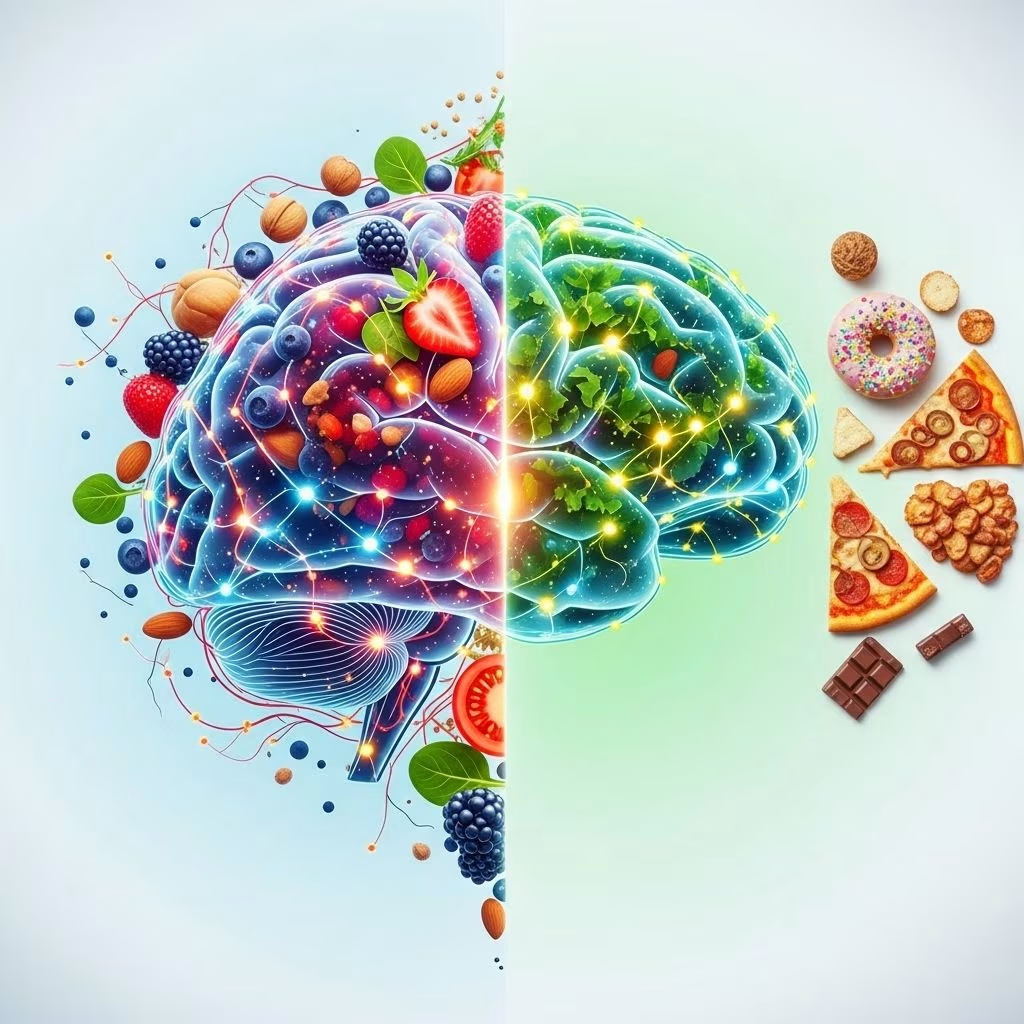
Food cravings are a dieter’s nemesis—capable of derailing the cleanest eating plans and triggering guilt-induced overeating. But with the right combination of nutrition science, behavioral adjustments, and practical daily habits, you can keep those pesky urges at bay. Explore these five research-backed methods to conquer cravings and take back control over your eating choices.
Understanding Food Cravings
Before you can fight cravings, it helps to know what drives them. Food cravings are intense desires for specific foods, often those high in sugar, fat, or salt. They’re frequently triggered by emotional cues, environmental reminders, physiological signals (like hunger or hormonal shifts), or conditioned habits. Tackling cravings isn’t about willpower alone—it’s about using the right strategies at the right time.
1. Start Your Day With Oats
Kickstarting your morning with oatmeal can keep food cravings at bay for hours. Two pivotal studies support oats as a powerful breakfast staple:
- Satiety-Boosting Fats: Research from Lund University in Sweden demonstrated that the healthy fats in oats trigger satiety hormones, which help tame cravings for up to seven hours after eating .
- Reduced Calorie Intake: A study published in the Annals of Nutrition & Metabolism found those who ate oatmeal for breakfast consumed 31% fewer calories at lunch compared to those who skipped breakfast or had corn flakes .
While study participants consumed a special oat oil, registered dietitians agree that starting your day with a bowl of whole-grain oatmeal likely delivers similar effects. Opt for simple toppings like berries or a sprinkle of nuts for added fiber and healthy fats.
Quick Oatmeal Tips:
- Choose steel-cut or old-fashioned oats for optimal fiber and slower digestion.
- Avoid sugary instant oatmeal packets, which can spike blood sugar and increase cravings.
- Add cinnamon, nuts, or unsweetened almond butter to boost flavor and satiety.
2. Avoid Your Craving Hot Spots
Where you spend your time matters. Environmental cues—such as walking past a favorite bakery or the office vending machine—can fuel cravings through a process called associative conditioning.
Key research insight: Decreasing the frequency of exposure to and consumption of certain food triggers results in a measurable reduction in cravings. Interestingly, simply eating less of these foods isn’t as impactful as limiting how often you encounter and consume them.
Practical Ways to Reprogram Your Routine:
- Diversify Your Route: Take a new path that bypasses fast food and snack shops when commuting.
- Out of Sight, Out of Mind: Keep high-craving foods out of your home. Stock healthy snacks within easy reach instead.
- Social Shifts: Suggest non-food-centric activities with friends and coworkers.
Reducing environmental triggers is not about avoiding pleasure, but about freeing your brain from the conditioned cues that drive cravings.
3. Ask Yourself: Am I Getting Enough Sleep?
Insufficient sleep wreaks havoc on your hunger and satiety hormones, fueling powerful cravings—especially for sweets and starchy foods. According to a University of Chicago study:
| Sleep Loss Effect | Result |
|---|---|
| Leptin (satiety hormone) drops 18% | Reduces feelings of fullness |
| Ghrelin (hunger hormone) increases 30% | Boosts appetite and food cravings |
| Cravings for starchy foods spike | Increases risk of overeating cookies, bread, etc. |
What You Can Do:
- Catch Up on Rest: Make sleep a top priority. Aim for 7-9 hours per night for optimal hormonal balance.
- Short-Term Helper: Caffeine
- A cup of coffee or tea can help override tiredness and suppress appetite temporarily. Avoid sugary or high-calorie add-ins.
- Practice Mindful Portions: Pre-portion crave-worthy foods onto a plate and store the rest, as sleep deprivation lowers your power to resist overeating.
Remember: Regular, restorative sleep is a non-negotiable part of craving control and long-term healthy eating.
4. Ask Yourself: Am I a Creature of Habit?
Your routines and rituals—like eating popcorn while watching TV—form strong neural associations. Once established, these habits activate the pleasure centers in the brain, and even the thought of disrupting them can create anxiety.
Why It Happens:
- Repeated pairings of a situation (ex: watching movies) with a food (ex: buttery popcorn) strengthen your cravings in those scenarios.
- Letting go creates a brief “fear response” in the amygdala, your brain’s danger detector.
Behavioral Disruption Techniques:
- Eliminate Sensory Cues: Watch TV in a different room or away from the kitchen to break unconscious snack associations.
- The “Stop” Technique: Whenever a food craving pops up, mentally command “Stop!” and quickly visualize a healthy, positive image of yourself. Over time, this practice helps your brain swap unhealthy urges for healthier images.
- Shift Your Focus: Distract your mind by tackling a non-food-related visual task—like organizing files or sending an email. Research shows it genuinely diminishes the craving’s power.
5. Distract and Replace: Practical Mind Tricks for Cravings
Not all cravings can be banished by willpower or small tweaks alone. Sometimes, brain-based strategies are key to flipping the switch on food urges.
Try These Evidence-Based Tricks:
- Imagery Distraction: When a craving hits, close your eyes and picture something visually rich but unrelated to food—a vivid sunset, a favorite landscape, or a geometric design. This technique reduces the brain’s capacity to hold a persistent food image, making cravings fade.
- Engage Your Senses: Chew sugarless gum, sniff peppermint, or brush your teeth. These can provide oral stimulation and sensory distraction, signaling your brain that eating is over.
- Go for a Short Walk: Physical movement provides both a mental and environmental break, lessening the craving’s pull.
Table: 5 Strategies to Stop Food Cravings
| Strategy | Primary Benefit | How to Implement |
|---|---|---|
| Eat Oats for Breakfast | Boosts satiety for hours | Start with unsweetened oatmeal and fiber-rich toppings |
| Avoid Craving Hot Spots | Cuts exposure to environmental triggers | Change routes, relocate snacks, shift social activities |
| Get Enough Sleep | Normalizes hunger hormones | Prioritize sleep; use caffeine sparingly as a backup |
| Disrupt Habitual Eating | Weakens brain’s cue-food associations | Change routines, apply “stop” visualization |
| Distract Brain and Senses | Short-circuits craving images | Use imagery, chewing gum, light exercise |
Frequently Asked Questions (FAQs)
Q: What is the fastest way to stop a food craving?
A: Distraction is usually the most immediate relief. Try focusing on a visually complex task or get active—take a brisk walk, organize your desk, or call a friend to divert your mind from the craving.
Q: Does eating a small portion of the craved food help?
A: For some people, savoring a small, pre-portioned amount can satisfy the urge without causing a binge. However, research shows that consistently limiting how often you indulge is more effective than merely eating less of the craved item, especially for deeply ingrained cravings.
Q: Why do I crave unhealthy foods when tired?
A: Sleep deprivation drops satiety hormone leptin and rises hunger hormone ghrelin, triggering stronger desires for sugar and starchy foods.
Q: Can cravings ever be eliminated completely?
A: Cravings tend to diminish as you change routines, reduce exposure, and establish healthier habits—but occasional urges are normal. Using strategies like those above can help you manage them effectively over the long-term.
Summary: Crafting a Craving-Resistant Lifestyle
Outsmarting cravings isn’t a matter of iron will, but the result of personalizing your environment, habits, and thinking patterns. Eat hearty, fiber-rich breakfasts, steer clear of old temptation spots, prioritize sleep, break conditioned routines, and use targeted distractions to fortify yourself against food urges. Over time, these steps retrain both mind and body—empowering healthier choices and lasting weight control.
References
- https://www.prevention.com/weight-loss/a20448548/5-ways-to-stop-food-cravings/
- https://pmc.ncbi.nlm.nih.gov/articles/PMC5529244/
- https://www.prevention.com/weight-loss/a20466650/how-to-stop-food-cravings-and-overeating/
- https://www.prevention.com/health/g20432227/food-cravings-and-illness/
- https://www.prevention.com/food-nutrition/a64590822/how-to-stop-sugar-cravings-fast/
- https://www.prevention.com/weight-loss/a20507172/hunger-or-a-craving/
- https://www.prevention.com/weight-loss/a20474557/how-to-reduce-food-cravings-with-your-finger/
- https://www.prevention.com/food-nutrition/healthy-eating/a20457134/food-cravings-and-illness-0/
- https://www.prevention.com/weight-loss/a20439714/how-to-stop-sugar-cravings/
- https://www.prevention.com/weight-loss/g20512093/12-surprisingly-effective-ways-to-halt-your-hunger/


