


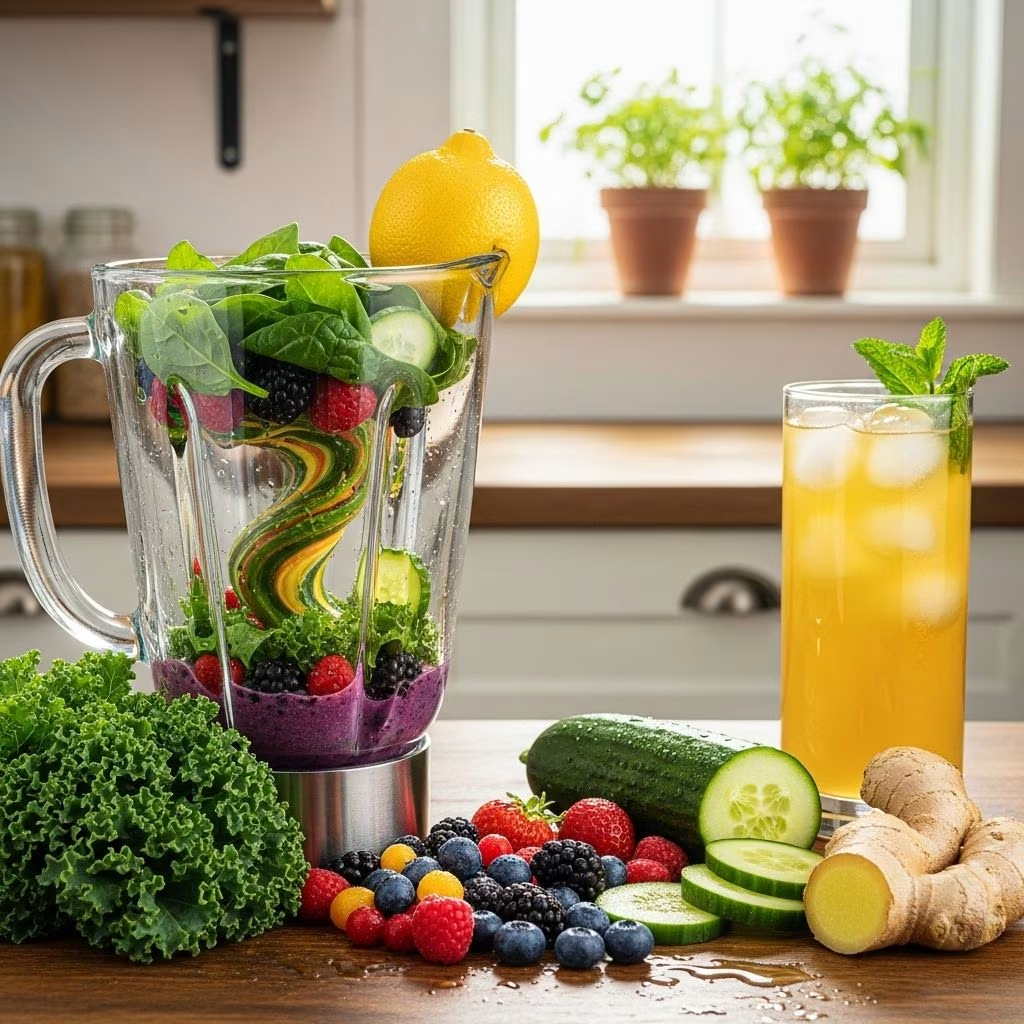
What It’s Really Like to Do a Liquid Cleanse Detox
Liquid cleanses, often called juice cleanses or detoxes, have grown incredibly popular among those seeking a quick reset, a flush of toxins, or a jumpstart to weight loss. While promises abound, the reality of undergoing such a cleanse can be far more complex, marked by both physical and mental challenges, and accompanied by a swirl of expert opinions. This article provides a comprehensive, first-hand account of the liquid cleanse experience, explores the scientific and nutritional context, and offers practical guidance for anyone considering a juice detox.
Contents
- Why Try a Liquid Cleanse Detox?
- How to Prepare for a Cleanse
- Day-by-Day Liquid Cleanse Experience
- Physical and Emotional Effects
- What Experts Say: Science Behind Juice Cleanses
- Pros and Cons of a Liquid Cleanse
- Is It Worth It? Realistic Results & Considerations
- Frequently Asked Questions
Why Try a Liquid Cleanse Detox?
For many, the drive to attempt a liquid or juice cleanse comes from a desire to:
- Reset unhealthy eating habits after a period of overindulgence or stress
- Kickstart weight loss with an initial drop in pounds
- Reduce bloating and feel lighter
- Clear the mind and body, hoping for increased energy or improved skin
- Challenge oneself to break food cravings and test discipline
Social influences, celebrity endorsements, and eye-catching marketing often highlight dramatic before-and-after results, further fueling curiosity and hopes for a transformative experience.
How to Prepare for a Cleanse
Preparation is essential before embarking on any juice cleanse. Here’s what’s usually recommended:
- Gradually eliminate processed foods, caffeine, alcohol, and refined sugar from your diet several days before starting
- Increase intake of whole fruits and vegetables
- Hydrate consistently to support the body’s natural detox processes
- Plan to clear your schedule as much as possible, minimizing strenuous activities and obligations
- Mentally commit to the process, acknowledging it may not be easy
Many commercial juice cleanses offer an array of cold-pressed juices delivered daily, balancing fruits and vegetables. Some individuals make juices at home, requiring a juicer, fresh produce, and time for preparation and cleanup.
A Firsthand Account: Day-by-Day Liquid Cleanse Experience
Day 1: Anticipation and Adjustment
The first day typically begins with optimism and a sense of novelty. The brightly-colored juices often taste better than expected — vibrant notes of green veggies, sweet fruits, a hit of ginger, or lemon. Hydration levels rise thanks to the water content of the drinks.
- Hunger pangs appear mid-morning, particularly for those used to solid breakfasts. Cravings for hot coffee can be intense.
- Mental focus may dip, with some feeling foggy or slightly irritable.
- The digestive system feels lighter, and a sense of “cleanliness” may emerge.
Day 2: Fatigue and Willpower
The enthusiasm of Day 1 may give way to the realities of subsisting entirely on liquids. Many report:
- Low energy and a “hollow” stomach sensation
- Increased mood swings, irritability, and impatience
- Temptation to give up as cravings for solid food intensify
- Some find certain juices less palatable as novelty wears off
It’s common to feel more acutely aware of every bodily sensation — from grumbling stomach to sharper senses of smell and taste. Some experience headaches, likely from caffeine withdrawal or lower calorie intake.
Day 3: Lightness and Completion
For those on a three-day cleanse, the final stretch can bring relief, a surge of accomplishment, and unique feelings:
- Greater sense of clarity or lightness, though some fatigue may persist
- Physical hunger sometimes fades, replaced by mental craving for texture and flavor variety
- Increased urination and frequent bathroom visits
- Heightened anticipation for post-cleanse meals
Physical and Emotional Effects of a Liquid Cleanse
Experiences vary widely, but most report both positive and negative effects:
| Potential Positive Effects | Common Challenges and Side Effects |
|---|---|
|
|
It is important to note that while initial weight loss can be motivating, most of it is simply water weight, and the pounds typically return when normal eating resumes.
The Science: Do Juice Cleanses Really Detox the Body?
While many juice cleanses promise to “flush” toxins, the actual science is much more nuanced. Here’s what registered dietitians and medical experts say:
- The liver and kidneys naturally remove toxins. There is no scientific evidence that juice cleanses enhance or replace these functions.
- Juice-only diets are not sustainable long-term and are typically low in protein, essential fats, and calories.
- Any rapid weight loss observed on a juice cleanse is generally water weight and muscle mass, not fat. Muscle loss slows metabolism and may worsen future weight gain.
- While juices can provide vitamins and hydration, fiber content is drastically reduced due to the removal of pulp.
- Some people may experience electrolyte imbalances or low blood sugar, especially if the cleanse is prolonged or they have pre-existing health conditions.
- There is no definitive evidence that juice cleanses improve skin, mood, or detoxification beyond what a balanced diet provides.
Pros and Cons of a Liquid Cleanse
| Pros | Cons |
|---|---|
|
|
Is It Worth It? Realistic Results & Considerations
So, is a liquid cleanse a good idea? For some, the psychological “reset” can be motivating and spur further lifestyle changes. However, most nutritionists and doctors advise caution:
- Benefits are short-lived and largely cosmetic.
- Potential risks—especially for those with underlying health issues, pregnancy, or taking medications—can outweigh any fleeting rewards.
- Sustainable, balanced eating plans with more whole foods, fewer processed items, and steady calorie intake are safer and more effective for real detoxification and long-term health.
If you do try a cleanse, listen to your body. Modify if you experience significant dizziness, faintness, or other adverse symptoms. Always consult a registered dietitian or a healthcare professional before starting any restrictive diet, especially if you have preexisting conditions.
Frequently Asked Questions (FAQs)
Q: Will a liquid cleanse help me lose weight permanently?
A: Temporary weight loss is common, but most is water weight and quickly regained. Sustainable weight loss requires long-term lifestyle changes.
Q: Do juice cleanses really remove toxins from my body?
A: No scientific evidence supports this claim. The liver and kidneys naturally perform detoxification. No liquid cleanse can accelerate this process.
Q: Is a juice cleanse safe for everyone?
A: Juice cleanses are not advisable for people with diabetes, kidney issues, certain metabolic conditions, or pregnant or breastfeeding women. Always check with a healthcare provider first.
Q: What should I eat after finishing a liquid cleanse?
A: Gradually introduce easy-to-digest, whole foods like steamed vegetables, broths, and whole grains. Avoid heavy or highly processed foods immediately after the cleanse.
Q: Can I drink coffee during a juice cleanse?
A: Most cleanses discourage coffee due to its acidity and potential to disrupt digestion. If you must have some, limit to a small cup of black coffee and drink extra water to prevent dehydration.
Final Takeaway
Liquid cleanses may offer a brief psychological or digestive “reset,” but their benefits are mostly short-term. The most effective approach for lasting health and wellness remains a balanced, nutrient-dense diet and consistent healthy habits. Before trying a cleanse, consider your health, goals, and alternatives such as increasing whole foods, reducing processed foods, and consulting professionals for sound advice.
References
- https://www.ardensgarden.com/blogs/news/how-to-do-a-juice-cleanse
- https://www.bbcgoodfood.com/health/special-diets/what-juice-diet
- https://wexnermedical.osu.edu/our-stories/what-you-should-know-about-juice-cleanses
- https://www.urmc.rochester.edu/news/publications/health-matters/do-juice-cleanses-detox-the-body
- https://www.medicalnewstoday.com/articles/323136
- https://www.uclahealth.org/news/article/using-a-juice-cleanse-to-slim-down-for-a-big-event-heres-a-better-alternative
- https://www.healthline.com/nutrition/juice-cleanse
- https://www.nm.org/healthbeat/healthy-tips/nutrition/is-a-juice-cleanse-good-for-you
- https://www.health.harvard.edu/blog/harvard-health-ad-watch-whats-being-cleansed-in-a-detox-cleanse-2020032519294


