


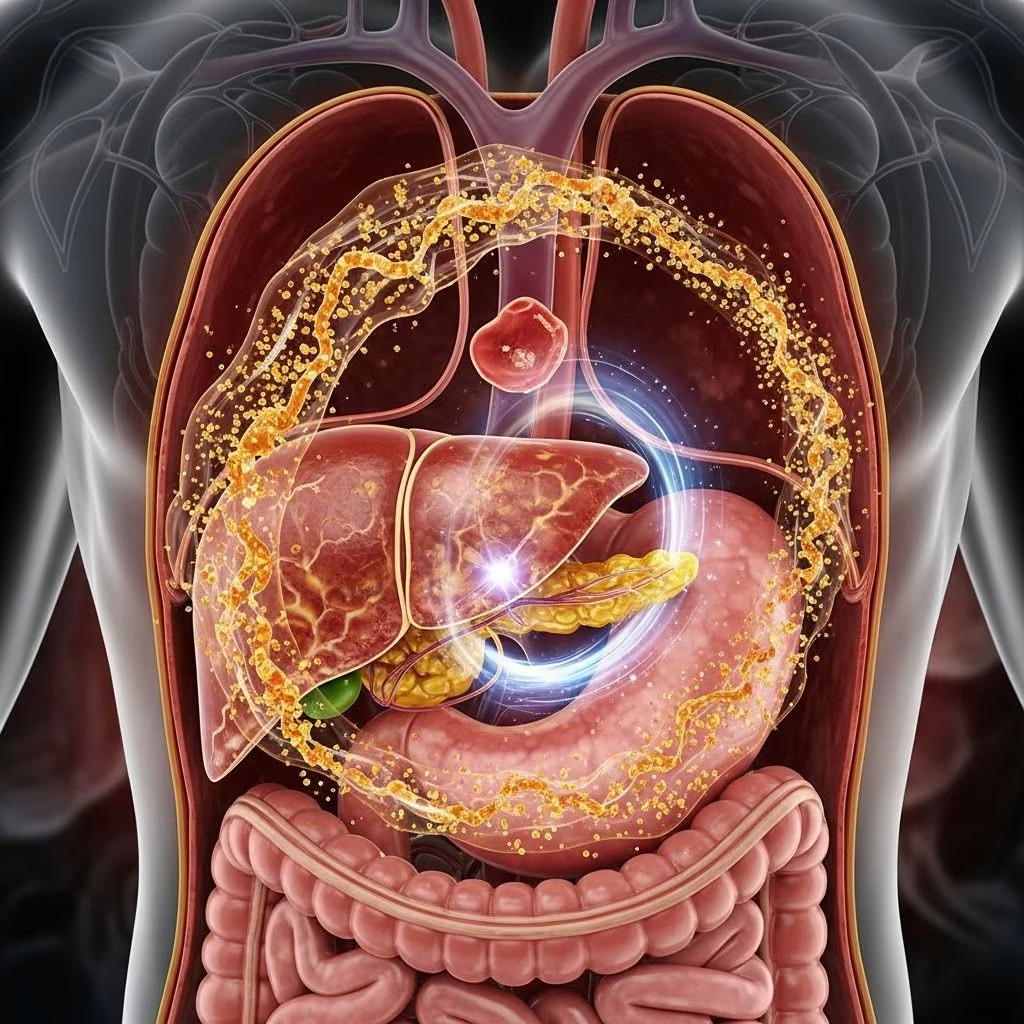
Ever finished a plate of cookies, a pint of ice cream, or half a box of donuts and wondered what you’d just done to your body? Occasional indulgence is familiar territory for most people, but the immediate and lasting impacts of a sugar binge might surprise you. Let’s take a science-backed tour through your body after a sugar overload, including the fast shifts in blood sugar, mood and cravings, and the longer-term health risks that can quietly accumulate over time.
What Is a ‘Sugar Binge’?
A sugar binge typically involves consuming high-sugar foods or drinks—often well above daily recommended amounts—in a short period. This can include soda, candy, pastries, sweetened cereals, or even seemingly healthy choices like fruit juice and sweetened yogurts.
- Average daily American intake: About 22 teaspoons of added sugar, far exceeding the American Heart Association recommendations.
- For context: A can of soda contains up to 9 teaspoons of sugar; a piece of fruit contains about 1 teaspoon, balanced by fiber.
First Stop: Your Blood Sugar Skyrockets
As you consume a large dose of sugar, your digestive system quickly breaks these simple carbohydrates down. This causes:
- Rapid rise in blood glucose (sugar) levels, peaking within 30 to 60 minutes following consumption.
- Insulin surge: Your pancreas releases insulin—a hormone that signals your cells to absorb excess glucose for energy or storage. This is your body’s attempt to restore balance.
If you consume a lot of sugar in a small window, you might experience symptoms such as:
- Jitters or a short-lived energy boost
- Racing heartbeat
- Feeling lightheaded, especially if you haven’t eaten anything else
Your Brain on Sugar
Sugar doesn’t just impact your body—it has a marked effect on your brain chemistry:
- Dopamine surge: Sugar activates the brain’s reward system (just like certain drugs), releasing dopamine, a ‘feel-good’ neurotransmitter.
- Reinforced cravings: Over time, recurring sugar rushes teach your brain to crave more sugar for that same reward, building a kind of tolerance.
- Mood swings: The initial sweetness high may be followed by irritability, anxiety, or sluggishness as blood sugar drops.
What Is a Sugar Crash?
After the rapid spike in blood sugar, a familiar crash often follows:
- Plummeting blood sugar: Insulin works swiftly, sometimes lowering your blood sugar below normal—especially after very high intakes.
- Symptoms: Fatigue, brain fog, headache, irritability, hunger (often for more sugar-rich foods).
- Cycling cravings: The crash can trigger renewed urge for a sweet fix, perpetuating a cycle.
What Happens to Your Metabolism?
While a single sugar binge won’t permanently wreck your metabolism, repeated episodes can have cumulative effects:
- Your liver under strain: Excess fructose in sugar is processed by the liver, where it’s converted to fat if not used for energy.
- Fat storage: Frequent sugar overloads encourage fat accumulation, especially around your midsection and internal organs (a precursor to nonalcoholic fatty liver disease).
- Insulin resistance risk: Over time, high insulin levels can make your cells less responsive, leading to higher blood sugar and increased risk of prediabetes or type 2 diabetes.
Sugar and Your Heart: More Than a Sweet Tooth Concern
Beyond blood sugar, a high-sugar binge can set the stage for heart health risks:
- Tense blood vessels: Chronic high insulin makes artery walls less flexible, raising blood pressure and heart disease risk.
- Cholesterol chaos: Studies link high sugar diets to changes in blood lipids—increasing triglycerides and ‘bad’ LDL cholesterol while decreasing ‘good’ HDL cholesterol.
- Inflammation: Large and frequent sugar spikes can promote inflammation throughout the body, another heart risk factor.
Impact on Other Organs
- Liver: May develop fat buildup over time (nonalcoholic fatty liver disease).
- Kidneys: High blood sugar can strain kidney function over time, especially in those with diabetes.
- Teeth and gums: Sugar fuels bacteria that cause dental decay and gum disease.
- Skin: High sugar intake has been linked to acne and premature skin aging.
Immune System Fallout
After a sugar binge, your immune system function can temporarily weaken:
- A study found white blood cell activity is lowered for several hours post-consumption, making infections easier to take hold during this window.
Long-Term Consequences of Frequent Sugar Binges
While the odd indulgence won’t derail your health entirely, repeated binges can accumulate harmful effects.
- Obesity: Sugar is calorie-dense and promotes overeating, increasing the risk of weight gain.
- Type 2 diabetes: Being overweight is the largest risk factor, but sugar also encourages insulin resistance over time.
- Heart disease: Consistently high added sugar intake raises blood pressure and disrupts cholesterol management.
- Liver disease: Nonalcoholic fatty liver disease is increasingly common with high sugar diets.
- Cancer risk: Excess sugar has been linked to some cancers, possibly due to inflammation and insulin resistance.
How Much Sugar Is Too Much?
What counts as a healthy daily limit? Leading health organizations recommend the following for added sugars (not the natural sugars in whole fruits, vegetables, or unsweetened dairy):
| Group | Recommended Limit (Teaspoons per Day) | Grams |
|---|---|---|
| Women | 5 | 20 |
| Men | 9 | 36 |
| Children | 3 | 12 |
Note: A single 12 oz can of soda can contain up to 9 teaspoons (36 grams) of sugar.
Sneaky Sources of Added Sugar
- Breakfast cereals and granola bars
- Yogurt and flavored milks
- Bread and crackers
- Ketchup, sauces, dressings
- Frozen dinners and packaged foods
- Fruit juice (as much sugar per ounce as soda)
Dealing with Sugar Cravings After a Binge
The aftermath of a binge can stoke even greater cravings for sweetness, driven in part by dopamine and blood sugar imbalances. If you’re working to get back to balance, here are healthy strategies:
- Don’t skip meals: A protein-rich breakfast stabilizes blood sugar and can prevent overeating later.
- Focus on fiber: Foods high in fiber (whole fruits, veggies, legumes, whole grains) slow sugar absorption and blunt glucose spikes.
- Hydrate: Thirst and dehydration can be mistaken for hunger or craving.
- Engage in physical activity: Light exercise helps reset blood sugar and improve mood.
- Practice patience: It can take several days to a week for your cravings and energy to stabilize after a binge.
- Plan for the future: Keep healthy snacks on hand; recognize triggers that lead to sugar binges.
Debunking Common Sugar Myths
- Myth: “Natural” sweeteners (raw sugar, agave, maple syrup) are much healthier.
Fact: All added sugars, regardless of source, have similar metabolic effects. - Myth: Fruit juice is healthier than soda.
Fact: Fruit juice contains just as much sugar per ounce as soda and lacks the fiber that helps regulate blood sugar. Restrict to small servings. - Myth: Eating sugar causes diabetes.
Fact: Sugar itself doesn’t directly cause diabetes, but excess calories and obesity raise the risk for type 2 diabetes. Sugar encourages overeating and metabolic dysfunction over time.
How to Recover from a Sugar Binge
It’s possible—and healthy—to bounce back from a sugar rush without falling into a guilt trap. Try these tips:
- Eat a balanced meal for your next snack or meal (protein, healthy fats, vegetables/whole grains).
- Avoid restrictive “punishments”—focus instead on nourishment and regular movement.
- Get adequate sleep—poor sleep worsens cravings and self-control.
- Monitor your mood and energy; if prolonged symptoms persist, consult a healthcare professional.
Frequently Asked Questions (FAQs)
Q: Is an occasional sugar binge really that bad?
A: An occasional binge won’t permanently harm most healthy people, but frequent episodes increase health risks over time and may reinforce cravings.
Q: Why do I get headaches or feel tired after eating a lot of sugar?
A: Blood sugar rises rapidly after a sugar binge, followed by a swift insulin response that may drop your blood sugar below normal—leading to headaches, tiredness, and mood swings.
Q: If I binge on sugar, should I skip my next meal?
A: No, skipping meals can cause further instability in blood sugar and cravings. Opt for a healthy balanced meal instead.
Q: Is fruit sugar (‘natural sugar’) just as bad as table sugar?
A: Whole fruit also contains fiber, water, and nutrients that slow sugar absorption, making it metabolically healthier than added sugars found in processed foods or juices.
Q: Does bingeing on sugar ‘addict’ my brain?
A: Repeated activation of brain reward pathways by sugar can create increased craving patterns and a cycle of dependence, though not as intense or dangerous as drug addiction.
Key Takeaways: Protecting Your Health from Sugar Overload
- Indulgence isn’t the enemy, but awareness of the effects of sugar binges can help you make better choices more often.
- Recognize hidden added sugars in processed foods and drinks.
- After a binge, focus on returning to healthy, balanced eating and self-care.
Healthier habits, not perfection, are key to long-term wellness.
References
- https://www.prevention.com/food-nutrition/healthy-eating/g20442040/weird-effects-sugars-having-on-your-body/
- https://www.prevention.com/health/a65191313/what-happens-to-your-body-when-you-stop-eating-sugar/
- https://www.prevention.com/food-nutrition/healthy-eating/a34932283/how-much-sugar-to-eat-in-a-day/
- https://www.prevention.com/weight-loss/a20434198/the-effects-of-a-sugar-binge/
- https://www.prevention.com/health/health-conditions/a20438294/beat-your-sugar-and-starch-addiction/
- https://www.prevention.com/weight-loss/a20472840/how-to-prevent-binge-eating/
- https://pmc.ncbi.nlm.nih.gov/articles/PMC2235907/
- https://www.mayoclinic.org/diseases-conditions/eating-disorders/symptoms-causes/syc-20353603


