


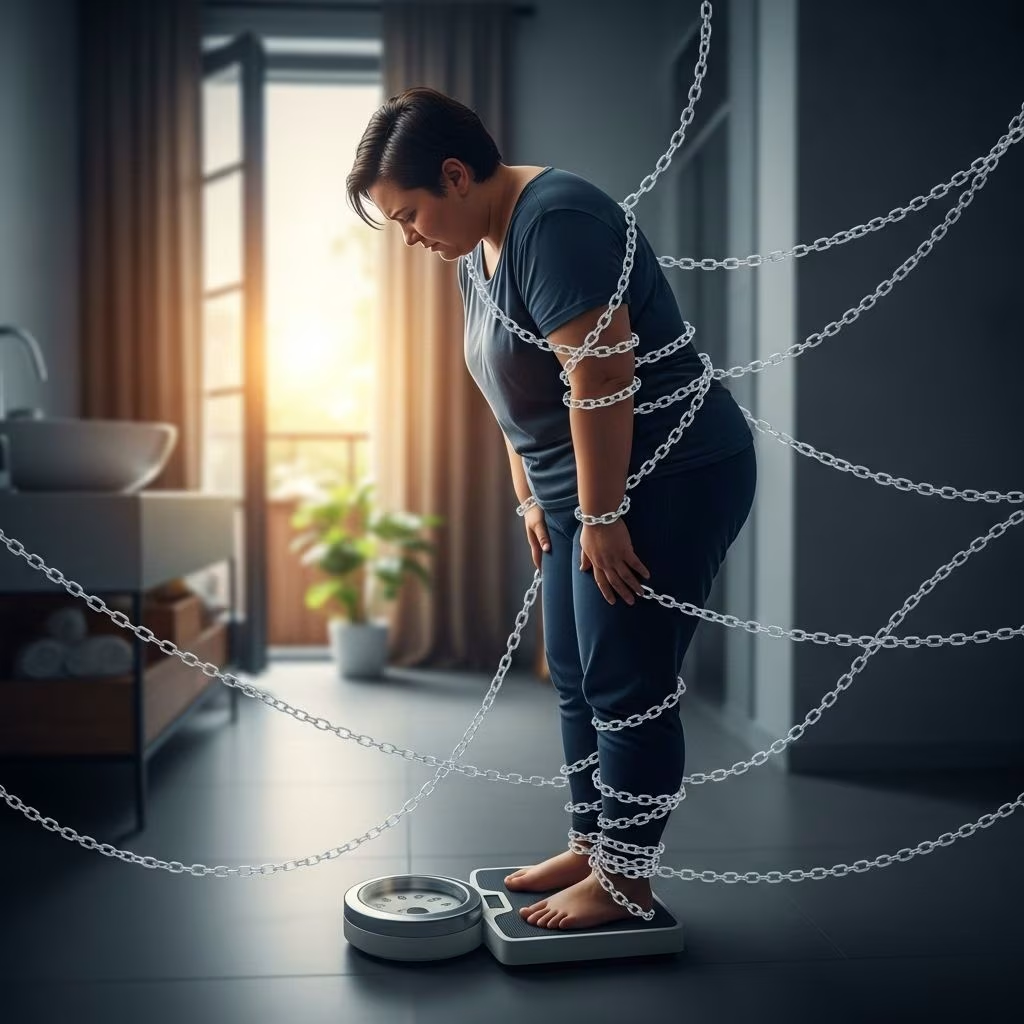
Why Your ‘Ideal Weight’ Could Be Sabotaging Your Weight Loss
For decades, people have chased after the elusive ‘ideal weight,’ hoping that reaching a target number on the scale will unlock happiness, confidence, and health. But experts say this narrow focus can do more harm than good. The fixation on a single number—often plucked from outdated BMI charts or glittery magazine covers—rarely accounts for how our bodies actually work, and it may in fact be the reason many struggle to shed pounds and keep them off.
The Powerful Pull of the ‘Ideal Weight’
Society’s idea of ideal weight is everywhere: calculators, charts, celebrity tales of astonishing transformation. But these standards don’t account for individual differences in genetics, metabolism, or health history. Many people find that even their best efforts can’t get them close to their so-called perfect weight—or if they do, staying there feels impossible.
- ‘Ideal weight’ is often derived from BMI calculators, insurance tables, and social standards—none of which reflect unique body composition or health needs.
- Pursuing an external number instead of personal wellness goals can increase stress, anxiety, and frustration.
Understanding Set Point Theory: The Science Behind Your Body’s Weight Regulation
Researchers have discovered that our bodies tend to defend a certain weight range, called the set point. If you eat less or exercise excessively to drop below your set point, your body responds with powerful biological defenses designed to protect you from losing weight, slowing metabolism and ramping up hunger hormones.
- Set Point: The internal weight range your body strives to maintain through metabolic, hormonal, and neurological mechanisms.
- Weight loss below this range can prompt persistent hunger, energy conservation, and even changes in how your body burns calories.
- Crash diets or rapid weight loss often provoke a strong urge to regain lost pounds, sometimes landing people heavier than before.
While the exact weight range varies person to person, set points can be subtly altered over time—but they do not always align with cultural ideals or low numbers on a chart.
Why Set Point Matters
- Trying to consistently stay below your set point can set you up for chronic dieting, yo-yo weight cycles, and mental burnout.
- Experts recommend focusing on healthy behaviors over scale numbers to shift your set point gradually and sustainably.
The Psychological Trap of Pursuing an ‘Ideal Weight’
Obsession with an arbitrary goal weight can foster unhealthy attitudes towards food, exercise, and self-worth. It encourages people to see food as either ‘good’ or ‘bad,’ triggering guilt, deprivation, and binge cycles. The frustration of missing your ‘ideal’ can sap motivation and self-esteem, moving you further from genuine well-being.
- Mental strain: Focusing solely on the scale can create anxiety and stress, harming mental health.
- Unrealistic expectations: Many people set goals far below their biological or sustainable weight, ensuring disappointment.
Weight loss should be measured not just by pounds lost but by non-scale victories: improved energy, confidence, mood, strength, and medical markers.
Dieting and the Trap of Major Restrictions
Most popular diet plans emphasize drastic calorie cuts or rigid food rules. Not only are these unsustainable for most people, but they also provoke your body’s defenses and set you up for bingeing or weight regain when the diet inevitably ends.
- Highly restrictive diets are associated with nutrient deficiencies, fatigue, and a yo-yo dieting cycle that is harder on your metabolism.
- Extreme weight loss efforts can undermine confidence and leave you further from your weight or health goals than when you started.
Focusing on Behaviors, Not Numbers: The Shift That Leads to Lasting Weight Loss
Experts now recommend a paradigm shift from weight-oriented goals to behavior-oriented ones. This approach emphasizes:
- Nutrient-rich foods: Making most meals from whole, unprocessed options like fruits, vegetables, whole grains, lean proteins, and healthy fats.
- Balanced eating: Including carbohydrates, fat, and protein at every meal to ensure satiety and stable blood sugar.
- Physical activity: Moving often in ways you enjoy, focusing on consistency rather than intensity alone.
- Sleep and stress management: Prioritizing rest and emotional health, both critical for hormone balance and appetite regulation.
This approach can yield better, more meaningful health results—even if the scale doesn’t plummet to a ‘magic’ number.
What Science Says About Modest Weight Loss
Research confirms that even modest weight loss—just 5% to 10% of your body weight—can lead to important health benefits, including:
- Lowered blood pressure and cholesterol
- Reduced risk of type 2 diabetes—each kilogram shed reduces diabetes progression risk by 16%
- Better sleep, energy, and mood
There is no requirement to reach a textbook ‘ideal weight’ to see dramatic improvements in your health and quality of life.
Why Most Diets Backfire
Most weight loss diets fail in the long run. Only a small percentage of dieters maintain significant weight loss after several years. The reasons include:
- Metabolic adaptation: Drastic calorie restriction forces your metabolism to slow down, burning fewer calories at rest.
- Increased hunger: Dieting boosts production of hunger hormones while decreasing those that promote fullness.
- Psychological backlash: Deprivation can amplify cravings, leading to cycles of overeating and guilt.
- Loss of muscle mass: Severe diets rarely preserve muscle, lowering your resting metabolic rate further.
Instead of chasing fad diets, focus on consistent, sustainable habits that become a natural part of how you eat, move, and live.
Common Myths About ‘Ideal Weight’ and Weight Loss
- Myth: There is one ‘ideal weight’ for every person.
Truth: Healthy weights are a range, and what is optimal for you depends on genetics, age, body composition, and current health. - Myth: You need to look thin to be healthy.
Truth: Health is much more than a number on the scale—fitness, strength, blood work, and lifestyle matter more. - Myth: Losing large amounts of weight quickly is effective.
Truth: Slow, sustainable loss preserves muscle, maintains your metabolism, and supports long-term success. - Myth: You failed if you can’t reach your ‘ideal.’
Truth: Your body may be healthiest at a higher weight than social standards suggest.
Setting Smarter, More Motivating Weight Loss Goals
Instead of setting goals based solely on the scale, consider aiming for:
- More energy for daily life
- Improved mobility and reduced aches
- Better lab results (cholesterol, blood sugar, etc.)
- Clothes that fit comfortably (regardless of size label)
- Stronger physical abilities (walking, running, lifting)
Focusing on positives that you control and can experience daily makes the journey both more rewarding and sustainable.
How to Start Losing Weight—The Healthy Way
- Reflect on Your Why: Get clear on the deeper reasons you want to improve your health or lose weight. Is it for energy, confidence, longevity, or family?
- Drop Perfectionism: Accept setbacks as learning experiences rather than failures.
- Focus on Daily Habits: Build routines around home-cooked meals, physical activity you enjoy, prioritizing sleep, and managing stress.
- Find Support: Seek friends, family, or a support group who celebrate progress and encourage healthy, realistic attitudes.
- Celebrate Non-Scale Victories: Notice the difference in your energy, attitude, sleep, and overall well-being as you build healthier habits.
FAQs: The Truth About ‘Ideal Weight’ and Lasting Weight Loss
Q: Is there really such a thing as an ‘ideal weight’ for everyone?
A: No. While tools like BMI provide ranges, real ideal weight is individual, depending on genetics, age, sex, muscle mass, and medical history. Wellness and fitness matter more than a fixed number.
Q: If my body has a set point, does that mean I can never lose weight?
A: You can lose weight, but doing so gradually and with a focus on habits is more effective and sustainable than rapid weight loss. Over time, a healthy lifestyle can gently lower your set point, but the focus should be on overall health, not chasing a specific weight set by others.
Q: Can losing just a little weight make a difference in my health?
A: Yes! Even a 5–10% reduction in body weight can significantly lower blood pressure, blood sugar, and your risk for chronic conditions.
Q: Are restrictive diets ever a good idea?
A: No. Diets that cut out entire food groups or drastically slash calories are generally unsustainable, have negative health effects, and often result in weight regain.
Q: What’s the best approach to healthy, long-term weight management?
A: Focus on eating nourishing foods, moving your body regularly, getting enough sleep, and keeping stress in check. Sustainability is much more important than speed or severity.
Take Action: Steps Toward Real Health
- Follow a balanced eating plan rich in whole foods rather than focusing on weight alone.
- Aim for gradual, maintainable weight loss—if any—rather than rapid drops.
- Honor your body’s signals for hunger and fullness.
- Define success based on health, joy, and energy—not a single number on your bathroom scale.
- Seek help from qualified professionals (such as registered dietitians) for personalized and evidence-based advice.
Key Takeaways
- ‘Ideal weight’ is a misleading concept that can undermine your physical and mental health.
- Your body may be healthiest at a weight higher than you or society expect.
- Focus on healthy behaviors instead—nutrition, sleep, stress reduction, regular movement—and celebrate your progress beyond the scale.
References
- https://www.prevention.com/weight-loss/diets/a63174975/best-diets-for-weight-loss-2025/
- https://pmc.ncbi.nlm.nih.gov/articles/PMC5497590/
- https://www.prevention.com/health/a65401665/expert-walking-tips-weight-loss/
- https://www.prevention.com/weight-loss/a20481618/right-weight-for-your-body/
- https://www.prevention.com/weight-loss/a20433457/why-you-should-let-go-of-weight-perfection/
- https://www.prevention.com/weight-loss/a20453482/body-weight-estimations-among-americans/
- https://www.prevention.com/weight-loss/diets/a60578947/how-to-lose-weight-fast-safely/
- https://www.prevention.com/weight-loss/
- https://www.prevention.com/weight-loss/a36065492/rethinking-body-weight/
- https://www.prevention.com/weight-loss/a42250066/age-related-weight-gain/


