


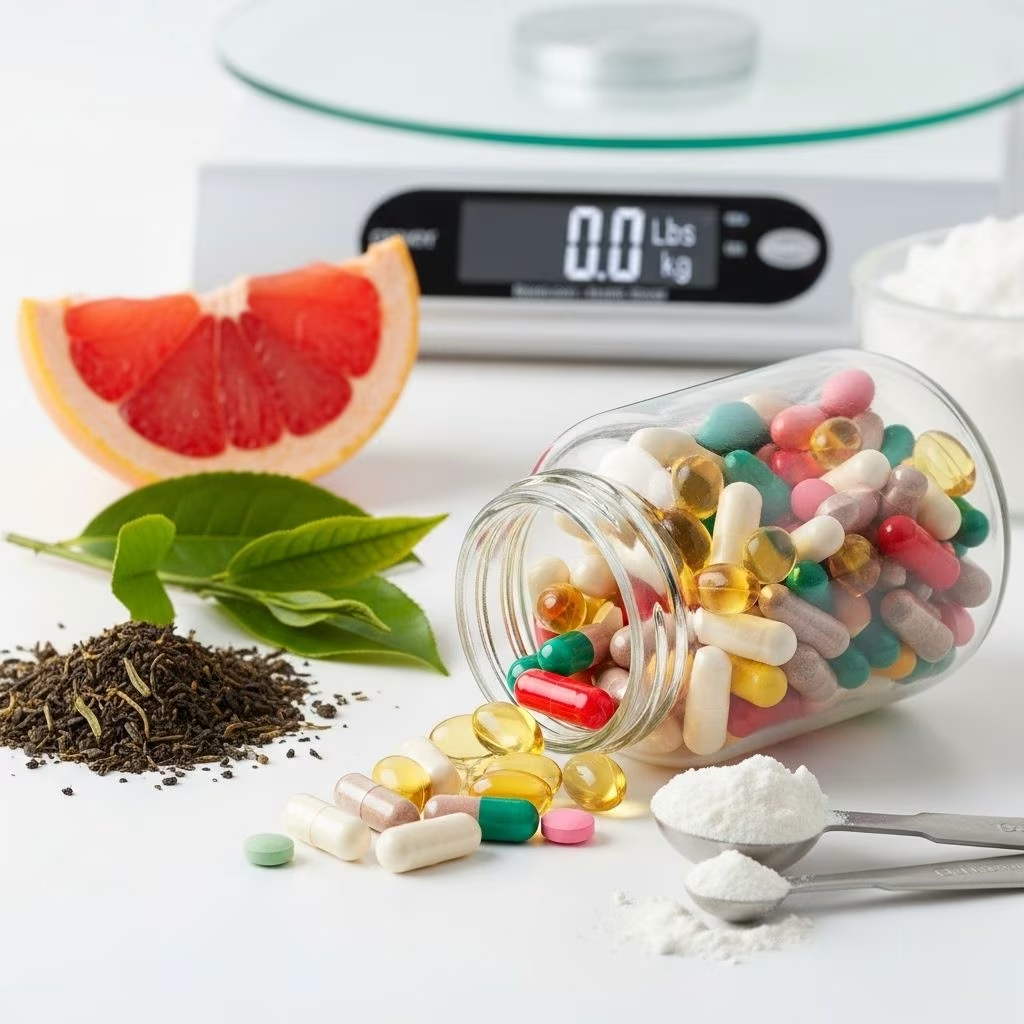
If you’ve browsed the shelves of a pharmacy or cruised the aisles of a health food store lately, you’ve almost certainly stumbled upon an overwhelming array of weight loss supplements. From herbal extracts and dietary fibers to fat burners and metabolism boosters, the options promise rapid results and effortless pounds shed. But with conflicting claims and questionable evidence, how much do these supplements truly help? And more importantly, are they safe? This comprehensive guide will answer your questions, evaluate the science, and help you make informed decisions regarding weight loss supplements and healthier alternatives.
What Are Weight Loss Supplements?
Weight loss supplements are products—sometimes labeled as pills, powders, drinks, or gummies—purported to help you lose weight by:
- Boosting metabolism
- Suppressing appetite or reducing hunger
- Blocking absorption of fat or carbohydrates
- Enhancing energy expenditure
These products typically contain herbal ingredients, fibers, minerals, or synthetic compounds. Despite their popularity, it’s crucial to realize most lack strong scientific backing and some can carry health risks.
Popular Weight Loss Supplements: What Science Says
Below is an overview of the most hyped weight loss supplements, what they’re supposed to do, and the scientific reality of their effectiveness and safety.
1. Green Tea Extract
Green tea extract is rich in antioxidants—especially catechins—believed to boost metabolism and increase fat burning. Some studies show modest weight loss results, notably in those already following calorie-restricted diets. A meta-analysis published in the International Journal of Obesity found that green tea extract can promote slight reductions in body weight and fat percentage. However, weight loss is generally minimal (often less than 5 pounds over several months), and effects may not be sustained without lifestyle changes.
Safety: Generally safe at typical doses, but high intake can potentially cause liver toxicity in sensitive individuals. Those sensitive to caffeine should also be cautious.
2. Garcinia Cambogia
Garcinia cambogia is a tropical fruit extract containing hydroxycitric acid (HCA), purported to block fat production and suppress appetite. Some small studies have found minimal (and statistically insignificant) reductions in weight.
Effectiveness: Mixed, with the Journal of Obesity concluding only a minor impact on body weight.
Risks: Side effects include digestive discomfort, headaches, and dizziness. Long-term safety remains uncertain.
3. Conjugated Linoleic Acid (CLA)
CLA is a fatty acid found naturally in dairy and meat products, often marketed as a fat-reducing, muscle-building supplement. Some research, including from the American Journal of Clinical Nutrition, reports modest fat mass reductions in overweight individuals.
Effectiveness: May result in slight body fat loss.
Risks: Long-term use may increase insulin resistance and lower beneficial cholesterol, raising the risk of heart issues. Common side effects include digestive upset, loose stools, and fatigue. More research is needed to assess long-term safety.
4. Glucomannan
Glucomannan, a fiber extracted from the root of the konjac plant, expands in your stomach to enhance fullness and may help reduce calorie intake. Some studies and a review by the Journal of the American College of Nutrition found slightly greater weight loss compared to placebo.
Effectiveness: Potentially helpful as a fiber supplement but not a magic bullet.
Risks: Can cause bloating, gas, or soft stools. It’s important to take it with plenty of water, as tablets (rather than capsules or powder) can occasionally present a choking hazard.
5. Chromium Picolinate
Chromium is an essential mineral involved in insulin function. Claims suggest it can reduce appetite, boost calorie burning, or decrease body fat—but a review of 24 studies found no significant benefit for weight loss.
Risks: Typically safe at low doses, but higher intakes can harm the kidneys. Avoid if you have kidney disease.
6. Chitosan
Chitosan is derived from shellfish and is claimed to block fat absorption. However, clinical evidence supporting these claims is weak. Some individuals may experience digestive side effects. Anyone with a shellfish allergy should avoid this supplement.
7. Other Common Supplements
- Apple Cider Vinegar: Limited scientific support; may help some with appetite suppression, but effectiveness for weight loss is unproven.
- Chia seeds and quinoa: Nutritious additions to meals and may aid fullness, but are not standalone weight loss cures.
Prescription Weight Loss Medications: A Look at the Evidence
For those with obesity or significant overweight, particularly when accompanied by other health risks, FDA-approved prescription weight loss medications may be an option. Unlike over-the-counter supplements, these drugs are only available under medical supervision and are extensively tested for safety and efficacy. Top prescription medications include:
| Medication (Brand) | Who Can Use It | Form | Frequency | Average Weight Loss* |
|---|---|---|---|---|
| Semaglutide (Wegovy, Ozempic) | Adults, Children 12+ | Injection | Weekly | Up to 14.9% |
| Tirzepatide (Zepbound, Mounjaro) | Adults | Injection | Weekly | Up to 22.5% |
| Liraglutide (Saxenda) | Adults, Children 12+ | Injection | Daily | ~8% |
| Phentermine-topiramate (Qsymia) | Adults, Children 12+ | Capsule | Daily | 7–11% |
| Naltrexone-bupropion (Contrave) | Adults | Tablet | 1–2 Daily | 5–9% |
| Orlistat (Xenical, Alli) | Adults, Children 12+ | Capsule | 3x Daily | ~5–7% |
| Setmelanotide (Imcivree) | Adults, Children 6+ (rare genetics) | Injection | Daily | Varies |
*Average percent of body weight lost in clinical trials over ~1 year. Individual results vary.
These drugs are intended as part of a comprehensive weight management program, including diet and exercise. They may be considered when lifestyle changes alone have not achieved meaningful results, and should always be prescribed and monitored by a healthcare professional.
Are Over-the-Counter Weight Loss Supplements Safe?
Many weight loss supplements are not regulated as strictly as prescription medications and may contain:
- Undisclosed active ingredients or contaminants
- Stimulants that can raise blood pressure or heart rate
- Substances banned or restricted in other countries
Reported risks include digestive distress, liver injury, kidney issues, high blood pressure, rapid heartbeat, anxiety, mood disturbances, and dangerous interactions with medications. The FDA has issued warnings or taken action against several weight loss products because of harmful or undeclared ingredients.
Why Most Supplements Don’t Deliver Lasting Results
Many supplements may produce short-term changes due to appetite suppression or diuretic effects, but few are associated with clinically significant, sustainable weight loss. Key reasons include:
- Minimal Calorie Deficit: Most supplements produce a very modest calorie reduction—far below what’s necessary for lasting weight loss.
- Short-Term Use: Effects, when present, often fade after initial use. The body adapts, or side effects preclude ongoing usage.
- Overblown Claims: Many rely on testimonials and marketing rather than robust clinical trials.
Dietary and lifestyle changes remain the most effective, sustainable path to weight management.
Healthier, Evidence-Based Strategies for Losing Weight
Instead of turning to unproven—and sometimes risky—supplements, choose safer, proven methods. Key recommendations include:
- Focus on whole foods: Enjoy vegetables, fruits, whole grains, lean proteins, nuts, and healthy fats. Avoid processed foods and excess sugar.
- Prioritize portion control: Eating mindfully and serving smaller portions helps prevent overeating.
- Increase daily activity: Regular physical activity not only burns calories but also supports heart health and overall well-being.
- Ensure adequate sleep: Poor sleep disrupts appetite hormones and sabotages weight loss efforts.
- Find a supportive environment: Engage family, friends, or professional support to stay motivated and accountable.
Warning Signs: Supplements to Avoid
The following red flags should prompt you to avoid a weight loss supplement:
- Promises of rapid or ‘miracle’ results
- Claims based on ‘ancient’ or ‘secret’ formulas with little supporting science
- Lack of transparency about ingredients and doses
- Products with a history of FDA warnings or recalls
Always discuss any supplement with your healthcare provider, especially if you have underlying health conditions or take other medications.
Frequently Asked Questions (FAQs)
Q: Can supplements replace diet and exercise for weight loss?
A: No supplement can replace the foundational effects of a balanced diet, reduced calorie intake, and regular exercise. Supplements at best offer minor additional benefits and are unlikely to produce significant or lasting weight loss on their own.
Q: Are ‘natural’ weight loss supplements always safe?
A: ‘Natural’ does not guarantee safety. Many herbal and botanical products can interact with medications or cause side effects. Always consult your physician.
Q: Do FDA-approved prescription weight loss medications work?
A: Yes, prescription medications like semaglutide (Wegovy, Ozempic), tirzepatide (Zepbound), and others have been shown to promote significant weight loss—as much as 15% to 22% of body weight in clinical trials—when combined with diet and lifestyle changes. These medications require medical supervision for safety and efficacy.
Q: Is it possible to lose weight and keep it off without supplements or medications?
A: Yes. Most people achieve meaningful, lasting weight loss through sustainable changes to eating patterns, activity levels, and lifestyle habits. Support from healthcare professionals or behavioral specialists may improve success rates.
Q: What should I watch out for when considering a weight loss supplement?
A: Be wary of unrestricted claims, opaque ingredients lists, lack of third-party testing, or products previously recalled for safety concerns. Look for scientific evidence and prioritize your long-term health over quick fixes.
Key Takeaways
- Most over-the-counter weight loss supplements have little evidence to support significant, lasting results. Some can cause harm, especially when overused or combined with medications.
- FDA-approved prescription medications may help certain individuals and must be overseen by qualified professionals.
- Behavioral changes—focusing on nutrition, activity, sleep, and support—are the safest, most sustainable ways to achieve and maintain a healthy weight.
If you’re considering any supplement—especially for weight loss—consult your healthcare provider first.
References
- https://www.hawaiipacifichealth.org/healthier-hawaii/eat-healthy/evidence-based-review-of-popular-supplements-functional-foods-used-in-weight-loss/
- https://obesitymedicine.org/blog/weight-loss-medications/
- https://www.webmd.com/vitamins-and-supplements/herbal-remedies
- https://ods.od.nih.gov/factsheets/WeightLoss-HealthProfessional/
- https://www.mayoclinic.org/healthy-lifestyle/weight-loss/in-depth/weight-loss/art-20046409
- https://my.clevelandclinic.org/health/treatments/9463-appetite-suppressants
- https://www.aarp.org/health/healthy-living/vitamins-supplements-weight-loss/
- https://pmc.ncbi.nlm.nih.gov/articles/PMC9099655/
- https://journalofethics.ama-assn.org/article/should-clinicians-ever-recommend-supplements-patients-trying-lose-weight/2022-05
- https://health.ucdavis.edu/blog/cultivating-health/can-weight-loss-medications-help-you-lose-weight/2024/08


