


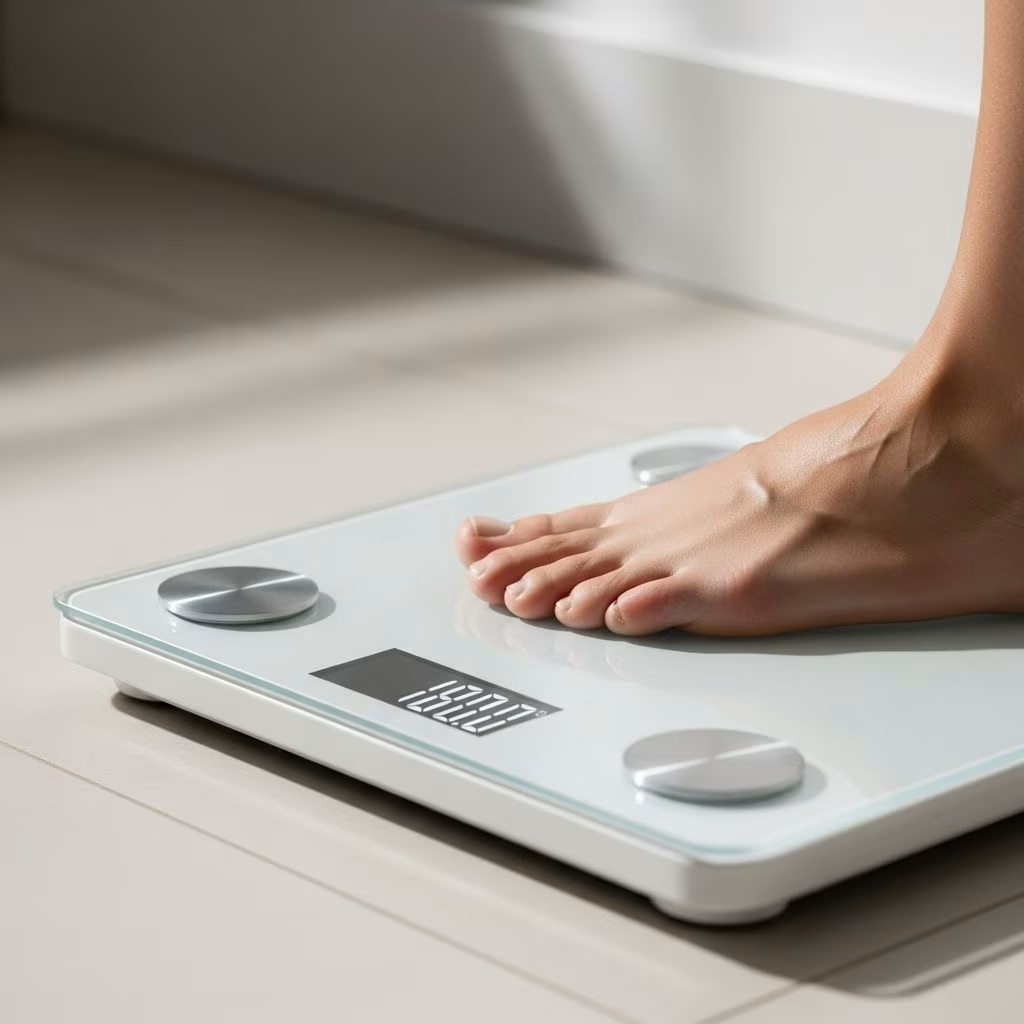
Why Your Scale Might Be Stuck: Unpacking Weight Loss Plateaus
\n
\nFor many adults embarking on a weight loss journey, stepping on the scale brings anticipation and anxiety. Initial progress often appears rapid, only for the numbers to stall unexpectedly after weeks or months. If you’ve ever wondered why your scale won’t budge despite your efforts, you’re not alone. Unraveling the scientific and psychological reasons behind these plateaus is essential for reshaping your approach and sustaining your momentum.\n
\n\n
The Reality of Weight Loss Plateaus
\n
\nA weight loss plateau is a period where your weight remains steady despite maintaining your diet and exercise regimen. Plateaus are common, normal, and rooted in complex changes occurring in your body’s chemistry, metabolism, and habits. Experts suggest that plateaus are often a sign of metabolic adaptation—a process where your body learns to function using fewer calories as your weight decreases, slowing fat loss in the process.
\nApplying scientific rigor, studies show that weight loss isn’t always linear. The body naturally fights to maintain its equilibrium, especially when significant changes occur in activity or eating patterns.
\n
\n\n
- \n
- Biological adaptation: As you lose weight, your metabolism slows, requiring fewer calories for basic functions.
- Caloric compensation: Exercise can unintentionally increase hunger, prompting you to eat more even if tracking suggests otherwise.
- Stress and sleep: Elevated cortisol and poor sleep can disrupt metabolism, worsening plateaus.
- Emotional factors: Frustration and self-doubt can affect your commitment, creating a vicious cycle.
\n
\n
\n
\n
\n\n
Common Causes for a Stalled Scale
\n
\nBefore considering stricter diets or longer workouts, examine these frequent—often overlooked—reasons your scale is stuck:\n
\n
- \n
- Water Retention: Even with fat loss, hormonal shifts, sodium intake, and menstrual cycles can mask your progress by increasing fluid retention.
- Increased Muscle Mass: Weight training builds muscle, which is denser than fat. You may be leaner but heavier on the scale.
- Hidden Calories: Small snacks, condiments, or drinks add up. Food journaling can reveal overlooked sources of excess calories.
- Digestive Factors: Slow digestion or constipation may add temporary weight, unrelated to fat loss.
- Unrealistic Expectations: Rapid early weight loss (water and glycogen stores) tapers as the body adjusts. Weight loss slows as you approach your natural set point.
\n
\n
\n
\n
\n
\n\n
Weight Loss Plateaus Are Normal—But Not Permanent
\n
\nAn enduring plateau doesn’t signal failure—it signifies progress and the need to adapt. Dietitians agree: periods of stability are part of every successful weight loss journey. Metabolic slowdown, stress, and small lifestyle pattern shifts can all contribute, but each carries a solution.
\nTo break through, understanding what’s happening inside your body and mind provides clarity and motivation.
\n
\n\n
- \n
- Metabolic Adjustment: As your body loses weight, it requires fewer calories to maintain itself. This adaptation can stall progress unless you adjust food intake or boost activity.
- Habituation: Doing the same exercises becomes less effective as your body gets used to them. Variety in workouts is key.
- Routine Fatigue: Sticking to the same foods and schedules can lead to loss of interest and unintentional deviations.
\n
\n
\n
\n\n
How to Restart Weight Loss: Science-Backed Strategies
\n
\nExperts recommend evaluating both your routine and mindset to identify opportunities for change. Breaking a plateau means working smarter, not harder.
\nTry these evidence-based approaches:\n
\n
- \n
- \n Reassess Your Caloric Needs:\n As your weight changes, so do your caloric requirements. Use updated calculations to ensure you’re not inadvertently overeating, even if amounts seem unchanged.\n
- \n Switch Up Your Workout:\n Add intervals, resistance training, or new activities to challenge different muscle groups and stimulate metabolism.\n
- \n Track Food Accurately:\n Use a journal or app to log every bite, revealing patterns and overlooked calories. Even small snacks matter.\n
- \n Focus on Non-Scale Victories:\n Celebrate improved energy, strength, sleep, and mental health. The scale doesn’t capture many aspects of physical improvement.\n
- \n Get Enough Sleep:\n Lack of sleep influences hunger hormones and fat storage. Aim for 7-8 hours nightly to bolster progress.\n
- \n Manage Stress:\n Chronic stress elevates cortisol, promoting fat retention. Incorporate mindfulness or relaxation techniques.\n
- \n Adjust Macros:\n Experiment with proportions of protein, fat, and carbohydrates to see what keeps you full and energized.\n
\n
\n
\n
\n
\n
\n
\n
\n\n
Mind Over Matter: The Psychology of Weight Loss Plateaus
\n
\nPsychology is a major player in the weight loss journey. Research shows that people who fixate solely on scale numbers are more likely to experience burnout, frustration, and rebounds.
\nInstead, adopting a process-focused mindset—valuing persistence, small daily wins, and non-scale achievements—leads to steadier and more sustainable progress.
\nExperiments reveal that individuals who use food and exercise journals, focus on resisting temptations, and measure success by their consistency lose more weight over time than those who just chase a target number on the scale.
\n
\n\n
- \n
- Process over Outcome: Track healthy habits, not just results.
- Positive Feedback Loops: Celebrate small behaviors (choosing water, taking a walk) to reinforce change.
- Resilience: Accept plateaus as normal; use them to learn, not criticize.
\n
\n
\n
\n\n
Beyond the Scale: How to Measure Real Progress
\n
\nThe scale can be misleading, particularly when body composition changes. Experts recommend tracking a diverse set of indicators:\n
\n
- \n
- Body Measurements: Track waist, hip, and arm circumference regularly.
- Fitness Improvements: Note increased endurance, strength, and flexibility.
- Energy and Mood: Improved mood and vitality are significant achievements.
- Medical Markers: Check blood pressure, cholesterol, and glucose as indicators of health, not just weight.
\n
\n
\n
\n
\n\n
Breaking Myths: Weight, Health, and Long-Term Success
\n
\nDespite cultural obsession with thinness, current research suggests that health is not defined solely by weight. Most people who lose significant weight regain it within five years, often feeling defeated by a system stacked against them.
\nMedical experts now stress that behavior—diet, movement, sleep, and stress management—is more important than a specific number on the scale. Your body can be healthy at a variety of sizes, and self-worth is never measured in pounds.
\n
\n\n
| Myth | Reality |
|---|---|
| Losing weight is always linear and straightforward. | Weight fluctuates due to body adaptation, water, muscle gains, and hormones. |
| The lower your weight, the healthier you are. | Health is determined by behaviors and medical markers, not just body size. |
| Plateaus signal failure. | Plateaus are normal phases signaling progress and the need to adapt your approach. |
\n\n
Expert Guidance: Adjusting Your Plan
\n
- \n
- Set Specific, Realistic Goals: Use SMART criteria—Specific, Measurable, Attainable, Relevant, and Time-bound—to sharpen your focus.
- Ask for Help: Seek input from registered dietitians, personal trainers, or support groups.
- Refresh Motivation: Revisit your original reasons and visualize success beyond the scale.
- Monitor Warning Signs: Identify behaviors or emotions that precede setbacks, such as late-night snacking or using food for comfort.
\n
\n
\n
\n
\n\n
Frequently Asked Questions (FAQs)
\n
Q: How long does a typical weight loss plateau last?
\n
A: Plateaus tend to last from a few weeks to several months. Consistent habit changes are usually required to break through.
\n\n
Q: Should I cut more calories if my weight stalls?
\n
A: Not necessarily. Too few calories can slow your metabolism further and cause fatigue. Instead, review both your intake and activity, aiming for small, sustainable adjustments.
\n\n
Q: Can medications or health conditions cause plateaus?
\n
A: Yes. Certain medications (like antidepressants, steroids) and conditions (thyroid disorders, PCOS) may impact your metabolism or fluid retention. Consult your healthcare provider if you suspect a medical cause.
\n\n
Q: Is weight training better than cardio for breaking plateaus?
\n
A: Resistance training builds muscle, which burns more calories at rest and may help break plateaus by changing your body composition and metabolic rate. Combining both types of exercise yields optimal results.
\n\n
Q: How do I stay motivated during a plateau?
\n
A: Focus on non-scale victories, set fresh goals, remind yourself that plateaus are temporary, and connect with others for support. Tracking habits and progress beyond weight can reinforce motivation.
\n\n
Actionable Strategies To Get Unstuck
\n
- \n
- Switch up your exercise routine: Try new workouts, incorporate HIIT, or experiment with outdoor activities.
- Reevaluate your food choices: Reduce processed foods, increase fiber and protein, and monitor liquid calories.
- Keep a food and mood journal: Tracking brings awareness to habits and emotional eating.
- Practice mindful eating: Slow down, savor, and eat without distractions.
- Identify and challenge negative beliefs: Turn setbacks into learning opportunities instead of self-criticism.
- Stay accountable: Share goals and progress with a trusted friend or group.
\n
\n
\n
\n
\n
\n
\n\n
Additional Reading and Resources
\n
- \n
- How Ignoring the Scale Can Help You Lose Weight
- Ways To Maintain Weight Loss for Good
- How to Break Through a Weight Loss Plateau
- Rethinking Body Weight and Health
\n
\n
\n
\n
\n\n
Final Thoughts: Redefining Success in Your Weight Loss Journey
\n
\nWeight loss plateaus can feel frustrating, but they’re part of every successful journey. Rather than chasing numbers alone, focus on sustainable habits, mental wellbeing, and holistic health. By using the strategies above, and reframing your mindset, you create a process that’s rewarding—regardless of where the scale lands.\n
\n
References
- https://pmc.ncbi.nlm.nih.gov/articles/PMC8497424/
- https://www.prevention.com/weight-loss/a20463225/how-ignoring-the-scale-can-help-you-lose-weight/
- https://www.prevention.com/weight-loss/a20435685/queing-jones-100-pound-weight-loss-success-story/
- https://www.prevention.com/weight-loss/g20506618/weight-loss-maintenance/
- https://www.prevention.com/weight-loss/g25859633/weight-loss-plateau-solutions/
- https://www.prevention.com/weight-loss/a36065492/rethinking-body-weight/
- https://www.prevention.com/weight-loss/a20504464/track-your-weight-loss-without-a-scale/
- https://www.prevention.com/fitness/a20485587/benefits-from-walking-every-day/
- https://www.prevention.com/food-nutrition/a38055984/how-to-make-your-metabolism-work-at-any-age/


