


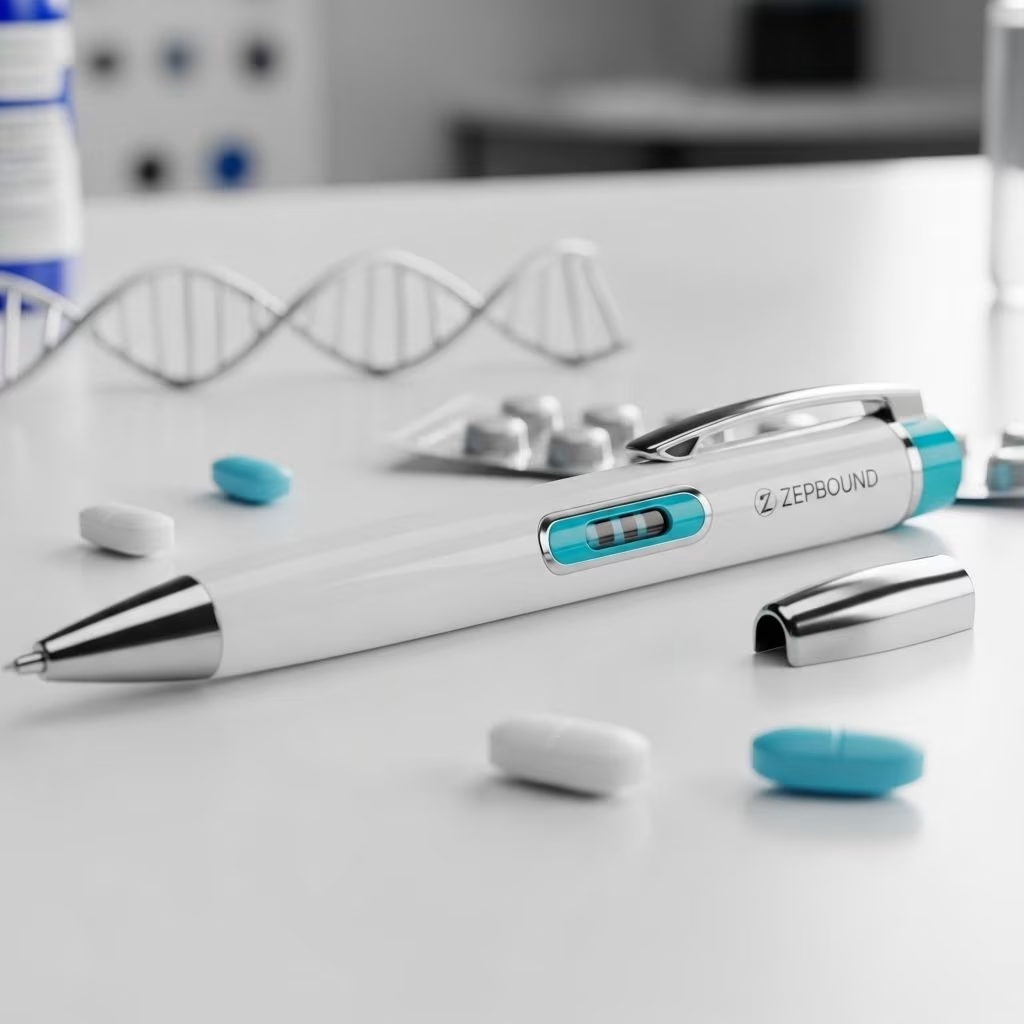
Zepbound has emerged as a promising new option in the realm of weight loss medications, especially for people who have struggled to achieve and maintain weight loss through diet and exercise alone. Approved by the FDA for chronic weight management, Zepbound’s unique approach and clinical results have ignited both interest and questions. Here’s a detailed look at how Zepbound works, who should consider it, its effectiveness, side effects, costs, and how it compares to similar drugs.
What Is Zepbound?
Zepbound is a brand-named, prescription injectable medication containing the active ingredient tirzepatide, a compound also used under the brand name Mounjaro for type 2 diabetes. As an anti-obesity drug, Zepbound was approved by the U.S. Food and Drug Administration (FDA) in 2023 for chronic weight management in adults who are either:
- Obese (with a body mass index [BMI] of 30 or higher)
- Overweight (BMI of 27 or higher) with at least one weight-related health condition, such as type 2 diabetes, high blood pressure, obstructive sleep apnea, high cholesterol, or heart disease
It is not available in oral pill form and must be administered by subcutaneous injection once a week, using a ready-to-use pen at home.
How Does Zepbound Work?
Zepbound acts by mimicking the activity of two gut hormones: GLP-1 (glucagon-like peptide-1) and GIP (glucose-dependent insulinotropic polypeptide). Both are incretins—hormones released after eating, which help regulate appetite, insulin secretion, and digestion. By activating these receptors, Zepbound achieves several effects:
- Suppresses appetite: Acts on the brain’s appetite centers to help you feel less hungry
- Slows stomach emptying: Keeps food in the stomach longer, promoting a sense of fullness
- Improves blood sugar regulation: Enhances insulin response, aiding in glucose management
These effects combine to help people reduce calorie intake, eat less, and lose weight over time, especially when combined with a reduced-calorie diet and increased physical activity.
Who Is a Candidate for Zepbound?
Zepbound is prescribed for adults who meet the following conditions:
- Have a BMI of 30 or higher (classified as obesity)
- Have a BMI of 27 or higher and at least one serious weight-related health problem, such as type 2 diabetes, high cholesterol, high blood pressure, obstructive sleep apnea, or heart disease
Zepbound is not designed for use by those who only want to lose a small amount of weight or for those who do not meet these criteria. Additionally, it may not be suitable for people who:
- Currently take other medications containing tirzepatide (like Mounjaro)
- Take other GLP-1 medications such as semaglutide (Ozempic, Wegovy)
- Have a history of pancreatitis
- Are currently using other weight loss medications or supplements
Always consult your healthcare provider to discuss eligibility and potential contraindications.
How Effective Is Zepbound for Weight Loss?
Clinical trials have shown that Zepbound can produce significant weight loss in people with obesity or overweight, particularly when used alongside lifestyle changes. Key findings from pivotal studies:
- Average weight loss: Up to 21% of body weight in some study participants without diabetes who used the highest Zepbound dose (15 mg) over 72 weeks
- For those with diabetes, the average weight loss was about 12% of initial body weight
- All tested doses (5, 10, and 15 mg weekly) produced statistically significant weight loss compared to placebo
- A significantly higher percentage of Zepbound users lost at least 5% of their body weight compared to placebo
These numbers make Zepbound one of the most effective anti-obesity medications currently available, especially for those who respond well to incretin-based therapies.
Dosing and Administration
Zepbound is administered via a once-weekly subcutaneous injection (under the skin). The dose is gradually increased over weeks to minimize side effects and determine the optimal effective dose. Available doses are:
- 5 mg
- 10 mg
- 15 mg (the highest approved dose)
A healthcare provider will guide dose increases, often starting at a lower dose and titrating upwards. Each injection comes in a pre-filled pen for easy at-home use.
How Zepbound Compares to Other Weight Loss Medications
| Medication | Main Ingredient | FDA-Approved Use | Average Weight Loss | Dosing |
|---|---|---|---|---|
| Zepbound | Tirzepatide | Chronic weight management | Up to 21% | Injection, weekly (5-15mg) |
| Mounjaro | Tirzepatide | Type 2 diabetes | Similar, but less for weight loss alone | Injection, weekly |
| Wegovy | Semaglutide | Chronic weight management | Up to 15% | Injection, weekly |
| Ozempic | Semaglutide | Type 2 diabetes (not for weight loss) | Less than Wegovy/Zepbound | Injection, weekly |
Both Zepbound and Wegovy are approved for chronic weight management in adults with obesity or overweight and at least one weight-related health issue. Zepbound’s dual hormone action (GLP-1 and GIP) is believed to account for its enhanced weight loss effects versus single-hormone GLP-1 drugs.
Potential Side Effects of Zepbound
Like most medications, Zepbound can cause side effects. The most common side effects are related to the digestive system and tend to occur most frequently as the dose is increased:
- Nausea
- Vomiting
- Diarrhea
- Constipation
- Abdominal pain
- Reduced appetite
These side effects typically lessen as your body adjusts, but they may recur with each dose increase.
Serious side effects can include:
- Pancreatitis (inflammation of the pancreas)
- Gallbladder problems
- Severe allergic reactions
- Low blood sugar (especially if combined with insulin or certain diabetes medications)
Boxed Warning: Zepbound has a boxed FDA warning for the possible risk of thyroid C-cell tumors, seen in some animal studies. It should not be used in patients with a personal or family history of certain types of thyroid cancer (such as medullary thyroid carcinoma) or Multiple Endocrine Neoplasia syndrome type 2. Tell your doctor about any history of thyroid issues before starting Zepbound.
What Should Be Considered Before Starting Zepbound?
Before beginning Zepbound, discuss the following considerations with your healthcare provider:
- History of pancreatitis, gallbladder disease, kidney problems, or diabetic eye disease
- Medications currently in use (especially other diabetes, weight loss, or GLP-1/GIP drugs)
- Pregnancy, breastfeeding, or plans to become pregnant (not recommended during pregnancy)
- History of medullary thyroid cancer or Multiple Endocrine Neoplasia syndrome type 2
Zepbound is not recommended for children or adolescents under 18 years old.
Cost and Insurance Coverage
The cost of Zepbound can be significant, as with many new specialty medications. Factors influencing cost:
- Insurance coverage: Many insurance plans may cover Zepbound for those who meet the FDA’s obesity or overweight diagnostic criteria. Coverage varies by insurer.
- Manufacturer coupons: Eli Lilly, the maker of Zepbound, may offer savings programs or discount cards to reduce out-of-pocket costs for eligible patients.
- Retail cost: Without insurance or rebates, the monthly price may be high; always check with your pharmacy or insurer for specifics.
Zepbound vs. Other Injections: Key Differences
The popularity of GLP-1-based and related weight loss injections has grown rapidly. Here’s how Zepbound stands out:
- Dual hormone action: Zepbound mimics both GLP-1 and GIP, whereas Wegovy and Ozempic only mimic GLP-1.
- More dramatic weight loss: Clinical trials show Zepbound’s average weight loss is higher, particularly at the top dose and among people without diabetes.
- Same medication as Mounjaro, different approval: While both use tirzepatide, Mounjaro is only approved for type 2 diabetes, whereas Zepbound is approved for weight management.
Frequently Asked Questions (FAQs)
Is Zepbound the same as Mounjaro?
No. Both contain tirzepatide, but Zepbound is specifically FDA-approved for weight management, while Mounjaro is approved for type 2 diabetes. Dosages and usage guidelines may differ based on intended use.
Can I take Zepbound if I already take Ozempic or Wegovy?
No. You should not combine Zepbound with other GLP-1 medications like Ozempic (semaglutide) or Wegovy (semaglutide). This can increase the risk of serious side effects and is not proven to enhance weight loss.
How quickly will I lose weight with Zepbound?
Weight loss begins within the first weeks but is progressive; most users see the full weight loss effect over 6 to 18 months, depending on dose and accompanying lifestyle changes.
Does insurance cover Zepbound?
It depends on your specific health plan, employer, diagnosis, and sometimes local regulations. Always check with your insurance provider about coverage details.
Does Zepbound have a pill version?
No, Zepbound is only available as a once-weekly injection.
Is Zepbound safe for people who want to lose just a few pounds?
No, it is intended for those with a BMI of 30+ or 27+ with comorbid conditions. It is not for mild weight loss or cosmetic use.
Are there people who should not take Zepbound?
Zepbound is not recommended for people with certain histories of thyroid cancer, pancreatitis, or those currently pregnant or breastfeeding. Other contraindications exist—consult your doctor.
What happens if I stop taking Zepbound?
Like many weight loss medications, stopping Zepbound may result in regaining lost weight, especially if lifestyle changes (diet, exercise) are not maintained.
Summary
Zepbound represents a significant advancement in medical weight management, providing a new, highly effective tool for adults with obesity or overweight and related medical conditions. While the results can be transformative, Zepbound is not a magic solution; it must be used as part of a comprehensive plan involving diet, exercise, and regular medical supervision. As with any medication, consult your doctor for personalized advice and monitoring, especially if you have existing health concerns or take other medications.
References
- https://www.baptisthealth.com/blog/weight-management/zepbound-what-you-should-know
- https://www.webmd.com/obesity/zepbound-weight-loss
- https://www.healthline.com/health/drugs/zepbound
- https://www.uchealth.org/today/zepbound-weight-loss-drug-compared-to-mounjaro-wegovy-ozempic/
- https://www.fda.gov/news-events/press-announcements/fda-approves-new-medication-chronic-weight-management
- https://zepbound.lilly.com/weight/what-is-zepbound
- https://zepbound.lilly.com
- https://www.mayoclinic.org/drugs-supplements/tirzepatide-subcutaneous-route/description/drg-20534045


