


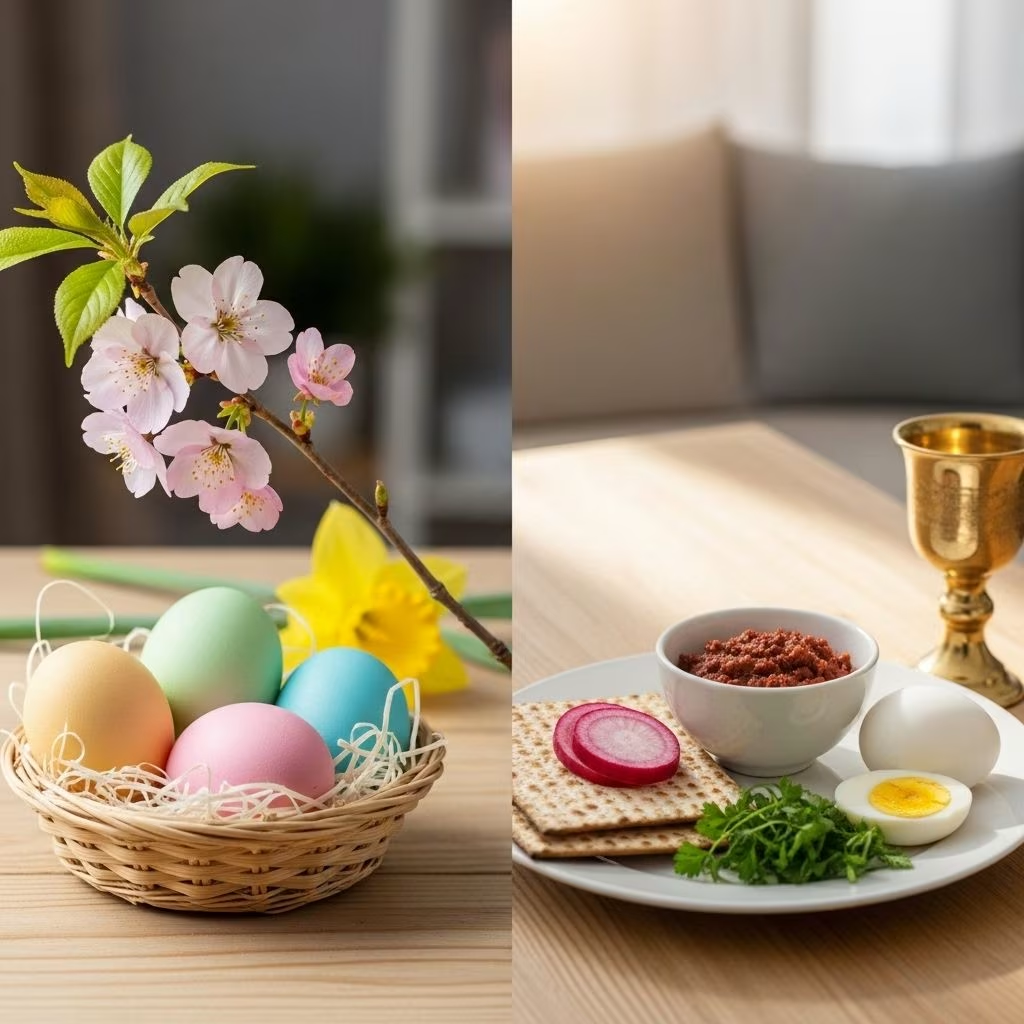
How to Celebrate Easter and Passover in an Interfaith Relationship
When Jewish and Christian holidays overlap, as with Passover and Easter, interfaith couples and families are uniquely positioned to create meaningful, integrative celebrations. Navigating both traditions can bring joy, depth, and even questions, but with intention and mutual respect, these holidays can help strengthen relationships and foster understanding across faith lines. This guide explores practical tips, major considerations, and heartfelt advice for celebrating Passover and Easter together.
Why Interfaith Holiday Celebration Matters
For many couples in interfaith relationships, exploring each other’s traditions isn’t just about logistics—it’s a chance to honor both backgrounds, deepen understanding, and establish new shared customs. Celebrating both Passover and Easter:
- Reinforces the importance of mutual respect and curiosity for each other’s heritage.
- Creates opportunities to share stories, values, and spiritual meaning.
- Sets a positive example for children, demonstrating inclusivity and tolerance.
Intentional dialogue and celebration can bring families closer, helping everyone appreciate the richness of both faith traditions.
Understanding Passover and Easter: Similarities and Unique Aspects
Though Passover and Easter are distinct in their histories and rituals, they share seasonal, symbolic, and sometimes thematic elements. Recognizing both similarities and differences is a good first step in planning joint celebrations.
| Aspect | Passover | Easter |
|---|---|---|
| Religious Significance | Commemorates the Israelites’ exodus from slavery in Egypt | Celebrates the resurrection of Jesus Christ |
| Main Rituals | Seder, storytelling, symbolic foods | Church services, festive meals, egg hunts |
| Home vs. Community | Primarily home-based (Seder meal) | Often begins with congregation, followed by family gatherings |
| Shared Symbols | Eggs (as a symbol of new life), springtime themes | Eggs, lamb, spring imagery |
| Connection between Holidays | The Last Supper was a Passover Seder | Easter often falls during Passover |
The overlapping of these holidays presents the opportunity for reflection and creative joint observance.
5 Practical Tips for Meaningful Celebration
Families and couples in interfaith relationships often chart their own course when holidays converge. Here’s how to start the conversation and create an atmosphere of mutual respect and festivity:
1. Communicate Clearly: What Will Be Celebrated and How?
Start with an open conversation about expectations. Ask each other:
- Which traditions or rituals are personally significant?
- Are there particular customs (Seder meal, church service, Easter egg hunt) each partner would like to include?
- How will you include extended family, especially those who may have strong feelings about particular observances?
Agree on which elements to blend, alternate, or keep separate to ensure both partners feel valued.
2. Learn About Both Holidays Together
Knowledge is the gateway to understanding:
- Exchange books, articles, or videos about the significance and customs of Passover and Easter.
- If possible, participate in each other’s traditions before the actual holiday (such as attending a Seder or church service with your partner).
- Ask questions! Curiosity builds empathy and connection.
For families with children, this process also models healthy interfaith dialogue and cultural literacy.
3. Be Open and Respectful of Differences
Difficult topics may arise, from dietary rules to differing beliefs about faith and redemption. Tips for navigating these moments:
- Honor the background of each faith. Discuss challenging aspects openly, such as the differing narratives regarding Jesus or the history of antisemitism. Clear, honest communication fosters growth rather than division.
- Keep the focus on shared values. Both holidays revolve around liberation, hope, and renewal.
- Be mindful of tone and language, especially during sensitive conversations, to avoid accidental exclusion or offense.
4. Create New and Inclusive Traditions
Blending traditions can be both joyful and creative:
- Consider structuring your celebrations so that each holiday receives dedicated time: Seder one night, Easter brunch or egg hunt the next day.
- Invent new family customs, such as crafting decorations that reference both holidays or serving dishes that incorporate elements from both traditions.
- For families, use storytelling to teach children about the symbolic meaning of Passover (Exodus, freedom) and Easter (renewal, hope).
Don’t feel restricted to ‘half-and-half’ observance: find what is meaningful for your particular relationship and family.
5. Celebrate the Spirit of Both Holidays
At their core, both Passover and Easter are about transformation, new beginnings, and the enduring power of hope. To honor both holidays:
- Reflect together on the themes both holidays share (liberation, renewal, gratitude, and love).
- Incorporate acts of kindness or charity—donate food, volunteer, or reach out to community members in need.
- Remember, the ultimate goal is connection, not perfection. Let this season bring you joy and togetherness.
Thematic Connections Between Passover and Easter
Over time, many have noted the deep symbolic parallels and historical overlaps between Passover and Easter:
- Freedom from Oppression: Both holidays commemorate liberation—Passover from slavery in Egypt, Easter from sin and death.
- The Last Supper: Many scholars connect Jesus’s Last Supper with the Passover Seder, highlighting the shared ritual and meals at the heart of both traditions.
- Spring and Renewal: Both are springtime celebrations emphasizing rebirth and hope, marked by symbols like eggs and green plants.
- Shared Foods: Eggs feature centrally in both holidays, representing life and new beginnings. Lamb or roast is common to both festive tables in many traditions.
Navigating Challenges and Family Dynamics
Celebrating major religious holidays in an interfaith context is not without its hurdles. Some potential challenges and suggested solutions include:
- Family Expectations: Grandparents and extended family may hold strong views about how holidays “should” be celebrated. Set clear boundaries as a couple, and communicate decisions with sensitivity.
- Dietary Restrictions: Passover’s dietary laws, such as avoiding leavened bread, may conflict with traditional Easter foods like hot cross buns. Choose menus that respect the needs of both traditions (e.g., serving kosher-for-Passover lamb for Easter dinner, offering matzo-based desserts).
- Children’s Identity: Children may have questions about their own religious identity. Approach their queries lovingly, emphasizing that it is possible—and beautiful—to honor both heritages.
Remember, every family is different. The key is honest assessment, good communication, and a willingness to adapt.
Sample Combined Holiday Schedule
Some families may find it helpful to organize their observances as follows:
- Friday Evening: Host a Passover Seder with friends and family, sharing the Exodus story.
- Saturday: Attend a community event or visit with both faith communities if possible.
- Sunday Morning: Attend Easter service, followed by an inclusive brunch (mindful of Passover food laws if relevant).
- Sunday Afternoon: Easter egg hunt for the kids, inviting Jewish and Christian family members to participate.
This approach recognizes and honors both traditions, giving space to each and allowing for joyful overlap.
Ideas for Inclusive Holiday Practices
Create your own rituals and moments of meaning. Here are some ideas:
- Craft dual-holiday decorations: Make centerpieces with symbols from both traditions (e.g., an egg mosaic featuring matzo pieces and painted Easter eggs).
- Story basket: Fill a basket with children’s books that explain both holidays in age-appropriate terms.
- Music and storytelling: Incorporate traditional songs from both celebrations; share the Exodus story and the resurrection narrative in inclusive language.
- Charity project: Organize a family volunteering opportunity or fundraiser aligned with the values of freedom and renewal.
Frequently Asked Questions (FAQs)
Q: Is it disrespectful to combine elements from both holidays?
A: Combining traditions can be respectful when done with intention and sensitivity. Engage all family members in conversation about what feels honoring and meaningful, and be open to feedback. Prioritize both learning and respect when incorporating unfamiliar rituals.
Q: What are some kid-friendly ways to celebrate both holidays?
A: Encourage questions during the Seder, organize an egg hunt, read stories from both traditions, and involve children in preparing foods associated with each holiday. Focus on interactive activities and let kids share what the holidays mean to them.
Q: How do you handle dietary conflicts (like Easter ham vs. Passover restrictions)?
A: Plan inclusive meals that respect everyone’s needs. Serve kosher-for-Passover dishes, offer vegetarian options, or create a “parallel” menu if needed. Communication ahead of time with all guests is essential.
Q: How should we approach religious services if we don’t both attend?
A: Each partner should feel free to participate at their comfort level—some families attend both a Seder and church service together, while others split up and regroup afterward for the meal. What matters is mutual support and honest dialogue about personal levels of comfort.
Q: What if extended family members are uncomfortable with our decisions?
A: It’s normal to encounter questions or resistance, especially from older relatives. Explain your choices calmly and lovingly, emphasizing that your intentions are to build connection, not erase anyone’s heritage. Set firm, kind boundaries as needed to protect your immediate family’s peace regardless of outside pressures.
Final Thoughts: Embracing the Beauty of Dual Traditions
Interfaith families have the unique privilege—and challenge—of bridging deep traditions. When celebrated with empathy, openness, and creativity, Passover and Easter can become times of genuine togetherness, learning, and love. Whether you alternate customs, blend rituals, or invent new ones altogether, the most important thing is intentionality: approach each holiday with respect, curiosity, and a willingness to grow together.
Wishing you a joyful, meaningful, and harmonious celebration season, rich with stories, songs, and the spirit of renewal.
References
- https://iffp.org/2023/04/06/how-to-talk-about-passover-easter/
- https://18doors.org/celebrating_easter_and_passover_in_interfaith_relationships/
- https://religiondispatches.org/the-convergence-of-passover-and-easter-can-unleaven-the-interfaith-familys-holiday/
- https://jewsforjesus.org/learn/10-crazy-connections-between-passover-and-easter
- https://www.jconnect.org/2022/03/passover-interfaith-families/
- https://www.bustle.com/articles/73598-how-to-celebrate-easter-and-passover-when-youre-in-an-interfaith-relationship
- https://www.ulc.org/ulc-blog/interfaith-celebration-passover-easter
- https://18doors.org/eggs_and_plagues_handling_easter_and_passover_in_our_interfaith_family/
- https://cincyjewfolk.com/2022/08/15/interfaith-family-celebrates-passover/


