Chinook Dog Breed Overview
The Chinook is a rare and versatile sled dog breed that originated in the United States, specifically in New Hampshire during the early 20th century. Known for their gentle disposition, intelligence, and impressive working abilities, Chinooks make excellent companions for active families and outdoor enthusiasts. Their unique combination of strength and sensitivity sets them apart from other Northern breeds.
History and Origin of the Chinook
The Chinook breed traces its roots to a remarkable dog named Chinook, born on Arthur Walden’s Wonalancet Farm in New Hampshire in 1917. Walden, an explorer and dog driver, sought to create a sled dog with the endurance and friendliness necessary for rigorous expeditions and family life. He started by pairing a Mastiff-type female with a descended member of Admiral Peary’s famous North Pole dog team, resulting in Chinook—a dog noted for his exceptional abilities and temperament.
- Chinook was one of three pups but distinguished himself through intelligence and athleticism.
- He became the star of sled-dog competitions and joined Admiral Byrd’s Antarctic Expedition in the 1920s.
- The breed continued through Chinook’s offspring, maintained by passionate breeders determined to ensure its survival despite near-extinction.
- The Chinook is New Hampshire’s official state dog, a reflection of its historical and cultural significance.
Today, Chinooks are still rare but thrive thanks to dedicated breed clubs and fanciers who cherish their unique qualities.
Appearance
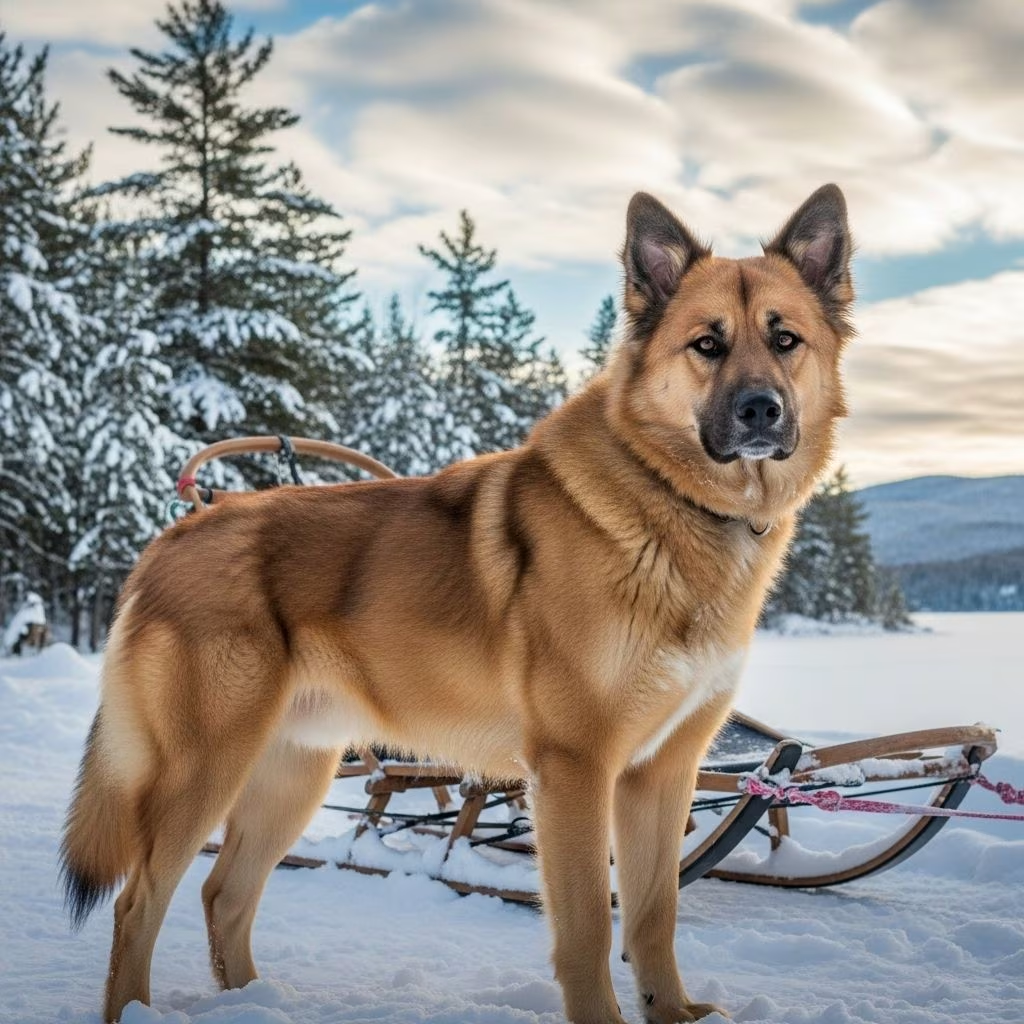
Chinooks exhibit a balanced, athletic silhouette that highlights their power and adaptability. They are neither oversized nor dainty, maintaining a muscular yet proportioned build ideal for both sledding and companionship.
| Feature | Description |
|---|---|
| Height | Males: 23–27 inches, Females: 21–25 inches at the withers |
| Weight | Males: ~70 pounds, Females: ~55 pounds |
| Coat | Double coat; medium-length, coarse outercoat, soft dense undercoat |
| Color | Tawny (light honey to reddish-gold); darker markings on muzzle and ears, buff markings allowed |
| Eyes | Brown to amber |
| Ears | Variable carriage; dropped is preferred |
| Tail | Well-furred saber; not a plume like Arctic breeds |
- Distinctive black markings on the corners of the eyes and muzzle are preferred.
- No white or non-tawny colors are accepted in official breed standards.
- Chinooks are typically free of exaggerations and maintain a natural, functional build.
Temperament and Personality
Chinooks are affectionate, calm, and people-oriented dogs renowned for their loyalty and gentle nature, especially toward children. They are highly trainable and eager to please, making them adaptable for a variety of activities and settings.
- Great with Children: Chinooks have a special affinity for kids, making them outstanding family dogs.
- Social and Gregarious: They typically get along well with other dogs and work effectively in teams.
- Reserved but never shy: While some Chinooks may be reserved around strangers, aggression or extreme shyness is not characteristic of the breed.
- Loyal and Faithful: Chinooks are known for forming strong bonds with their owners and thrive on companionship.
- Adaptable: They excel at switching between active jobs and relaxed home life.
Working Ability and Versatility
Originally bred as sled dogs, Chinooks have maintained their reputation as highly capable working animals. Their combination of endurance, intelligence, and willingness makes them suitable for a wide array of tasks.
- Sledding and Carting: True to their heritage, Chinooks are skilled draft dogs that can pull light to heavy loads.
- Obedience and Agility: This breed excels in obedience competitions and agility training due to its intelligence and trainability.
- Outdoor Activities: Chinooks love hiking, jogging, biking, backpacking, skijoring, scootering, camping, swimming, and boating.
- Therapy and Service Work: Their patience and friendliness make them suitable for therapy and assistance roles.
The Chinook Club of America lists AKC Breed Champions among Chinook dogs, with many participating in conformation, rally, tracking, nose work, tricks, barn hunt, and other events.
Care and Living Needs
Chinooks are generally low-maintenance in grooming but require substantial daily exercise and mental engagement to remain healthy and happy.
- Grooming: Their double coat needs weekly brushing to control shedding. During heavy shedding seasons, more frequent brushing helps keep fur under control.
- Exercise: Daily, vigorous exercise—such as running, agility courses, or outdoor play—is necessary due to their energetic nature.
- Training: Positive reinforcement methods work best, as Chinooks are sensitive and eager to learn.
- Diet: A diet formulated for active, medium-to-large working dogs is ideal.
- Living Environment: Chinooks adapt well to family living but do best when they are given jobs or activities, whether formal work or play.
Health and Longevity
The Chinook is considered a generally healthy and robust breed, especially compared to some other working dogs. However, as with all breeds, some inherited health concerns can occur, so responsible breeding and regular veterinary care are essential.
- Life Expectancy: Generally 12–15 years with proper care.
- Common Health Issues:
- Hip dysplasia
- Eye disorders
- Occasional skin sensitivities
- Preventative Care: Support health with regular checkups, vaccinations, and attention to weight and joint health.
Breed Recognition and Status
The Chinook is recognized by major kennel clubs and breed organizations:
- United Kennel Club (UKC): Recognized March 1991.
- American Kennel Club (AKC):
- Entered AKC Foundation Stock Service: 2001
- Accepted into Miscellaneous Class: 2010
- Full AKC Recognition (Working Group): 2013
- Chinook is the official state dog of New Hampshire.
Despite these recognitions, Chinooks remain a rare breed with a small but enthusiastic group of owners and breeders dedicated to maintaining breed standards and promoting healthy, well-adjusted dogs.
Is the Chinook Right for You?
Chinooks thrive in homes where they have a purpose, belonging to active families or individuals who can meet their exercise and companionship needs. Before choosing a Chinook, consider the following:
- Do you have time and space for daily exercise and play?
- Are you looking for a gentle, child-friendly companion?
- Do you enjoy outdoor activities that a dog could join?
- Can you provide structured training and mental stimulation?
- Will you commit to grooming and preventative health care?
If you answered yes, a Chinook may be a rewarding addition to your household.
Finding and Welcoming a Chinook
Given their rarity, locating a responsible Chinook breeder is critical. Breed clubs such as the Chinook Club of America offer resources for prospective owners, including lists of breeder-participants and opportunities to meet Chinooks in person.
- Contact breed clubs for referrals and advice.
- Meet breeders and their dogs (many clubs host breed meetups).
- Discuss health, temperament, and training practices before committing.
- Consider rescue or adoption through dedicated Chinook organizations.
Responsible breeders will prioritize health, temperament, and the preservation of the Chinook’s unique working spirit.
Frequently Asked Questions (FAQs)
Q: What distinguishes Chinooks from other sled dogs?
A: Chinooks are known for their gentle, child-friendly temperament, reliability as working dogs, and unique tawny coloring. Unlike some Northern breeds, Chinooks are more oriented toward people and family life.
Q: Are Chinooks suitable for apartment living?
A: They adapt well but require vigorous daily exercise and ample mental stimulation. Ideally, they thrive in homes with access to outdoor activities.
Q: How much grooming do Chinooks need?
A: A weekly brushing is usually sufficient, with increased frequency during shedding seasons. Their coat is designed to be low maintenance.
Q: Do Chinooks get along with other pets?
A: Most Chinooks are social and enjoy the company of other dogs, especially when properly introduced and trained.
Q: What activities are best for Chinooks?
A: Chinooks excel at sledding, carting, hiking, agility, therapy work, and virtually any outdoor pursuit due to their versatility and endurance.
Summary Table: Chinook Breed At-a-Glance
| Trait | Description |
|---|---|
| Origin | New Hampshire, USA |
| Height | 21–27 inches |
| Weight | 45–90 pounds |
| Coat | Double; medium-length; tawny color |
| Temperament | Affectionate, trainable, child-friendly |
| Exercise Needs | High |
| Life Expectancy | 12–15 years |
Resources and Breed Clubs
The Chinook Club of America offers extensive information, support for new owners, and guidance on breeding, training, and care. Community involvement helps keep the breed healthy and visible.
- Extensive network of breeders and enthusiasts.
- Breed meetups, educational events, and litters available via club contacts.
- Support for breed recognition and preservation.
Conclusion
The Chinook offers the perfect blend of working power, gentle temperament, and adaptability for a wide range of activities. Their history as expedition dogs and their devotion as companions make them a rare and treasured breed. Whether racing down snowy trails, joining in family adventures, or showing in the ring, Chinooks remain the embodiment of canine versatility and loyalty.
References
- https://www.akc.org/dog-breeds/chinook/
- https://www.akc.org/expert-advice/lifestyle/7-facts-chinook/
- https://en.wikipedia.org/wiki/Chinook_(dog_breed)
- https://www.chinookclubofamerica.org
- https://www.webmd.com/pets/dogs/what-to-know-about-chinook-dog-breed
- https://www.chinookclubofamerica.org/chinook-history.html
- https://www.nylabone.com/dog101/chinook
- https://www.ukcdogs.com/chinook