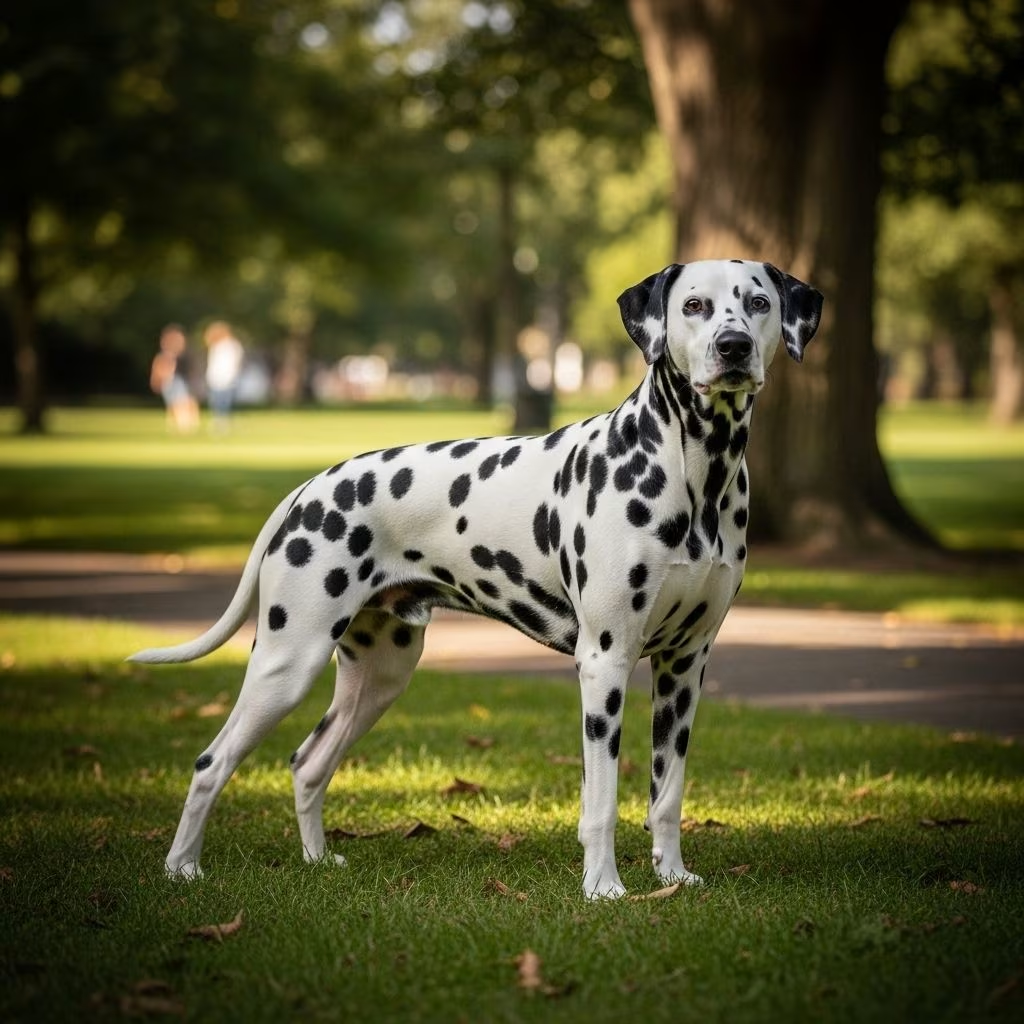
The Dalmatian stands as one of the most recognizable dog breeds in the world, instantly identifiable by its distinctive white coat adorned with black or liver-colored spots. This muscular, athletic breed has captured hearts for centuries, serving in various capacities from carriage dogs to firehouse mascots. Understanding the Dalmatian’s unique characteristics, care requirements, and temperament is essential for anyone considering adding this energetic companion to their family.
Breed Overview and Physical Characteristics
The Dalmatian presents a striking appearance that combines elegance with athleticism. This distinctively spotted dog exhibits a poised and alert demeanor, showcasing strength, muscularity, and exceptional activity levels. The breed’s symmetrical outline and intelligent expression reflect a dog capable of great endurance combined with considerable speed.
Adult Dalmatians typically stand between 19 and 23 inches tall at the withers, with the overall body length from forechest to buttocks approximately equal to their height. This creates a balanced, square proportion that contributes to their athletic capabilities. The breed demonstrates good substance with strong, sturdy bone structure without appearing coarse or overly heavy.
The head maintains balance with the overall body, featuring a fair length and remaining free of loose skin. The skull is flat with a slight vertical furrow and measures approximately as wide as it is long. The moderately well-defined stop leads to a powerful muzzle that runs level and parallel to the top of the skull, with both the muzzle and skull being roughly equal in length.
The Famous Dalmatian Coat and Spots
The Dalmatian’s most distinctive feature remains its spotted coat pattern, which develops in a fascinating progression. Dalmatian puppies enter the world with plain white coats, and their first spots typically appear within the first 10 days of life, though spots may be visible on their skin from birth. The spot development continues until the dog reaches approximately 18 months of age.
These spots usually range in size from 2 to 6 centimeters in diameter and most commonly appear in black or liver (brown) coloration on a white background. Liver represents the recessive color in Dalmatians, meaning both parents must carry the liver gene to produce liver-spotted puppies. When both parents are liver, all puppies will display liver spots. Black-spotted dogs consistently have black noses, while liver-spotted dogs always feature brown noses.
The coat itself is typically short, fine, and dense, though smooth-coated Dalmatians occasionally produce long-coated offspring. While long-coated Dalmatians are not accepted by breed standards, these individuals experience significantly less shedding than their smooth-coated counterparts. The standard variety’s short, stiff hairs often weave into carpet, clothing, and upholstery, proving difficult to remove. Weekly grooming with a hound mitt or currycomb can reduce shedding amounts, though nothing completely prevents it.
Temperament and Personality Traits
Dalmatians exhibit a loyal, loving, and energetic temperament that demands an active lifestyle. The breed displays intelligence and alertness, indicating a stable and outgoing disposition. These dogs are free of shyness and demonstrate affectionate behavior with family members, though their energy levels and size make them better suited for families with older children rather than young ones.
With strangers, Dalmatians tend to be reserved, displaying a natural wariness that makes them effective watchdogs. This reserved nature doesn’t translate to aggression but rather to a discerning personality that takes time to warm up to new people. Proper socialization from an early age helps Dalmatians develop appropriate responses to various situations and individuals.
The breed’s high energy levels and need for regular exercise cannot be overstated. Dalmatians require substantial daily physical activity and mental stimulation to remain healthy and well-adjusted. Without adequate exercise, these dogs may develop behavioral problems stemming from pent-up energy and boredom.
Historical Background and Purpose
The Dalmatian’s origins trace back to Croatia and its historical region of Dalmatia, though the breed’s exact ancestry remains somewhat mysterious. Early ancestors of the breed likely included certain pointer breeds and a spotted Great Dane. Genetically, Dalmatians group among retrievers, though they don’t strongly align with any established modern breeds.
The breed is remarkably old and has served many different purposes throughout history. Originally bred as hunting dogs, Dalmatians later became famous as carriage dogs, running alongside horse-drawn vehicles to guard them and clear the path. This role proved particularly valuable to firefighters in the days of horse-drawn fire carriages, establishing the enduring association between Dalmatians and fire departments that persists today.
This versatile working background contributes to the Dalmatian’s exceptional endurance and stamina. The breed was developed to run for miles alongside carriages, requiring both physical capability and mental fortitude. These historical demands shaped the Dalmatian into the athletic, energetic companion we know today.
Physical Structure and Movement
The Dalmatian’s physical structure reflects its heritage as a working and carriage dog. The neck is nicely arched and fairly long, remaining free from throatiness while blending smoothly into well-laid-back shoulders. The topline maintains a smooth, level appearance, supported by a strong back and short, muscular, slightly arched loin.
The chest is deep and capacious with moderate width, featuring good spring of rib without barrel-shaped appearance. The brisket reaches to the elbow, and the underline of the rib cage curves gradually to a moderate tuck-up. The croup remains nearly level with the back, and the tail serves as an extension of the topline, inserted at an appropriate height.
The forequarters feature smoothly muscled, well-laid-back shoulders with upper arms approximately equal in length to the shoulder blades. This angulation ensures that the foot falls under the shoulder, promoting efficient movement. The legs are straight, strong, and sturdy in bone with a slight pastern angle denoting flexibility.
Hindquarters demonstrate power with smooth yet well-defined muscles. The stifle is well bent, and the hocks are well let down, creating proper rear angulation for driving power. When standing, the hind legs appear parallel to each other from the point of the hock to the heel of the pad when viewed from behind.
Exercise and Activity Requirements
Dalmatians are best suited for active families who can provide the substantial exercise this breed requires. These dogs need vigorous daily physical activity that goes beyond simple walks around the block. Ideal exercise includes running, hiking, agility training, and other high-energy activities that challenge both body and mind.
The breed’s exceptional endurance means they can accompany their owners on long runs or bike rides, making them excellent partners for active individuals or families. Without adequate physical outlet, Dalmatians may become destructive or develop unwanted behaviors as they seek ways to expend their considerable energy.
Mental stimulation proves equally important for this intelligent breed. Training sessions, puzzle toys, and interactive games help keep the Dalmatian’s sharp mind engaged. These dogs excel in various canine sports and activities, including obedience, agility, and rally competitions, which provide both physical exercise and mental challenges.
Grooming and Maintenance
Despite their short coat, Dalmatians shed considerably year-round, requiring consistent grooming attention. The breed’s short, stiff hairs have a tendency to weave into fabrics, making them challenging to remove from furniture, clothing, and carpeting. Prospective owners should be prepared for this constant shedding and the maintenance it requires.
Weekly grooming sessions with a hound mitt or currycomb help reduce the amount of loose hair, though they cannot completely prevent shedding. Regular brushing also distributes the skin’s natural oils, promoting a healthy, glossy coat. Bathing should be done as needed, though Dalmatians benefit from having minimal oil in their coats, which means they lack the typical dog odor and stay relatively clean compared to many other breeds.
Beyond coat care, Dalmatians require routine nail trimming, ear cleaning, and dental care. Toenails appear black and/or white in black-spotted dogs and liver and/or white in liver-spotted dogs. Regular nail maintenance prevents discomfort and mobility issues. Ears should be checked regularly for signs of infection, and teeth should be brushed frequently to maintain oral health.
Health Considerations
The Dalmatian breed faces certain health concerns that prospective owners should understand. One significant issue relates to urinary health, as Dalmatians have a unique urinary system that can predispose them to developing urinary stones. The breed has been subject to backcross breeding projects aimed at addressing this concern, with the AKC agreeing in 2011 to allow registration of backcrossed Dalmatians.
Eye health represents another area requiring attention. Abnormal positioning of eyelids or eyelashes, including conditions like ectropion, entropion, or trichiasis, can occur and are considered major faults. Incomplete pigmentation of the eye rims also appears as a concern. Regular veterinary check-ups help catch and address these issues early.
Hearing problems, particularly deafness, can affect the breed. Some Dalmatians are born deaf in one or both ears, making hearing tests important for puppies. Responsible breeders conduct hearing tests on their breeding stock and puppies to help reduce the incidence of deafness in the breed.
The breed’s feet are very important to its overall health and function. Both front and rear feet should be round and compact with thick, elastic pads and well-arched toes. Flat feet are considered a major fault and can lead to discomfort and mobility issues over time.
Is a Dalmatian Right for Your Lifestyle?
Determining whether a Dalmatian fits your lifestyle requires honest assessment of your activity level, living situation, and family composition. These dogs thrive in active households where family members can commit to providing substantial daily exercise and engagement. Dalmatians are best suited for families with older children who understand how to interact appropriately with an energetic, large dog.
The breed’s reserved nature with strangers means they may not be the best choice for households that frequently entertain or have high visitor traffic unless properly socialized. Their watchdog tendencies can be an asset for security-conscious families, but they require training to ensure they respond appropriately to various situations.
Living space considerations matter less than access to exercise opportunities. While Dalmatians can adapt to various living situations, they need regular access to areas where they can run and play safely. A securely fenced yard provides an excellent outlet for their energy, though it doesn’t replace the need for structured exercise and interaction with their family.
Time commitment extends beyond exercise to include grooming, training, and general companionship. Dalmatians form strong bonds with their families and don’t do well when left alone for extended periods. They require patient, consistent training from owners willing to establish clear boundaries and expectations while maintaining a positive, reward-based approach.
Training and Socialization
The Dalmatian’s intelligence makes them highly trainable, but their independent nature means training requires consistency and patience. These dogs respond best to positive reinforcement methods that reward desired behaviors rather than punishing unwanted ones. Early socialization and training prove crucial for developing a well-adjusted adult dog.
Exposing Dalmatian puppies to various people, animals, environments, and situations during their critical socialization period helps them develop into confident, well-mannered adults. This early exposure reduces the likelihood of fear-based behaviors and helps them learn appropriate responses to different stimuli.
Basic obedience training should begin as soon as a puppy joins the household. Commands like sit, stay, come, and loose-leash walking provide the foundation for good behavior and help establish the owner-dog relationship. Many Dalmatians excel in advanced training and canine sports, which provide excellent outlets for their intelligence and energy.
Living with a Dalmatian
Life with a Dalmatian means embracing an active, engaging lifestyle centered around this energetic companion. These dogs become deeply bonded with their families and want to be involved in daily activities. They make excellent partners for outdoor adventures, from hiking and camping to running and biking.
The breed’s affectionate nature with family members creates strong emotional connections, though they show their love in energetic ways. Dalmatians often greet their families with enthusiasm and enjoy physical contact and interactive play. Their loving disposition makes them rewarding companions for those who appreciate their spirited personality.
Managing shedding becomes part of the daily routine for Dalmatian owners. Keeping lint rollers handy, vacuuming regularly, and accepting that spotted dog hair will become part of your life helps maintain a clean home. Many owners find that the joy of living with a Dalmatian far outweighs the inconvenience of constant shedding.
Frequently Asked Questions
Q: Are Dalmatians good with children?
A: Dalmatians can be good with older children in active families. Their high energy levels and size make them better suited for households with older children who understand how to interact appropriately with large, energetic dogs. They may be overwhelming for very young children.
Q: How much exercise does a Dalmatian need?
A: Dalmatians require substantial daily exercise, including vigorous activities like running, hiking, or extended play sessions. They were bred to run alongside carriages for miles, giving them exceptional endurance that demands active owners committed to providing adequate physical and mental stimulation.
Q: Do Dalmatians shed a lot?
A: Yes, Dalmatians shed considerably year-round. Their short, stiff hairs weave into fabrics and can be difficult to remove. Weekly grooming with a hound mitt or currycomb helps reduce shedding, but prospective owners should be prepared for constant hair management.
Q: What health problems do Dalmatians have?
A: Dalmatians can be prone to urinary stones due to their unique urinary system, hearing problems including deafness, and eye issues such as abnormal eyelid positioning. Regular veterinary care and choosing puppies from health-tested parents helps minimize these risks.
Q: Are Dalmatians easy to train?
A: Dalmatians are intelligent and trainable but can be independent. They respond best to positive reinforcement training methods and require consistency and patience. Early socialization and obedience training are essential for developing a well-mannered adult dog.
Q: When do Dalmatian puppies get their spots?
A: Dalmatian puppies are born with plain white coats, and their first spots typically appear within 10 days of birth, though spots may be visible on their skin from birth. Spots continue developing until the dog reaches approximately 18 months of age.
References
- https://www.akc.org/dog-breeds/dalmatian/
- https://www.akc.org/expert-advice/dog-breeds/dalmatian-right-for-you/
- https://www.akc.org/expert-advice/dog-breeds/dalmatian-history/
- https://www.akc.org/expert-advice/lifestyle/6-things-you-didnt-know-about-the-dalmatian/
- https://en.wikipedia.org/wiki/Dalmatian_dog
- https://dalmatianclubofamerica.org/wp-content/uploads/2019/05/Corrected-DCA-Illust-Standard-for-web-site.pdf