Introduction to the Keeshond Dog Breed
The Keeshond, pronounced /ˈkeɪshɒnd/ (KAYSS-hond), is a medium-sized dog belonging to the Spitz family. Originally known as the Dutch Barge Dog, Keeshonds were often found on barges in the Netherlands. They became a symbol of the Dutch Patriot faction during the pre-revolutionary period. The breed was later developed in England and gained popularity in the late 19th and early 20th centuries.
Physical Characteristics
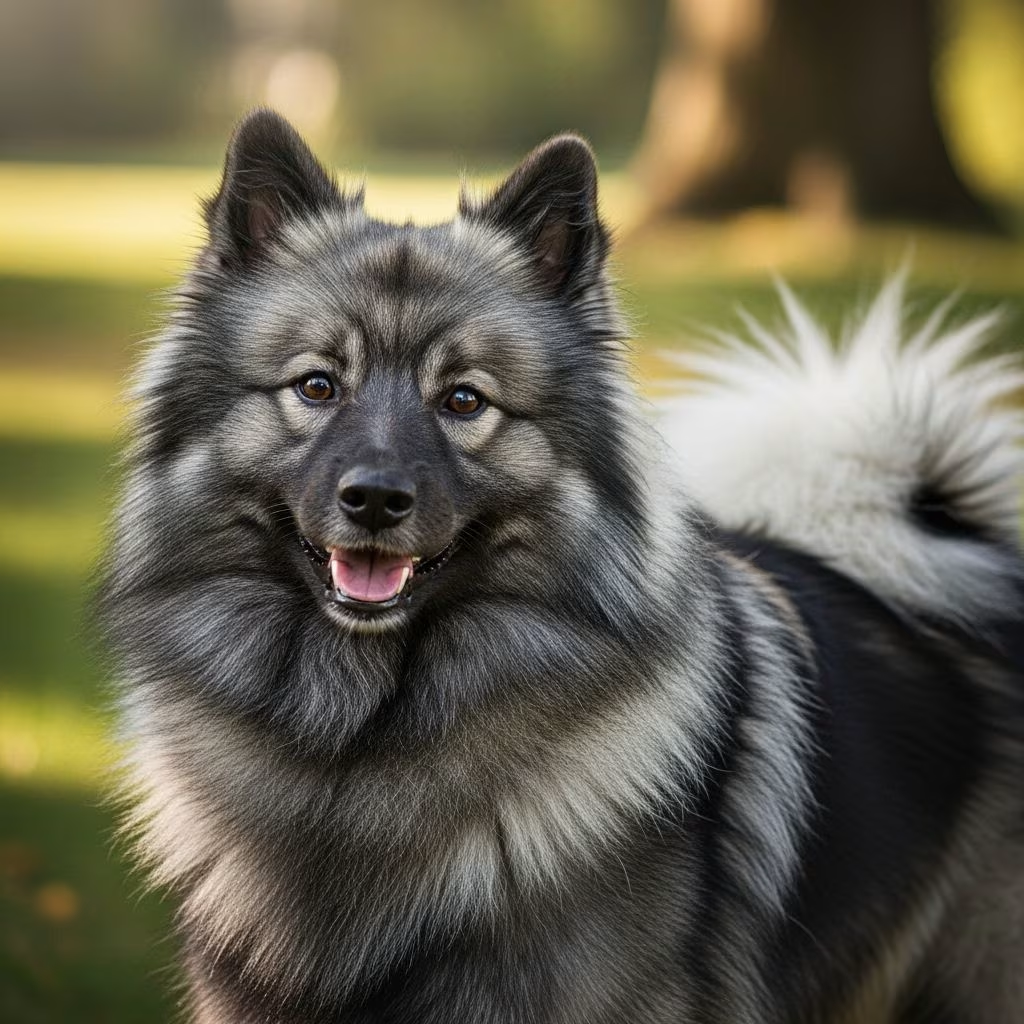
Keeshonds are well-known for their distinctive appearance, featuring a fox-like face, pointed ears, and the characteristic ‘spectacles’ around their eyes. These markings resemble glasses and are a result of their unique black and silver coat pattern.
They stand between 17 and 18 inches tall, with males reaching 18 inches and females 17 inches at the shoulder. Their weight typically ranges from 30 to 40 pounds, making them sturdy yet compact companions.
Coat
The Keeshond has a double coat: a thick undercoat and a harsh outer layer. The coat requires regular grooming to maintain its health and shine. Keeshonds ‘blow’ their undercoat once or twice a year, depending on gender, which can result in significant shedding.
Temperament
Keeshonds are celebrated for their friendly, outgoing, and intelligent nature. They are not timid or aggressive, making them excellent family dogs and watchdogs. They are affectionate and lively, often described as gentle companions suitable for families with children.
Socialization and Training
As social animals, Keeshonds benefit from early socialization and training. They are intelligent and respond well to positive reinforcement, making them relatively easy to train.
Health and Grooming
Keeshonds are generally healthy but may be predisposed to certain health issues such as hip dysplasia. Regular grooming is essential to manage their coat, which can be prone to matting and tangling.
Grooming Tips
– Brushing: Regular brushing is crucial to prevent matting and tangling.- Coat Care: Avoid shaving, as the undercoat provides natural insulation.- Bathing: Infrequent bathing is recommended to maintain the coat’s natural oils.
Exercise Needs
Keeshonds require moderate exercise, including daily walks and playtime. They are not high-energy dogs but do enjoy activity and mental stimulation to stay happy and healthy.
Exercise Ideas
- Daily Walks: Short to medium-length walks are ideal for maintaining physical health.
- Playtime: Engage in play activities like fetch or hide-and-seek for mental stimulation.
History and Popularity
The Keeshond was first registered with the American Kennel Club in 1930, and its popularity increased significantly after World War II. Today, they are beloved family pets worldwide.
Frequently Asked Questions (FAQs)
Q: Are Keeshonds good with children?
A: Yes, Keeshonds are known for their gentle and affectionate nature, making them suitable companions for families with children.
Q: Do Keeshonds require a lot of exercise?
A: Keeshonds need moderate exercise, including daily walks and playtime, but they are not high-energy dogs.
Q: How often should I groom my Keeshond?
A: Regular brushing is essential to prevent matting and tangling. During shedding seasons, more frequent grooming may be necessary.
References
- https://www.akc.org/dog-breeds/keeshond/
- https://www.keeshond.org/keeshond-breed-standard
- http://cdn.akc.org/Keeshond-club-flyer.pdf
- https://en.wikipedia.org/wiki/Keeshond
- https://www.hillspet.com/dog-care/dog-breeds/keeshond
- https://www.akc.org/expert-advice/lifestyle/7-reasons-why-keeshond-owns-nickname/
- https://www.petmd.com/dog/breeds/keeshond
- https://www.dogbreedinfo.com/keeshond.htm