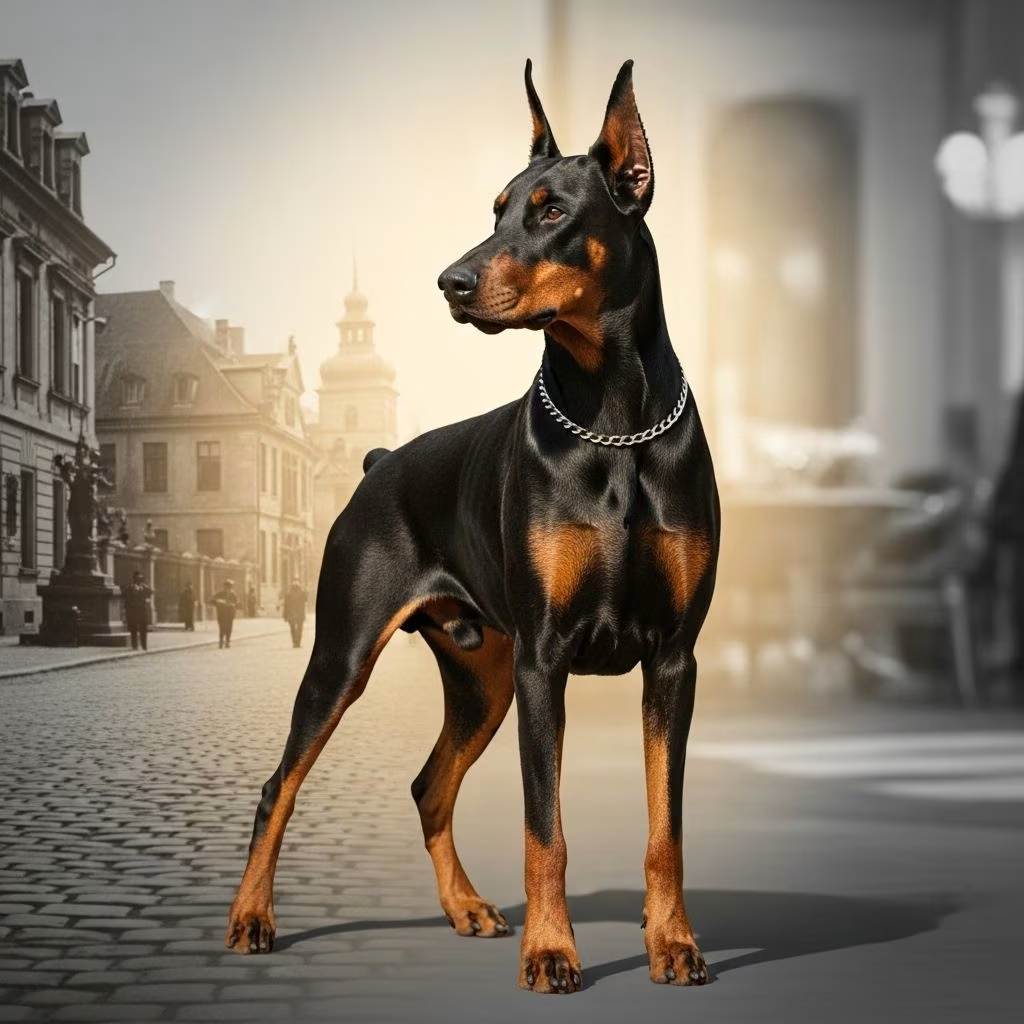
Among the world’s most iconic working dogs, the Doberman Pinscher holds a unique position for its remarkable blend of strength, intelligence, and loyalty. Revered for its sleek athletic form and famed as a guardian and companion, the Doberman’s story is deeply rooted in the social and historical currents of 19th-century Germany. This article explores the Doberman Pinscher’s captivating origin, the man who shaped its destiny, the breeds woven into its bloodline, and its transformation into a global canine phenomenon.
Origins: Louis Dobermann and the Need for Protection
The Doberman Pinscher owes its very existence to the ingenuity and determination of Karl Friedrich Louis Dobermann, a tax collector in the German town of Apolda, Thuringia, during the late 19th century. At the time, the job of taxman was fraught with risk, exposing Dobermann to both physical danger and public hostility. Louis Dobermann was also a night watchman, dogcatcher, and manager of the local dog pound, granting him unique access to a diverse roster of canines. His aim was to develop a dog that offered robust protection, unwavering loyalty, and high intelligence—a true personal bodyguard, quick to learn and imposing in appearance.
- Louis Dobermann began his breeding experiments around the 1870s to 1880s.
- He leveraged his access to pound dogs and keen understanding of their temperaments and abilities.
- The first Doberman Pinscher iterations were larger and more rugged than the sleek standard of today.
The Recipe: Breeds Behind the Doberman Pinscher
While precise breeding records were not maintained, experts and breed historians agree the Doberman’s unique abilities and looks are a result of blending several established breeds. Louis Dobermann selected dogs recognized for their guarding, working, and hunting abilities, aiming to synthesize athleticism, courage, alertness, and trainability.
- German Pinscher: Added sharp reflexes and a terrier’s tenacity.
- Rottweiler: Bestowed substance, reliability, and strong guarding instincts.
- Old German Shepherd (now extinct): Gave intelligence, ruggedness, and sound temperament.
- Weimaraner: Contributed scenting abilities and hunting vigor.
- Manchester Terrier (black and tan): Added elegance, speed, and refinement.
- Greyhound: Contributed agility and a sleek outline.
- Various local shepherds and working dogs: Enhanced the blend’s utility and resilience.
This complex mix resulted in a breed both mentally and physically suited for the multiple roles Dobermann envisioned. The outcome was a dog almost unrivaled in versatility—from guarding and police work to companionship.
Streamlining the Doberman: Early Refinement and Standardization
Although Louis Dobermann ignited the breed’s creation, he passed away in 1894 before establishing a uniform standard. The years following his death saw a crucial transformation, shifting focus towards appearance while retaining working ability.
- The Doberman was first showcased at Apolda’s inaugural dog market in 1863, well before its formal show debut in 1897.
- Turn-of-the-century breeders introduced the Manchester Terrier and Greyhound into Doberman lines to enhance elegance and streamline build.
- Otto Göller, a liqueur manufacturer and Apolda resident, played a pivotal role after Dobermann’s death by founding the first Doberman Pinscher club and shaping the breed standard.
Otto Göller’s von Thuringen kennel became a center for Doberman development, holding up to 80 dogs and exporting the breed abroad. His advocacy and careful documentation were significant in catapulting the Doberman to canine prominence.
Breed Name and Recognition
In the early days, the breed was referred to as the Doberman Pinscher—a nod both to its creator and to its original terrier-like qualities (“pinscher” meaning terrier or biter in German). Through the 20th century, as the dog’s appearance and temperament evolved, some countries (such as Germany) dropped “Pinscher” to reflect its distinct status.
- Known variations: Doberman, Dobie, Dobe
- First AKC registration: 1908
- The Doberman Pinscher Club of America (DPCA) was founded in 1921 by George Earle III, reinforcing the breed’s standard and popularity in the United States.
Main Characteristics and Temperament
The Doberman Pinscher was envisioned as the ultimate protection dog—alert, fearless, quick-witted, and fiercely devoted to its handler. Over time, refinements have shifted the breed’s temperament to create a well-balanced family companion as well as a formidable working dog.
| Attribute | Description |
|---|---|
| Height at withers | 24–28 inches (61–71 cm) |
| Weight | 60–100 pounds (27–45 kg) |
| Coat colors | Black, red, blue, or fawn with rust markings |
| Life span | 10–12 years |
| Key traits | Intelligent, loyal, alert, fearless |
Selective breeding has ensured the Doberman today is:
- Highly trainable with above-average intelligence
- Known for loyalty and strong protective instincts
- Agile and athletic, excelling in police, military, and service work
- Balanced enough to make a loving companion in the right home
Working Roles: From Watchdog to Wartime Hero
The Doberman’s imposing presence and alert nature quickly made it a favorite for police, military, and guard work worldwide. The breed’s ability to learn complex tasks, combined with loyalty and courage, propelled it beyond its original role as a taxman’s companion.
- Police and security use: Dobermans were a dominant breed in police K9 units during the early to mid-20th century.
- Military contributions: The breed played a vital part in both World Wars, most notably assisting U.S. Marines as sentries and messengers during the Pacific campaigns of World War II.
- Service animals: Dobermans have performed guide dog duties and participated in search and rescue operations.
- Family companions: Responsible breeding has shifted the breed toward greater sociability and adaptability to home life.
Famous Dobermans: One prominent example is Kurt, a Doberman who was the first canine casualty in the Battle of Guam (July 1944), commemorated with a memorial statue at the National War Dog Cemetery.
The Doberman in Modern Times
From their early days guarding tax collectors to their global presence as working dogs and loyal pets, Doberman Pinschers remain one of the most recognizable—and often misunderstood—breeds. Modern Dobermans continue to excel in police and military work, canine sports, and as loyal companions. The breed standard now prioritizes both a predictable, stable temperament and the athletic elegance that makes the Doberman so distinctive.
Frequently Asked Questions (FAQs)
Q: What breeds were used to create the Doberman Pinscher?
A: The Doberman was developed from a combination of breeds including the German Pinscher, Rottweiler, old German Shepherd, Weimaraner, Manchester Terrier, and Greyhound. This mixture contributed to its working, guarding, and scenting abilities.
Q: Why was the Doberman originally bred?
A: Louis Dobermann bred the Doberman in the late 19th century to serve as an alert, protective, and forceful companion, primarily to protect himself during his hazardous duties as a tax collector in Germany.
Q: What are some key characteristics of the Doberman Pinscher?
A: Dobermans are renowned for their intelligence, loyalty, agility, and fearlessness. Their athletic build, short coat, and distinct markings make them instantly recognizable.
Q: How did the breed get its name?
A: The breed was named after Louis Dobermann, its creator. “Pinscher” refers to its early terrier-like qualities; some countries have since dropped “Pinscher” from the title to distinguish the breed’s unique identity.
Q: Are Dobermans good family dogs?
A: With proper socialization and training, Dobermans can make excellent family companions. They are loyal and loving to their people and often protective with children, but require experienced and active owners due to their working drive.
Legacy and Enduring Appeal
More than a century after its creation, the Doberman Pinscher stands as a testament to careful breeding, driven vision, and adaptability. From its roots in the streets of 19th-century Apolda to modern homes, police stations, and battlefields, the Doberman’s journey exemplifies resilience and versatility. Whether as a vigilant guardian, a faithful friend, or an elite working dog, the Doberman continues to inspire admiration and respect the world over.
References
- https://www.akc.org/expert-advice/dog-breeds/doberman-pinscher-history/
- https://www.doberescue.net/info/display?PageID=21406
- https://www.britannica.com/animal/Doberman-pinscher
- https://dpca.org/breed/breed-history/
- https://www.dobermantalk.com/threads/doberman-origin-and-early-history-questions.317498/
- https://www.youtube.com/watch?v=F5syXC01QEs