Pointer Breeds: Masters of Scent and Loyalty
Pointer breeds, prominent members of the Sporting Group, are celebrated for their distinct ability to locate and indicate the position of game birds with remarkable style and precision. Their athletic prowess, versatility, and keen sense of smell make them invaluable partners in hunting and sporting events, while their temperament ensures they shine as affectionate companions in active households.
What Defines a Pointer?
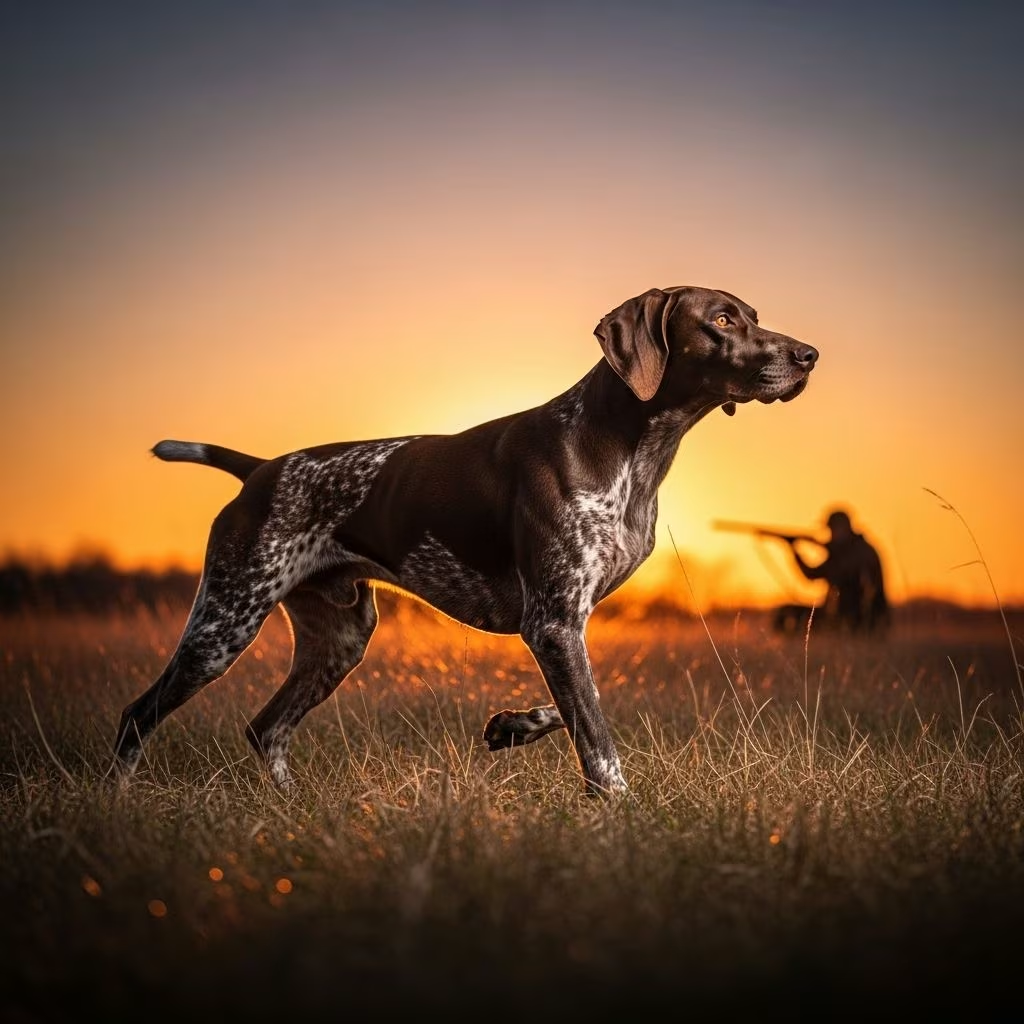
Named after their unique hunting stance, Pointers are medium-to-large, agile dogs bred for upland bird hunting. Their hallmark pose—nose stretched toward the quarry, one paw lifted, and tail straight—remains the classic image of a hunting companion in action. These breeds share a passion for tracking, freezing, and alerting their handlers with an unmistakable energy and enthusiasm.
- Versatile Hunting Skills: Efficient in tracking, pointing, and retrieving game.
- Distinctive Appearance: Athletic physique, strong lines, and a poised carriage.
- Loyalty and Intelligence: Devoted to families, quick learners, and eager workers.
Origins and Historical Significance
Pointer breeds have diverse European roots, with the classic Pointer believed to have ancestors dating as far back as Ancient Egypt. The breed, as known today, was refined in England in the 17th century. German Shorthaired Pointers, meanwhile, were developed by German hunters in the late 1800s for endurance, versatility, and companionship. Each breed was designed to meet specific local hunting needs, resulting in subtle differences in build, temperament, and coat suited to their environment.
Historical Timeline
- Ancient Origins: Pointer ancestors possibly linked to Ancient Egypt.
- 17th Century England: Modern Pointer finalized as an upland bird hunter.
- 19th Century Germany: German Shorthaired Pointer bred for stamina and adaptability.
Exploring the Pointer Breeds: Key Members of the Sporting Group
The Sporting Group’s pointer breeds display both shared traits and specialized differences. While their roles in tracking and fieldwork unify them, variations in coat, build, and personality make each breed unique. Below, we profile the primary Pointer breeds:
Pointer
| Origin | Size (Male/Female) | Weight (Male/Female) | Coat | Color | Temperament |
|---|---|---|---|---|---|
| England | 25–28″ / 23–26″ | 55–75 lbs / 45–65 lbs | Short, dense, smooth | Liver, lemon, black, orange (solid/patterned) | Friendly, outgoing, dignified, athletic |
The Pointer is renowned for its balance, symmetry, and grace. As the largest member of pointer breeds, it was designed specifically to locate and signal upland game birds. Its broad head and aristocratic bearing led to it being called the “aristocrat of the field.” The breed’s tail, known as the “bee sting,” is thick at the base and tapers to a point, carried straight or slightly elevated with lively movement.
German Shorthaired Pointer
| Origin | Size (Male/Female) | Weight (Male/Female) | Coat | Color | Temperament |
|---|---|---|---|---|---|
| Germany | 23–25″ / 21–23″ | 55–70 lbs / 45–60 lbs | Short, thick, rough | Liver, black, combinations with white (ticked/roan) | Intelligent, relaxed at home, energetic outdoors |
The German Shorthaired Pointer is a versatile hunter, quick to learn and deeply affectionate. Bred to traverse great distances and pursue varied game, it adapts seamlessly between fieldwork and family life, often displaying a gentle inquisitiveness and desire for closeness with its owners.
Other Pointing Breeds in the Sporting Group
- German Wirehaired Pointer: Rugged and lively, with a harsh, weather-resistant coat.
- Wirehaired Pointing Griffon: Medium-sized, known for its rough coat and adaptability in wetlands.
- Wirehaired Vizsla: Stylish and determined, featuring a wiry coat and strong retrieving instincts.
- German Longhaired Pointer: Softer coat, elegant carriage, and gentle disposition.
Each of these breeds expresses a distinct balance of athleticism, stamina, and temperament tailored to specific terrains and hunting styles.
Physical Traits and Breed Standards
Size and Build
- Males: 23–28 inches at the shoulder, 55–75 pounds
- Females: 21–26 inches at the shoulder, 45–65 pounds
- Well-balanced body, withers level with back, agile and powerful
Coat and Color
- Single, short, smooth coat—easy to maintain and weather-resistant
- Varieties: Liver, lemon, black, orange; solid or with patterned spots and ticking
- Markings: Ticked patterns, black and liver points, self-colored points
Among pointer breeds, coat characteristics often reflect their region’s climate and hunting needs. For example, rough or wiry coats guard against cold, dense undergrowth, while smoother coats benefit dogs covering open, temperate terrain.
Head and Tail Features
- The Pointer’s broad, noble head—width equals muzzle length
- Medium-length, undocked tail (“bee sting”), thick base, tapering, lively in movement
- Large, rounded eyes, typically dark and expressive
Temperament and Family Life
Pointer breeds are highly regarded for their friendly, outgoing personalities and their adaptability in both field and home settings. Their intelligence, patience, and eagerness to work make them suited for experienced handlers who can provide consistent training, exercise, and socialization.
- Affectionate: Strong bonds with families, especially fond of children
- Playful: Lively and active, requires ample daily exercise
- Even-tempered: Rarely timid, often dignified and alert
- Trainable: Responds well to positive reinforcement and structured routines
- Social: Generally good with other dogs when socialized early
While Pointers thrive in energetic homes, early and consistent socialization is key to nurturing their confidence and good manners, especially around young children and other pets.
Pointer Breeds: In the Field and Beyond
Beyond the hunt, pointer breeds excel in dog sports, agility, obedience, and serve as steadfast family companions. Their biddability—willingness to please—alongside strong scent-tracking abilities, enables versatility across:
- Field Trials
- Hunting Competitions
- Conformation Shows
- Agility and Obedience Events
- Running and Swimming Activities
These breeds’ energy and stamina make them ideal for active owners who enjoy outdoor pursuits and are prepared to engage their dogs both physically and mentally.
Care, Health, and Maintenance
Exercise Needs
- Pointer breeds require vigorous daily exercise—long walks, runs, play, and mental stimulation
- Lack of activity can lead to boredom or destructive behaviors
- Thrives in environments where they can explore, track, and use their scenting instincts
Grooming and Maintenance
- Minimal grooming needed for short, smooth coats—weekly brushing and occasional baths
- Regular ear cleaning, nail trimming, and dental care recommended
- Rough and wirehaired breeds may require more frequent attention to prevent matting
Health Considerations
- Average lifespan: 12–17 years
- Generally robust but may be prone to conditions such as hip dysplasia, eye issues, and skin sensitivities
- Routine veterinary check-ups, balanced nutrition, and preventative care are essential
Comparing Top Sporting Group Pointer Breeds
| Breed | Coat | Temperament | Field Strength | Family Suitability |
|---|---|---|---|---|
| Pointer | Short, smooth | Outgoing, dignified | Versatile tracker | Excellent for active homes |
| German Shorthaired Pointer | Short, thick | Smart, affectionate | Multi-purpose hunter | Gentle, good with children |
| German Wirehaired Pointer | Harsh, weather-resistant | Bold, rugged | Adaptable to tough terrain | Active, requires space |
| Wirehaired Pointing Griffon | Rough, dense | Friendly, tenacious | Strong retriever, waterfowl expert | Loyal, playful |
Frequently Asked Questions (FAQs)
Q: What is the primary role of a Pointer in hunting?
A: Pointers are bred to locate and indicate the position of upland game birds by striking a “pointing” pose, allowing hunters to approach their quarry.
Q: Are Pointer breeds good with children and other pets?
A: Yes, Pointer breeds are generally friendly, affectionate, and patient with children. Early socialization is recommended to ensure good behavior with other pets.
Q: What are common health issues in Pointer breeds?
A: While normally healthy, some Pointers may be predisposed to hip dysplasia, eye disorders, and skin sensitivities. Regular vet visits and preventative care are essential.
Q: How much exercise does a Pointer breed need?
A: Daily vigorous exercise is required, including long walks, running, play, and mental stimulation to maintain health and happiness.
Q: What coat colors are accepted for Pointer breeds?
A: Accepted colors include liver, lemon, black, orange, and patterned combinations, with variations in ticking and points. Color does not affect quality but should meet breed standards.
Is a Pointer Breed Right For You?
If you are seeking an energetic, athletic, and devoted canine companion, a pointer breed may be the ideal choice. These dogs thrive with active owners who appreciate their hunting heritage, provide ample exercise, and are committed to positive training and socialization. Their distinctive looks, loyal nature, and versatility make them standout additions to homes that value both spirited fieldwork and affectionate family bonds.