With its iconic droopy ears, soulful eyes, and unmistakably low-slung body, the Basset Hound is more than a familiar face—it is a dog breed steeped in history and bursting with personality. Naturally gifted as a scent hound but beloved as a devoted family companion, the Basset Hound captivates dog lovers worldwide with its unique blend of noble origins and clownish charm. This comprehensive guide delves deep into the Basset Hound’s fascinating story, physical and behavioral traits, care needs, and what makes it an irreplaceable member of any home.
Breed Snapshot
- Group: Hound
- Height: Generally 13–15 inches at the shoulder
- Weight: 40–65 pounds (male and female)
- Coat: Short, smooth and dense, sheds year-round
- Lifespan: 12–13 years on average
- Temperament: Affectionate, tolerant, gentle, laid-back
- Exercise Needs: Moderate (daily walks and mental stimulation)
- Good with: Families, children, other dogs, and pets
History & Origins
The story of the Basset Hound is an enchanting blend of ancient lineage and careful breed development. Tracing its roots to France, the Basset Hound is believed to have descended from the St. Hubert Hound of the early Middle Ages, a breed celebrated for its phenomenal scenting ability and close relation to the Bloodhound. The word “Basset” comes from the French bas, meaning “low,” which fittingly describes the breed’s short stature.
Originally, the Basset Hound’s unique physique—a result of a genetic mutation causing dwarfed legs—was a boon for hunters on foot. The low-slung dog could expertly track rabbits and other small game through dense terrain, its nose close to the ground, and its long ears stirring up and trapping scent. This made the Basset a favorite among European noblemen.
By the 19th century, under the reign of Napoleon III, the breed surged in popularity at events like the Paris Dog Show. Breeders in France and England developed variations, mixing Bassets with Bloodhounds and other hounds to refine their size, temperament, and scenting ability. The modern Basset Hound’s lineage, therefore, is a tale of both practical hunting necessity and the pursuit of canine beauty and companionship.
Basset Hound Appearance
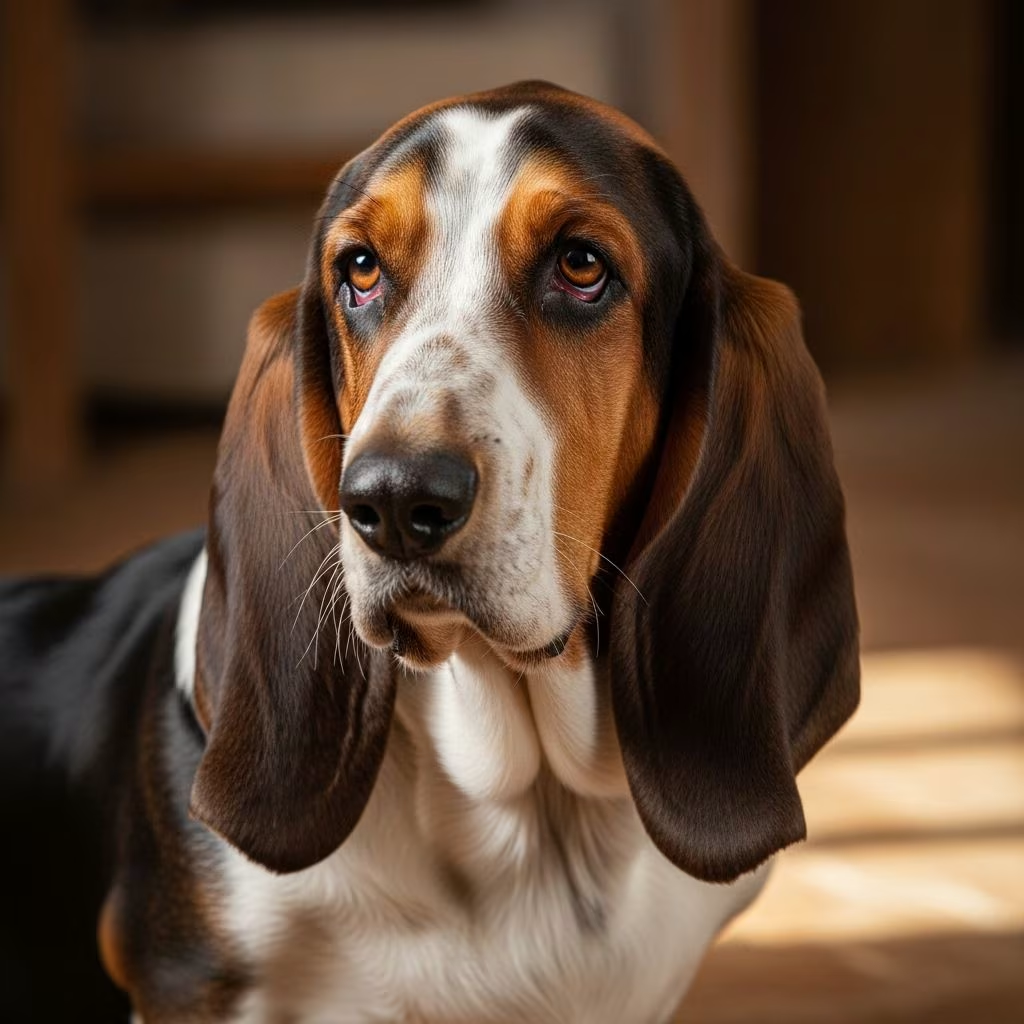
The Basset Hound’s signature appearance is the result of both selective breeding and function following form. Its large, domed head; long, velvety ears; and heavy bone structure are more than just adorable—they’re essential to its talent as a scent hound.
- Body: Long, low, and robust with a prominent chest, giving this breed surprising sturdiness for its height.
- Head: Large and expressive with a deep stop, heavy wrinkles, and mournful, dark brown eyes exuding intelligence and warmth.
- Ears: Exceptionally long and elastic, positioned low on the head, designed to sweep and stir scent from the ground to the nose.
- Tail: Carried upright with a slight curve, often tipped in white for visibility during hunts.
- Coat: Dense, short, and smooth with tricolor (black, white, tan), lemon, red, or mahogany markings; moderate year-round shedding.
| Feature | Description |
|---|---|
| Height | 13–15 inches at the shoulder |
| Weight | 40–65 pounds |
| Coat Type | Short, smooth, water-resistant |
| Ear Length | Very long, low set |
| Eye Color | Dark brown, soulful |
| Typical Colors | Tricolor, red & white, lemon & white, mahogany |
Basset Hound Personality & Temperament
The Basset Hound is celebrated for its gentle, tolerant, and affectionate nature. This breed is patient with children, typically sociable with other dogs and pets, and thrives in a household where companionship is plentiful. Bassets are known as “armchair clowns”—as much for their comic antics as for their relaxed, easygoing manner. Their affection and tolerance also make them reliable pets for first-time dog owners.
- Calm, laid-back indoor demeanor
- Moderate playfulness; enjoys games, especially those involving scent tracking
- Stubborn streak; can be independent-minded when not motivated
- Affectionate and loyal to family, sometimes reserved with strangers
- Strong pack instinct—does best with companionship (dogs or humans)
Training the Basset Hound
Basset Hounds are intelligent but have a unique brand of stubbornness. They respond best to patient, gentle, and positive training techniques. Because of their independent and scent-focused nature, Bassets can become easily distracted outdoors. Early socialization and basic obedience are essential for a well-behaved adult hound.
- Motivation is key: Use treats, praise, and scent-based games to maintain interest.
- Short, engaging sessions: Keep training tasks brief and upbeat to prevent boredom.
- Consistency is critical: Set clear rules and always reinforce them.
- Socialization: Introduce your Basset to a wide range of people, pets, and environments early on.
Patience is paramount; never use harsh corrections as they can make the dog shut down. If you’re persistent and use positive reinforcement, the Basset’s clownish, eager-to-please side will shine through.
Living Needs: Is a Basset Hound Right for You?
Basset Hounds adapt well to many different living situations, from apartments to suburban homes, but they do have some specific requirements and quirks potential owners should consider:
- Low activity indoors: Bassets enjoy lounging and cuddling, but need daily walks and periodic play sessions to prevent weight gain.
- Secure yard needed: Their scent-driven instincts can lead them to wander off if given the chance.
- Noise factor: Bassets are vocal and known for their mournful, deep baying.
- Family-friendly: Gentle with kids and tolerant of other pets.
- Companionship: Doesn’t like being left alone for long periods; can develop separation anxiety.
If you are seeking a playful, relaxed, and undeniably charming companion, the Basset Hound makes an excellent choice. However, their distinct scent hound tenacity means a Basset does best with an owner who understands the breed’s quirks.
Basset Hound Care Guide
Grooming
- Coat maintenance: The Basset’s coat is easy to maintain—brushing once or twice per week controls shedding and keeps the coat glossy.
- Ears: Extra care is required—ears are prone to infection, so weekly cleaning is a must.
- Wrinkles and skin folds: Keep clean and dry to avoid irritation or infection.
- Nails: Trim regularly to prevent cracking or overgrowth.
- Dental care: Brush teeth routinely to minimize tartar buildup.
Exercise
- Daily walks: Critical for weight management and mental stimulation.
- Sniffing games: Utilize the Basset’s incredible nose—hide treats around your home or yard for scent-tracking fun.
- Low-impact play: Their joints and long backs make them prone to injuries, so avoid strenuous exercise or jumping.
Diet & Nutrition
- Feed high-quality dog food suitable for your Basset’s age, size, and activity level.
- Monitor portion sizes—Bassets are prone to overeating and weight gain.
- Use food puzzles or slow-feeder bowls to provide mental enrichment.
- Provide constant access to fresh, clean water.
Health & Common Conditions
The Basset Hound is generally a robust and hardy breed, but its unique body type does come with some health challenges. Responsible breeding and preventative care can maximize your dog’s quality of life.
- Ear infections: Due to their long ears, Bassets are susceptible to chronic ear problems if not cleaned regularly.
- Back and joint issues: The breed’s long spine and short legs can predispose it to intervertebral disc disease and arthritis. Avoiding stairs and jumping can help minimize risk.
- Obesity: Prone to weight gain, which can further stress their backs and joints.
- Eye problems: Issues such as entropion (inward-rolling eyelid) and glaucoma are not uncommon.
- Skin fold dermatitis: Wrinkles can trap moisture and debris, leading to irritations if not properly maintained.
- Bloat (gastric torsion): While less common, their deep chests can put them at risk of life-threatening stomach flipping.
Routine veterinary visits, good nutrition, controlled exercise, and regular at-home care help prevent many health concerns in Basset Hounds.
Basset Hound Fun Facts
- Basset Hounds have the second-best sense of smell among all dog breeds, after the Bloodhound.
- Their signature howl can travel for miles—originally used to signal hunters.
- They starred in classic pop culture: The Hush Puppy shoe logo and TV character “Flash” from The Dukes of Hazzard are famous Bassets.
- Despite their short legs, they can reach surprising speeds when on a scent trail.
- Each Basset Hound’s face is unique in its wrinkles and markings.
Frequently Asked Questions (FAQs)
Are Basset Hounds good with children and other pets?
Yes, their mellow personality makes them excellent family dogs. They are generally gentle, tolerant, and patient with both children and other animals.
Do Basset Hounds shed?
Basset Hounds are moderate shedders. Brushing once or twice a week helps control loose hair and keeps the coat looking healthy.
Are Basset Hounds easy to train?
Basset Hounds are intelligent but strong-willed. While they can learn quickly with patience and positive reinforcement, their independent streak and focus on scents can sometimes make training a challenge for first-time dog owners.
How much exercise does a Basset Hound need?
Moderate exercise is required. Daily walks and scent-based games are enough to keep them healthy and mentally engaged, but avoid intense activity due to their joints and back health.
What health issues are common in Basset Hounds?
Common challenges include ear infections, joint and back issues, obesity, and skin fold dermatitis. Responsible breeding, balanced diet, and regular grooming and vet care reduce the risk of these issues.
Is a Basset Hound Right for You?
Basset Hounds are remarkable for those seeking an affectionate, gentle, and loyal companion with a dash of comedic flair. Their low-key energy and sturdy build make them well-suited for families and singles alike, but their scent-driven ways demand secure environments and patient, positive training. With proper care and attention, a Basset Hound becomes an irreplaceable member of any home—offering laughter, love, and that signature soulful gaze every day.
References
- https://www.akc.org/expert-advice/dog-breeds/basset-hound-history/
- https://basset-bhca.org/about-bassets/history-of-the-basset-hound/
- https://www.meet-the-basset-breeds.co.uk/breed-history
- https://www.akc.org/dog-breeds/basset-hound/
- https://www.bhcsc.com/basset-info/basset-hound-history-x.html
- https://brngb.org/the-bassett-hound/
- https://www.pawlicy.com/blog/basset-hound-dog-breed/
- https://bassethoundfoundation.org/all-topics/basset-hound-history-origins/origins-of-the-basset-hound-breed/
- https://www.britannica.com/animal/basset-hound