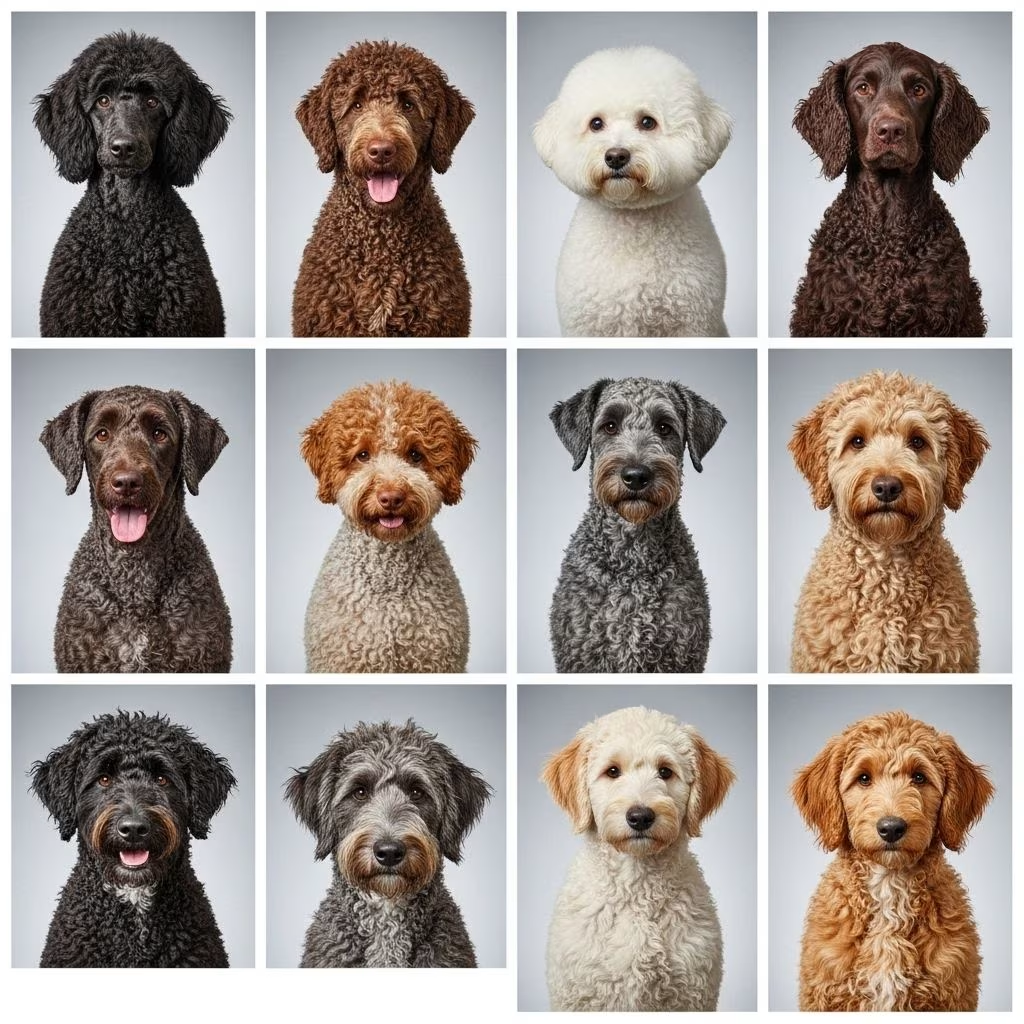
The Maltipoo is one of the most sought-after designer dog breeds, celebrated for its affectionate temperament, intelligence, and adorable looks. A hybrid between the Maltese and Poodle (usually Miniature or Toy), the Maltipoo offers families and singles a loving, playful companion with a hypoallergenic, low-shedding coat. Whether you live in a spacious house or a compact city apartment, the Maltipoo’s adaptability and charm have made it a favorite across the globe.
Breed Overview
| Trait | Details |
|---|---|
| Breed Type | Designer Hybrid (Maltese x Poodle) |
| Height | 8–14 inches (20–35 cm) |
| Weight | 5–20 pounds (2–9 kg) |
| Life Expectancy | 10–15 years |
| Coat | Curly or wavy, low-shedding |
| Colors | White, cream, fawn, black, brown, silver, apricot, blue, liver |
| Temperament | Affectionate, playful, intelligent, social |
History and Origin of the Maltipoo
The Maltipoo emerged in the late 1990s in the United States during the rise of “designer” dog breeds. Breeders aimed to combine the endearing, gentle Maltese’s loving personality and lustrous white coat with the intelligent, highly trainable, and low-shedding nature of the Poodle. Although Maltipoos do not have the centuries-old pedigrees of their parent breeds, they quickly gained popularity with dog lovers seeking a hypoallergenic, friendly, and charming companion.
As a hybrid, the Maltipoo’s appearance, coat, and even size can vary from one pup to another, depending on the genetic influence of the Maltese or Poodle parent.
Physical Characteristics
- Size: Maltipoos are small dogs, generally standing 8–14 inches tall at the shoulder and weighing between 5 and 20 pounds. Their compact size makes them suitable for apartments and city living.
- Coat: Their coat is one of their standout features, ranging from wavy to curly. The Poodle lineage gives Maltipoos a low-shedding, sometimes hypoallergenic coat ideal for people with mild pet allergies. Regular grooming is key to avoiding mats and tangles.
- Color: Maltipoos come in a wide array of colors, from pure white (most common) to cream, fawn, black, brown, apricot, silver, blue, and even liver hues, often accompanied by expressive, round eyes and a round, friendly face reminiscent of a plush teddy bear.
- Other Features: They have soft, floppy ears, a moderately long tail often carried gaily over the back, and fuzzy face and legs. Their overall appearance is expressive, animated, and endearing.
Temperament and Personality
Maltipoos are renowned for their joyful, affectionate, and playful disposition. They’re true companion dogs—devoted to their families and eager to participate in all daily activities. Some of the most cherished temperament traits include:
- Affectionate and Loyal: Maltipoos form deep bonds with their owners and thrive on companionship.
- Intelligent and Trainable: Quick learners, Maltipoos respond well to positive reinforcement and mental stimulation, making them easy to train for obedience and tricks.
- Playful and Energetic: Despite their small size, they have an abundance of energy and enjoy games, walks, and interactive playtime.
- Social and Friendly: Maltipoos are outgoing and typically get along well with children, other dogs, and family members. Early socialization fosters confident, well-mannered adult dogs.
- Alertness: Often keenly observant, they may bark to alert their owners to visitors or unusual noises, making them effective (if small) watchdogs.
Living with a Maltipoo
Maltipoos are among the most versatile companion breeds, adapting easily to various living environments—but they have some preferences and needs to thrive:
- Family Life: Maltipoos do well with families, couples, singles, and the elderly. Their gentle, loving nature makes them wonderful therapy and emotional support animals.
- Children: While they are typically gentle, playful, and patient with children, interactions with very small children should always be supervised, as Maltipoos are small and could be injured during rough play.
- Other Pets: Generally friendly, a well-socialized Maltipoo enjoys the company of other dogs and even cats.
- Alone Time: These dogs crave company and may develop separation anxiety if left alone for extended periods. If your schedule keeps you out a lot, plan for pet sitters or doggy daycare.
Health and Longevity
With proper care, Maltipoos enjoy a life expectancy of 10–15 years. They benefit from hybrid vigor, but like any breed, they may have predispositions to certain conditions, especially those found in Maltese and Poodles.
- Common Health Issues:
- Patellar luxation (knee joint issues)
- Dental problems (regular brushing recommended)
- Hypothyroidism
- Progressive retinal atrophy (PRA)
- White Shaker Syndrome (nervous system condition)
- Allergies and skin sensitivities
- Veterinary Care: Annual wellness exams and recommended vaccines are crucial for early detection and prevention.
- Spaying/Neutering: Discuss with your veterinarian the ideal time to spay or neuter your pet to minimize health risks and prevent unwanted litters.
Grooming and Coat Care
The Maltipoo’s coat is beautiful but requires regular upkeep to stay healthy and tangle-free. Grooming is necessary not only for looks but for the dog’s comfort and well-being.
- Brushing: Daily or at least several times a week with a soft brush or metal comb to prevent matting, especially around the face, ears, and legs.
- Bathing: Every 3-4 weeks or as needed, using mild dog shampoo to preserve skin and coat health.
- Trimming: Regular trims every 6–8 weeks, focusing on the face, feet, and sanitary areas to maintain a neat appearance and clear vision.
- Eyes & Ears: Wipe eyes daily to prevent tear strains and check ears weekly for wax buildup or signs of infection.
- Dental Care: Brush teeth several times a week to prevent dental disease. Provide dental chews as a supplement.
- Nail Care: Trim nails monthly or as needed—listen for the clicking sound on hard floors as an indicator of overgrown nails.
Exercise, Training, and Mental Stimulation
Maltipoos have moderate energy levels. They need regular exercise for physical health, mental sharpness, and emotional balance, but their requirements are generally manageable for most families.
- Daily Walks: Short, brisk walks (20–30 minutes) suit most Maltipoos.
- Playtime: Interactive games and toys—like fetch, hide-and-seek, or puzzle feeders—help engage both body and mind.
- Training: Thanks to their intelligence, Maltipoos respond rapidly to positive reinforcement. Reward with treats and praise for good behavior, and keep training sessions varied and fun to prevent boredom.
- Socialization: Early exposure to different people, pets, and environments helps Maltipoos grow into confident and well-adjusted adults.
Recommended Nutrition & Feeding
Good nutrition sets the foundation for a healthy, happy Maltipoo. Choose high-quality food appropriate for their life stage (puppy, adult, senior) and size, and be mindful of their caloric needs—small dogs are prone to weight gain.
- Puppies: Feed specially formulated small breed puppy food for growth and development.
- Adults: Provide a balanced, small breed adult formula. Portion control is key to prevent obesity.
- Seniors: As your Maltipoo ages, transition to a high-quality senior formula that supports their changing metabolism and joint health.
- Fresh Water: Always ensure unlimited access to clean, fresh water.
Ideal Home: Is a Maltipoo Right for You?
Maltipoos suit a variety of households. They’re particularly ideal for:
- Families with well-mannered children
- Singles or couples seeking a loyal, interactive companion
- Active seniors
- Apartment or urban dwellers, thanks to their size and exercise needs
Maltipoos may not be the best fit for:
- Very busy people who must leave their dog alone for long hours
- Households with toddlers and no supervision, due to the Maltipoo’s delicate stature
Pros and Cons of Owning a Maltipoo
| Pros | Cons |
|---|---|
|
|
Frequently Asked Questions (FAQs)
Q: Are Maltipoos hypoallergenic?
A: Maltipoos are often considered hypoallergenic thanks to their Poodle heritage and low-shedding coats. However, no breed is 100% hypoallergenic; allergy sufferers should spend time with Maltipoos beforehand to test sensitivity.
Q: Do Maltipoos bark a lot?
A: Maltipoos are naturally alert and can be vocal, especially when excited or sensing something unusual. Early training can discourage excessive barking.
Q: How much exercise does a Maltipoo need?
A: While energetic, Maltipoos do not require intense workouts. Daily walks and regular playtime are usually sufficient for their well-being.
Q: Are Maltipoos good for first-time dog owners?
A: Yes, Maltipoos are excellent choices for both new and experienced owners due to their adaptability, affectionate nature, and ease of training.
Q: How often should I groom my Maltipoo?
A: Daily brushing is recommended, with professional grooming every 6–8 weeks to maintain a neat, healthy coat and avoid matting.
Q: Do Maltipoos get along with other pets?
A: When properly socialized, Maltipoos typically get along well with other dogs and even cats, making them great additions to multi-pet households.
Q: What is the average lifespan of a Maltipoo?
A: With proper care, Maltipoos live between 10-15 years, though some can live longer with good genetics and veterinary attention.
In Summary
The Maltipoo shines as a versatile, affectionate, and intelligent breed. Their loving nature, combined with low-shedding coats and adaptability, makes them a wonderful addition to a wide variety of homes, from bustling families to urban apartments. With regular grooming, proper training, and daily companionship, the Maltipoo will reward owners with a lifetime of affection, entertainment, and unwavering loyalty.
References
- https://www.vetamerikan.org/our-best-friends/dog-types/maltipoo
- https://bestfriendspetcare.com/maltipoo-guide/
- https://pottybuddy.co/blogs/potty-buddy-blog/maltipoo-dog-breed-information-and-characteristics
- https://www.hillspet.com.au/dog-care/dog-breeds/maltipoo
- https://embarkvet.com/resources/dog-breeds/maltipoo/