Understanding Underbites and Malocclusion in Dogs
Malocclusion, or abnormal alignment of the teeth and jaws, is a dental condition that can affect many dogs. In particular, underbites—where the lower teeth extend further than the upper teeth—are a common form of malocclusion. While some underbites pose only cosmetic concerns, others can lead to significant health problems, impacting a dog’s comfort, ability to eat, and overall wellbeing. This guide explores the causes, symptoms, breed predispositions, health effects, and treatment options for canine underbites and malocclusion.
What Is Malocclusion in Dogs?
In veterinary dentistry, malocclusion describes any abnormal positioning of the teeth or jaws, resulting in misalignment when the mouth is closed. The main types of malocclusion in dogs include:
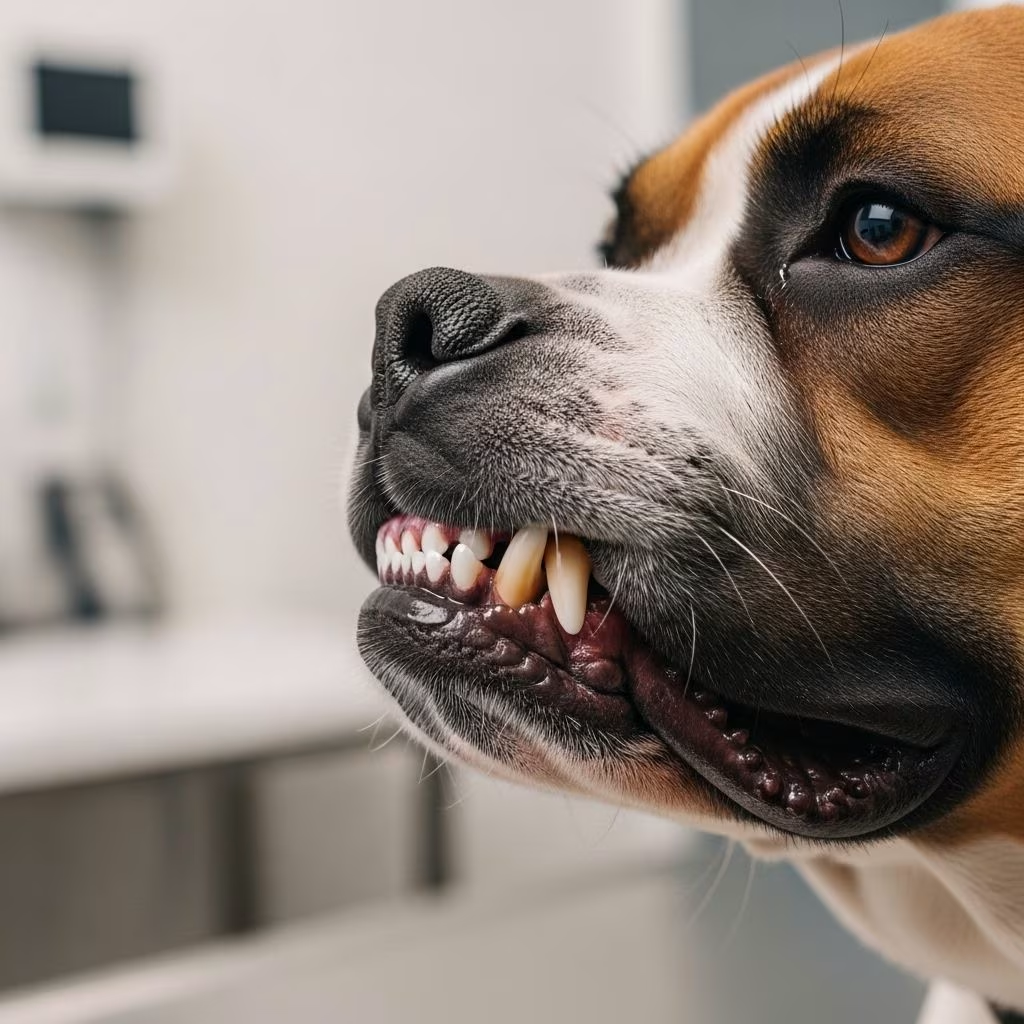
- Underbite (Class III Malocclusion): The lower jaw length exceeds the upper jaw, making the lower incisors protrude in front of the upper ones.
- Overbite (Class II Malocclusion): The upper jaw is longer than the lower, resulting in the upper incisors projecting far over the lower incisors.
- Crossbites and Level bites: Variations where individual teeth or sections of teeth occlude abnormally, creating edge-on or reversed overlaps.
Not all malocclusions are a problem: some dogs, especially certain breeds, are genetically predisposed to them and adapt without discomfort. However, severe alignment issues can lead to pain, injury, and difficulty eating.
Breeds Prone to Underbites
Certain breeds are more likely to have underbites due to their skull and jaw structures. For many of these breeds, the underbite is an expected, breed-standard trait and does not always cause problems:
- Bulldogs
- Boxers
- Shih Tzus
- Pekingese
- Pugs
In breeds with naturally short noses and broad faces (“brachycephalic breeds”), underbites are often part of their normal appearance. In contrast, underbites in other breeds may signal a developmental or genetic issue that can affect health and comfort.
Causes of Canine Malocclusion and Underbites
- Genetics: Most malocclusions—including underbites—are hereditary. Parent dogs with bite alignment problems often pass the trait to their offspring.
- Retained Baby Teeth: Puppy teeth that don’t fall out on schedule can physically block the normal eruption of adult teeth, leading to misalignment.
- Injury or Trauma: Damage to the jaw in puppies may alter the growth and orientation of the teeth.
- Misaligned Jaw Growth: Jaw growth rates can differ, with one jaw outgrowing the other, resulting in an abnormal bite.
- Other Developmental Factors: Nutritional deficits or some congenital syndromes may interfere with proper jaw and tooth alignment.
Symptoms and Health Effects of Malocclusion in Dogs
Recognizing malocclusion in dogs can be challenging, as some pets don’t show obvious pain or discomfort. Here are physical and behavioral signs to watch for:
- Prominent lower jaw or “open-mouthed” appearance when at rest
- Inability to fully close mouth
- Food dropping from mouth during chewing
- Teeth visible even when the mouth is closed
- Difficulty picking up or chewing food
- Rubbing head on surfaces or pawing at the mouth
- Recoil or avoidance when petted around the head (“head-shy”)
- Unusually bad breath or bloody drool
Left unchecked, malocclusion can lead to several painful and damaging effects:
- Gum and Soft Tissue Trauma: Misaligned teeth may puncture gums, palate, cheeks, or lips, causing persistent inflammation or wounds.
- Oronasal Fistula: Severe cases can create a hole between the mouth and nasal passages, leading to infection and chronic discomfort.
- Plaque Accumulation & Gum Disease: Crowded teeth trap debris and bacteria, which quickly build up plaque and can cause gingivitis or periodontal disease.
- Difficulty Eating and Digestive Issues: Painful teeth and jaws can prevent normal eating, leading to nutritional deficits or choking risks.
- Tooth Wear and Pulpitis: Continuous contact between misaligned teeth can wear down enamel and expose the tooth pulp, causing pain and sensitivity.
How Is Malocclusion Diagnosed?
Malocclusion is often detected during routine veterinary exams, especially if the dog is a puppy. However, it’s vital for pet owners to monitor for subtle symptoms and report them to their veterinarians. Diagnosis involves:
- Physical Examination: Inspecting the alignment of teeth and jaws visually and by palpation.
- Dental X-rays: Imaging may be needed to assess tooth roots and jaw structure, especially before treatment.
- Behavioral Assessment: Evaluating feeding habits, play behavior, and responses to facial touch.
Do All Underbites Need Treatment?
Not every underbite needs medical intervention. For some dogs, especially those of certain breeds, the condition is normal and does not cause discomfort. However, treatment is necessary when:
- The dog shows signs of pain or difficulty eating
- Teeth damage soft tissues in the mouth
- Malocclusion leads to recurrent infections (e.g., periodontal disease)
- Teeth are at high risk for abnormal wear, fracture, or pulpal exposure
Deciding when to treat depends on the dog’s age, overall health, breed, and the specific dental issue.
Treatment Options for Canine Underbites and Malocclusion
Veterinary dentists tailor treatment based on the severity and type of malocclusion, the dog’s age, overall dental health, and comfort. Main options include:
- Dental Monitoring: For mild cases with no health consequences, simply tracking the bite as the dog grows may suffice.
- Selective Tooth Extraction: Removing problematic teeth prevents damage to mouth tissues.
- Orthodontic Appliances: Devices such as bite plates, retainers, or even braces can be used to guide teeth into safer positions. Some severe cases may benefit from veterinary orthodontics.
- Crown Height Reduction: Filing down teeth that protrude or cause trauma, often followed by restoration to preserve function.
- Root Canal Treatment: Used when tooth wear or trauma exposes the pulp and threatens tooth viability.
The primary goal of treatment is to relieve pain, prevent injury, and ensure a functional bite—rather than aiming for a “perfect” cosmetic appearance.
Therapy Comparison Table
| Treatment Option | Purpose | Best For | Risks |
|---|---|---|---|
| Monitoring | Track development, no active intervention | Mild, asymptomatic cases | Overlooking developing problems |
| Extraction | Remove harmful teeth | Teeth causing injury or infection | Loss of tooth function |
| Orthodontics | Correct alignment | Severe alignment in young dogs | Requires expertise, time, expense |
| Crown Reduction | Reduce height for safety | Teeth traumatizing oral tissues | Tooth sensitivity |
| Root Canal | Save tooth after trauma | Pulp exposure, pain | Cost, complexity |
Dental Care and At-Home Management
Regardless of treatment needs, maintaining excellent oral hygiene is crucial for dogs with underbites. Steps owners can take include:
- Daily tooth brushing: Use dog-safe toothpaste and a soft brush to remove plaque.
- Veterinary dental checkups: Schedule professional exams and cleanings at least annually.
- Monitor for symptoms: Watch for changes in eating, drooling, or mouth odor and report them promptly.
- Appropriate chew toys: Avoid hard toys or bones that can fracture or wear down malaligned teeth.
Prognosis and Long-Term Care
With proper diagnosis, intervention, and ongoing dental maintenance, most dogs with malocclusions can enjoy a comfortable, pain-free life. Early detection provides the best chances for successful treatment and prevention of complications. Breed-standard underbites often require only watchful management, but individual dogs showing signs of trouble benefit greatly from timely professional care.
Frequently Asked Questions (FAQs)
Q: Is an underbite always a cause for concern in my dog?
A: Not always. Some breeds are genetically predisposed to underbites, and in these dogs, the condition may pose no risk or discomfort. However, if your dog develops symptoms or you notice abnormal behavior, consult your veterinarian.
Q: How can I tell if my dog’s underbite needs treatment?
A: Signs of pain, trouble eating, mouth injuries, or behavioral changes may indicate that treatment is warranted. Routine dental checkups with your vet are the best way to monitor bite development and identify problems early.
Q: What treatment options are available for underbites in dogs?
A: Depending on severity, options include dental monitoring, selective tooth extraction, orthodontic appliances or braces, crown height reduction, and root canal therapy. The goal is relieving pain and establishing a healthy, functional bite.
Q: Can my dog wear braces to correct an underbite?
A: Yes. Veterinary orthodontics sometimes uses braces or retainers in puppies and young dogs to shift teeth into safer positions. These treatments require specialized expertise and are considered when less invasive methods won’t achieve the desired results.
Q: How can I keep my dog’s mouth healthy with an underbite?
A: Regular tooth brushing, annual veterinary dental exams, and monitoring for any eating or behavior changes are essential. Provide safe chew toys, and always consult your vet about any concerns.
References
- https://icleandogwash.com/underbite-in-dogs-causes-and-treatment
- https://petsbestlife.com/blog/malocclusion-in-dogs/
- https://www.petmd.com/dog/care/dogs-underbites-what-canine-malocclusion
- https://apexvetss.com/underbite-type-3-malocclusion/
- https://northbayvetdentist.com/bite-right-exploring-therapy-options-for-pets-with-underbites/
- https://theplaquebuster.com/dogs-with-underbites-canine-malocclusion/
- https://wellpets.com/blog/70-overbites-and-underbites-malocclusions-in-dogs-and-cats/
- https://vcahospitals.com/know-your-pet/malocclusions-in-dogs-when-teeth-dont-align