


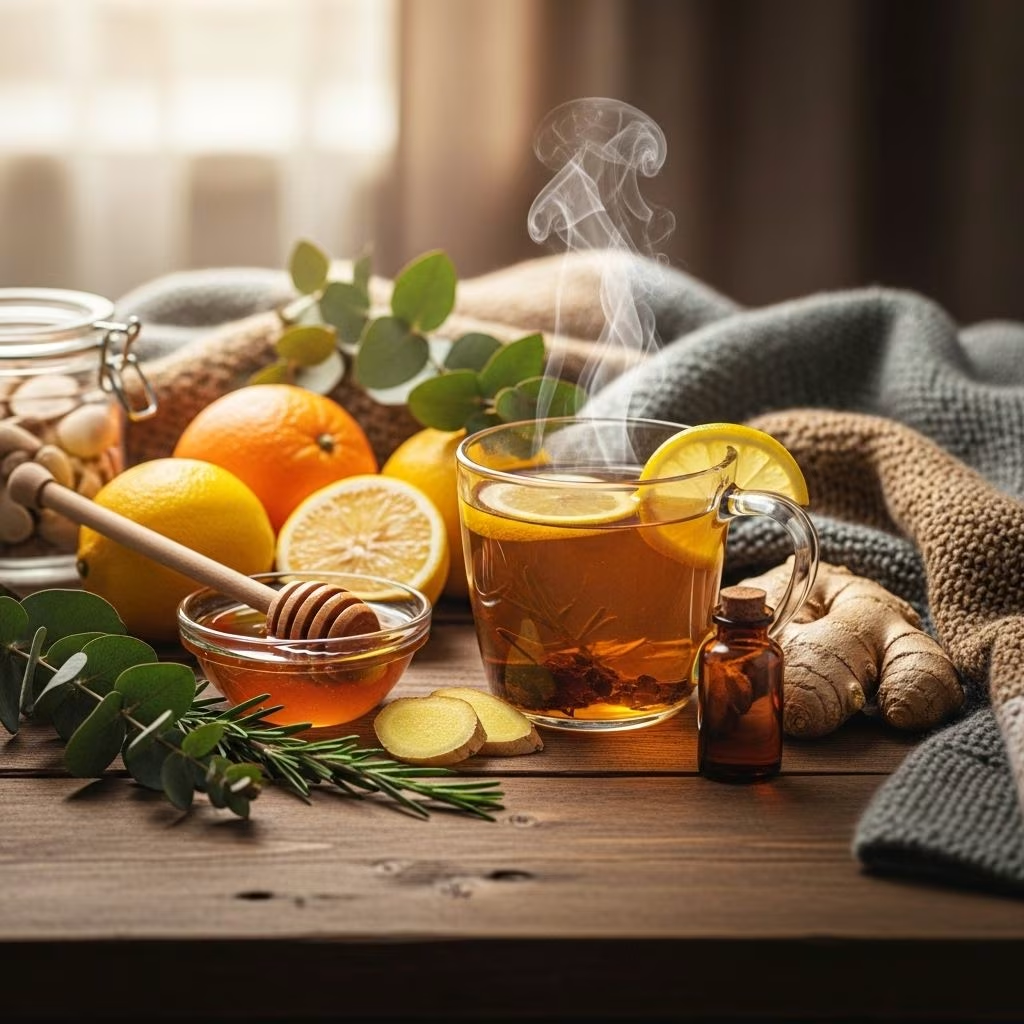
Natural Remedies During Cold and Flu Season
Cold and flu season brings discomfort to millions every year. Mainstream treatments focus on symptom management and rest, but thousands turn to natural remedies with the hope of soothing symptoms and shortening illness duration. This comprehensive guide examines safe, science-backed solutions to help your body recover, regain comfort, and potentially prevent future illness. Always consult your healthcare provider when starting new herbal supplements, especially if you have underlying conditions or are pregnant.
Understanding Colds and Flu: An Overview
The common cold is a viral infection affecting the upper respiratory tract, leading to congestion, sore throat, cough, and fatigue. The flu, or influenza, is generally more severe, often causing body aches, fever, chills, and sometimes gastrointestinal symptoms. Both are spread through droplets, and their symptoms overlap, but flu typically presents with higher fever and aches.
- Colds usually start gradually with sore throat and nasal congestion.
- Flu can onset abruptly, with pronounced fatigue and aches.
- Complications are more common with the flu, especially for vulnerable populations.
Hydration Is Essential
One of the most universally recommended remedies for both colds and flu is adequate hydration. Water, herbal teas, broths, and diluted juices help keep mucous membranes moist, thin mucus, prevent dehydration (which worsens symptoms), and promote recovery.
- Aim for clear fluids like water, coconut water, diluted juice, and warm broths.
- Dehydration may be indicated by dark urine, dry mouth, or infrequent urination.
- Warm fluids can also soothe sore throats and relieve congestion.
Tip: Avoid excessive caffeine or alcohol, as they can contribute to dehydration and aggravate symptoms.
Rest and Recovery
Getting quality sleep and resting your body allows the immune system to devote full energy to fighting infection.
- Rest: Listen to your body—avoid strenuous activity, even if symptoms seem mild.
- Sleep: Try to get extra sleep; your body heals most efficiently during deep rest.
- Comfort: Use pillows to elevate your head, which can help with nasal congestion.
Top Natural Remedies For Symptom Relief
1. Chicken Soup
Chicken soup is a time-honored home remedy. While it does not cure viral infections, scientific studies suggest that its ingredients—such as vegetables and broth—provide essential nutrients and hydration which can support immune function and slow the movement of neutrophils (a type of white blood cell), keeping them concentrated in areas that need healing most.
- Contains protein, fluids, and electrolytes for recovery.
- Aids congestion due to warmth and steam.
- Comfort food—promotes wellness and appetite.
- Low sodium varieties are ideal, especially from canned sources.
2. Ginger
Ginger possesses antimicrobial, antioxidant, and anti-inflammatory qualities, recognized in traditional medicine and recent studies. Notably, ginger helps relieve muscle pain, nausea, and sore throat.
- Brew tea by simmering slices of fresh ginger root in boiling water for 10–15 minutes.
- May ease sore throat, reduce nausea, and comfort muscle aches.
- Can be added to broths, meals, or made into soothing lozenges.
3. Honey
Honey has natural antibacterial properties. Mixed into tea (especially with lemon), it can relieve sore throat pain and act as a mild cough suppressant.
- Honey’s antimicrobial activity comes from unique enzymes.
- Effective ingredient in many home cough remedies.
- Important: Never give honey to infants under one year due to the risk of botulism.
4. Garlic
Garlic‘s active compound, allicin, demonstrates antimicrobial and antiviral activity. Increasing dietary garlic may lower the risk and severity of illnesses, though more research is needed for definitive effects.
- Can be added fresh or roasted to meals, soups, or sauces.
- Anecdotal reports suggest immune system stimulation.
- Some evidence indicates regular consumption may reduce cold frequency.
5. Echinacea
Echinacea, commonly used by Native Americans, contains flavonoids that may boost immune response and reduce inflammation.
- Possible benefit for preventing colds and supporting recovery.
- Mixed scientific findings: may help some, but not all, users and formulations vary.
- Mild benefit observed in children for treating common cold symptoms.
6. Vitamin C
Vitamin C is a crucial antioxidant supporting immune health. While dietary intake doesn’t necessarily prevent colds, some studies show supplementation may decrease symptom severity and duration.
- Sources: Citrus fruits, red peppers, broccoli, leafy greens.
- Add lemon juice to warm tea for comfort and hydration.
- Supplements may offer modest benefit for symptom reduction.
Herbs, Supplements, and Natural Ingredients
Zinc
Zinc is an essential mineral for immune function. Studies indicate zinc lozenges or syrup, taken early during a cold, may shorten its duration.
- Dosing matters: Take at the onset of symptoms for best effect.
- Possible side effects: nausea, bad taste; overuse can be harmful.
- Consult a provider, as zinc can interact with some medications.
Elderberry
Elderberry is known for its antiviral and antioxidant properties. Some studies indicate that concentrated elderberry syrup may cut flu symptom days significantly.
- May help reduce severity and duration of flu and cold symptoms.
- Available as syrups, lozenges, capsules.
- Always use products from reliable sources; raw elderberry can be toxic.
Ginseng
Ginseng, especially North American and Asian varieties, has immunomodulatory effects. Some research demonstrates lowered incidence and severity of colds and flu when taken regularly during the season.
- May boost immune function.
- Certain formulations shown to supplement flu vaccine protection.
- Consult your provider before long-term use or combining with medications.
Andrographis
Andrographis, also called “Indian echinacea,” may significantly improve cold symptoms, particularly when started promptly after onset.
- Used for centuries in Indian medicine for respiratory infections.
- Some studies support substantial benefits for acute symptoms.
Symptom-Soothing Lifestyle Habits
Steamy Solutions
- Warm baths can relax muscles, relieve aches, and help clear congestion.
- Steam: Inhaling steam from a bowl of hot water or a shower may ease nasal and sinus congestion.
- Using a humidifier keeps air moist, reducing throat and nasal irritation.
Salt Water Rinse and Nasal Irrigation
- Salt water gargles can soothe sore throats and reduce inflammation.
- Nasal irrigation (with saline solution) relieves congestion and removes pathogens.
- Make a simple rinse: ½ teaspoon salt in a cup of warm water; gargle or use in a nasal spray bottle.
Ointments & Essential Oils
- Mentholated ointments: Applied to chest or under nose (like vapor rub) can offer temporary congestion relief.
- Essential oils: Eucalyptus and peppermint oil added to a diffuser or warm water may aid breathing. Use with caution around children and pets.
Bland Diet & Gut-Friendly Foods
- Easy-to-digest foods: Bananas, rice, applesauce, toast, and cooked oatmeal can help if nausea or diarrhea is present.
- Include probiotic-rich foods (yogurt, kefir, fermented vegetables) to support gut immunity.
Boosting the Immune System: Prevention Tips
- Hand hygiene: Wash hands with soap regularly; avoid touching face.
- Avoid smoking: Exacerbates symptoms, impairs respiratory health.
- Manage stress: Chronic stress suppresses immune defenses.
- Exercise: Moderate physical activity boosts immune response.
- Balanced diet: Include plenty of fruits, vegetables, lean proteins, and healthy fats.
Frequently Asked Questions (FAQs)
Q1: Can natural remedies cure a cold or flu?
A: There is no cure for colds or the flu. Natural remedies can help ease symptoms and may slightly shorten illness duration, but only your immune system can eliminate the virus.
Q2: When should I seek medical attention?
A: Seek medical help if you experience severe symptoms including shortness of breath, pain or pressure in the chest, confusion, persistent high fever, or if symptoms significantly worsen after initial improvement.
Q3: Is it safe to use supplements such as echinacea or zinc?
A: Most supplements are safe for healthy adults when used briefly and at recommended doses. However, supplements can interact with medications or cause side effects, so consult your healthcare provider before trying new herbs—especially if pregnant, nursing, or managing chronic disease.
Q4: Can children use these natural remedies?
A: Some remedies (like honey) are unsafe for children under 12 months. Always discuss supplements and herbal products with a pediatrician; most have not been studied in children.
Q5: Does vitamin C prevent the common cold?
A: Current evidence indicates vitamin C does not prevent colds, but may reduce the severity and duration of symptoms for some individuals.
Q6: How do probiotics help during cold and flu?
A: Probiotics support healthy gut microbiota, which in turn influences immune response. Some evidence suggests they might help in faster recovery, but more research is needed.
Q7: Are elderberry supplements effective?
A: Elderberry extract may reduce symptom severity and duration if taken at the onset of flu or cold symptoms. Always purchase high-quality products and use according to directions.
Q8: Are there foods to avoid during a cold or flu?
A: Limit processed, greasy, and sugary foods that may suppress immunity or aggravate symptoms. Focus on easily digestible foods, clear fluids, and nutrition-rich meals.
Table: Quick Reference for Popular Natural Remedies
| Remedy | Symptom Relief | Prevention Benefits | Notes & Safety |
|---|---|---|---|
| Chicken Soup | Hydration, congestion, comfort | No proven prevention | Low sodium preferred |
| Ginger | Sore throat, nausea, muscle pain | Some anti-viral activity | Can interact with meds |
| Honey | Cough, sore throat | Not preventative | Never for infants <1 year |
| Garlic | Mild immune boost, symptom easing | Potential risk reduction | Raw can cause GI upset |
| Echinacea | Slight reduction in symptoms | Potential prevention support | Mixed evidence |
| Vitamin C | Shortens duration, supports immunity | No prevention in general population | Excess can cause diarrhea |
| Zinc | Reduces duration, symptom severity | No proven prevention | Nausea, interaction risk |
| Elderberry | Supports recovery (flu) | No evidence for prevention | Only use cooked/concentrated forms |
| Ginseng | Immune boost, may reduce severity | May lower risk over flu season | Consult for long-term use |
| Andrographis | Improves acute symptoms | Not preventative | Prompt use for maximum effect |
Safe Use Tips and Warnings
- Talk to your doctor before starting any new supplement or remedy, especially if you are pregnant, have a chronic condition, or take other medications.
- Check all remedies for possible allergies.
- Do not exceed recommended doses—more is not always better and can cause harm.
- Use child-safe formulations and avoid honey and essential oils in infants.
- Natural remedies are adjuncts; severe infections require medical care.
Conclusion
While colds and flu can make life miserable temporarily, natural remedies offer evidence-based, supportive strategies to ease symptoms, support recovery, and empower preventive health. Combine hydration, rest, and nutrition with herbal and lifestyle solutions for optimal resilience every season. Remember, when in doubt, seek professional advice to keep yourself—and your family—safe.
References
- https://www.healthline.com/health/cold-flu/home-remedies
- https://www.healthline.com/health/natural-flu-remedies
- https://www.webmd.com/cold-and-flu/14-tips-prevent-colds-flu-1
- https://www.piedmont.org/living-real-change/9-natural-cold-and-flu-remedies
- https://www.mayoclinic.org/diseases-conditions/common-cold/in-depth/cold-remedies/art-20046403
- https://www.nccih.nih.gov/health/tips/tips-natural-products-for-the-flu-and-colds-what-does-the-science-say
- https://healthy.kaiserpermanente.org/health-wellness/healtharticle.6-natural-cold-remedies-try-this-winter
- https://www.healthychildren.org/English/health-issues/conditions/chest-lungs/Pages/caring-for-kids-with-colds-and-flu-simple-remedies-that-help.aspx
- https://pmc.ncbi.nlm.nih.gov/articles/PMC3024156/


