


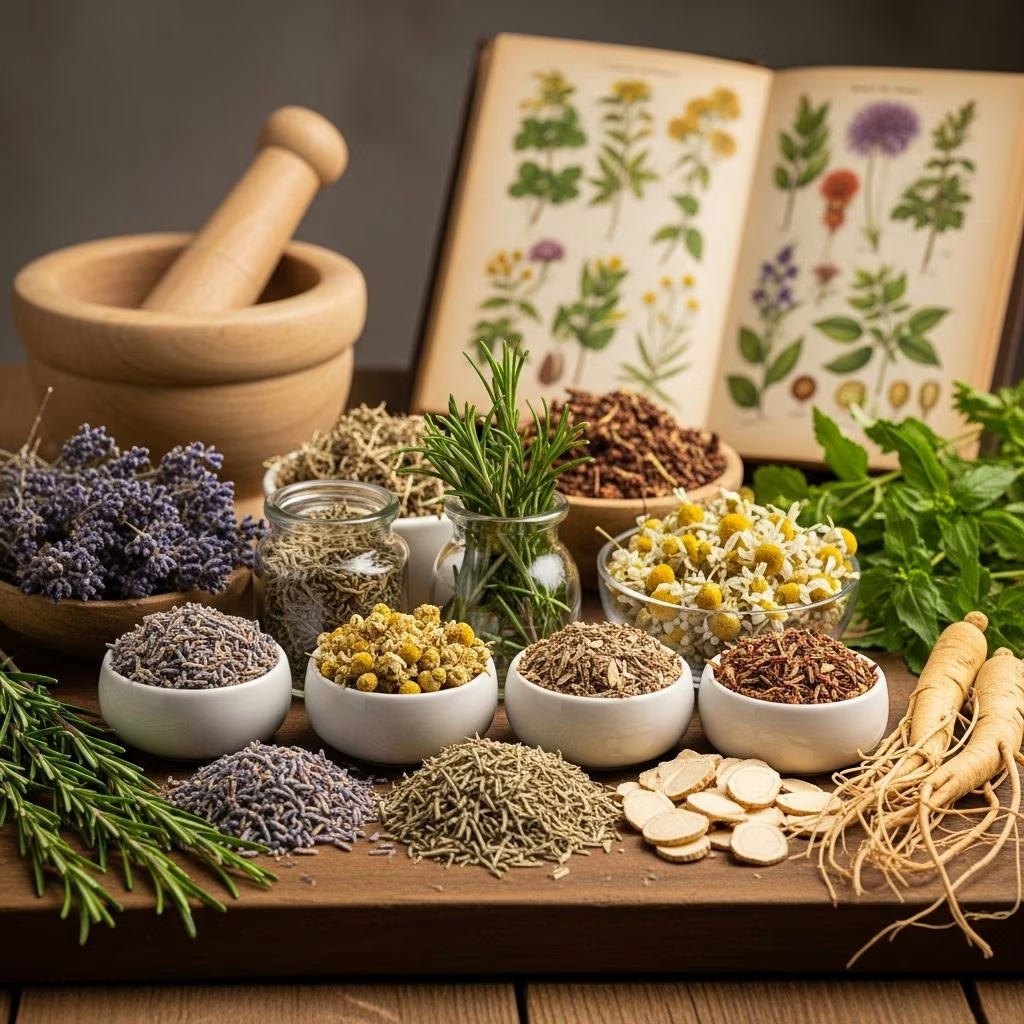
What Are Natural Herbs?
Natural herbs are plants or plant parts—including leaves, roots, stems, flowers, seeds, and bark—that have been traditionally used for their medicinal, aromatic, or culinary properties. For centuries, these botanicals have been integral to various cultural systems, from Ayurveda and Traditional Chinese Medicine to home remedies and modern wellness trends. In the context of health, herbs are primarily valued for their potential to enhance wellbeing or address specific conditions.
Definition and Scope of Herbal Medicine
- Herbal Medicine refers to the use of natural herbs for the prevention and treatment of illnesses and the maintenance of health.
- Herbs can be consumed in various forms: teas, tinctures, capsules, powders, extracts, and topical preparations.
- Some common examples include ginger (for digestion), turmeric (for inflammation), echinacea (for immunity), and peppermint (for soothing digestive issues).
History and Traditional Uses of Herbs
Herbs have played a pivotal role in the evolution of medicine and healing practices:
- Ancient Civilizations: Records from China, Egypt, India, and Mesopotamia describe the use of herbs for a range of ailments.
- Ayurvedic and Traditional Chinese Medicine (TCM): Entire medical systems have evolved around the medicinal properties of local plants, often passed down through generations.
- Folk Remedies: In many cultures, knowledge of local flora and their alleged healing properties forms the basis of home remedies.
- Pharmaceutical Foundations: Many modern pharmaceuticals are directly derived from plant compounds—for example, artemisinin from sweet wormwood (malaria) and taxol from the Pacific yew tree (cancer treatment).
Modern Understanding: How Herbal Medicines Work
Scientific research has validated some traditional uses of plants, but with critical limitations:
- Herbs contain biologically active compounds (such as alkaloids, terpenes, flavonoids, and glycosides) that may interact with animal and human physiology.
- These natural compounds can have positive (and sometimes negative) effects: stimulating the immune system, reducing inflammation, supporting digestion, or even causing toxicity at high doses.
- Regulation: Herbal products are typically classified as dietary supplements in most countries and are not held to the same safety and efficacy standards as pharmaceutical drugs.
Health Benefits of Herbal Remedies
- Immune Support: Some herbs, such as echinacea and elderberry, are known for supporting immune function.
- Anti-inflammatory Effects: Turmeric, ginger, and willow bark contain compounds with potential to reduce inflammation.
- Digestive Health: Peppermint, fennel, and licorice root are traditionally used to soothe digestive discomfort.
- Calming and Stress Relief: Chamomile, lavender, and valerian are often used for their relaxing properties.
- Antioxidant Activity: Many herbs contain polyphenols and other antioxidants that help to combat oxidative stress.
Common Herbs and Their Traditional Uses
| Herb | Traditional Use | Key Constituents |
|---|---|---|
| Echinacea | Immune system support, common colds | Alkamides, polysaccharides |
| Turmeric | Anti-inflammatory, joint pain | Curcumin |
| Ginger | Digestive aid, nausea relief | Gingerols, shogaols |
| Milk Thistle | Liver health | Silymarin |
| St. John’s Wort | Mood, mild depression | Hypericin, hyperforin |
Limitations and Myths: What Herbs Can and Cannot Do
Although herbs can offer meaningful health support, there are critical realities to consider:
- Myth: Herbs Cure Every Disease – Scientific consensus states that no herbal product has been proven to cure chronic diseases such as cancer, diabetes, or Alzheimer’s. They may help manage symptoms, but they are not a substitute for medical treatment and cannot cure underlying diseases.
- Placebo vs. Proven Effect – Some perceived benefits of herbal remedies may actually be due to placebo effects, rather than measured physiological changes.
- Lack of Standardization – Potency and composition can vary widely between herbal supplements, even those with the same name.
- Unregulated Claims – Many supplements make unproven health claims, and in countries like the United States it is illegal to market them as treatments for specific diseases.
Debunking Common Herbal Myths
- Myth: All herbs are inherently safe because they are natural.
Fact: Nature also produces potent toxins. Incorrect dosage or inappropriate use can result in serious adverse effects. - Myth: Herbal remedies never have side effects.
Fact: Active compounds in botanicals can interact with prescription drugs or worsen medical conditions. - Myth: If an herb helped someone else, it will help me.
Fact: Individual responses vary due to genetics, health conditions, and concurrent medications. - Myth: More is better.
Fact: Overdosing on herbs (such as comfrey, kava, or certain essential oils) can cause organ damage or toxicity.
Risks and Safety Concerns: What You Need to Know
The belief that “natural” equals “safe” is one of the most dangerous misconceptions in herbal medicine. Caution and proper guidance are always warranted:
- Potential Side Effects: Like pharmaceuticals, herbs may cause mild to severe reactions—skin rashes, nausea, headaches, or more serious allergic responses.
- Drug Interactions: St. John’s wort, for example, can interact with antidepressants, birth control, and blood thinners, sometimes dangerously so.
- Contaminants: Some herbal products may contain heavy metals (lead, mercury, arsenic) or other adulterants not listed on the label.
- Lack of Purity or Potency: Because regulation is lax, some products do not contain the claimed amounts of the herb (or sometimes none at all).
- Delayed Medical Care: Relying solely on herbs can delay or prevent the receipt of effective medical therapy, sometimes with dire consequences.
Best Practices for Safe Herbal Use
- Always consult with a qualified healthcare professional before starting any new herbal supplement, especially if you are pregnant, nursing, taking medications, or have chronic illnesses.
- Purchase products from reputable brands that offer transparent sourcing and third-party testing for purity.
- Follow recommended dosages and be mindful of any side effects or allergic reactions.
- Inform your healthcare provider of all herbal products you are using.
- Never use herbal remedies as a substitute for proven medical treatments.
Role of Herbs in Modern Healthcare
The role of herbs continues to evolve, with research focusing on identifying active compounds, validating efficacy for certain conditions, and minimizing risk:
- Some herbal extracts are now used in pharmaceutical drugs (e.g., artemisinin, paclitaxel).
- Herbs provide the foundation for ongoing research in chronic disease management, antimicrobial resistance, and integrative medicine.
- Herbal medicine is increasingly seen as a complementary—rather than alternative—approach, to be used in conjunction with evidence-based medical care.
Integrative Approaches
- Personalized advice combines both natural and allopathic treatments to safely improve patient outcomes.
- Herbs are commonly used for supporting general wellness—such as sleep quality, stress reduction, and mild digestive disturbances—but not as stand-alone primary treatments.
Frequently Asked Questions (FAQs)
Q: Can herbs cure diseases like cancer or diabetes?
A: No herbal product has been proven to cure chronic diseases such as cancer, diabetes, or Alzheimer’s. While certain herbs may help support general health or ease symptoms, they must not be used as substitutes for prescribed medical care.
Q: Are herbs safe to use for everyone?
A: Not always. Some herbs can cause dangerous side effects, interact with medications, or worsen existing health conditions. Pregnant women, children, and patients with chronic illnesses must exercise particular caution and consult their doctors.
Q: Is it safe to take herbal products with prescription medications?
A: Not necessarily. Many herbs, like St. John’s wort or ginkgo, can interfere with various drugs. Always inform your healthcare provider about all supplements you are taking to avoid dangerous interactions.
Q: How should I choose and use herbal supplements safely?
A: Choose supplements from reputable manufacturers that offer third-party testing. Avoid unregulated products or those making grandiose health claims, and always use the product as directed. Consult your physician when in doubt.
Q: Are herbal supplements regulated?
A: Herbal supplements are generally regulated as dietary supplements, not as drugs. This means they do not undergo the same rigorous safety and efficacy testing as pharmaceuticals, increasing the risk of inconsistency and contamination.
Conclusion: Maximizing Benefits and Minimizing Risks
Herbs have a time-honored place in traditional healing and modern wellness. When used responsibly—with respect for their strengths and risks—they offer a valuable adjunct to healthy living. However, it’s essential to remain realistic about their capabilities, approach claims with skepticism, and always prioritize safety and science in your health decisions.
References
- https://www.youtube.com/watch?v=Akq0Cy7oRlI
- https://science.feedback.org/review/social-media-posts-wrongly-claim-herbs-can-cure-every-disease-including-cancer-diabetes-alzheimers/
- https://www.youtube.com/watch?v=QmNhFZz5tk4
- https://viralcontent.design/products/herbal-medicine-posts-social-media-templates
- https://www.youtube.com/watch?v=9R194Ypim6o
- https://www.youtube.com/watch?v=vh-FwTnsuJM
- https://www.youtube.com/watch?v=GC5dXmY-Pj8
- https://www.youtube.com/watch?v=Dt3Tx339g6s
- https://www.youtube.com/watch?v=WkxaUaqfthc


