


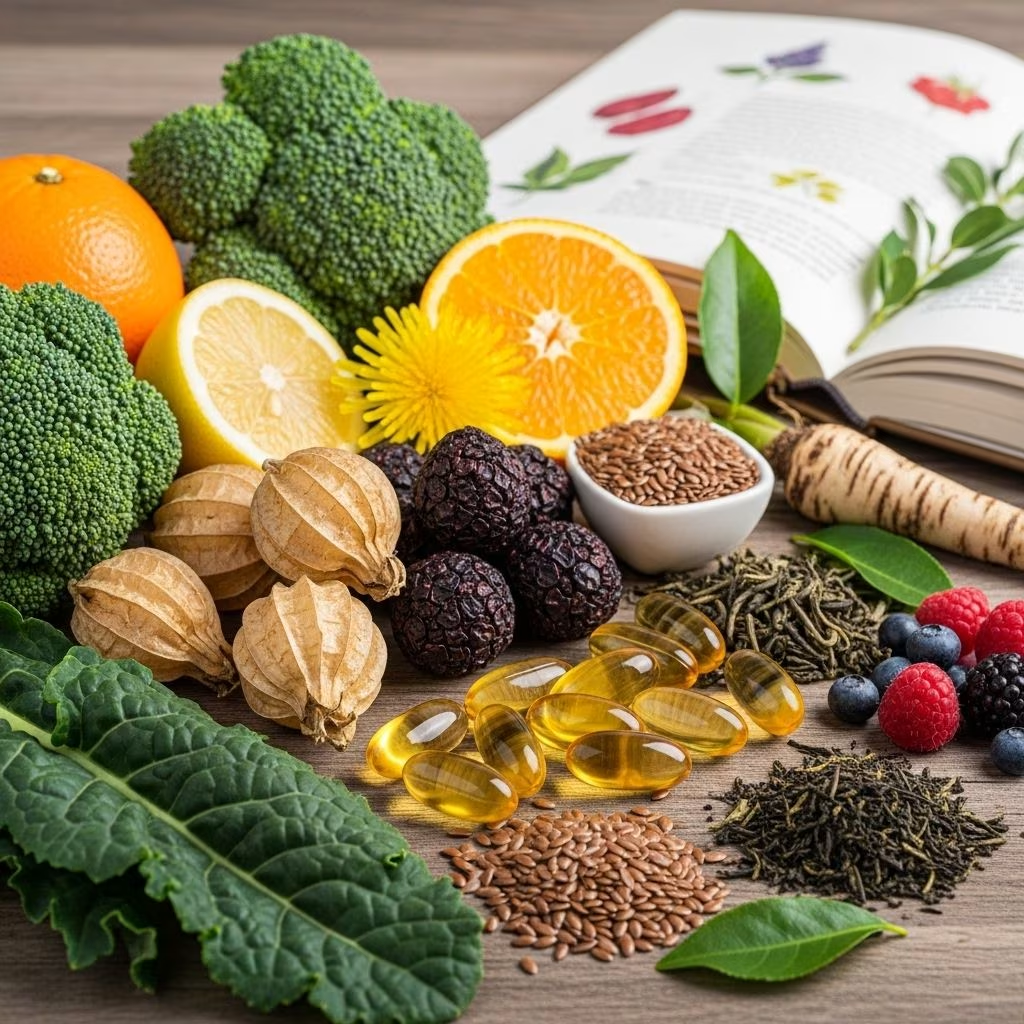
Understanding Fibrocystic Breasts
Fibrocystic breasts are common, affecting many women at some point in their lives. The condition is characterized by lumpy, tender, and sometimes painful breasts, often fluctuating with the menstrual cycle. While benign and not a disease in itself, fibrocystic changes can cause significant discomfort and can sometimes be mistaken for signs of breast cancer on imaging. Many women seek natural remedies to manage symptoms and support breast health.
What Are Fibrocystic Breasts?
Fibrocystic breasts involve lumpiness, swelling, and discomfort resulting from fluid-filled cysts and fibrous tissue. These changes are most pronounced in the childbearing years and typically worsen before menstruation.
- Cyclic mastalgia: Breast pain varies with the menstrual cycle.
- Non-cyclic pain: Persistent pain not linked directly to hormonal fluctuations.
- Bilateral involvement: Both breasts are usually affected, although symptoms can be more severe on one side.
Though these symptoms can be distressing, they are most often non-cancerous. However, any new, persistent, or unusual breast changes require prompt medical evaluation to exclude serious conditions.
Potential Causes
- Hormonal sensitivity: Breast tissue is highly responsive to hormones such as estrogen and progesterone, with cyclical fluctuations often triggering symptoms.
- Imbalance in essential fatty acids: Some evidence links fibrocystic changes to deficiencies or imbalances in certain fatty acids.
- Prolactin levels: Elevated prolactin, a hormone involved in milk production, may contribute to breast tenderness and lumpiness.
- Estrogen dominance: When estrogen is high relative to progesterone, symptoms may be exacerbated.
Conventional vs. Natural Management
While conventional therapies may include pain medications and hormonal interventions, many women prefer to explore natural approaches to minimize side effects and support overall well-being. These strategies can be broadly grouped into:
- Herbal and nutritional supplements
- Diet and lifestyle modifications
- Liver and lymphatic support
- Self-care routines and supportive garments
Herbal Supplements for Fibrocystic Breasts
Chasteberry (Vitex agnus-castus)
Chasteberry is among the most well-researched herbs for cyclic breast pain and fibrocystic changes. Studies show it helps lower prolactin levels, which may alleviate breast tenderness and support hormonal balance. Several controlled trials found that daily supplementation with chasteberry extracts reduced breast tenderness and improved overall premenstrual symptoms.
- May support the body’s natural progesterone production.
- Often taken as a standardized extract or tincture.
- Best results appear after several menstrual cycles.
Ginkgo Biloba
Ginkgo biloba, traditionally used for cognitive and circulatory support, has shown benefits in alleviating breast pain associated with PMS. In double-blind trials, women taking ginkgo extracts experienced reduced breast tenderness.
- Typical dose: 80 mg twice daily during the second half of the menstrual cycle.
- May improve microcirculation in breast tissue.
Liver and Lymphatic Herbs
- Dandelion (Taraxacum officinale): Both the root and leaf have distinct benefits; the leaf acts as a diuretic to reduce swelling, while the root supports liver detoxification.
- Burdock (Arctium lappa): Promotes healthy liver function and aids hormonal balance.
- Milk thistle: Contains silymarin, a potent liver protector.
- Artichoke: Supports bile flow and liver detox.
- Red clover and calendula: Help move lymph, aiding removal of excess fluid from breast tissue.
- Pokeweed (Phytolacca Americana): Used topically for lymphatic drainage, but caution is required due to toxicity. Topical use only under professional guidance.
Other Botanical Medicines
Some additional herbs may help by balancing hormones or supporting detoxification:
- Indole-3-Carbinol or DIM: Naturally found in cruciferous vegetables, these compounds enhance estrogen metabolism.
- Evening primrose oil, borage oil, black currant oil: All supply gamma-linolenic acid (GLA), which supports progesterone and prostaglandin balance.
Vitamins, Minerals, and Other Nutrients
Vitamin E
Vitamin E is supported by evidence for reducing both pain and lumpiness in fibrocystic breasts. Studies suggest that 1,200 IU daily for several months may decrease tenderness and nodularity.
Vitamin B6
Vitamin B6 plays a key role in hormone metabolism and is commonly given as part of a B-complex supplement. It may reduce symptoms by supporting progesterone levels and aiding in estrogen detoxification.
Coenzyme Q10 (CoQ10)
As an antioxidant, CoQ10 increases cellular oxygenation and protects tissue from oxidative stress, potentially easing symptoms.
Iodine
Iodine is essential for healthy breast and thyroid tissue. Low levels make breast tissue more sensitive to estrogen, promoting fibrocystic changes. While some experts recommend “Lugol’s iodine” for more severe cases, this should only be done under professional supervision because excess iodine can affect thyroid function.
- Natural food sources: sea vegetables, seafood, eggs, dairy, and some grains.
Lifestyle and Diet Strategies
Dietary Considerations
- High-fiber, plant-based diets support estrogen elimination by improving regularity and binding excess hormones for excretion.
- Avoid excess animal fat and meat: Can promote bacteria that increase estrogen reabsorption from the gut.
- Increase vegetables and whole grains: Help with hormone balance and digestive regularity.
- Limit sodium: May reduce water retention and swelling.
Caffeine and Methylxanthines
Caffeine, found in coffee, tea, colas, and chocolate, may worsen symptoms for some women. A trial of caffeine elimination for 3–8 months is recommended to determine benefits.
Manage Constipation
Women with infrequent bowel movements have been found to be at higher risk for fibrocystic changes. Improving bowel regularity helps prevent estrogen recirculation.
- Consume more fiber from vegetables, fruits, beans, and whole grains.
- Stay well-hydrated.
- Consider probiotics and fermented foods.
Weight Management and Exercise
Regular physical activity not only helps maintain a healthy weight but also supports hormone balance, reduces inflammation, and assists in lymphatic drainage.
- Aim for at least 30 minutes of moderate activity most days.
- Include a mix of aerobic and strength-building exercises.
Stress Reduction
Stress can worsen hormone imbalances and exacerbate breast discomfort. Stress management techniques include:
- Mindfulness meditation
- Yoga or gentle stretching
- Deep breathing exercises
- Engaging in hobbies and regular recreation
Supportive Therapies and Self-Care
Castor Oil Packs
Applying a castor oil pack to the breasts (or over the liver area) may help reduce swelling and discomfort. The warmth encourages circulation and lymphatic flow.
Homeopathy
Some women find relief with individualized homeopathic remedies, tailored professionally based on specific symptoms.
Supportive Garments
- Wearing a correctly-fitted bra provides essential support and reduces pain, especially during menstruation or exercise.
- Sports bras may offer increased comfort for active women.
Precautions and When to Seek Medical Advice
Although the remedies outlined can help manage fibrocystic breast symptoms, it is vital to remain vigilant about breast health. Consult your healthcare provider if you notice:
- New lumps or persistent changes
- Skin changes (dimpling, thickening, redness)
- Nipple discharge or inversion
- Pain that does not improve with home care
Any self-care plan should be discussed with a qualified health professional, especially if combining herbs or supplements with conventional therapies.
Frequently Asked Questions (FAQs)
Q: What natural supplement offers the most evidence for relieving fibrocystic breast pain?
A: Chasteberry (Vitex agnus-castus) has the strongest clinical evidence for reducing cyclic breast tenderness and balancing hormones associated with fibrocystic changes.
Q: Does caffeine make fibrocystic breast symptoms worse?
A: For some women, caffeine and compounds called methylxanthines may worsen breast pain and lumpiness. A trial of removing these substances from the diet for several months can be helpful to observe any improvements.
Q: How can I use castor oil packs for fibrocystic breasts?
A: Soak a cloth in castor oil, place it over the breasts (avoiding open skin), cover with plastic wrap and a towel, and apply gentle heat for 30–60 minutes, several times per week. This can improve lymphatic flow and reduce swelling.
Q: Are these natural remedies safe during pregnancy or breastfeeding?
A: Not all herbs and supplements are safe during pregnancy or breastfeeding. Consult your provider before starting any new treatment in these stages.
Q: Can lifestyle changes make a difference in fibrocystic breast symptoms?
A: Yes. Regular exercise, reducing dietary fat, increasing fiber intake, and managing stress all support hormone balance and can improve symptoms for many women.
Summary Table: Natural Approaches and Their Benefits
| Remedy / Strategy | Possible Benefit | Notes/Precautions |
|---|---|---|
| Chasteberry (Vitex) | Reduces breast pain and regulates hormones | Not for use with certain hormone-sensitive conditions |
| Ginkgo Biloba | Improves blood flow, may reduce tenderness | Use with caution with blood thinners |
| Vitamin E | Decreases nodularity and tenderness | High doses may increase bleeding risk |
| Evening Primrose Oil | Restores fatty acid balance, reduces pain | Effects may vary; avoid if epileptic |
| Iodine | Reduces estrogen sensitivity in breast tissue | Monitor thyroid status; use cautiously with thyroid disorders |
| Dandelion Leaf | Acts as diuretic for swelling | May lower potassium if overused |
| Castor Oil Packs | Alleviates swelling, improves lymphatic flow | Avoid on broken skin; external use only |
Further Resources
- Consult a licensed herbalist or naturopath for individualized guidance.
- Books: “Women’s Bodies, Women’s Wisdom” by Dr. Christiane Northrup; “The Breast Book” by Dr. Susan Love.
- Always discuss major dietary or supplement changes with your healthcare provider, especially if managing other health conditions.
References
- https://www.ebsco.com/research-starters/complementary-and-alternative-medicine/natural-treatments-cyclic-breast-pain
- https://dutchtest.com/blog/integrative-support-for-patients-with-fibrocystic-breasts
- https://www.walnutcreeknaturopathic.com/blog/taking-the-dis-ease-out-of-fibrocystic-breasts
- https://www.mayoclinic.org/diseases-conditions/fibrocystic-breasts/diagnosis-treatment/drc-20350442
- https://www.peacehealth.org/medical-topics/id/hn-1214006
- https://my.clevelandclinic.org/health/diseases/22080-fibrocystic-breasts
- https://drbrighten.com/fibrocystic-breast-disease/
- https://www.medicalnewstoday.com/articles/324060


