


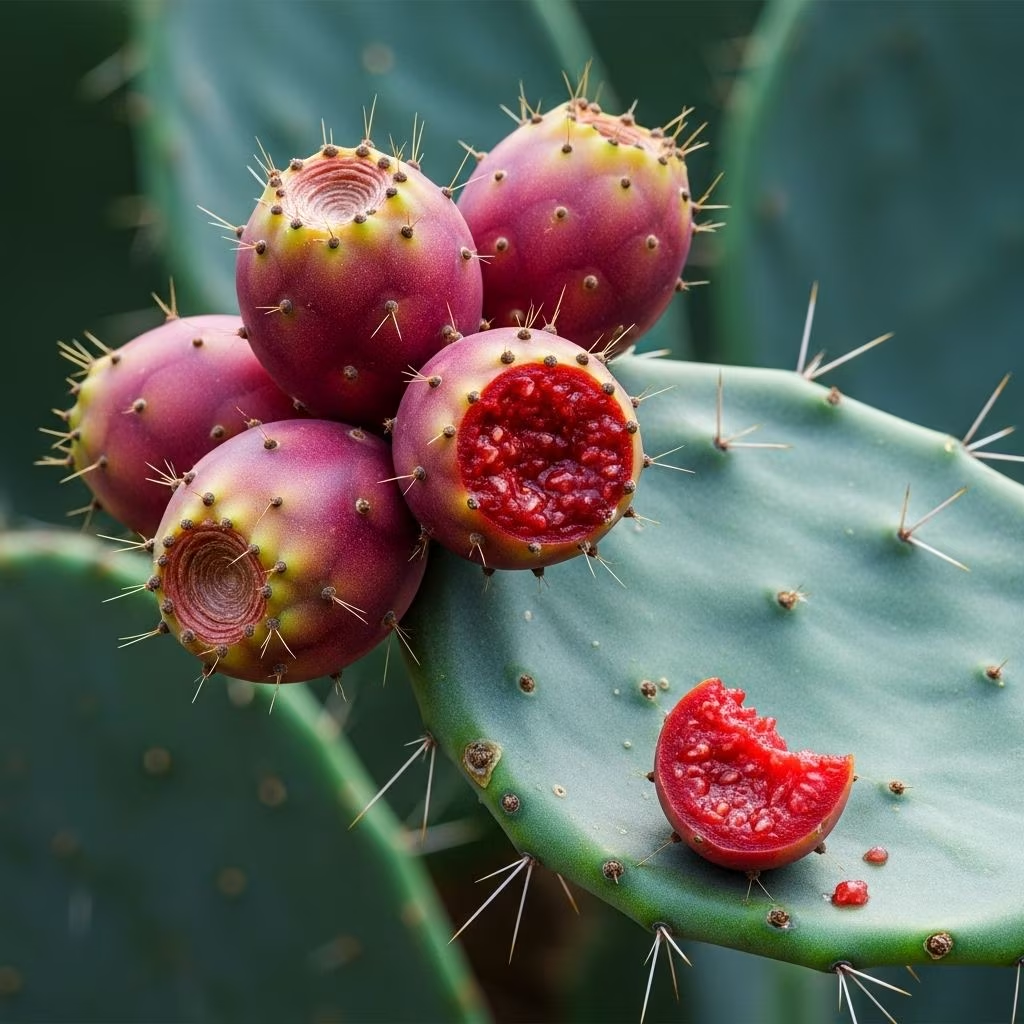
Prickly pear, also known as tuna or Opuntia, is a vibrant fruit that grows on the paddle-shaped pads of a resilient cactus native to the Americas. Long treasured in Indigenous cultures for its nutrition, flavor, and medicinal value, prickly pear has today found global appeal in cuisines and wellness practices. This comprehensive guide explores what prickly pear is, its history, health benefits, ways to use it, and what makes its taste so unique.
What Is Prickly Pear (Tuna/Opuntia)?
Prickly pear is the common name for the fruit of the Opuntia cactus. Unlike other fruits, it grows not from a tree or shrub, but from the flat, paddle-shaped pads (cladodes) of a sprawling, spiny cactus. In Spanish, the fruit is aptly named tuna, while the edible pads are called nopales.
- Native range: The Americas, with particular abundance in the southwestern United States, Mexico, and parts of Central and South America.
- Parts eaten: Both the fruit (tunas/prickly pear) and young pads (nopales) are edible.
- Appearance: Fruit varies in color (deep red, magenta, golden yellow) and is covered with tiny, hair-like spines called glochids.
The popularity of prickly pear has expanded far from its native range—Opuntia species now thrive in Mediterranean, African, Australian, and Middle Eastern climates.
Botanical Characteristics and Varieties
The Opuntia genus is diverse, with over 100 recognized species, ranging from low-lying ground covers to towering shrubs. Some key botanical facts:
- Plant Structure: Prickly pear cacti have flat, segmented, oval or elliptical pads (cladodes) that are technically succulent stems, not leaves.
- Flowers: Large, dramatic blooms (often in orange, yellow, red, or purple) emerge in late spring to early summer, each pad typically producing several flowers.
- Fruit: The edible fruits (tunas) are 2-3 inches long and covered with spines and glochids; ripening mid-summer.
- Spines: Long defensive spines are actually modified leaves, while the tiny barbed glochids can irritate the skin.
- Growth habits: Highly drought- and heat-tolerant, prickly pears thrive where other plants would fail, enduring poor soils and intense sun.
Notable Opuntia Species:
- Opuntia ficus-indica: The most widely cultivated for its sweet, sizeable fruit.
- Opuntia engelmanni: Common in Texas, favored for its dark red fruit.
- Opuntia polyacantha: Known as Plains prickly pear, popular in the Western U.S..
Nutrition and Health Benefits
The prickly pear fruit is more than a culinary curiosity; it is a genuine superfood. Packed with essential nutrients and antioxidants, both the fruit and pads have been used in traditional medicine for centuries. Here are the key nutritional benefits:
- Low Calories: Prickly pear fruit is low in calories, making it a smart snack for weight management.
- High in Fiber: Both the fruit and pads contain soluble and insoluble fiber, aiding digestion and gut health.
- Vitamin C: An excellent source of vitamin C, supporting immune function and skin health.
- Antioxidants: Rich in betalains, flavonoids, and polyphenols, which help fight oxidative stress and inflammation.
- Minerals: Provides magnesium, calcium, potassium, and iron.
Scientific studies indicate eating prickly pear may offer the following health benefits:
- Blood Sugar Regulation: Several studies suggest Opuntia can help lower blood sugar levels, of interest to people with prediabetes or type 2 diabetes.
- Cholesterol Management: Soluble fiber and plant sterols found in the cactus may reduce LDL (“bad”) cholesterol.
- Anti-inflammatory Effects: Traditional usage includes reducing swelling, pain, and even hangover symptoms due to the fruit’s anti-inflammatory compounds.
- Digestive Health: The edible fiber promotes regularity and supports beneficial gut bacteria.
Prickly Pear Nutritional Table (per 100g fruit)
| Nutrient | Amount |
|---|---|
| Calories | 41 Kcal |
| Vitamin C | 14 mg |
| Fiber | 3.6 g |
| Magnesium | 85 mg |
| Potassium | 220 mg |
Culinary Uses of Prickly Pear
Historically, prickly pear was a staple food for Indigenous peoples across North and Central America. Today, it remains popular in Mexico, the Mediterranean, and increasingly in global cuisines. Both tuna (the fruit) and nopales (the pads) are edible.
- Raw: Sliced fruit as a sweet snack or salad ingredient after thoroughly removing the skin and glochids.
- Juice and Beverages: Used to make refreshing drinks, lemonades, and cocktails with a vivid magenta color.
- Jams and Syrups: Prickly pear pulp features in jellies, jams, and syrups.
- Desserts: Adds flavor and color to candies, ice creams, and baked goods.
- Nopales (pads): Prepared as a vegetable—grilled, pickled, sautéed, or added to soups and stews. Popular in Mexican cuisine in salads, tacos, and as a side dish.
Popular Dishes and Food Products
- Prickly pear agua fresca
- Tuna sorbet
- Nopales con huevos (cactus pads with eggs)
- Spicy tuna margarita
- Prickly pear jelly and candies
How to Select and Prepare Prickly Pear
Harvesting and handling require caution, given the presence of spines and tiny, nearly invisible glochids which can cause skin irritation. Always wear gloves when handling fresh fruit or pads.
- Choose ripe fruit: Look for deep red, magenta, or yellow fruits that yield slightly to gentle pressure.
- Remove glochids: Use gloves and a cloth to rub off spines and glochids, or singe them off over a flame.
- Peel the fruit: Cut off the ends, slice lengthwise, and peel back the skin to expose the juicy interior.
- Removing seeds: Fruit contains small, hard seeds that are edible but tough; many prefer to spit them out or strain them from juice.
Tip: If preparing nopales, remove thorns, slice, and boil briefly to reduce mucilage before further cooking.
Unique Taste Profile: What Does Prickly Pear Taste Like?
The flavor of prickly pear fruit is sweet, subtly floral, and refreshing. Tasting notes often highlight:
- A cross between watermelon and bubblegum, with hints of berries.
- Pleasant, mildly sweet taste, sometimes compared to kiwifruit or melon.
- Texture is soft, juicy, and filled with tiny, crunchy seeds.
- Color of the pulp also influences flavor, with redder varieties tending to be sweeter and more aromatic.
Nopales (pads), on the other hand, have a mildly tart, green flavor reminiscent of green beans or asparagus when cooked.
Traditional and Medicinal Uses
Prickly pear was far more than a foodstuff for Indigenous cultures—it was food, medicine, and utilitarian resource. Major traditional uses include:
- Herbal remedy for inflammation, wounds, and digestive ailments.
- Water source: Pads stored water, vital for survival in arid regions.
- Implements: Spines as needles and pads as containers.
- Seeds ground into flour or oil.
Modern herbal medicine uses prickly pear extracts for blood sugar and cholesterol control, though always consult a healthcare professional before self-treating chronic conditions.
Environmental Significance and Cultivation
Prickly pear is an ecological powerhouse. Adapted to drought and poor soils, its ability to thrive in extreme climates has led to its cultivation worldwide for food, horticulture, and soil stabilization. Key facts include:
- Soil Conservation: Extensive root systems help prevent erosion in arid lands.
- Wildlife Habitat: Provides food and shelter for birds, mammals, and insects.
- Global Cultivation: Significant production in Mexico, Mediterranean regions, South Africa, and Australia.
- Ornamental Use: Popular in xeriscaping (low-water landscaping) and drought-resilient gardens.
Precautions, Handling, and Allergies
- Handling: Always use rubber or leather gloves to avoid painful contact with spines and glochids.
- Digestion: Hard seeds may be difficult to digest for some; excessive consumption could cause GI discomfort.
- Allergies: Rare, but some people may experience allergic reactions or skin irritation from spines and mucilage.
- Medicinal use caution: While safe in traditional culinary amounts, excessive or supplemental use should be discussed with a healthcare provider, especially for those on blood sugar-lowering medication.
Frequently Asked Questions (FAQs)
Q: Can I eat prickly pear fruit raw?
A: Yes, prickly pear fruit can be eaten raw after removing the skin, glochids, and spines. The seeds are edible but often spit out due to their hardness.
Q: Is prickly pear healthy for diabetics?
A: Prickly pear has shown potential to help regulate blood sugar levels, but diabetics should consult a doctor before consuming it regularly in large amounts.
Q: How do I know when a prickly pear fruit is ripe?
A: Ripe prickly pears have deep, vibrant color and give slightly when pressed. Avoid fruits with green patches or shriveled skin.
Q: What do I do if I get glochids in my skin?
A: Remove them gently with tweezers or adhesive tape. Do not rub the area, as this can push the spines deeper.
Q: Can you eat the cactus pads (nopales)?
A: Yes, the young, tender pads are edible and are commonly used in Mexican cuisine after de-spining and cooking.
Q: Are there environmental risks with growing prickly pear?
A: In some regions, Opuntia can become invasive due to its easy propagation, so check with your local agricultural extension before planting extensively.
References
- https://www.rockymountainsoda.com/blogs/soda-news/prickly-pear-types-trivia-uses
- https://www.texasbeyondhistory.net/coast/nature/images/prickly-pear.html
- https://www.gardenia.net/genus/opuntia-prickly-pear
- https://plants.ces.ncsu.edu/plants/opuntia/
- https://www.nps.gov/articles/000/plains-prickly-pear.htm
- https://www.desertmuseum.org/kids/oz/long-fact-sheets/Prickley%20Pear.php
- https://www.kew.org/plants/prickly-pear
- https://www.missouribotanicalgarden.org/PlantFinder/PlantFinderDetails.aspx?taxonid=278416&isprofile=0&n=1


