


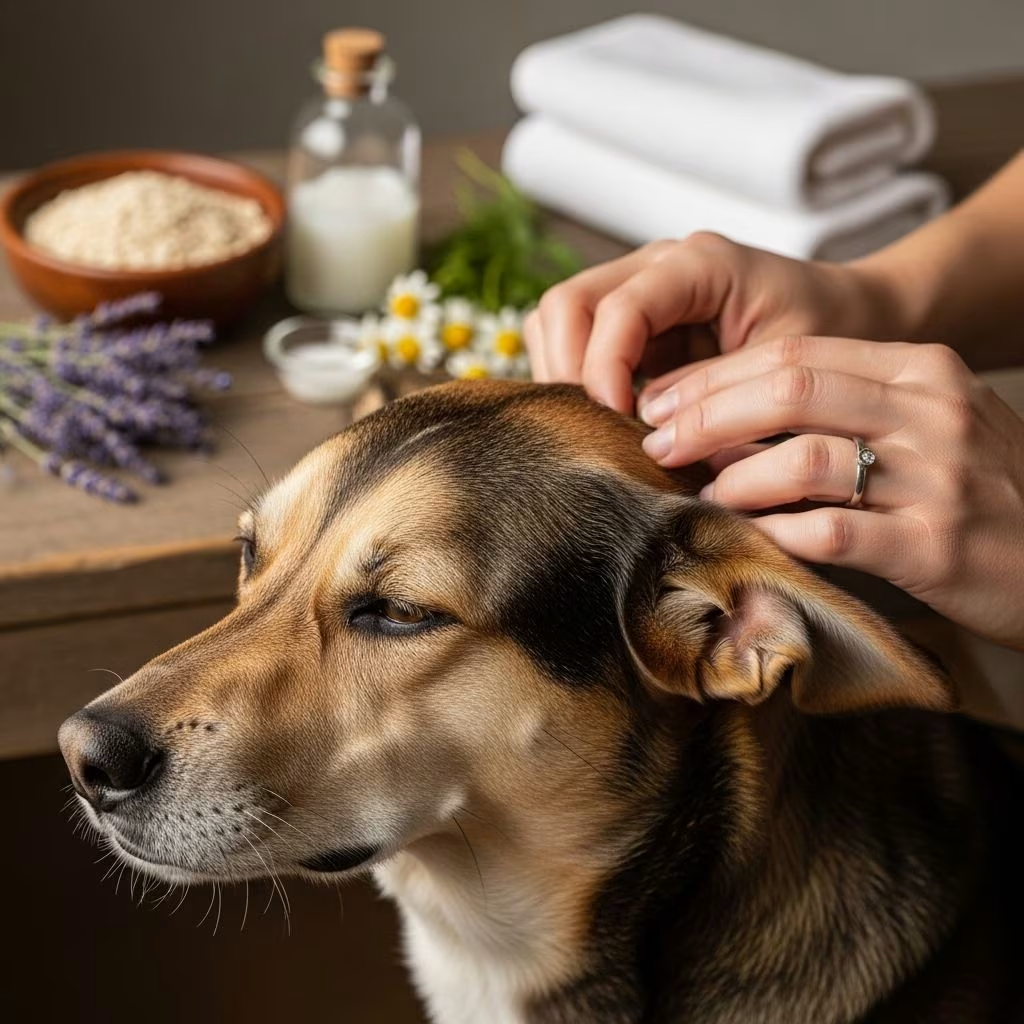
Natural Remedies for Dog Itchy Skin: Keeping Your Pet Comfortable the Holistic Way
Itchy skin in dogs is both common and distressing. Whether your canine companion is scratching, licking, or chewing at their skin, the cause could be allergies, dryness, infections, or environmental irritants. While veterinary intervention is crucial for severe cases, a variety of natural remedies can provide effective, gentle relief for milder symptoms and overall skin health.
Understanding Why Your Dog Is Itchy
Before diving into remedies, it’s important to consider why a dog’s skin might be irritated:
- Allergies – Could be seasonal, food-related, or contact allergies.
- Dry skin – Common in colder months or low humidity, making skin flaky and uncomfortable.
- Infections – Bacterial or fungal infections can lead to persistent itchiness.
- Parasites – Even if no fleas are present, mites or other parasites may still cause irritation.
- Environmental factors – Pollens, molds, soaps, or cleaning chemicals.
Main Causes of Itchy Skin in Dogs
If your pet is persistently scratching, it’s vital to identify possible triggers, such as:
- Environmental allergies (grass, pollen, dust mites)
- Food sensitivities
- Reaction to grooming products or household chemicals
- Bites from insects or parasites
- Underlying skin infections
Always consult your veterinarian to rule out serious medical issues, including infections or significant allergies. Once diagnosed and major risks ruled out, you may consider home remedies as supportive treatment.
Top Natural Remedies for Dog Itchy Skin
1. Oatmeal Baths
An oatmeal bath is one of the safest, most popular natural remedies for itchy skin in dogs. Oatmeal possesses anti-inflammatory properties that soothe irritation, forming a protective barrier and moisturizing the skin. Simply grind plain, old-fashioned oats into a powder or use store-bought colloidal oatmeal, and mix with warm water for a soothing soak.
- Mix ground oatmeal in bathwater until it forms a milky consistency.
- Let your dog soak for 10–15 minutes.
- Rinse thoroughly and pat dry.
Benefits include immediate relief from itching, protection from allergens, and gentle hydration for dry or sensitive skin.
2. Herbal and Tea Soaks (Chamomile, Calendula, Green Tea)
Chamomile, calendula, and green tea are renowned for their anti-inflammatory and soothing abilities. When used as a soak or rinse, these teas can reduce redness, swelling, and discomfort.
- Steep several herbal tea bags in hot water for 5 minutes.
- Let the water cool completely.
- Pour over affected areas or let your dog soak in the herbal solution for 5–10 minutes.
For smaller itchy patches, steep 1–2 tea bags in two cups of hot water, cool, and apply gently with a sponge or spray bottle. Allow it to drip dry without rinsing for maximum effect.
3. Apple Cider Vinegar Spray
Apple cider vinegar (ACV) is a traditional remedy for itchy skin. It acts by restoring the skin’s natural pH balance and possesses antibacterial and antifungal properties. However, always avoid using ACV on open wounds or raw skin, as it can sting and worsen discomfort.
- Mix equal parts water and ACV in a spray bottle.
- Spray directly onto affected areas or use as a paw soak.
- Let sit for 5 minutes and dry naturally.
ACV is particularly helpful for contact allergies, mild infections, and to deter parasites. If using as a bath, mix one part vinegar to four parts water, and soak paws or affected regions briefly. Always monitor your dog for signs of sensitivity.
4. Coconut Oil
Coconut oil is celebrated both as a skin moisturizer and a source of relief from minor irritation. Its natural antibacterial and antifungal properties can help soothe dry, flaky, and itchy skin while promoting healing.
- Use virgin, unrefined coconut oil for best results.
- Apply a thin layer directly to affected areas.
- Let absorb for 5–15 minutes, then rinse if desired.
It is safe for dogs to ingest small amounts and can improve overall skin condition when added to their diet—but consult your vet for dosage.
5. Aloe Vera Gel
Pure aloe vera gel provides excellent relief for inflamed, itchy, or dry skin in dogs. The natural plant enzymes reduce itch and inflammation while hydrating.
- Use only pure, additive-free aloe vera gel, ideally directly from the plant.
- Massage gently onto affected skin or coat areas.
- Leave on for up to 15 minutes, then rinse with warm water.
Ensure your dog does not ingest aloe vera gel, as ingestion in large quantities can be toxic.
6. Turmeric Paste
Turmeric contains curcumin, a powerful anti-inflammatory, antibacterial, and antioxidant agent.
- Mix turmeric powder with water to form a paste and apply to affected areas.
- Leave on for 10–15 minutes before rinsing.
Turmeric naturally supports healing and may reduce redness and itching. However, too much topical application can cause staining, so use cautiously.
| Remedy | Main Benefit | Application Advice | Precautions |
|---|---|---|---|
| Oatmeal Bath | Soothes irritation, moisturizes | Soak for 10–15 minutes, rinse | None for healthy skin |
| Herbal Tea Soak | Reduces inflammation | Apply cool, let dry | Avoid eyes |
| Apple Cider Vinegar | Restores pH, antibacterial | Spray or soak, avoid wounds | Don’t use on broken skin |
| Coconut Oil | Moisturizes, antifungal, antibacterial | Apply thin layer, absorb/rinse | Monitor for excess licking |
| Aloe Vera Gel | Hydrates, soothes | Massage, rinse after minutes | Pure aloe only; not for ingestion |
| Turmeric Paste | Anti-inflammatory, healing | Apply & rinse, avoid excess | May stain fur; patch test first |
Important Tips Before Trying Home Remedies
- Consult your veterinarian before starting any new treatment, especially for persistent or severe symptoms.
- If open wounds, raw or bleeding skin are present, skip irritant remedies and seek vet care immediately.
- Test a small area first to check for reactions.
- Avoid giving dogs access to ingest topical remedies; supervise after application.
- Combine remedies with environmental management, including regular grooming, cleaning, and monitoring of allergens.
Preventing Future Dog Itchiness
- Regular bathing with hypoallergenic shampoos or oatmeal-based formulas.
- Routine flea and parasite prevention.
- Dietary adjustments—consider vet-recommended foods for sensitive skin or allergies.
- Frequent grooming to remove allergens and maintain a healthy coat.
- Maintain a clean home environment: vacuum often, wash bedding regularly.
When Should You See the Veterinarian?
Natural remedies are most helpful for mild symptoms and maintenance. Seek veterinary attention if you notice:
- Relentless scratching, licking, or chewing
- Hair loss, redness, or sores
- Signs of infection (odor, discharge, swelling)
- No improvement after trying remedies
- Changes in appetite, mood, or general health
Frequently Asked Questions (FAQs)
Q: What are the safest home remedies for mild dog itchiness?
A: Oatmeal baths, herbal tea soaks (chamomile, calendula, green tea), and coconut oil are considered gentle and safe for most dogs. Always test a small area first and consult your vet if uncertain.
Q: Can I use apple cider vinegar on my dog’s skin?
A: Yes, but never on raw or open skin, as it may sting. Use a 50/50 solution of ACV and water, apply topically to affected areas, and avoid the face or wounds.
Q: How often should I bathe my dog using these remedies?
A: Bathing frequency depends on your dog’s needs and skin condition. For oatmeal baths, once a week is typically sufficient for maintenance. Overbathing may dry the skin further, so monitor your dog’s response.
Q: Are these remedies effective for all types of itchy skin?
A: These remedies offer effective relief for itching linked to mild allergies, dryness, or irritation. Persistent or severe itching may require veterinary treatment, especially if caused by infection or underlying disease.
Q: Can I prevent itchy skin through diet?
A: Yes, feeding a balanced diet, incorporating omega-3 fatty acids, and avoiding food allergens can promote skin health and reduce itchiness.
Summary: Giving Your Dog Itch-Free Comfort Naturally
Keeping your dog happy and comfortable is a top priority for pet owners. With a blend of attentive care, natural remedies, and regular veterinary check-ups, you can alleviate and prevent the distress caused by itchy skin. From oatmeal baths and herbal soaks to coconut oil and aloe vera, gentle home treatments can make a significant difference—just remember to monitor your dog’s response and always consult your vet for best practices.
References
- https://www.petmd.com/dog/general-health/home-remedies-for-dogs
- https://www.buddyandlola.co.uk/blogs/news/the-best-home-remedies-for-dog-skin-allergies
- https://www.wedgewood.com/blog/no-fleas-but-still-itching-a-dog-owner-s-guide-to-understanding-and-treating-dog-itchiness/
- https://www.akcpetinsurance.com/blog/5-natural-remedies-to-help-your-itchy-dog
- https://www.papayapet.com/resources/itch-relief-for-dog-skin/
- https://thevets.com/blog/home-remedies-for-dogs-itchy-skin/
- https://www.okvets.com/post/remedies-for-itchy-pet-paws
- https://www.pethonesty.com/blogs/blog/7-ways-to-relieve-your-dog-s-itchy-skin
- https://www.youtube.com/watch?v=nrk9j-TmHn0


