


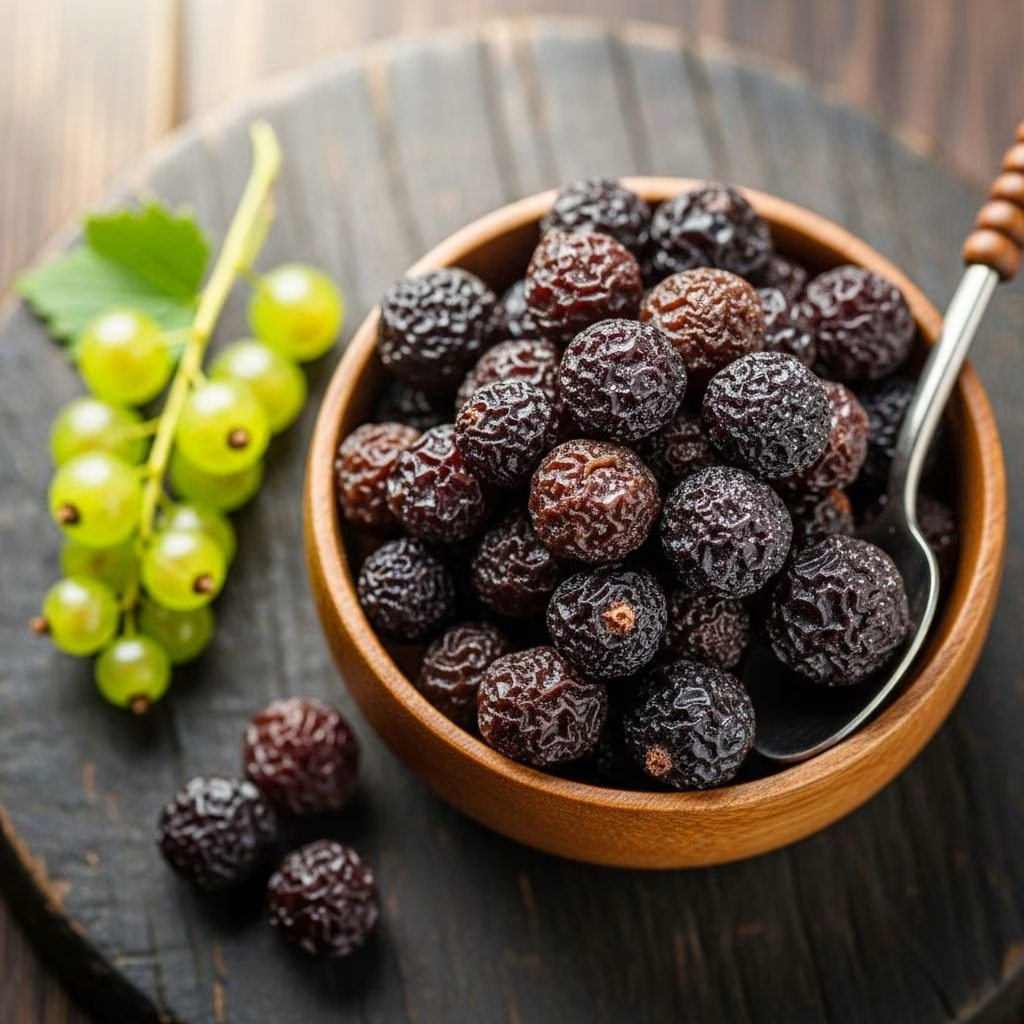
Zante currants—also known as Corinth raisins, Corinthian raisins, or simply currants—are small, intensely flavored, sweet, and tart dried fruits made from the Black Corinth grape (Vitis vinifera). Although often confused with berries like blackcurrant or red currant, Zante currants are actually tiny, seedless raisins with a unique historical legacy and a long-standing role in Mediterranean and global baking traditions.
Origin and History of Zante Currant
Zante currants trace their roots to the ancient Mediterranean. Derived from the Black Corinth grape, these currants were first cultivated on the Ionian Island of Zakynthos, known as “Zante” in English. The name comes from the Anglo-French phrase “raisins de Corinthe” (grapes of Corinth), referencing the historical port of Corinth in Greece, which was a major export hub for the fruit as early as 75 AD. Ancient writers such as Pliny the Elder described these grapes as among the tiniest and sweetest known varieties in antiquity.
Throughout the Middle Ages, Venetian traders facilitated commerce of these currants throughout Europe after procuring them from Greek producers. By the 14th century, Zante currants were being imported to England labeled as “Reysyns de Corauntz.” Ultimately, the term “currant” evolved as an Anglicized form of “Corinth.”
In the United States, Black Corinth grapes were introduced as early as the mid-19th century, but gained commercial traction after the early 1900s, with vineyards established—especially in California—that continue to produce these currants today.
Botanical Characteristics
- Species: Vitis vinifera
- Cultivar: Black Corinth (as well as related White and Red Corinth varieties)
- Type: Small, thin-skinned, seedless grape; dried into raisin-like form
- Growth Region: Historically Mediterranean; now also grown in California
Unlike true currants (black, red, and white currants, which are berries in the Ribes genus), Zante currants are dried grapes, closely resembling miniature raisins. The Black Corinth grape is notable for producing small, intensely sweet berries with few or no seeds.
Nutritional Content and Health Benefits
Zante currants are naturally nutrient-dense and provide a range of vitamins, minerals, fiber, and antioxidants in a concentrated, calorie-dense package. Below is a nutrient breakdown based on a 100g sample:
| Nutrient | Amount per 100g |
|---|---|
| Calories | 283 kcal |
| Carbohydrates | 74.08 g |
| Dietary Fiber | 6.8 g |
| Sugar | 67.28 g |
| Protein | 4.08 g |
| Total Fat | 0.27 g |
| Calcium | 86 mg |
| Iron | 3.26 mg |
| Potassium | 892 mg |
| Vitamin C | 4.7 mg |
Key health benefits of Zante currants:
- Rich in fiber: Supports digestive health and may contribute to satiety, making these currants a good snack choice for weight control.
- Good source of potassium: At nearly 900 mg per 100g, Zante currants can contribute to healthy blood pressure and cardiovascular function.
- Micronutrient content: Provides notable amounts of calcium, iron, and Vitamin A, all essential for bone health, oxygen transport, and immune function.
- Antioxidants: Contains anthocyanins and other polyphenols, which may help combat oxidative stress and lower chronic disease risk.
- Low in fat and sodium: A heart-healthy, cholesterol-free snack option.
It is important to note that, unlike true currants (Ribes), Zante currants are not a significant source of vitamin C.
Culinary Uses and Applications
Zante currants hold a cherished place in European—especially British and Mediterranean—cuisine. Their intense sweetness, subtle tartness, and tiny size make them perfect for:
- Baked Goods: Scones, currant buns, fruitcakes, cookies, teacakes, bread and butter pudding, Welsh cakes, bara brith, mince pies, and Christmas pudding.
- Desserts: Saffron cake, Eccles cakes, currant slice/currant squares, rice puddings, granola, yogurt toppings.
- Savory Dishes: Pilafs, stuffings, salads, and paired with cheeses or as a topping on roasted meats.
- Breakfast: Mixed into cereals or oatmeal for added texture and flavor.
Zante currants disperse more evenly in batters and doughs compared to larger raisins, making them ideal for recipes where a subtle distribution of sweetness and chew is desired. They rehydrate easily if soaked in liquid and can also be macerated in spirits for more robust desserts. In salads and savory dishes, they add bursts of concentrated sweetness and subtle acidity to balance flavors.
Traditional and Modern Recipes Featuring Zante Currants
- Currant buns and Oxford teacakes
- Eccles cakes and Garibaldi biscuits
- Mince pies (particularly popular at Christmas)
- Tagines or Stuffed vegetables in Mediterranean cuisine
- Rice pilafs, couscous, and tabbouleh
In the United States and Europe, Zante currants are less often eaten as stand-alone snacks but are celebrated for their complex contribution to layered recipes.
Taste Profile and Flavor Notes
The standout feature of the Zante currant is its concentrated, intense flavor. Their small size yields a higher ratio of skin to pulp, and sun-drying further condenses their natural sugars and acids.
- Flavor: Sweet, tart, and tangy, with a concentrated raisin essence and subtle nuances of grape and jam
- Texture: Chewy, slightly sticky, and tender—distinct from plumper raisins or sultanas.
- Color: Deep purple-black to dark brown
- Aroma: Fruity and winey, with hints of caramelized sugars from sun-drying.
Because they are less juicy and smaller than regular raisins, Zante currants offer intense bursts of flavor in every bite, with a harmonious balance between natural sweetness and gentle acidity—making them highly sought after in both traditional and modern recipes.
Storage and Selection Tips
- Storage: Store in a cool, dark place in an airtight container to prevent moisture loss and insect contamination. For longer shelf life, keep them in the refrigerator. Properly stored Zante currants can last for 6 to 12 months.
- Selection: Choose currants that are uniformly dark in color, slightly glossy, and free from stems or foreign particles. They should taste fresh, not stale, rancid, or musty.
- Ingredients: Authentic Zante currants may be lightly coated in sunflower oil to prevent clumping.
Comparison With Other Dried Fruits
Though commonly mistaken for other types of currants or raisins, Zante currants stand apart in several key aspects. Here is a comparative table:
| Fruit | Size | Color | Flavor | Main Uses |
|---|---|---|---|---|
| Zante Currant | Very small | Dark purple-black | Intense, tart-sweet | Baked goods, desserts, savory dishes |
| Raisin (Thompson Seedless) | Medium | Dark brown | Sweet, mild | Snacks, cereals, baking |
| Golden Raisin (Sultana) | Medium | Golden-yellow | Mildly sweet | Baking, snacking |
| Blackcurrant/Redcurrant (Ribes) | Small berry | Black/Red | Tart, juicy (fresh) | Jams, syrups, juices |
Despite the name, Zante currants are not botanically related to berry currants (Ribes genus) and provide a distinct texture and flavor intensity compared to larger, plumper raisins.
Potential Side Effects and Precautions
- Caloric Density: Due to their high natural sugar content, Zante currants should be eaten in moderation, especially for individuals managing blood sugar levels.
- Allergy information: Generally allergen-free, though sometimes processed with sunflower oil.
- Toxicity to Pets: As with other grapes and raisins, Zante currants are nephrotoxic (can cause kidney failure) in dogs and should never be fed to pets.
Frequently Asked Questions About Zante Currants
Q: Are Zante currants the same as blackcurrants or red currants?
No, Zante currants are dried grapes from the Black Corinth variety (Vitis vinifera), while blackcurrants and red currants are fresh berries from the Ribes genus. The flavor, texture, and culinary uses are quite different.
Q: How do you use Zante currants in baking?
Zante currants are ideal for scones, buns, puddings, cakes, and cookies. Their small size allows them to disperse evenly and add subtle sweetness to baked goods. For extra plumpness, soak them briefly in water, juice, or spirits before use.
Q: Are Zante currants healthy?
Yes, they are a good source of fiber, potassium, iron, and other nutrients. However, they are calorie-dense due to concentrated natural sugars, so portion control is advised for those watching their sugar intake.
Q: Can Zante currants be eaten raw?
Zante currants are sun-dried in their production process and are typically consumed as-is or cooked/baked into recipes. They do not require additional cooking before eating, though they may be rehydrated for certain dishes.
Q: How should Zante currants be stored?
Keep Zante currants in a cool, dark place in a sealed container. For longer shelf life, store them in the refrigerator. Under proper conditions, they can remain fresh up to a year.
Conclusion
Zante currants are a historic and flavorful ingredient prized for their unique, intense taste and versatile role in both sweet and savory dishes. With roots in ancient Greece and valued today for their nutritional properties and concentrated flavor, these tiny dried grapes continue to be a pantry staple for classic baking and innovative culinary creations. Remember to distinguish them from true currants, enjoy them in moderation, and store properly for best quality and taste.
References
- https://en.wikipedia.org/wiki/Zante_currant
- https://hummingbirdwholesale.com/products/currants-zante-f175
- https://www.trainadriedfruit.com/wp-content/uploads/2023/05/Currants.pdf
- https://www.sunmaid.com/products/zante-currants/
- https://www.amritahealthfoods.com/products/zante-currants
- https://www.yourdictionary.com/zante-currant
- https://www.merriam-webster.com/dictionary/Zante%20currant
- https://www.therarewelshbit.com/corinth-raisins-or-zante-currants/


