


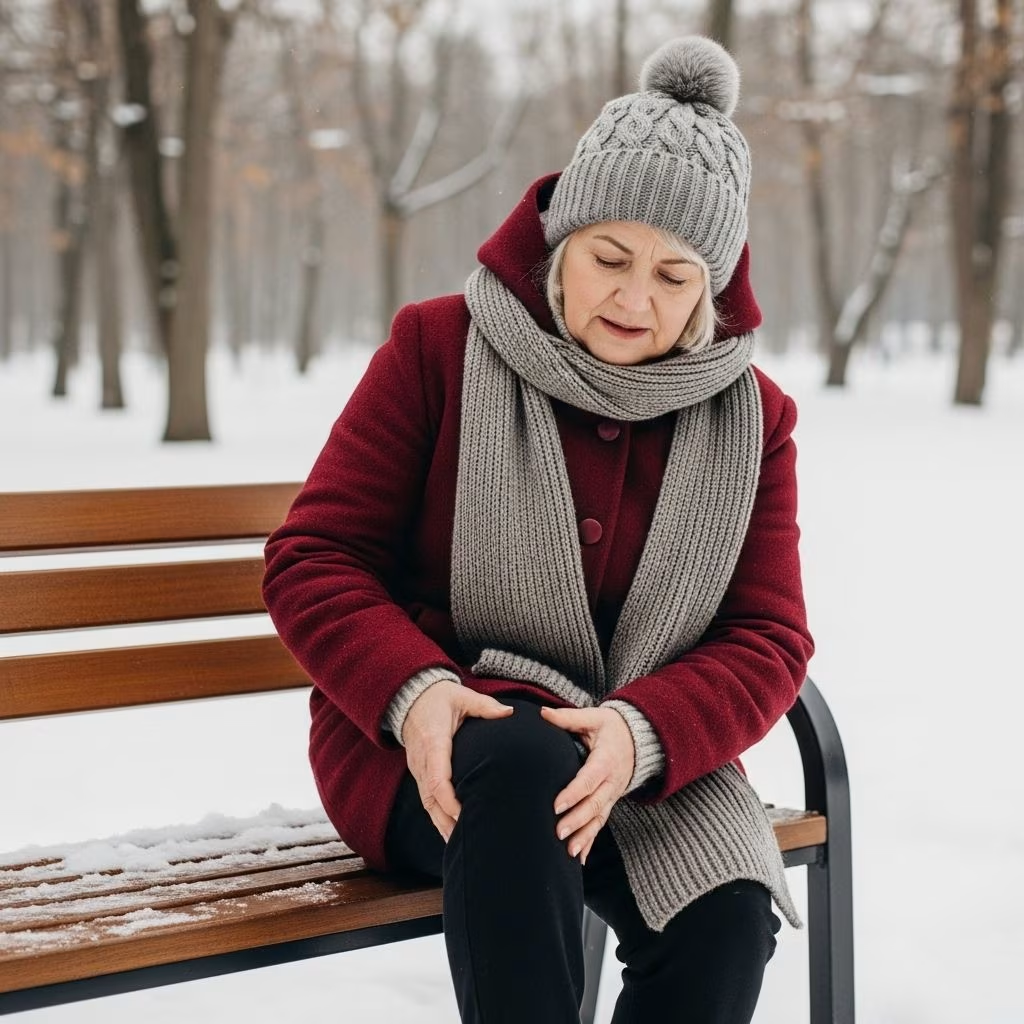
Winter Joint Pain Relief: Causes, Natural Remedies & Tips for Seniors
As the temperature drops, many seniors report increased joint pain and stiffness. While this seasonal discomfort can interfere with daily living, understanding the science behind winter joint pain and implementing simple remedies can offer significant relief. This comprehensive guide explores why joint pain worsens in winter, effective natural remedies, and expert-backed tips for seniors to maintain mobility and comfort throughout the colder months.
Why Does Joint Pain Worsen in Winter?
Colder weather often brings heightened joint discomfort for seniors, but why does this happen? Medical experts attribute increased pain and stiffness to several physiological and lifestyle factors that change with the season:
- Reduced Blood Flow to Extremities: Cold temperatures cause nerves and blood vessels to constrict, decreasing circulation to limbs and prioritizing warmth for vital organs. Less blood flow means joints and muscles receive fewer nutrients and less oxygen, resulting in stiffness and soreness.
- Drop in Barometric Pressure: Changes in atmospheric pressure can cause joint tissues to expand slightly, producing more pressure and pain inside already sensitive joints, particularly in those with arthritis.
- Less Activity and Movement: People tend to exercise less during winter, worsening joint stiffness and reducing flexibility. Reduced activity can also cause loss of muscle strength, further destabilizing joints.
- Increased Sensitivity in Pre-Existing Conditions: Areas already affected by osteoarthritis, rheumatoid arthritis, or chronic pain often have more sensitive nerve endings, which perceive the cold as increased pain.
- Muscle Tightening: The body naturally tenses its muscles when trying to retain warmth, reducing joint mobility and exacerbating discomfort.
While the exact mechanism is not fully understood, these factors can interact to make even mild winter weather feel much harsher on aging joints.
Arthritis and Winter: A Closer Look
Arthritis—especially osteoarthritis and rheumatoid arthritis—can flare up in the cold. Over 58 million Americans have some type of arthritis, and for many, winter is the most uncomfortable season. The synovial fluid inside the joints thickens as temperatures drop, reducing lubrication and increasing friction during movement. This combination of physiological and behavioral changes makes those with arthritis especially vulnerable to winter-related joint pain and stiffness.
Common Causes of Winter Joint Pain in Seniors
Winter joint pain is a multifactorial problem, especially for older adults. The most common causes include:
- Osteoarthritis: Age-related wear-and-tear leading to loss of cartilage, worsened by cold weather.
- Rheumatoid Arthritis: An autoimmune disease that inflames joints, with cold temperatures intensifying discomfort.
- Fibromyalgia: A pain disorder aggravated by muscle tightness and reduced temperature.
- Inactivity: Elderly individuals may move less due to cold, leading to muscle weakness and decreased joint support.
- Poor Circulation: Age-related reduction in vascular health, making the cold’s impact on blood flow more pronounced.
How Weather Works Against Joint Health
Seasonal changes don’t just signal colder days—they meaningfully impact bodily systems tied to joint function:
- Barometric Pressure Fluctuations: Lower pressure around the joints can trigger tissue swelling, intensifying pain, especially in seniors with joint diseases.
- High Humidity & Wind: Wetter, windier weather can also aggravate symptoms, though dry, warm climates like Arizona’s are often preferred by joint pain sufferers.
- Physical Stress from Cold: Sudden temperature shifts put stress on connective tissues, reducing flexibility and potentially leading to injury if one is not cautious.
Natural Remedies to Ease Winter Joint Pain
While medical treatments are available, many seniors find natural remedies effective for managing mild-to-moderate discomfort. Always consult with a healthcare provider before starting a new regimen, but consider the following evidence-based approaches:
1. Keep Joints Warm and Protected
- Layer Smartly: Wear thermal clothes, especially on joints like knees, hips, and shoulders. Well-insulated gloves and thick socks safeguard fingers and toes where circulation is poorest.
- Use Heat Therapy: Apply heated pads, warm compresses, or electric blankets to sore areas to boost blood flow and reduce stiffness (avoid extended use to prevent burns).
- Optimize Home Comfort: Use draft stoppers on windows/doors, maintain a comfortable indoor temperature, and consider a humidifier to combat dry winter air.
2. Gentle Exercise and Stretching
Regular movement is one of the most important factors in maintaining joint health. Physical activity can be adapted for winter:
- Morning Stretching: Begin each day with gentle stretches to warm stiff muscles and loosen joints.
- Indoor Walking: If outdoor conditions are difficult or unsafe, walk laps indoors or march in place for steady movement.
- Low-Impact Activities: Try chair yoga, Pilates, or aquatic exercises. These activities maintain flexibility without putting stress on sensitive joints.
- Strength Training: Light resistance exercises can build muscle around joints, providing crucial support and stability.
3. Nutrition and Hydration
- Anti-Inflammatory Diet: Emphasize foods rich in omega-3 fatty acids (like salmon, flaxseed), antioxidants (berries, leafy greens), and vitamin D to combat inflammation and support joint health. Some people report symptom relief from turmeric and ginger, which have natural anti-inflammatory properties (discuss with your doctor first).
- Stay Hydrated: Dehydration can worsen joint pain, so aim for at least 6–8 glasses of water a day, even in winter when thirst cues are lower.
4. Maintain a Healthy Weight
Excess weight puts additional strain on weight-bearing joints (knees, hips, ankles), particularly painful in cold weather. Gradual, sustainable weight management reduces this burden and inflammation overall.
5. Massage and Physical Therapy
- Gentle Massage: Massaging sore areas increases blood flow, eases muscle tension, and encourages endorphin release—a natural painkiller.
- Targeted Physical Therapy: A licensed physical therapist can assist with movement strategies, range-of-motion exercises, and pain-reducing modalities specifically designed for joint health in seniors.
6. Rest and Sleep
- Aim for adequate sleep each night to allow tissues to recover and reduce the body’s overall inflammatory response.
- Use extra pillows to support joints and maintain comfort when resting or sleeping.
Lifestyle Tips for Seniors to Prevent Winter Joint Pain
Preparation and prevention are vital for minimizing cold-weather joint pain.
- Plan Activities: Schedule outdoor errands for the warmest part of the day and avoid exposure when temperatures are extreme.
- Dress for Success: Choose loose, layered, and moisture-wicking clothing to stay warm without restricting movement.
- Warm Up Gradually: Before any physical activity, gently warm up muscles and joints to avoid sudden tightness or injury.
- Avoid Sudden Overexertion: Cold weather increases the risk of strains and sprains, so move gradually and listen to your body.
- Maintain Regular Medical Care: Ensure regular check-ins with your healthcare provider and stay current on management plans for any chronic conditions.
- Monitor the Weather: Be mindful of rapid changes in temperature, humidity, or barometric pressure, adjusting activity and attire as needed.
Home Modifications for Safety & Comfort
- Install handrails where needed to prevent falls when mobility is reduced.
- Keep pathways free of ice and snow if you must go outside.
Medical Intervention: When to See a Doctor
While natural remedies and preventative strategies can offer relief, some symptoms may require medical attention:
- Persistent joint pain or swelling that does not improve with rest or home remedies
- Sudden onset of severe pain, redness, or warmth around a joint (could indicate infection)
- Frequent joint locking, giving out, or significant reduction in range of motion
- Systemic symptoms like fever, unexplained weight loss, or fatigue alongside joint symptoms (especially in rheumatoid arthritis)
If you experience these symptoms, contact your healthcare provider to rule out more serious conditions and update any chronic disease management plans.
Frequently Asked Questions (FAQs)
Why do my joints ache more in the winter?
Joint pain intensifies in winter due to reduced circulation from cold-induced constriction of blood vessels, changes in barometric pressure, lower activity levels, and increased muscle tension.
Does everyone experience more joint pain in the cold?
Not everyone is equally affected, but those with pre-existing arthritis, chronic pain, or circulatory issues are more likely to notice increased discomfort in winter conditions.
Can moving to a warmer climate help?
Many joint pain sufferers report symptom improvement in dry, warm climates; however, weather-triggered joint pain is influenced by changes in humidity and pressure as well, so relief may vary by individual.
Which natural remedies are safe for managing winter joint pain?
Heat therapy, gentle stretching, low-impact exercises, an anti-inflammatory diet, and adequate hydration are usually beneficial. Always check with a healthcare provider before beginning herbal supplements or making major activity changes.
When should I seek medical advice for joint pain?
Contact your doctor if you experience pain that persists, limits mobility, is associated with swelling, redness, or warmth, or if you have other systemic symptoms like fever or significant fatigue.
Winter Joint Pain Relief Tips: Quick Reference Table
| Tip | Description | Why It Works |
|---|---|---|
| Stay Warm | Layer clothing, use heated pads, keep indoor temperature comfortable | Improves circulation, reduces muscle tension, eases stiffness |
| Move Regularly | Stretch, walk, do yoga or aquatic exercises daily | Maintains flexibility, strengthens joints, reduces pain |
| Eat Smart | Focus on anti-inflammatory foods, maintain hydration | Supports joint health and reduces inflammation |
| Use Heat Therapy | Apply warm compresses or take warm showers/baths | Relaxes muscles and increases blood flow |
| Check in with Providers | Stay on top of chronic care, report new or severe symptoms | Prevents complications, ensures optimal management |
Key Takeaways for Seniors Managing Winter Joint Pain
- Understand the Causes: Cold temperatures, atmospheric pressure changes, and reduced movement all contribute to increased joint discomfort during winter.
- Adopt Preventive Habits: Stay active, dress warmly, eat anti-inflammatory foods, and use heat therapy to manage symptoms naturally.
- Recognize When to Seek Help: Persistent or severe pain, swelling, or new symptoms require prompt evaluation by a healthcare professional.
Implementing the above strategies can help seniors minimize winter joint pain, maintain better mobility, and enjoy a fuller quality of life despite the seasonal chill.
Resources and Further Reading
- Arthritis Foundation: arthritis.org
- Centers for Disease Control and Prevention (CDC): cdc.gov/arthritis
- Consult local orthopaedic and spine clinics for in-person evaluation and management plans.
References
- https://www.columbiadoctors.org/news/why-cold-weather-hard-your-joints-expert-weighs
- https://healthcare.utah.edu/healthfeed/2025/03/why-do-my-joints-hurt-winter
- https://www.havenhealthaz.com/blog/impact-of-arizonas-seasonal-weather-on-joint-pain-for-seniors/
- https://www.orthoarkansas.com/stay-active-this-winter-tips-to-prevent-joint-stiffness-and-pain/
- https://www.altuspain.com/blog/winter-pain-management-tips-rgv/
- https://www.summahealth.org/flourish/entries/2023/01/5-ways-to-reduce-joint-pain-and-stiffness-this-winter-season
- https://www.cedars-sinai.org/blog/arthritis-worse-in-winter-winter.html
- https://www.nm.org/healthbeat/healthy-tips/chilled-to-the-bone-tips-to-help-relieve-winter-aches
- https://newsroom.clevelandclinic.org/2024/02/14/cold-weather-causing-your-joints-to-ache


