


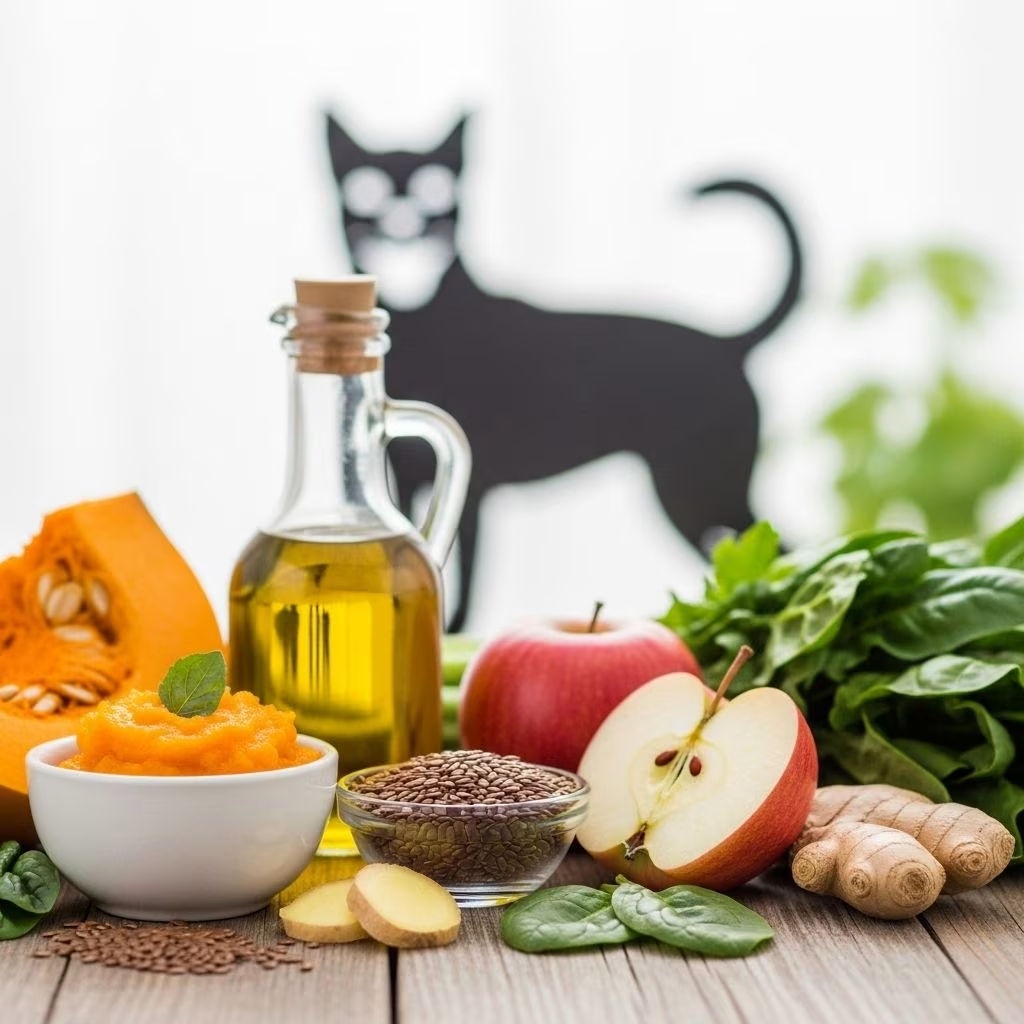
Why Constipation Is a Common Concern for Pets
Constipation is a frequent digestive issue affecting both dogs and cats. It occurs when your pet has difficulty passing stool, leading to discomfort, straining, and sometimes pain. While occasional mild constipation is normal, chronic or severe cases can signal underlying health problems and require veterinary attention. Fortunately, many cases can be managed—or even prevented—with simple, natural remedies.
Understanding Pet Constipation
Constipation in pets means infrequent, difficult, or incomplete defecation. Signs include straining, hard or dry stools, and decreased appetite. Common causes include dehydration, lack of dietary fiber, insufficient exercise, and, less commonly, underlying medical conditions.
Hydration: The Foundation of Digestive Health
Proper hydration is essential for preventing constipation in pets. Water helps soften stool and promotes smooth movement through the digestive tract.
- Always provide fresh, clean water in multiple locations throughout your home.
- Refresh water bowls several times a day, and consider using a pet water fountain if your pet prefers running water.
- If your pet is reluctant to drink, try offering filtered or bottled water, or add a splash of low-sodium broth to make it more appealing.
- Moisten dry kibble with water or mix in canned food to increase moisture intake.
Fiber-Rich Foods: Nature’s Digestive Aid
Dietary fiber plays a crucial role in maintaining regular bowel movements. However, not all pets require the same amount of fiber, and excess fiber can sometimes worsen constipation, so consult your vet before making dietary changes.
- Switch to a high-quality, fiber-balanced pet food if appropriate for your pet’s age and health status.
- Canned pumpkin puree (not pie filling) is a safe, effective fiber supplement—offer about 1 teaspoon per 10 pounds of body weight with meals.
- Leafy greens like spinach, kale, and broccoli can be added in small amounts, but introduce them gradually to avoid gas.
- Fiber supplements such as psyllium (unflavored Metamucil) may be recommended by your vet for certain cases.
| Food | Fiber Content | How to Serve |
|---|---|---|
| Canned pumpkin puree | High in soluble fiber | 1 tsp per 10 lbs body weight, mixed with meals |
| Leafy greens (spinach, kale, broccoli) | Moderate | Small amounts, finely chopped, mixed with food |
| High-fiber commercial food | Varies by brand | As directed by vet, gradual transition |
Exercise: Keeping Things Moving
Regular physical activity stimulates the digestive system and helps prevent constipation by increasing blood flow to the intestines.
- Daily walks, playtime, and interactive games encourage healthy digestion and overall well-being.
- For senior or less active pets, gentle exercise like short, frequent walks can make a big difference.
Safe, Natural Laxatives and Soothers
Some natural ingredients can gently aid digestion and relieve constipation when used appropriately.
- Coconut Oil: Acts as a mild stool softener. Offer a teaspoon mixed into food (adjust for pet size).
- Olive Oil: A small amount can lubricate the intestines. Start with a few drops for small dogs, a teaspoon for larger pets, and monitor for diarrhea.
- Apple Cider Vinegar: A teaspoon mixed into food may help, but consult your vet first, as it’s not suitable for all pets.
- Probiotics: Supports gut health and regularity. Choose a pet-specific probiotic product.
- Plain Greek Yogurt: Contains beneficial bacteria. Offer a tablespoon to help maintain gut flora.
When to See the Vet
Most mild constipation can be managed at home, but certain symptoms require prompt veterinary care:
- No bowel movements for more than two days
- Signs of pain or distress when trying to defecate
- Blood in the stool
- Vomiting, loss of appetite, or lethargy
- Suspicion of foreign object ingestion
Chronic or severe constipation may indicate a more serious condition, such as an obstruction, neurological issue, or metabolic disease, and should be evaluated by a professional.
Prevention: Building Healthy Habits
Preventing constipation is easier than treating it. Adopt these habits to keep your pet regular:
- Maintain a consistent feeding schedule with appropriate portion sizes.
- Ensure continuous access to fresh water.
- Incorporate fiber-rich foods as recommended by your vet.
- Stay active with daily walks and playtime.
- Monitor your pet’s bathroom habits and stool quality.
Frequently Asked Questions (FAQs)
Q: Can I give my dog human fiber supplements?
A: Some human supplements, like unflavored psyllium, may be safe in small, vet-approved doses, but always consult your vet before giving any human medication or supplement to your pet.
Q: How much pumpkin should I give my pet for constipation?
A: Use about 1 teaspoon per 10 lbs of body weight, mixed with food. Too much pumpkin can cause diarrhea, so start with a small amount and adjust as needed.
Q: Is it safe to use olive oil as a laxative for pets?
A: Yes, in small amounts. Olive oil can help lubricate the intestines, but excessive use may cause diarrhea, so use it sparingly and monitor your pet’s response.
Q: Can lack of exercise really cause constipation?
A: Yes, inactivity can slow digestion. Regular exercise helps stimulate bowel movements and supports overall digestive health.
Q: When should I take my pet to the vet for constipation?
A: Seek veterinary attention if your pet hasn’t had a bowel movement in two days, seems in pain, has blood in the stool, vomits, or acts lethargic.
Final Thoughts: Supporting Your Pet’s Digestive Health
Constipation in pets is often preventable with the right care—adequate hydration, a balanced diet rich in appropriate fiber, regular exercise, and occasional use of safe, natural remedies. Always consult your veterinarian before making significant changes to your pet’s diet or healthcare routine, especially if symptoms persist or worsen. By staying attentive to your pet’s needs and habits, you can help ensure their comfort and well-being for years to come.
References
- https://www.wedgewood.com/blog/10-home-remedies-for-dog-constipation/
- https://www.ranchovet.com/site/blog/2023/09/15/dog-constipated–what-to-do
- https://www.petmd.com/dog/general-health/what-give-constipated-dog
- https://www.webmd.com/pets/dogs/dog-constipation-causes-treatment
- https://www.goodrx.com/pet-health/dog/dog-constipation-home-remedies
- https://www.youtube.com/watch?v=bKk5Ansyj3k
- https://tploinfo.com/blog/what-are-the-best-home-remedies-for-dog-constipation/
- https://faimmuseau.com/en/blog/2021/09/28/constipation-in-dogs/


