


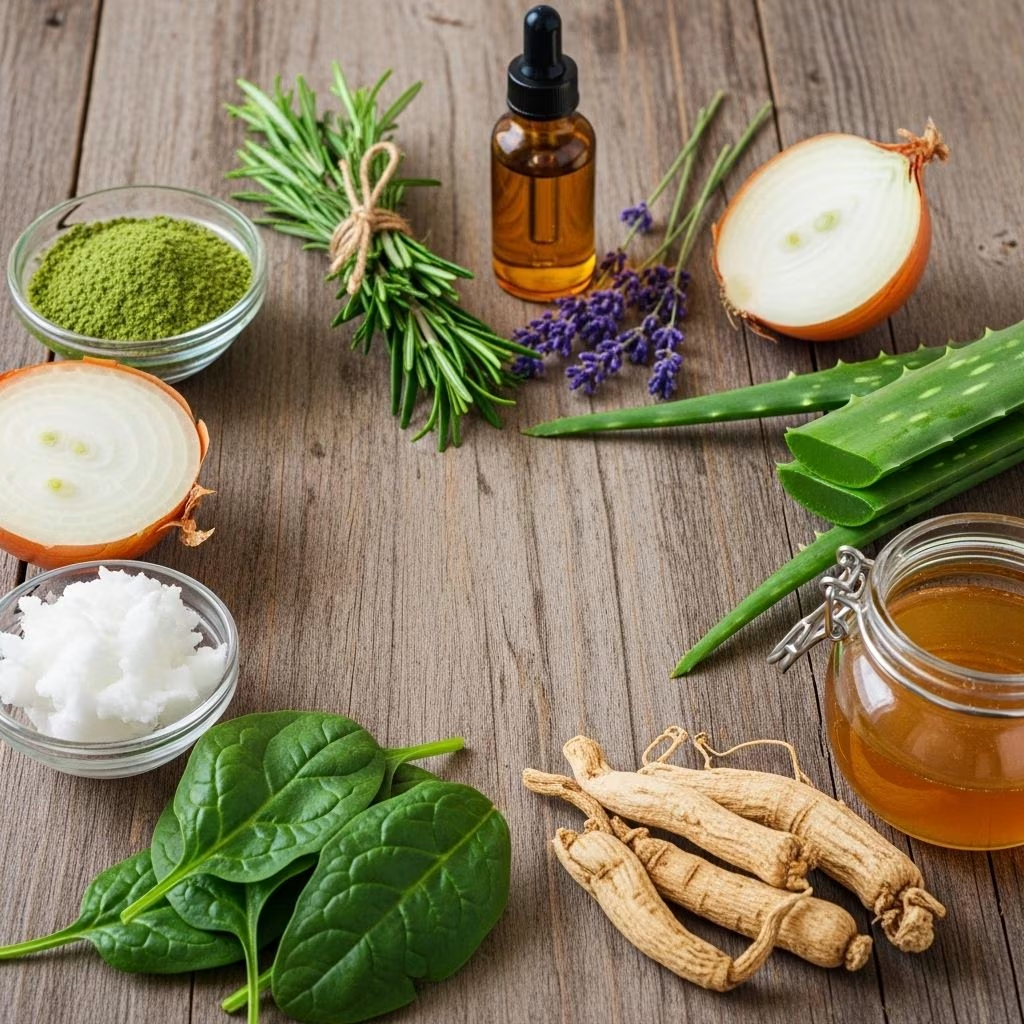
9 Natural Remedies for Hair Loss: Science-Based Solutions for Healthy Hair Growth
Hair loss affects millions of people globally, impacting both confidence and well-being. While there are numerous causes—from genetics and hormones to stress and nutritional deficiencies—there is growing interest in natural remedies that can help prevent hair thinning and support new growth. This article explores nine of the most researched, effective natural approaches, including herbal supplements, essential oils, and practical lifestyle adjustments, to help you regain fuller, healthier hair.
Understanding the Roots of Hair Loss
Hair loss can happen for many reasons. The most common include:
- Genetic predisposition (androgenic alopecia)
- Hormonal changes (such as post-pregnancy or menopause)
- Chronic stress
- Autoimmune disorders
- Nutritional deficiencies (iron, zinc, biotin, vitamin D)
- Scalp health issues
- Certain medications or medical treatments
A personalized approach—identifying the cause and using targeted natural remedies—can offer meaningful results without the side effects of some medications.
1. Optimize Your Diet & Nutrition
Nutritional deficiencies are a common, often overlooked trigger for hair thinning and loss. Ensuring your diet supplies key nutrients can enhance hair growth and reduce shedding:
- Protein: Essential building block for hair; low intake leads to weak, brittle strands.
- Iron: Deficiency is linked to diffuse hair loss, especially in women.
- Zinc: Supports repair and growth cycles of hair follicles. Supplementation may be helpful if deficient.
- Biotin: Critical for keratin production; low levels can cause brittle hair and hair loss.
- Omega-3 Fatty Acids: Found in flaxseed, chia seeds, walnuts, and fatty fish. Omega-3s can reduce inflammation and promote scalp health.
- Vitamins D & E: Both associated with hair growth support; vitamin D also helps regulate hair cycle.
Eat a whole-foods-based diet rich in fruits, vegetables, whole grains, lean proteins, and healthy fats. If dietary gaps are present, consider targeted supplementation after testing nutrient levels.
2. Herbal Supplements for Stronger Hair
Several herbal extracts have shown significant promise for preventing hair loss and promoting new growth. The most studied include:
- Saw Palmetto: This palm extract works by blocking the conversion of testosterone to dihydrotestosterone (DHT)—a hormone linked to androgenic alopecia. Studies show a 60% improvement in hair quality in some users.
- Pumpkin Seed Oil: Contains compounds that may reduce DHT levels. Clinical trials revealed a 40% increase in hair count after six months of supplementation.
- Green Tea Extract: Packed with polyphenols (like EGCG) that can help block DHT. Early studies found that topical use supported hair growth in some volunteers.
- Panax Ginseng: Used in traditional Chinese medicine to support vitality and scalp circulation. Research supports its ability to improve hair density and thickness over time.
- White Peony & Licorice Root: Herbal combinations containing these have shown efficacy in reversing certain types of hair loss, especially when linked to hormone disruptions.
Herbal therapies may work best over several months and can be combined with other approaches for optimal results. Always consult your healthcare provider before beginning new supplements.
3. Essential Oils for Scalp Stimulation
Massaging specific essential oils into the scalp—often diluted with a carrier oil—can help stimulate blood flow, strengthen follicles, and enhance hair growth. Top contenders include:
- Rosemary Oil: A 2015 study found rosemary oil was as effective as minoxidil for regrowth after six months.
- Peppermint Oil: Demonstrated hair growth benefits in animal models and small human studies.
- Lavender Oil: Well-known for its calming aroma, it may also encourage hair growth when applied topically.
- Thyme & Cedarwood Oils: Sometimes included in hair regrowth blends for synergistic effects.
How to Use: Mix a few drops of essential oil into a carrier oil (coconut or jojoba) and massage gently into your scalp. Always conduct a patch test first to check for sensitivities. Do not use undiluted essential oils directly on skin.
4. Manage Stress & Support Hormone Balance
Chronic stress is a well-documented trigger for hair loss (telogen effluvium). Managing stress aids in restoring the hair growth cycle and supporting hormone equilibrium:
- Practice mindfulness techniques, such as meditation or deep breathing
- Engage in regular physical activity (fitness, yoga, walking)
- Prioritize sleep hygiene
- Try adaptogenic herbs—such as ashwagandha and rhodiola—which support the body’s response to stress and hormone imbalances.
Addressing the underlying stress can slow or reverse stress-related hair loss.
5. Scalp Massage & Circulation
Scalp massage is a low-cost, no-risk method for boosting local blood circulation and delivering nutrients to hair follicles. Just a few minutes daily can:
- Increase thickness and density of hair over time
- Help remove buildup from styling products
- Enhance penetration of topical oils and serums
Combine scalp massage with your favorite essential oil blend for synergistic benefits.
6. Key Natural Supplements
Several supplements have clinical and practical support for hair health:
- Biotin (Vitamin B7): Supports keratin production; deficiency causes brittle hair.
- Rice Ceramides: Help strengthen the outer hair shaft, improve hydration, and create a healthier environment for new growth.
- Zinc: Low zinc is linked to poor hair growth; supplementation effective when levels are deficient.
- Vitamin D: Regulates the hair cycle and follicle function.
Prioritize supplements that address noted deficiencies, and consult your provider about dosing and combinations.
7. Gentle Hair and Scalp Care Tips
Lifestyle changes can minimize daily hair loss and breakage:
- Use mild, sulfate-free shampoos and avoid daily overwashing
- Let hair air-dry or use low-heat settings
- Minimize chemical treatments and harsh styling (dyes, perms, frequent straightening)
- Detangle gently, starting from the ends and working up
Protecting and nurturing the scalp environment leads to more resilient follicles and reduces inflammation that can drive shedding.
8. Address Underlying Medical Conditions
Always consult with a medical professional if you experience significant or sudden hair loss, as this may signal:
- Thyroid disorders
- Autoimmune conditions (such as alopecia areata)
- PCOS (polycystic ovary syndrome)
- Scalp infections (fungal or bacterial)
Early intervention and specific therapies can make a critical difference.
9. Be Patient and Consistent
Hair recovery is a gradual process—natural remedies require consistency and time. Most evidence suggests that significant improvement can take three to six months of regular use for supplements, oils, or lifestyle modifications. Combining several complementary approaches can often lead to the best results, tailored to your unique needs and hair type.
Comparison of Natural Hair Loss Remedies
| Remedy | Primary Action | Best For | Duration for Results |
|---|---|---|---|
| Saw Palmetto | DHT blocking | Androgenic alopecia | 3-6 months |
| Rosemary Oil | Stimulates scalp circulation | Genetic & general thinning | 6+ months |
| Omega-3s | Reduces inflammation | Inflammatory hair loss | 2-6 months |
| Biotin | Keratization | Deficiency-related loss | 3-6 months |
| Pumpkin Seed Oil | DHT modulation | Male/female pattern loss | 6 months |
Frequently Asked Questions (FAQs)
Q: Are natural remedies effective for everyone?
A: Effectiveness varies based on the underlying cause of hair loss, genetics, and consistency of use. Many people see significant improvements with natural remedies, but results are rarely immediate and may require combination approaches.
Q: How quickly can I expect to see hair growth results?
A: Most natural options require at least 3-6 months for visible changes in hair thickness and density. Faster results are possible if addressing a nutritional deficiency, but patience is key.
Q: Can I combine several natural remedies at once?
A: Yes, many remedies are compatible (e.g., essential oil scalp massages with oral supplementation of vitamins and herbal extracts). However, consult a health professional if you have underlying medical issues or are taking medications to avoid interactions.
Q: Are there side effects to using herbal remedies?
A: Most are well tolerated in healthy adults. Some, like saw palmetto or ginseng, may have mild side effects (digestive upset, headaches) or interact with medications. Essential oils can irritate sensitive skin if not properly diluted.
Q: When should I see a doctor for hair loss?
A: Seek medical advice if your hair loss is sudden, severe, accompanied by other symptoms, or if you have underlying health concerns. Early diagnosis and intervention are crucial for many conditions.
Final Thoughts
While no single remedy works for all cases, combining nutritional optimization, herbal supplementation, stress reduction, and gentle hair care routines can significantly support the body’s natural ability to grow thicker, healthier hair. Pay attention to underlying causes, act consistently, and work with healthcare professionals for the best outcomes. With time and dedication, many can achieve happier, more resilient hair—naturally.
References
- https://www.iherb.com/blog/stress-hair-loss-natural-solutions-for-growth/1728
- https://www.iherb.com/blog/natural-approaches-to-reversing-hair-loss/813
- https://www.iherb.com/blog/hair-loss-vitamins-and-supplements/2112
- https://www.iherb.com/blog/hair-growth-female-hair-loss/1426
- https://www.iherb.com/blog/hair-loss/1367
- https://www.iherb.com/blog/hair-loss-treatments/1620
- https://www.iherb.com/blog/best-hair-growth-foods-supplements-habits/1799
- https://www.iherb.com/blog/improve-hair-growth-naturally/1216


