


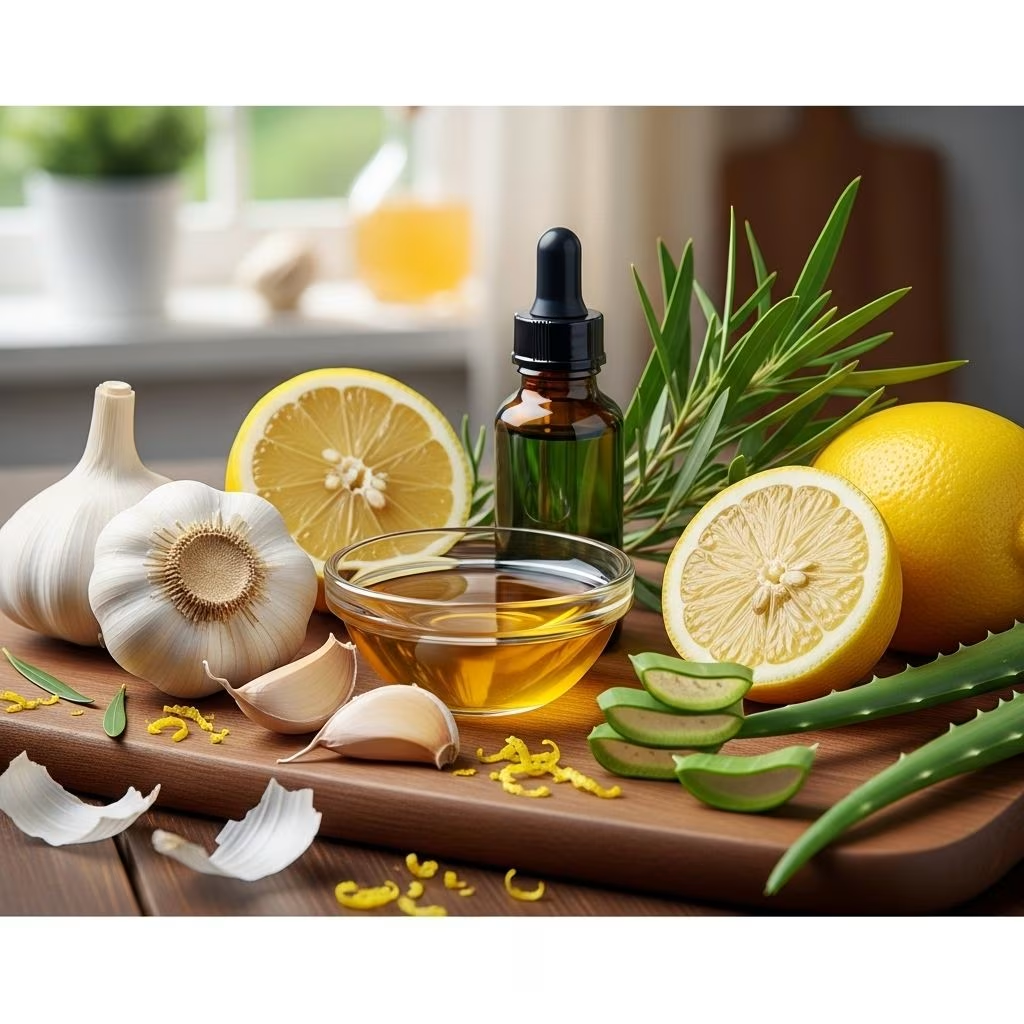
Simple Home Remedies To Treat Fungal Infections Naturally
Fungal infections are quite common and can occur on various parts of the body, including the skin, nails, and scalp. These infections may cause uncomfortable symptoms such as itching, redness, and irritation. Fortunately, a range of effective and safe home remedies can help manage mild fungal infections, strengthen the immune system, and support the skin’s recovery. This article provides a comprehensive guide to understanding fungal infections and how to use natural remedies for relief and prevention.
Understanding Fungal Infections
Fungi are organisms that thrive in moist, warm environments. They can invade and multiply on skin, nails, scalp, and mucous membranes, causing infections such as:
- Athlete’s foot (Tinea pedis): Fungal infection often affecting the feet, especially between the toes.
- Ringworm (Tinea corporis): A red, circular rash with clearer skin in the middle, appearing on various body parts.
- Jock itch (Tinea cruris): A rash found in warm, moist areas like the groin and inner thighs.
- Scalp ringworm (Tinea capitis): Infection affecting the scalp, more common in children.
- Yeast infections (Candidiasis): Can affect the mouth, genitals, or skin folds.
These conditions result in discomfort, but with prompt management and hygiene, they can be treated and recurrences minimized.
Popular Home Remedies For Fungal Infections
Below are some time-tested and scientifically recommended home remedies that can be used to alleviate symptoms and promote healing. However, it’s important to consult a healthcare professional if symptoms persist or worsen.
Apple Cider Vinegar
Apple cider vinegar is widely regarded for its natural antifungal properties. Its acetic acid content helps create an environment hostile to fungus, inhibiting its growth.
- Mix two tablespoons of apple cider vinegar in a glass of warm water and drink it once or twice a day for internal benefits.
- Alternatively, soak a cotton ball in diluted apple cider vinegar and apply it to the affected skin three times daily.
- Avoid using undiluted vinegar directly on the skin, as it can cause irritation.
Tea Tree Oil
Tea tree oil contains powerful antifungal and antibacterial agents. It is widely used as a natural remedy to treat various skin infections, including fungal ones.
- Combine a few drops of tea tree oil with a carrier oil such as coconut or olive oil.
- Apply the mixture using a clean cotton ball to the infected area two to three times daily.
- Always perform a patch test first to check for any allergic reactions.
Coconut Oil
Coconut oil has proven soothing and antifungal properties. It forms a protective layer on the skin and is safe for most skin types, including sensitive skin and the scalp.
- Apply virgin coconut oil directly to the affected region three times a day.
- For scalp infections, gently massage coconut oil onto the scalp, leave it on for a few hours, and then rinse off.
Turmeric
Turmeric is praised for its potent antimicrobial and anti-inflammatory effects, largely due to curcumin.
- Mix turmeric powder with a small amount of water to form a paste. Apply to the infected area and leave it for 20–30 minutes before rinsing.
- You may also add turmeric to your diet by consuming turmeric tea or mixing it with warm milk for internal benefits.
Aloe Vera
Aloe vera not only helps combat fungal growth but also soothes irritated skin and supports skin repair.
- Extract fresh aloe vera gel from the plant and apply it directly to the affected area two to three times daily.
- Leave it on; there is no need to rinse, as aloe is gentle and nourishing.
Garlic
Garlic contains allicin, a natural compound that exhibits strong antifungal and antimicrobial action.
- Crush a few garlic cloves and mix with olive oil to form a paste. Apply this paste to the infection site for 20–30 minutes daily, then wash off.
- Including garlic in your meals may also help reinforce your immune system from within.
Oregano Oil
Oregano oil is another essential oil with high concentrations of antifungal agents. Carvacrol and thymol in oregano oil are especially effective.
- Mix a few drops of oregano oil with a carrier oil. Dab it on the infected skin twice a day.
- Oregano oil capsules may be taken orally under professional supervision for systemic infections.
Neem Leaves
Neem is valued in traditional medicine for its antifungal and skin healing properties.
- Boil a handful of fresh neem leaves in water for 3–5 minutes. Allow the water to cool and use it to wash the infected area daily.
- Prepared neem oil can also be diluted with a carrier oil and applied to the skin.
Vitamin C-Rich Foods
A strong immune system can speed up recovery from infections. Vitamin C is essential for immunity and skin repair.
- Include citrus fruits such as oranges, lemons, and grapefruits in your diet.
- Other sources include bell peppers, broccoli, and strawberries.
Baking Soda
Baking soda is useful in treating fungal infections like athlete’s foot because it absorbs excess moisture—making it difficult for fungus to thrive.
- Sprinkle baking soda onto clean, dry feet and between toes. After 15–20 minutes, rinse off and dry thoroughly.
- Baking soda can also be sprinkled inside shoes to keep them dry and odor-free.
Hydrogen Peroxide
Hydrogen peroxide can help reduce fungi on skin surfaces, especially for athlete’s foot.
- Soak feet in a basin filled with equal parts water and 3% hydrogen peroxide solution for up to 20 minutes. Dry completely afterward.
- Do not use hydrogen peroxide on open wounds or sensitive skin without consulting a healthcare provider.
Ginger
Ginger contains gingerol, which exhibits antifungal action, particularly against Candida species.
- Prepare fresh ginger tea and consume it once or twice a day for internal support.
- Ginger extract or oil can be used topically after dilution.
Honey
Raw honey possesses natural antifungal and anti-inflammatory properties.
- Apply a thin layer of raw, organic honey to the infected area and let it sit for 20–30 minutes. Wash off with lukewarm water.
Grapefruit Seed Extract
Grapefruit seed extract can be particularly effective for oral fungal infections.
- Mix one drop of grapefruit seed extract with a few drops of water and apply to the affected site twice daily.
Licorice
Licorice root naturally contains anti-inflammatory and antimicrobial agents.
- Boil a tablespoon of powdered licorice in a cup of water, simmer until it creates a paste-like consistency, cool, and apply to the infected region twice daily.
Lemongrass Oil
Lemongrass oil is a safe home remedy for skin infections owing to its antifungal strength.
- Dilute lemongrass oil with a carrier oil and apply to skin twice a day using a cotton swab.
Prevention Tips To Avoid Fungal Infections
In addition to using natural remedies, adopt these healthy habits to reduce the risk of recurrence and promote skin health:
- Maintain proper hygiene and keep skin dry, especially in folds and between toes.
- Wear loose, breathable cotton clothing and change underwear and socks daily.
- Avoid sharing towels, clothing, and personal care items.
- Keep nails trimmed and clean to prevent fungal accumulation.
- Disinfect footwear and regularly air out shoes.
- Use antifungal powder or cream in high-risk areas during hot and humid weather.
- Boost immunity through a balanced diet rich in fruits, vegetables, and probiotics.
When To Seek Medical Help
- If home remedies do not improve your symptoms within 2–3 weeks.
- When the infection becomes widespread, extremely painful, or recurs frequently.
- For severe scalp infections, nail involvement, or infections in immunocompromised individuals.
- In case of persistent fever, increased swelling, or pus formation, consult a healthcare provider promptly.
Frequently Asked Questions (FAQs)
Q: Can I use these remedies on children?
Many home remedies are gentle, but children have more sensitive skin. Always perform a patch test and consult a pediatrician before using essential oils or herbal remedies on children.
Q: Are home remedies as effective as prescription antifungal medications?
Home remedies can help in mild to moderate cases or as supportive therapy, but severe or persistent infections often require prescription antifungal medications.
Q: How long do I need to use home remedies to see results?
Improvements may be noticeable within a week, but it is advised to continue the remedy for 2–3 weeks to ensure complete resolution and minimize recurrences.
Q: What should I avoid during a fungal infection?
Avoid tight-fitting clothing, synthetic fabrics, sugary foods (for yeast infections), and scratching the area, as these can aggravate symptoms or delay healing.
Q: Can diet impact fungal infections?
Yes. A diet rich in vitamin C, antioxidants, and probiotics helps strengthen the immune system and supports faster recovery from fungal infections.
Summary Table: Home Remedies For Fungal Infection
| Remedy | How To Use |
|---|---|
| Apple Cider Vinegar | Mix with water and apply with cotton, or consume diluted. |
| Tea Tree Oil | Mix with carrier oil, apply 2–3 times daily. |
| Coconut Oil | Apply directly to skin or scalp, up to 3 times daily. |
| Turmeric | Make a paste with water, apply, leave 20–30 min. |
| Aloe Vera | Apply fresh gel directly, no rinse needed. |
| Garlic | Crush and mix with oil, apply as paste for 20–30 min. |
| Neem Leaves | Boil in water, wash the area, or use neem oil. |
| Honey | Apply to area, leave 20–30 min, rinse. |
Note: The effectiveness of home remedies may vary among individuals. Always consult a healthcare provider if symptoms persist or in case of underlying chronic diseases.
References
- https://pharmeasy.in/blog/try-these-simple-home-remedies-for-fungal-infections/
- https://pharmeasy.in/blog/home-remedies-for-vaginal-yeast-infection/
- https://pharmeasy.in/story/home-remedies-for-jock-itch-infection
- https://pharmeasy.in/blog/elderly-care-adult-diaper-rash-causes-symptoms-treatment-home-remedies/
- https://pharmeasy.in/blog/home-remedies-for-skin-allergies-rashes/
- https://pharmeasy.in/blog/10-ways-to-clear-stuffy-nose-with-home-remedies/
- https://www.medicalnewstoday.com/articles/320911
- https://pmc.ncbi.nlm.nih.gov/articles/PMC8878117/
- https://naturadermatology.com/how-to-cure-fungal-infection-on-skin-naturally-at-home/
- https://pharmeasy.in/blog/home-remedies-for-tongue-ulcers/


