


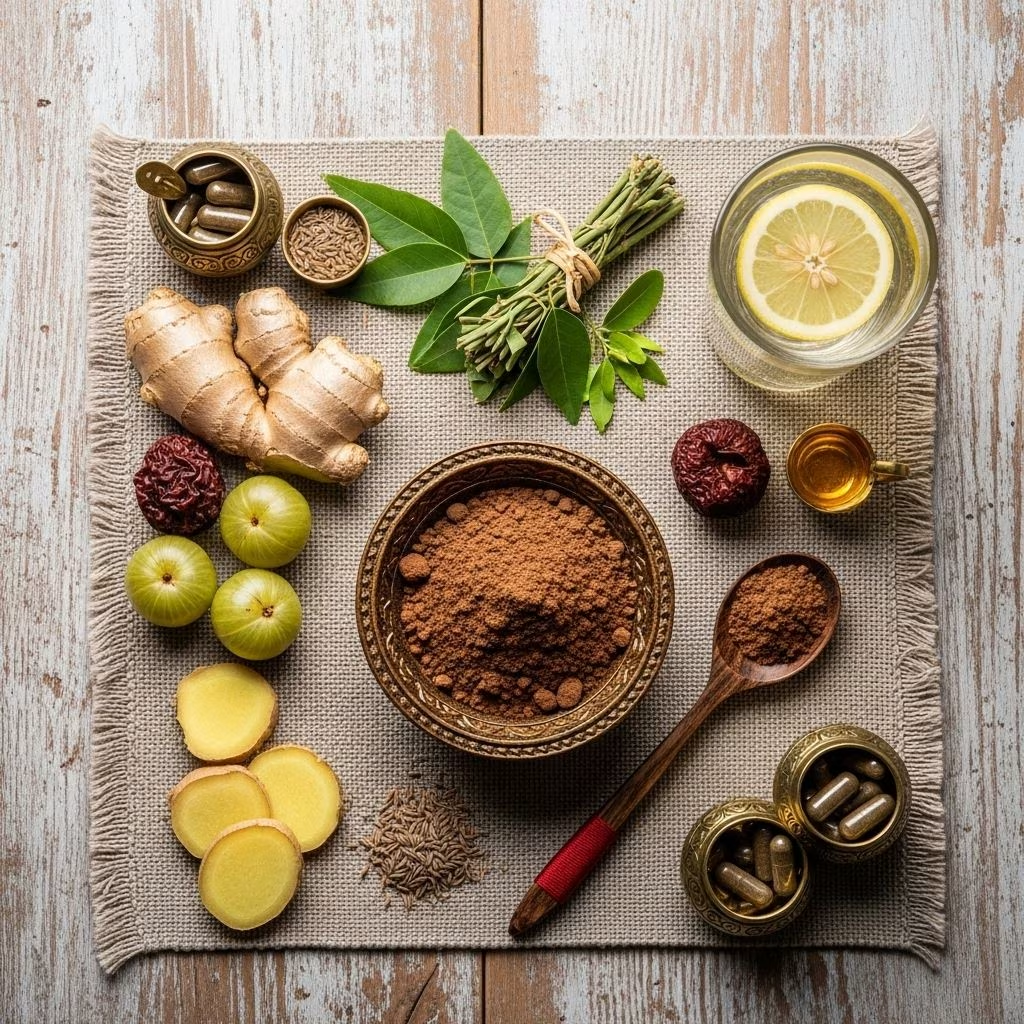
Natural Remedies for Constipation in Ayurveda
Constipation is a common digestive discomfort characterized by infrequent, hard, or difficult-to-pass stools. In Ayurveda, it is largely seen as an imbalance of the Vata dosha—responsible for movement and elimination—often aggravated by poor diet, sedentary lifestyle, insufficient hydration, and underlying health conditions. Ayurveda offers a holistic approach that combines specific herbal remedies, dietary modifications, daily routines, and natural therapies to restore healthy bowel function and promote overall digestive well-being.
Understanding Constipation in Ayurveda
Ayurveda recognizes constipation (Vibandha) as a result of imbalanced Vata dosha, typically presenting with dryness, roughness, and a lack of moisture or lubrication in the body. This imbalance can slow the movement of stool through the colon, resulting in hard, dry feces and straining during bowel movements. Factors that commonly contribute to this disorder include excessive consumption of dry, cold, or processed foods, inadequate hydration, irregular routines, emotional stress, suppression of natural urges, and a sedentary lifestyle.
Common Causes of Constipation
- Low fiber intake and excessive processed or refined foods
- Insufficient water consumption
- Lack of regular physical activity
- Irregular meal times or skipping meals
- Frequent traveling or disrupted sleep routines
- Suppression of natural urges
- Emotional factors: anxiety, stress, or depression
Ayurvedic Principles for Relieving Constipation
Ayurveda addresses constipation by focusing on three pillars:
- Balancing Doshas: Primarily Vata pacification through warm, moist, and nourishing foods
- Diet & Nutrition: High-fiber diet, adequate fats, and proper hydration
- Herbal Remedies: Natural laxative and gut-balancing herbs
- Daily Rituals & Lifestyle: Physical movement, scheduled routines, and stress management
Ayurvedic Herbs and Formulations for Constipation
Several potent Ayurvedic herbs and classical formulations assist in easing constipation, restoring digestive motility, and improving gut health. Some of the most effective are:
Triphala
Triphala—a synergistic blend of Amalaki (Amla), Haritaki, and Bibhitaki—serves as one of the most respected remedies for constipation. It gently cleanses and rejuvenates the digestive tract, balances all three doshas, and supports regular elimination without causing dependency.
- Take 1–2 teaspoons of Triphala powder with warm water at bedtime.
- Alternatively, prepare Triphala tea by steeping ½–1 teaspoon in a cup of hot water for 5–10 minutes.
Psyllium Husk (Isabgol)
Psyllium (Isabgol) is a bulking fiber that absorbs water and forms a gel-like mass, which helps to lubricate and move stool smoothly.
- Mix 1–2 teaspoons of psyllium husk in a glass of warm water or juice and drink immediately, followed by another glass of water.
Senna (Swarnapatri)
Senna contains compounds that stimulate bowel contractions, making it an effective short-term remedy for severe constipation. Use cautiously and consult your physician before regular use, as excessive use may lead to dependency and irritation.
Castor Oil (Gandharvahasta)
Castor oil is a classical Ayurvedic purgative, considered effective for acute or severe cases. Take only as directed by a qualified practitioner, as it is potent and should be used judiciously.
Haritaki
Haritaki is renowned for balancing Vata and encouraging natural bowel movement. A single herb or in combination (as in Triphala), it gently supports cleansing and regularity.
Flaxseed (Linseed)
Flaxseed offers soluble fiber and healthy fats. Consuming 1 tablespoon of roasted flaxseed with warm water two to three times daily can support soft, easy stools.
Other Effective Herbs
- Ajwain (Carom seeds): Stimulates digestive juices, relieves gas, and aids elimination.
- Methi (Fenugreek): Offers soluble fiber; especially useful for Kapha-related constipation.
- Amla: A mild laxative if taken in moderation; excessive quantities may be counterproductive.
- Liquorice Root: Acts as a mild laxative; take with warm water and jaggery for enhanced effect.
- Aragwadha (Purging Cassia): Suitable for Pitta imbalance.
Ayurvedic Medicines and Formulations
Ayurveda prescribes several classic herbal preparations for persistent or chronic constipation:
| Formulation | Main Ingredients | Key Benefits |
|---|---|---|
| Abhayarishta | Haritaki, jaggery, other digestive herbs | Colon cleansing, non-habit forming, gut regulation |
| Triphala Tablets | Amalaki, Haritaki, Bibhitaki | Gut healing, regularizes motion, reduces acidity/gas |
| Balakalpam (For Children) | Ajwain, raisins, select Ayurvedic botanicals | Gentle constipation relief, boosts pediatric immunity |
Ayurvedic Home Remedies for Constipation
- Ghee with Warm Milk: At bedtime, add 1–2 teaspoons of cow’s ghee to a cup of hot milk. This combination soothes the gut, lubricates the intestine, and promotes gentle elimination.
- Anjeer (Figs): Soak dried figs in warm water overnight and consume in the morning for fiber and gentle relief. Particularly useful for children.
- Lemon Warm Water: A glass of lukewarm water with half a lemon, taken on an empty stomach in the morning, can stimulate digestion and support evacuation.
- Raisin Water: Soak a handful of raisins overnight, then eat them and drink the water in the morning to encourage smooth bowel movements.
- Dandelion Root Tea: Gentle laxative effect; steep 1 teaspoon of dried dandelion root in boiling water and drink two to three times daily.
- Ginger Tea: One of the most effective remedies; stimulates Agni (digestive fire) and relieves sluggishness.
Dietary Guidelines for Managing Constipation
Balanced nutrition is the cornerstone of digestive harmony in Ayurveda. Consider adopting the following diet habits for regular, healthy elimination:
- Favor warm, cooked foods over raw, dry, or cold foods.
- Include high-fiber foods—such as leafy vegetables, pumpkin, sweet potato, carrots, banana, papaya, apples, and figs.
- Incorporate healthy fats like sesame oil, ghee, or olive oil for intestinal lubrication.
- Avoid refined sugars, fried foods, and excessive caffeine, which may aggravate Vata or cause further dehydration.
- Enhance meals with digestive spices including cumin, coriander, fennel, asafoetida, black pepper, and ginger.
- Consume adequate fluids—ideally warm water, light soups, or herbal teas throughout the day.
- Maintain regular meal times and avoid skipping breakfast or dinner.
Lifestyle Routines for Regularity
Ayurveda emphasizes the importance of daily routines to support digestive health. Key lifestyle measures include:
- Wake up early (preferably before sunrise) and allow some time for quiet, undisturbed elimination.
- Engage in regular physical activity—walking, yoga, or simple stretching to stimulate the colon and alleviate stagnation.
- Practice Abhyanga (oil massage) to pacify Vata and promote movement in the colon area.
- Manage stress through meditation, deep breathing, or mindful activities to support gut-brain harmony.
- Avoid suppressing the urge to defecate, as this can disturb normal gut motility.
Yoga and Pranayama for Digestive Wellness
Regular yoga and breathing exercises (pranayama) not only support digestive fire but also help optimize peristalsis and cleanse the system.
- Pawanmuktasana (Wind-Relieving Pose): Massages intestines and improves bowel movement.
- Malasana (Garland Pose): Opens hips and relieves tension in the colon.
- Vajrasana (Thunderbolt Pose): Aids digestion when practiced after meals.
- Deep Belly Breathing: Promotes relaxation and stimulates parasympathetic nervous response.
Precautions and Special Considerations
- Chronic or severe constipation may indicate underlying health issues—consult an Ayurveda expert or physician for persistent symptoms.
- Some Ayurvedic purgatives (senna, cascara, rhubarb) should be used with care; overuse may cause dependency (“lazy bowel syndrome”).
- Pregnant women, children, and those with specific conditions (ulcerative colitis, Crohn’s disease, etc.) should seek tailored guidance before trying any strong laxative or herbal regimen.
FAQs About Ayurvedic Remedies for Constipation
Q: Can Ayurvedic remedies cure chronic constipation?
A: Ayurvedic remedies offer gentle, long-term solutions that address root causes. Chronic cases benefit from an integrated approach: herbs, diet, routine, and lifestyle—all under expert guidance. Severe or long-standing constipation should be assessed by a healthcare provider to rule out serious conditions.
Q: How soon do Ayurvedic remedies work for constipation?
A: Most mild remedies (ghee with milk, Triphala, ginger tea) act within 12–24 hours. More stubborn cases may require regular practice for up to a week, with gradual improvements as gut health is restored.
Q: Is it safe to use herbal laxatives every day?
A: While many Ayurvedic herbs are safe for regular use (like Triphala and psyllium), stronger herbs (like senna or castor oil) should be used sparingly and not for prolonged periods. They can induce dependency if overused. Always individualize remedies with professional consultation.
Q: What foods should be avoided to prevent constipation?
A: Avoid processed/refined foods, excess dairy, fried foods, dry snacks, cold drinks, raw salads, red meat, and anything that increases dryness and Vata. Opt for freshly cooked, warm, fibrous meals and plenty of fluids.
Q: Can children use Ayurvedic remedies for constipation?
A: Yes, certain remedies like soaked figs, raisin water, and mild syrups like Balakalpam are suitable for children. Always use gentle measures and consult a pediatric Ayurveda specialist for dosage and safety.
Conclusion: Integrating Ayurveda for Lifelong Digestive Health
Ayurveda, with its deep understanding of body type (dosha), lifestyle, and natural rhythms, offers sustainable relief from constipation while nurturing the digestive system. Through simple herbal remedies, conscious eating, and mindful routines, you can restore balance and enjoy gut health with lasting comfort and vitality. Consult an Ayurvedic practitioner to personalize your approach and ensure safety—your path to gentle, natural regularity starts here.
References
- https://keralaayurveda.biz/blogs/news/ayurvedic-medicines-remedies-constipation
- https://yogainternational.com/article/view/ayurvedic-tips-for-constipation/
- https://drshardaayurveda.com/blogs/digestive/10-effective-ayurvedic-home-remedies-to-get-relief-from-constipation
- https://zanducare.com/blogs/exploring-ayurveda/17-ayurvedic-remedies-for-constipation
- https://www.healthline.com/health/constipation/instant-indian-home-remedy-for-constipation
- https://www.banyanbotanicals.com/pages/ayurvedic-approach-to-constipation-relief
- https://www.healthline.com/health/constipation-medicine-ayurvedic
- https://ayutherapy.com/news/11-ayurvedic-home-remedies-for-constipation/
- https://www.youtube.com/watch?v=7F6PRVqNna8


