


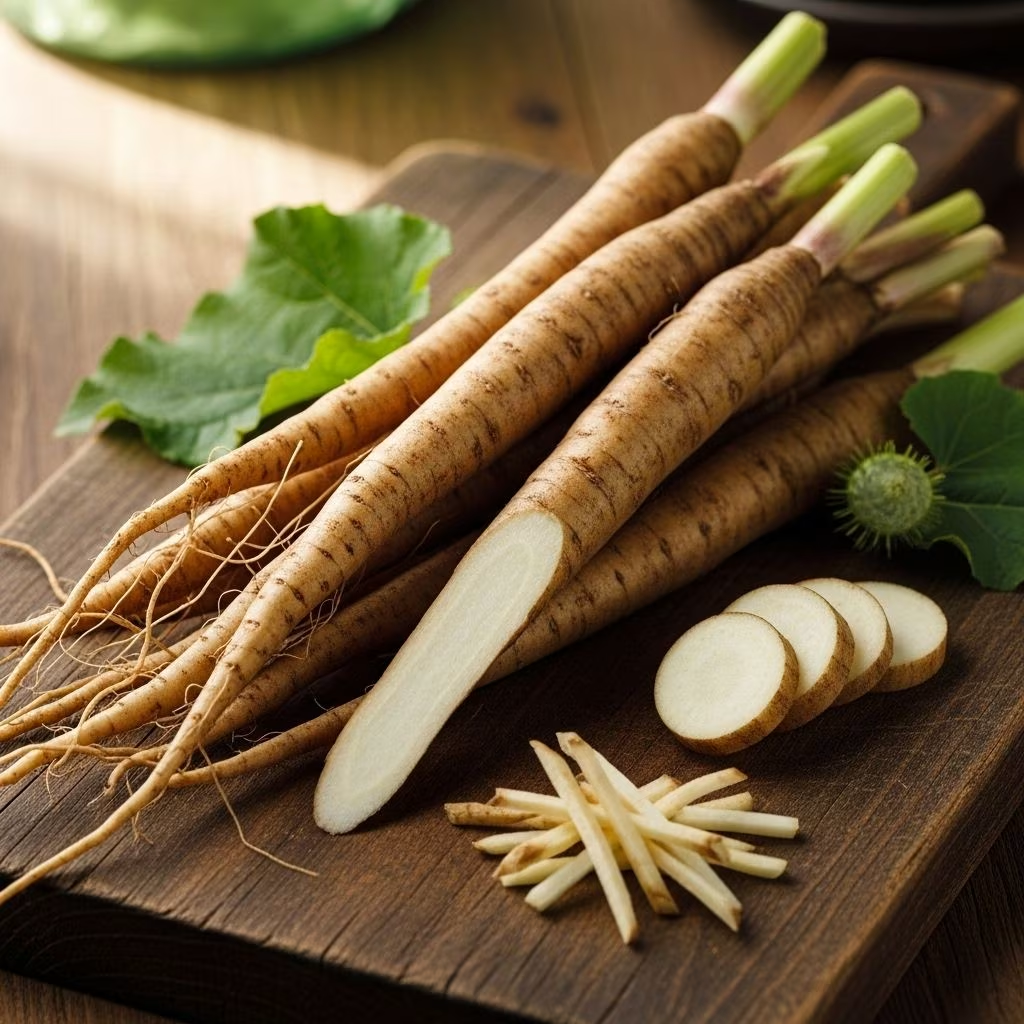
Burdock root, more commonly known as gobo root in Japan, is a signature East Asian vegetable famous for its earthy flavor, satisfying crunch, and health-promoting properties. Whether you are interested in broadening your culinary horizons or seeking wholesome natural foods, gobo offers a fascinating story—rooted in centuries of tradition and modern nutrition.
Introduction to Gobo Root
Gobo root is the edible root of the Arctium lappa plant, known as burdock in English. It is a long, slender, brown-skinned root that is prized in Japanese, Korean, and Chinese cuisines. Goco root typically measures 20–30 centimeters in length but can reach up to 90 centimeters (about 3 feet) when fully mature. Although wild burdock exists, the varieties used in cooking are specifically cultivated for their flavor and texture .
Its unique appearance—looking like a cross between a carrot and a tree root—hints at both its earthy taste and its function as a culinary staple. The root’s crunchy flesh and subtle sweetness have endeared it to generations of cooks and diners .
Botanical Features and Cultivation
Gobo belongs to the Asteraceae family. It develops a long cylindrical taproot, covered by thin, rough, brown-grey skin, with a crisp, white and fibrous interior . In Japan, gobo is cultivated in sandy-loam soils that allow for straight, uniform root growth. Farmers prepare their fields each season, rotating crops to maintain soil health and optimize the nutrient profile for gobo cultivation .
Planting generally takes place in early spring for a summer to autumn harvest, or in autumn for a winter to spring harvest. Cultivated gobo roots are carefully monitored to ensure they grow straight and are harvested just before the fibers become too tough.
- Family: Asteraceae (daisy family)
- Genus: Arctium
- Species: Arctium lappa (great burdock)
- Typical length: 20–90 cm
- Skin: Brown-grey, rough
- Interior: White, crunchy, fibrous
History and Cultural Significance
Gobo root’s history in Japanese cuisine dates back centuries. Revered for both its culinary and symbolic value, gobo is considered one of the Yamato no dentō yasai (traditional vegetables of Yamato) in Nara Prefecture, Japan. Its association with longevity and good fortune has made it a regular feature in New Year’s Osechi cooking, as the long root is a symbol for a long, resilient life .
Specialty varieties such as Uda Kingōbō from Nara are celebrated for their unique texture and aroma, and often presented as auspicious gifts or festive centerpieces. Regional differences in soil and climate contribute to a diverse range of flavors, textures, and uses across Japan .
- Symbolism: Longevity, resilience, good fortune
- Traditional dishes: Kinpira Gobo, Nabe (hot pot), Osechi ryori
- Harvest season: Summer to late winter (peak in autumn)
Nutritional Profile & Health Benefits
While gobo is not as rich in vitamins as some leafy greens, it is celebrated for its unique composition of dietary fiber, essential minerals, and antioxidants :
| Nutrient | Amount (per 100g, raw) | Notable Function |
|---|---|---|
| Calories | 72 kcal | Energy |
| Dietary Fiber | 3.3 g | Digestive health, satiety |
| Calcium | 41 mg | Bone health |
| Potasium | 308 mg | Electrolyte balance, muscle function |
| Magnesium | 38 mg | Metabolism, nerve function |
| Antioxidants | polyphenols, lignans | Cellular protection |
Health Benefits of Gobo Root
- Digestive Health: High fiber content supports regularity and gut health, potentially reducing the risk of constipation .
- Mineral Support: Source of calcium, magnesium, iron, and potassium for bone, nerve, and muscle health .
- Antioxidant Activity: Contains polyphenols and lignans that help protect cells from oxidative stress and inflammation .
- Traditional Detox Uses: In folk medicine, gobo is believed to help purify the blood and promote detoxification, though more scientific research is needed to validate these claims .
Culinary Uses of Gobo Root
Gobo’s crunchy texture and peculiar flavor lend themselves to a variety of traditional and modern dishes. It can be shredded, sliced, julienned, or shaved, depending on the recipe:
- Kinpira Gobo: Thinly sliced gobo and carrot stir-fried with soy sauce, sake, mirin, and sesame—an iconic Japanese side dish.
- Tempura: Gobo slices battered and fried for a crispy treat.
- Nabe (Hot Pot): Simmered alongside vegetables and meat in a communal pot.
- Miso Soup: Adds an earthy note and extra nutrition when included with root vegetables.
- Salads: Grated raw gobo adds crunch and a sweet-earthy flavor to salads.
- Pickled Gobo: Marinated in vinegar or brine for a naturally tangy snack.
- Gobo Tea: Dried root is steeped to make a herbal tea, popular in Japan and Korea for its purported health effects.
Less common but growing in popularity are fusion dishes and modern cooking techniques, highlighting gobo for its umami qualities and versatility in both plant-based and meat-inclusive cuisines.
Varieties and Types of Gobo
Although Takinogawa burdock is the most widely known, Japan is home to a tapestry of regional gobo types, each with its own characteristics :
- Takinogawa: Mainstream, long-rooted, crisp and highly aromatic.
- Oura: Grown in Chiba, praised for its subtle flavor.
- Horikawa: Kyoto specialty with a thicker root, often used in simmered dishes.
- Uda Kingōbō: Specialty of Nara, golden skin, considered auspicious.
- Shorter-rooted leaf burdock: Developed in Kansai for shallower soils; roots and young leaves edible.
Taste and Flavor Profile
Gobo root offers a flavor that is earthy, slightly sweet, subtly bitter, and aromatic—a unique blend often described as reminiscent of artichoke but with its own woody depth . When raw, the texture is crisp and hard; when cooked, it softens while maintaining a pleasant chewiness. The skin contributes to its somewhat robust aroma, and younger roots are considered milder and less bitter, often requiring less soaking prior to cooking .
- Raw: Crisp, crunchy, with pronounced earthiness.
- Cooked: Softer, slightly sweet, retaining a chewy texture with complex aroma.
- Bitterness: Mitigated by soaking with vinegar water or peeling.
- Umami: Brings a savory dimension to broths and stir fries.
How to Prepare and Cook Gobo
Preparing gobo requires attention to both flavor and texture:
- Scrub or peel: Clean the root thoroughly to remove dirt. Some recipes call for peeling, while others advocate keeping the skin for added aroma.
- Cut as desired: Thin slices, julienne, shave “sasagaki-style” (like sharpening a pencil) for stir-fries or stews.
- Soak: Soak cut root in water (optionally with a splash of vinegar) for 5–10 minutes. This prevents discoloration and reduces bitterness.
- Cook: Can be sautéed, simmered, boiled, steamed, or deep-fried depending on dish.
Tip: To preserve maximum nutrition and flavor, avoid over-soaking and overcooking.
Selection, Storage, and Availability
When selecting gobo root, look for specimens that are:
- Firm and heavy for their size
- Relatively straight (less knobby or twisted)
- Free of cracks, mold, or shriveling
Gobo can be wrapped in a damp cloth or paper towel and stored in the refrigerator’s vegetable drawer for up to a week. Keep unwashed (with skin) until use for best longevity .
While fresh gobo is widely available in East Asian markets, it may also be found in select natural and specialty grocers in Europe and North America. Pickled, dried, or tea forms are increasingly offered online.
Potential Side Effects & Precautions
- Allergies: Rare, but possible in individuals sensitive to other Asteraceae family plants (e.g., ragweed).
- Digestive Upheaval: Overconsumption may lead to bloating or gas due to fiber content.
- Pregnancy and Medication: Not recommended in high doses during pregnancy or when taking diuretics; consult a healthcare provider if unsure.
Frequently Asked Questions (FAQs)
Q: What’s the difference between gobo root and common burdock?
A: Gobo root in Japanese cooking refers specifically to cultivated Arctium lappa varieties prized for eating. Wild burdock (Arctium minus) is related but tougher and less commonly used for food.
Q: Can you eat gobo root raw?
A: Yes, especially when young and tender. It’s most often shredded and added to salads for crunch and a sweet, earthy flavor. Maturity increases bitterness, so older roots are best cooked.
Q: Is gobo root good for you?
A: Gobo root is a source of dietary fiber, minerals, and antioxidants. It promotes digestive health and is gluten-free and low-fat, but should be eaten as part of a diverse diet.
Q: How should I store fresh gobo root?
A: Store unpeeled roots in a damp towel in the fridge’s vegetable drawer. Use within a week to enjoy peak flavor and texture.
Q: What can I substitute for gobo in recipes?
A: If unavailable, try using parsnip, salsify, or even carrot as a substitute for texture, though the flavor will differ.
Key Takeaways
- Burdock root (gobo) is a staple ingredient in Japanese and East Asian cooking, valued for taste, texture, and health attributes.
- It provides fiber, minerals, and traditional health benefits, notably aiding digestion and offering antioxidant support.
- Earthy, sweet, and mildly bitter, its chewy crunch and versatility suit salads, stews, tempura, tea, and more.
- Gobo holds deep cultural significance, symbolizing longevity, health, and culinary tradition.
References
- https://ryukoch.com/en/basics/gobo-burdock-root-japan
- https://japanesetaste.com/blogs/japanese-taste-blog/gobo-your-guide-to-the-healthy-and-versatile-burdock-root
- https://www.uwajimaya.com/uwajipedia/gobo/
- https://www.japanesecooking101.com/gobo/
- https://specialtyproduce.com/produce/Burdock_Root_Gobo_1231.php
- https://en.wikipedia.org/wiki/Arctium_lappa
- https://naturesproduce.com/encyclopedia/gobo-root/
- https://totallywilduk.co.uk/2020/04/29/identify-burdock/
- https://foodprint.org/real-food/burdock/


