


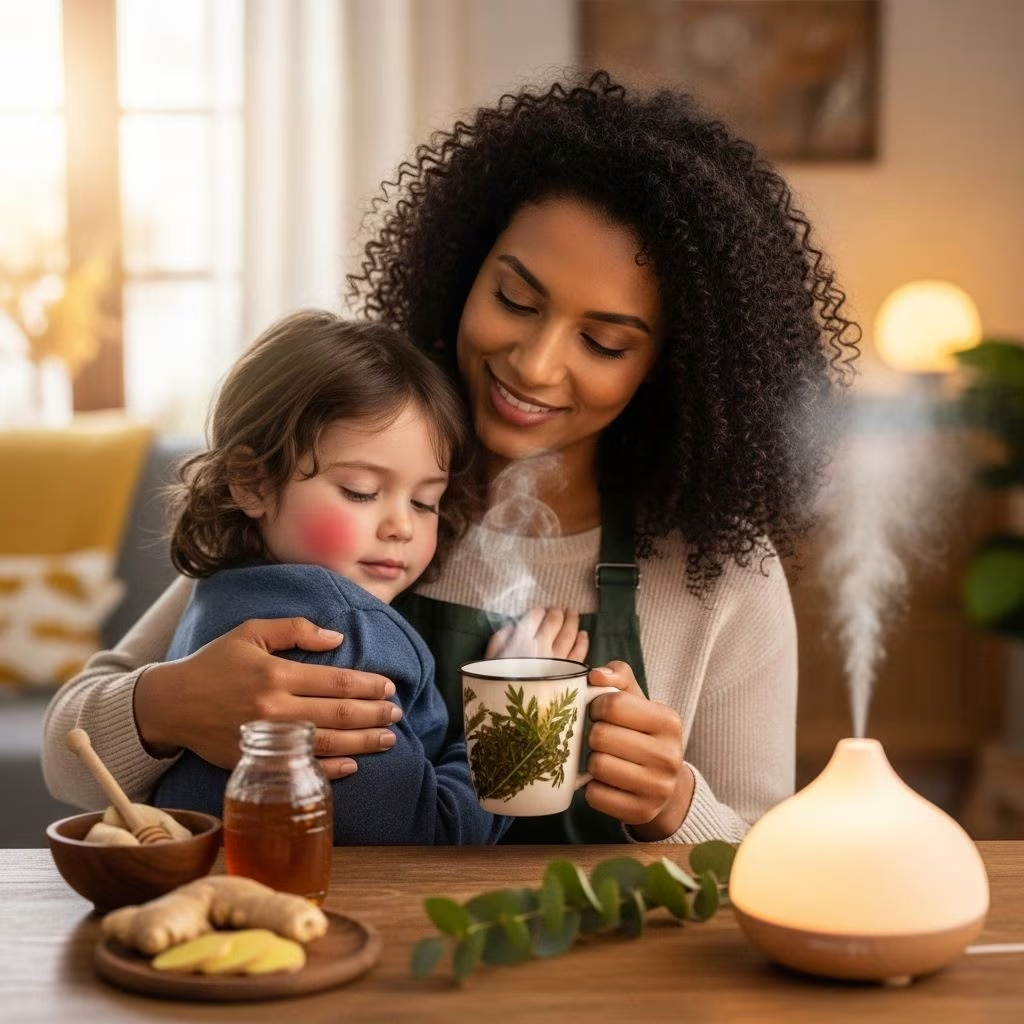
Natural Remedies for Chest Colds and Fevers in Children
When your child comes down with a chest cold or fever, it’s natural to want relief that is both effective and safe. While medication isn’t always necessary, there are many simple comfort measures and natural remedies that can help manage symptoms, reduce discomfort, and support recovery. This guide covers proven advice on supporting your sick child with gentle, practical remedies, and explains when professional care is needed.
Understanding Chest Colds and Fevers
Chest colds and fevers are usually caused by viruses, including those responsible for the common cold and flu. Symptoms can include cough, stuffy nose, chest congestion, sore throat, chills, and body aches. Most cases resolve on their own, but knowing how to soothe discomfort can make recovery easier.
- Chest colds: Marked by coughing, chest congestion, sometimes mild wheezing or shortness of breath.
- Fevers: A body temperature over 100.4°F (38°C), often accompanied by chills or sweating.
General Care Strategies
First, ensure your child gets plenty of rest and remains hydrated. These foundational strategies support the immune system and prevent complications.
- Rest: Let kids nap or relax as much as possible.
- Fluids: Water, breast milk, formula, clear broths, caffeine-free teas, or diluted juice all help. Hydration thins mucus and eases coughing and sore throats.
- Light meals: If appetite is low, gentle foods (chicken soup, toast, apple sauce) are easy to tolerate.
Natural Home Remedies for Chest Colds in Kids
Steam and Humidity
Moist air helps loosen mucus in the nose and chest, making it easier for children to breathe and clear congestion. This can be achieved via:
- Steamy bathroom: Run a hot shower and sit with your child in the closed bathroom for 10-20 minutes. Always supervise young children during steam treatments.
- Warm baths: Gentle warmth soothes aches and can encourage relaxation before bedtime.
- Humidifiers: Place a cool-mist humidifier in your child’s room, especially at night. Clean the tank daily to prevent mold and bacteria.
Saline for Nasal Congestion
Saline (salt water) nasal sprays and drops can loosen dried mucus and soothe nasal passages. For young children:
- Use a saline nasal spray, available at most pharmacies, or make your own (½ tsp salt per cup warm water).
- Bulb suction: Gently remove mucus after saline treatment from infants and toddlers who can’t blow their nose.
Chicken Soup
Chicken soup is more than a comforting tradition—it can reduce inflammation in the respiratory tract and help ease congestion symptoms. The warmth also soothes the throat and provides hydration and nutrition, even for picky eaters.
Home Remedies for Fevers in Children
Fevers are the body’s way of fighting infection and do not always need to be treated. However, you can use gentle measures to help your child feel better:
- Light clothing: Dress your child in a single layer; use a light blanket if chills develop.
- Lukewarm baths: These can help bring fever down safely. Do not use cold water or ice baths, as these can cause shivering and raise the temperature.
- Cool compresses: Place a damp, cool washcloth on the forehead to provide comfort.
- Hydration: Fevers increase fluid loss, so offer drinks regularly.
- Pain relievers: Acetaminophen (Tylenol) or ibuprofen may help with fever-related discomfort. Always follow dosing guidelines for age and weight, and never give aspirin to children due to the risk of Reye syndrome.
Sore Throat and Cough Relief
A sore throat and persistent cough are common with chest colds. Several gentle remedies can help:
- Honey: For children age 1 and older, ½-1 teaspoon of honey can soothe the throat and loosen cough. Do not give honey to infants under 12 months due to the risk of infant botulism.
- Warm fluids: Caffeine-free herbal tea (peppermint, chamomile), warm broth, or warm water with lemon and honey can break up mucus and comfort sore throats.
- Saltwater gargle: Children over age 5 can gargle ½ tsp salt dissolved in 1 cup warm water to ease throat pain.
- Cough drops: Safe for children age 6 and up. Younger children could choke.
- Cold treats: Chilled drinks, ice chips, or even milkshakes can numb throat pain.
Herbal and Nutritional Support
- Ginger: Ginger tea or small amounts of grated ginger can help manage cough and nausea, and its anti-inflammatory compounds may offer additional benefits.
- Garlic: Adding garlic to soups or diet (for children who tolerate it) may support immunity.
- Echinacea: Some studies suggest echinacea may help prevent colds or treat mild symptoms, though evidence is mixed and it is not a cure.
- Vitamin C: Foods high in vitamin C (citrus, peppers, broccoli) support immune health. Supplements may slightly reduce the duration of colds but won’t prevent them.
- Probiotics: Yogurt and fermented foods may help maintain immune defenses during illness.
Comfort Measures: Safe Practices for Sick Kids
- Upright rest: Sitting upright can ease chest discomfort and help with drainage, especially if coughing is severe.
- Heat therapy: Placing a warm compress (not hot) on the chest can comfort aching muscles.
- Gentle reassurance: Calm attention, cuddles, and soft distractions (storybooks, music) can help kids feel more secure.
What to Avoid With Sick Children
- Do not give aspirin to anyone under 19 years old; it can cause Reye syndrome—a potentially fatal illness.
- Don’t give honey to infants under 1 year (botulism risk).
- No over-the-counter cough/cold medications for children under 6 (can cause serious side effects).
- Avoid excessive bundling for fever; over-wrapping can trap heat and worsen fever.
When to Call the Doctor
| Symptom | Action |
|---|---|
| Infant (under 3 months) with any fever | Call doctor immediately |
| Fever over 101°F (3-5 months), or 102°F (6+ months) | Call doctor if persistent or with other symptoms |
| Trouble breathing or wheezing | Seek medical care right away |
| Chest pain, persistent vomiting, dehydration | Contact pediatrician promptly |
| Rash accompanying fever | Call doctor right away |
| High fever lasting more than 3 days | Contact doctor |
Frequently Asked Questions (FAQs)
Q: What is the best way to comfort a child with chest congestion?
A: Steamy bathrooms, humidifiers, saline nasal sprays, and chicken soup all can help loosen mucus and make breathing easier. Upright rest and heating pads (with supervision) may soothe chest muscles.
Q: Can I use over-the-counter cough or cold medicine for my child?
A: No. Cough and cold medications are generally unsafe for children under age 6 due to potential side effects and lack of proven efficacy. Stick to natural remedies and consult a doctor for severe symptoms.
Q: When is fever dangerous for children?
A: Seek medical attention if your baby is under 3 months with any fever, or older children have a fever with trouble breathing, a rash, or lasting more than three days. Fevers under 102°F generally aren’t dangerous if the child is otherwise well.
Q: What fluids are best for a sick child?
A: Water, clear broth, diluted juice, caffeine-free tea, breast milk, or formula—whichever your child will take. Warm liquids also help soothe the throat, while cold options can help with numbing sore throat pain.
Q: How do I handle nighttime coughing?
A: Honey (for children over one), warm apple juice, steam inhalation, cool-mist humidifier, and propped-up sleeping positions can all reduce nighttime cough.
Q: Can food help my child recover?
A: Light, nutritious meals (including chicken soup and vitamin C-rich foods) are comforting; avoid forcing food if appetite is poor—focus on hydration and gentle encouragement.
Summary
Home remedies and comfort measures—such as steam, hydration, honey, saline nasal sprays, and light meals—offer gentle, effective symptom relief for most cases of chest colds and fevers in children. Antibiotics are not needed for most viral illnesses. Always observe for warning signs and seek medical care when appropriate. Keeping your child comfortable and supported is the best medicine you can provide at home.
- Monitor hydration, breathing, and fever.
- Use natural remedies and avoid unsafe medications.
- Call the doctor for severe or concerning symptoms.
References
- https://www.healthline.com/health/cold-flu/home-remedies
- https://www.chkd.org/patient-family-resources/our-blog/home-remedies-for-sick-kids/
- https://www.seattlechildrens.org/conditions/a-z/coughs-meds-or-home-remedies/
- https://www.childrens.com/health-wellness/home-remedies-for-cough-in-kids-infographic
- https://www.medicalnewstoday.com/articles/9-methods-for-congestion-relief-in-toddlers
- https://www.childrens.com/health-wellness/bronchitis-home-remedies
- https://www.mayoclinic.org/diseases-conditions/common-cold/in-depth/cold-remedies/art-20046403
- https://www.webmd.com/parenting/baby/ss/slideshow-home-remedies
- https://www.choa.org/parent-resources/caring-for-your-kid-at-home/safe-ways-to-comfort-sick-kids


