


Acid reflux, also known as gastro-oesophageal reflux disease (GORD), affects millions worldwide. Characterised by a burning sensation in the chest (heartburn), regurgitation, and possible throat discomfort, acid reflux can significantly impair daily life. While medications are available, many prefer natural alternatives to prevent, control, and relieve their symptoms. This article explores practical, expert-backed home remedies and lifestyle interventions to help you manage acid reflux effectively.
Understanding Acid Reflux: Causes and Symptoms
Acid reflux occurs when stomach acid flows back up into the oesophagus, typically due to a weakened lower oesophageal sphincter (LES). Common causes include diet, lifestyle habits, obesity, certain medications, and anatomical factors. Symptoms may range from mild heartburn and regurgitation to chronic cough, sore throat, and chest pain. Managing triggers and supporting digestive function are central to controlling symptoms naturally.
Why Consider Natural Remedies?
Natural remedies often focus on reducing triggers and strengthening the body’s natural defence mechanisms. Many individuals seek to minimise medication side effects or complement medical treatment with safer, holistic approaches. Understanding and integrating effective home solutions can help improve long-term quality of life for those dealing with recurring acid reflux.
Top Expert-Endorsed Natural Remedies for Acid Reflux Relief
1. Make Strategic Dietary Adjustments
- Eat Smaller, More Frequent Meals: Large meals can overstretch the stomach, raising pressure on the LES, and increasing the risk of acid backflow. Opt for 4–6 modest meals per day instead of three large ones.
- Include Low-Acid, High-Fiber Foods: Foods such as oatmeal, bananas, melons, leafy greens, broccoli, and whole grains are gentle on the stomach and may help reduce reflux.
- Lean Proteins: Foods like chicken, turkey, fish, and legumes are less likely to trigger symptoms compared to fatty meats.
- Alkaline Water: Drinking water with higher pH can help neutralise stomach acid during and after meals.
| Food Group | Recommended Choices | Foods to Limit/Avoid |
|---|---|---|
| Fruits | Bananas, melons, apples (non-citrus) | Citrus fruits, pineapple, tomatoes |
| Vegetables | Leafy greens, broccoli, asparagus | Onions, garlic, tomatoes |
| Proteins | Chicken, turkey, fish, legumes | Fatty meats, processed meats |
| Grains | Oatmeal, brown rice, whole wheat bread | Deep-fried or heavily buttered grains |
2. Identify and Avoid Common Trigger Foods
Certain foods are widely recognised to exacerbate acid reflux. It’s beneficial to maintain a food diary to track your unique triggers.
- Spicy foods
- Tomatoes and tomato-based products
- Citrus fruits and juices
- Chocolate
- Mint (incl. peppermint tea)
- Garlic and onions
- Fatty or fried foods
- Caffeinated beverages, alcohol, carbonated drinks
Eliminating or minimizing these from your diet can go a long way toward reducing episodes of heartburn and discomfort.
3. Elevate the Head of Your Bed
Symptoms of reflux often worsen at night. Gravity assists in keeping stomach acid where it belongs – in the stomach. Experts recommend elevating the head of your bed by 6 to 8 inches. Options include
- Using wedge pillows
- Employing bed risers
- Stacking extra pillows (although this may not provide as much consistent support)
This simple modification can reduce nighttime reflux by preventing acid from traveling upwards while you sleep.
4. Adjust Meal Timing and Positioning
- Don’t eat late at night: Allow at least 3–4 hours between your last meal and bedtime, giving your stomach time to empty.
- Avoid lying down immediately after meals: Remain upright for at least 2–3 hours post-meal to reduce pressure on the LES and minimise reflux episodes.
5. Incorporate Natural Digestive Aids
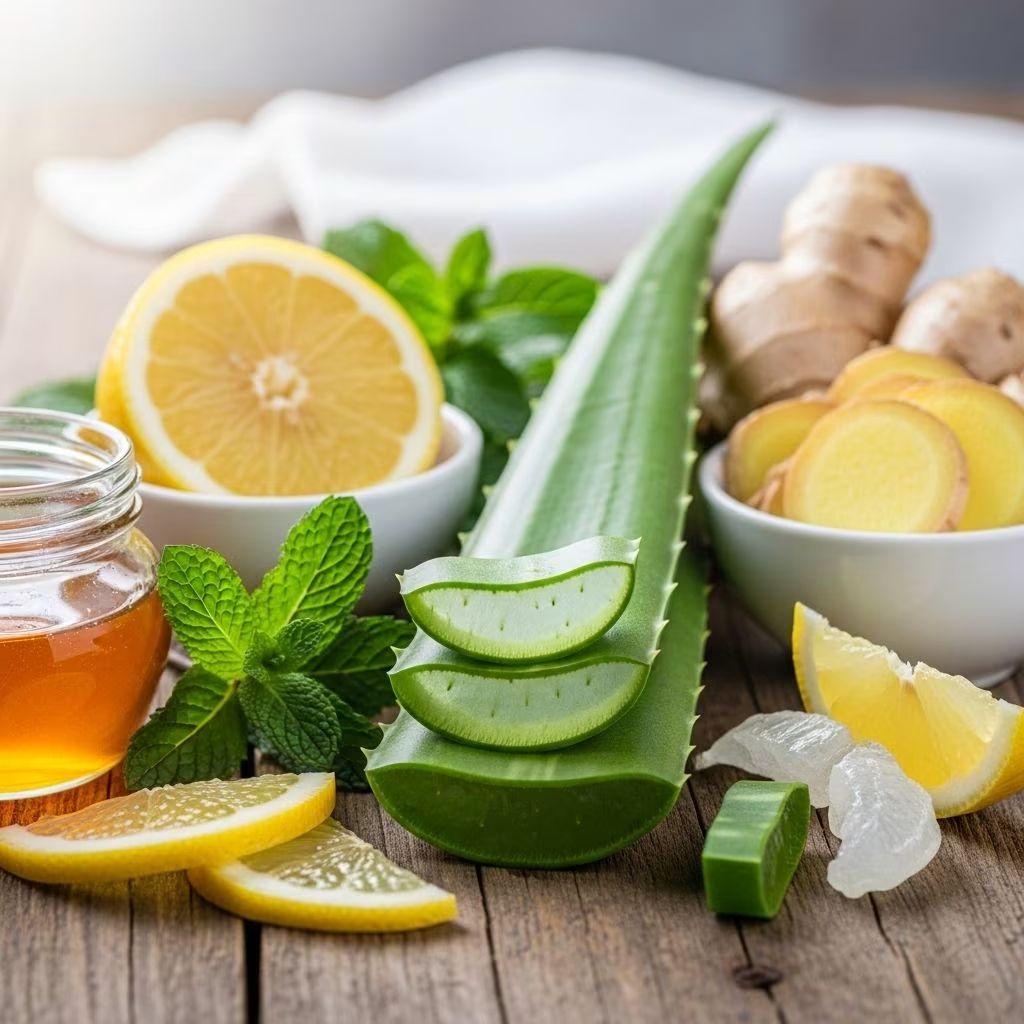
- Ginger: Known for its anti-inflammatory and nausea-reducing properties, ginger can be consumed as freshly brewed tea or small amounts of grated ginger in warm water. However, as ginger can occasionally cause heartburn as a side effect, monitor your response and discontinue if symptoms worsen.
- Aloe Vera Juice: Aloe vera, when specifically processed for internal consumption, may soothe the oesophageal lining and support digestion.
- Probiotics: Consuming probiotic-rich foods such as yoghurt, kefir, or supplements may support gut balance and improve digestion, potentially reducing reflux episodes.
- Apple Cider Vinegar: Used by some as a home remedy, but scientific evidence is lacking and high concentrations can cause injury to the oesophagus. If you wish to try it, always dilute it well and use with caution.
- Melatonin: This sleep-regulating supplement is claimed by some to relieve heartburn. However, research is limited, and potential side effects or medication interactions should be considered. Consult your healthcare provider about its use.
6. Simple At-Home Tricks: Milk, Chewing Gum & Bicarbonate of Soda
- Low-Fat Milk: Drinking a glass of cold, fat-free milk can quickly neutralise acid and push it back into the stomach. It’s a handy remedy, especially at night. Fat-free or skimmed versions are best, as higher fat can slow stomach emptying and worsen reflux.
- Sugar-Free Chewing Gum: Chewing gum stimulates saliva production, which naturally neutralises acid and helps protect the oesophagus. Have a piece of sugar-free gum right after meals for best effect.
- Bicarbonate of Soda (Sodium Bicarbonate): A long-standing home remedy to buffer stomach acid. Dissolve a small amount in water and drink as needed – but use sparingly and check with your doctor, especially if you have blood pressure concerns.
7. Lifestyle Changes: Core Pillars of Reflux Management
- Weight Management: Excess weight, especially around the abdomen, can increase pressure on the stomach and heighten reflux risk. Gradual, sustained weight loss is highly effective for reducing symptoms.
- Physical Activity: Gentle, regular activity like walking aids digestion and helps control body weight. Avoid strenuous exercise immediately after meals, which can worsen reflux.
8. Address Stress for Digestive Health
Chronic stress contributes to increased acid production and disrupts normal digestive function. Practicing stress-reducing techniques such as:
- Deep breathing exercises
- Meditation or mindfulness
- Yoga or tai chi
- Regular exercise
- Maintaining adequate sleep and work-life balance
can all help to reduce reflux episodes linked to emotional triggers.
9. Eliminate Smoking and Limit Alcohol
- Smoking: Weakens the LES, increases acid production, and reduces saliva’s protective effects. Quitting is one of the most impactful lifestyle choices for reflux control.
- Alcohol: Relaxes the LES and irritates the oesophageal lining. Minimising or eliminating intake, especially near bedtime, can reduce symptoms.
When to Consider Medical Evaluation
While natural strategies are effective for many, persistent or severe symptoms – such as difficulty swallowing, chronic cough, unexplained weight loss, bloody vomiting or stools – require medical attention. People with frequent symptoms (more than twice per week) should seek professional assessment to exclude serious underlying conditions.
Additional Tools: Keeping a Food and Symptom Diary
Tracking foods, activities, and symptoms helps pinpoint triggers and evaluate which remedies are effective. Identify patterns by recording:
- All foods and drinks consumed
- Meal timings and portion sizes
- Physical activity and sleep habits
- Timing and severity of symptoms
This self-awareness empowers you to make personalised changes and discuss relevant factors with your healthcare provider.
Summary Table: Key Natural Remedies for Acid Reflux Relief
| Remedy | How It Works | Cautions |
|---|---|---|
| Dietary adjustments | Reduces stomach irritation and pressure on LES | Requires individual tailoring |
| Elevation of bed | Uses gravity to prevent nighttime reflux | Needs consistent implementation |
| Ginger (tea/root) | Potential anti-inflammatory and pro-digestion effects | Can cause heartburn, monitor effects |
| Chewing gum | Boosts saliva to neutralise acid | Choose sugar-free options |
| Low-fat milk | Quick relief by neutralising acid | Fat content increases reflux in some |
| Baking soda (sodium bicarbonate) | Short-term acid neutralisation | High sodium; avoid in hypertension |
| Probiotics | Supports gut flora and digestion | Choose clinically tested strains |
| Apple cider vinegar | Anecdotal; may stimulate digestion | Can cause injury if undiluted |
| Melatonin | Potential LES strengthening | Research limited; medication interactions |
Frequently Asked Questions (FAQs)
Q: Can certain foods really prevent acid reflux?
A: Yes. Foods that are low in acidity and fat, such as bananas, melons, leafy greens, oatmeal, and lean proteins, are less likely to trigger reflux and may support digestion. Avoiding known triggers like citrus, tomatoes, spicy foods, fatty foods, and chocolate is equally important.
Q: Is milk a recommended option for immediate relief?
A: Skimmed or low-fat milk can offer quick relief by neutralising acid and soothing the oesophagus. Avoid whole milk as fat content can worsen symptoms by slowing stomach emptying.
Q: Are ginger and aloe vera safe for everyone with reflux?
A: Most people tolerate these natural aids well in small amounts. However, ginger can cause heartburn in some individuals; discontinue use if symptoms worsen. Aloe vera should be a food-grade product formulated for internal use. Consult your doctor before regular supplementation, especially if you take other medications.
Q: What simple lifestyle changes help the most?
A: Losing excess weight, stopping smoking, sleeping with your upper body elevated, eating smaller meals, and managing stress are among the most effective non-medication strategies for persistent acid reflux.
Q: When should I seek professional help for my symptoms?
A: If your symptoms are frequent, severe, worsening, or associated with alarm features like difficulty swallowing, bleeding, unexplained weight loss, or persistent vomiting, consult a healthcare professional promptly. Chronic acid reflux can sometimes indicate or lead to more serious problems that require medical evaluation and treatment.
Final Thoughts: Safety First with Natural Remedies
Home remedies and lifestyle measures often provide marked relief for mild to moderate acid reflux. However, always discuss new supplements or significant dietary changes with your healthcare provider to ensure they’re safe for your unique health profile. Combining informed choices, self-awareness, and evidence-based care is the most sustainable route to lasting digestive comfort.
References
- https://www.bswhealth.com/blog/7-natural-remedies-for-acid-reflux
- https://www.goodrx.com/conditions/gerd/acid-reflux-home-remedies
- https://www.gastrolondon.co.uk/acid-reflux/home-remedies-for-acid-reflux/
- https://www.health.harvard.edu/newsletter_article/9-ways-to-relieve-acid-reflux-without-medication
- https://www.houstonmethodist.org/blog/articles/2021/dec/home-remedies-for-heartburn-10-ways-to-get-rid-of-acid-reflux/
- https://hartfordhospital.org/about-hh/news-center/news-detail?articleId=52210
- https://gatgi.com/blog/foods-and-drinks-that-help-with-acid-reflux/


