


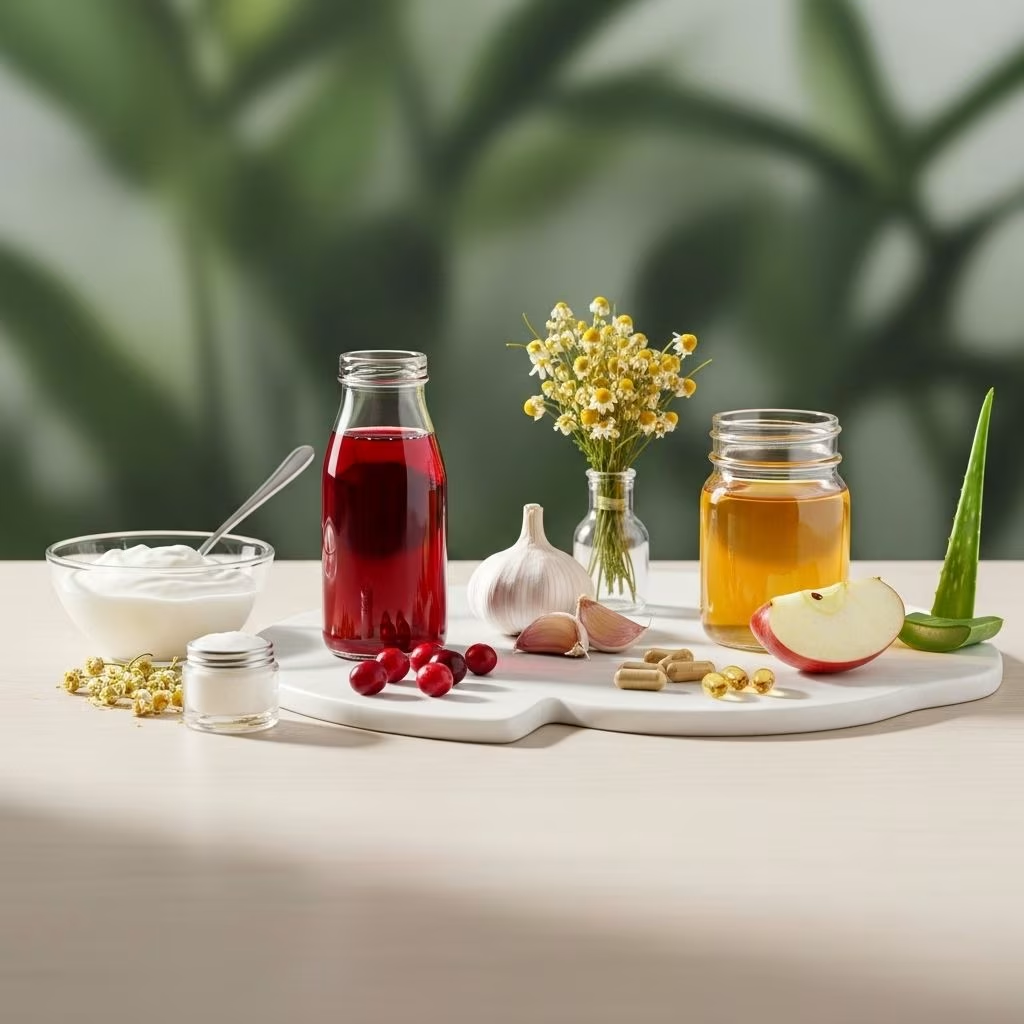
7 Natural Remedies for Vaginal Health and Balance
Your vaginal health is deeply connected to your overall wellbeing—affecting your comfort, confidence, and sexual health throughout life. Many women seek ways to naturally support vaginal balance, alleviate common discomforts, and maintain a healthy pH. While the vagina is self-cleaning and resilient, daily routines, environmental factors, diet, and stress can all influence its ecosystem. This article presents seven holistic, science-informed natural remedies you can add to your lifestyle for optimal vulvovaginal vitality.
1. Probiotics: Nourishing Your Vaginal Microbiome
The foundation of a healthy vagina is a robust, well-balanced microbiome dominated by Lactobacilli bacteria. These ‘good’ bacteria produce lactic acid, maintaining the acidic environment that fends off infections and supports overall vaginal comfort.
- Oral consumption: Include probiotic-rich foods like yogurt, kefir, sauerkraut, kimchi, miso, and tempeh in your diet.
- Supplements: Consider a daily probiotic supplement formulated for women’s health—a practical option if fermented foods aren’t part of your routine.
- Benefits: Increased vaginal Lactobacilli levels are linked to fewer yeast infections, reduced bacterial vaginosis (BV), improved pH balance, and decreased odor or itching.
- Scientific note: While oral probiotics support digestive and vaginal flora, inserting probiotic capsules directly into the vagina is sometimes suggested but should only be done under healthcare supervision.
2. Boric Acid: A Time-Tested Remedy for Persistent Imbalance
Boric acid suppositories have been used for more than a century to address recurrent BV (bacterial vaginosis) and yeast infections. Their antifungal and antiviral properties can help restore pH and reduce symptoms such as odor, irritation, and discharge.
- Purchase pharmaceutical-grade boric acid suppositories from pharmacies—never use homemade or non-medical preparations.
- Insert as directed, usually one suppository nightly for a specific therapeutic duration (consult with your healthcare provider first).
- Boric acid is not recommended if you are pregnant and should never be taken orally. Keep suppositories away from children and pets.
- While research confirms its safety and effectiveness for many women, results can vary and medical oversight is crucial for persistent or severe cases.
3. Garlic: Natural Antifungal and Antibacterial Power
Garlic contains the compound allicin, which offers both antifungal and antimicrobial properties. Some studies suggest taking garlic tablets may help combat mild cases of yeast infections and BV, with fewer side effects than some conventional treatments.
- How to use: Oral garlic supplements are preferable—NEVER insert raw garlic into the vagina, as it can cause irritation or imbalance.
- Dose: Studies trialed 500 mg garlic supplements taken orally twice daily for seven days. Always discuss with your provider before beginning new supplements, especially if on blood thinners or approaching surgery.
- Considerations: While promising, large-scale research is still needed. Garlic supplements should not replace prescribed medications in serious or persistent infections.
4. Apple Cider Vinegar: Gentle pH Rebalancing Support
Apple cider vinegar (ACV) is sometimes recommended for maintaining a healthy vaginal environment due to its mild acidity and reputed antimicrobial effects. The idea is that gently restoring natural acidity may help prevent growth of unwanted bacteria and yeast.
- How to use: Mix one ounce of ACV with four ounces of water and use a clean cloth to gently cleanse the outer vulva (never douche or use inside the vagina).
- Cautions: Do not apply undiluted ACV directly to sensitive tissue, as it may cause stinging or irritation.
- This topical use can help reduce itching, odor, and discomfort in some cases, but persistent symptoms should always be evaluated by a healthcare provider.
5. Diet: Everyday Foods that Support Vaginal Comfort
Your daily food choices strongly influence overall mucosal and reproductive health. Certain foods have been associated with beneficial effects on vaginal lubrication, pH, and resilience:
- Cranberries: Help prevent recurrent urinary tract infections (UTIs) due to their proanthocyanidins, which inhibit bacteria from adhering to the urinary tract.
- Apples: Contain phytoestrogens and antioxidants that may support blood flow, enhance vaginal lubrication, and contribute to sexual vitality.
- Soy products: Rich in phytoestrogens that help maintain healthy estrogen levels, reducing dryness—especially in menopause.
- Avocados: Provide healthy fats, vitamin B6, and potassium—all linked to improved vaginal lubrication and function.
- Dark leafy greens: Such as kale, spinach, and collard greens supply magnesium, nitrates, and calcium for improved blood flow and muscular health of the pelvic floor.
- Hydration: Drinking plenty of water is vital to support natural moisture production throughout the body—including the vagina.
Making these foods regular parts of your diet, while reducing sugar and processed foods, contributes fundamentally to comfort, resilience, and natural defense against infection.
6. Moisturizing Oils and Balms: Relieving Dryness and Discomfort
The tissues around the vulva can become dry, especially after menopause, childbirth, or during times of stress. Natural oils and soothing balms can restore comfort, reduce itching, and protect against microtears and irritation during intimacy:
- Choose natural, fragrance-free oils such as coconut oil, olive oil, calendula balm, or vitamin E oil.
- Apply a small amount externally to the vulva after bathing and as needed. Some women also use coconut oil as a gentle personal lubricant.
- Note: If using condoms, be aware that oil-based products can weaken latex—choose water-based alternatives for safer sex.
- For ongoing or severe dryness, consult your healthcare provider regarding medical-grade vaginal moisturizers or hormone therapy if appropriate.
7. Hygiene and Lifestyle Practices: Everyday Prevention
Simple habits can protect the delicate balance of your vaginal ecosystem, prevent irritation, and curb infection risk:
- Wear breathable, cotton underwear to decrease moisture and fungal overgrowth.
- Avoid scented soaps, douches, and powders, which can disrupt healthy bacteria and cause inflammation.
- Practice safe sex: Use condoms for new or multiple partners, and urinate soon after intercourse to flush the urethra.
- Wipe front to back after toileting to prevent bacteria transfer from the rectum to the vagina.
- Manage stress, as physical and emotional strain can weaken immune defenses and upset microbial balance.
- Stop smoking, which negatively affects vaginal tissue health and increases infection risk.
Table: Natural Remedies and Their Potential Benefits
| Remedy | Main Benefit | Recommended Use | Cautions |
|---|---|---|---|
| Probiotics | Restores healthy bacteria, supports pH, reduces infections | Oral supplements, fermented foods | Read labels for quality, check for allergies to dairy/soy |
| Boric Acid | Alleviates BV, yeast infections, balances pH | Vaginal suppository (pharmacy-grade) | Not safe if pregnant, do not ingest orally |
| Garlic | Antifungal, helps reduce yeast and BV symptoms | Oral supplement only | May interact with blood thinners; avoid raw vaginal use |
| Apple Cider Vinegar | Supports external pH, mild antimicrobial action | Diluted wash for vulva, never internal | Can irritate sensitive tissue if undiluted |
| Soothing Oils | Moisturizes, relieves dryness and irritation | External application to vulva | Oils can weaken latex condoms |
| Dietary Choices | Improves lubrication, strengthens tissue, prevents infection | Daily intake of featured foods | Balance with overall nutrition needs |
| Hygiene Habits | Reduces risk of infection, preserves balance | Cotton underwear, unscented products, proper wiping | Excessive washing can harm flora |
Frequently Asked Questions (FAQs)
Q: Are these remedies safe for every woman?
A: Most are gentle and safe when used as directed, but always consult your healthcare provider before starting new supplements, especially if you are pregnant, have allergies, or have ongoing gynecological conditions. Never use home remedies in place of prescribed treatment for severe or persistent symptoms.
Q: Can I use probiotics during an active infection?
A: Probiotics can be used alongside most antifungal or antibiotic treatments, but consult your doctor for the best approach if you have acute symptoms or a diagnosed infection.
Q: Is it safe to use raw garlic or essential oils in the vagina?
A: No. Raw garlic and undiluted essential oils can cause irritation or upset your natural flora. Garlic is most safely used orally as a supplement. Essential oils should never be applied undiluted to sensitive areas.
Q: How can I tell if my vaginal pH is out of balance?
A: Signs may include noticeable odor, itching, burning, increased or unusual discharge, dryness, or irritation. Over-the-counter pH test kits are available, but any persistent change should be evaluated by your physician.
Q: When should I see a doctor instead of trying natural remedies?
A: If you experience severe pain, fever, blood in discharge, persistent or recurrent infections, new rashes, or symptoms that do not improve with home care, see your provider promptly for diagnosis and targeted treatment.
Key Takeaways and Expert Tips
- Support daily vaginal wellness by choosing foods that nourish, using gentle intimacy products, and practicing breathable hygiene habits.
- Natural remedies are best for mild symptoms or as preventive care—not as substitutes for professional medical attention if problems are severe or ongoing.
- If trying new products, patch test on a small area first to check for sensitivity or allergic reactions.
Listening to your body, trusting your intuition, and working in partnership with a skilled women’s health provider ensures you enjoy a healthy and comfortable relationship with your body at every life stage. Remember, your vagina is wise and strong—sometimes she just needs a little extra support along the way.
References
- https://www.vinmec.com/eng/blog/8-foods-that-help-increase-fertility-lubricate-and-balance-the-ph-of-the-vagina-en
- https://www.healthline.com/health/natural-remedies-to-restore-ph-balance
- https://www.evvy.com/blog/home-remedies-for-yeast-infections
- https://www.henryford.com/Blog/2024/09/At-Home-Treatments-For-Womens-Health-Issues
- https://www.medicalnewstoday.com/articles/317562
- https://www.mskcc.org/cancer-care/patient-education/vaginal-health
- https://www.draliabadi.com/womens-health-blog/10-vaginal-health-tips/


