


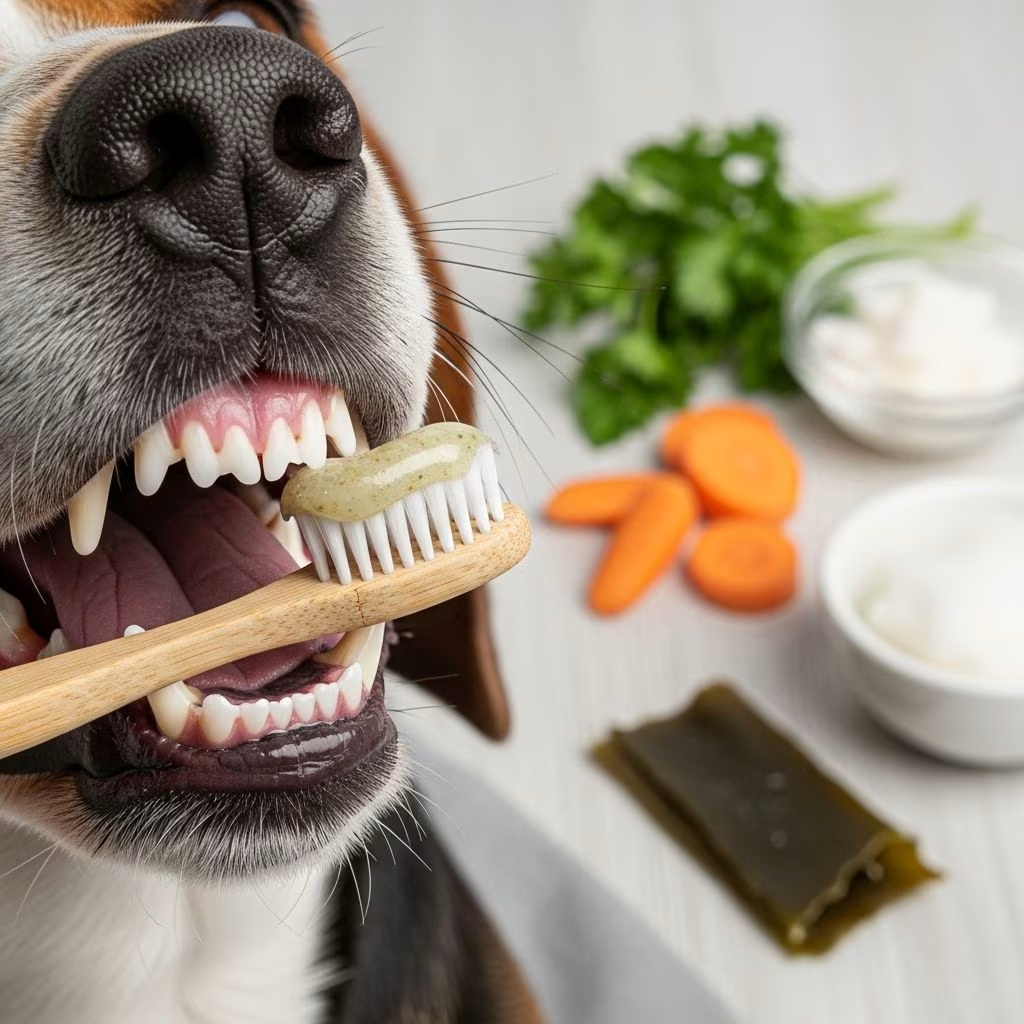
Natural Remedies for Softening and Removing Plaque in Dogs
Maintaining your dog’s oral health is crucial not only for fresh breath and sparkling teeth but also for overall wellness. Plaque and tartar buildup affect millions of dogs and may lead to gum disease, tooth loss, and even systemic health issues. While professional cleanings remain important, a variety of natural home remedies exist to keep your dog’s teeth healthy between vet visits.
Understanding Dog Tartar & Plaque Formation
Plaque is a sticky biofilm of bacteria forming on teeth after meals. If not regularly removed, it mineralizes into tartar (dental calculus) in as little as 24 hours. Tartar adheres strongly to the tooth surface and, if left untreated, can extend under the gumline, paving the way for gingivitis, painful infections, and tooth loss.
Recognizing early signs is essential:
- Yellow or brown staining near the gumline
- Bad breath (halitosis)
- Swollen or bleeding gums
- Reluctance to eat or chew toys
Addressing plaque and tartar promptly helps prevent these discomforts and supports a longer, healthier life for your pet.
Common Health Issues Due to Tartar Buildup
- Gum disease (Periodontal disease): Chronic inflammation, pain, tooth mobility, and tooth loss
- Systemic infections: Oral bacteria may enter the bloodstream and affect organs like the heart, kidneys, and liver
- Oral discomfort: Difficulty eating, chewing, and playing
Natural Remedies for Softening and Removing Plaque
Many natural alternatives can support professional dental care and provide practical, safe ways to reduce plaque at home. Here are the most effective, science-backed methods:
Coconut Oil Tooth Brushing
- Antibacterial And Antifungal: Coconut oil is rich in lauric acid, which inhibits the growth of oral bacteria.
- Application: Use a soft-bristled dog toothbrush or finger brush. Start by applying a small amount of coconut oil daily, increasing as your pet adapts.
- Benefits: Fights plaque, freshens breath, soothes gums, and improves oral hygiene with minimal risk.
Tip: Consider coconut treats for additional mechanical cleaning and flavor variety.
Enzymatic Toothpaste for Dogs
- What Are Enzymatic Toothpastes? Specially made for dogs, these contain enzymes that break down tartar chemically, often in combination with mechanical brushing.
- Active Ingredients: Glucose oxidase and other enzyme complexes dissolve organic deposits and prevent new plaque formation.
- Use: Brush at least two to three times per week; regular use yields best results.
Dental Wipes with Baking Soda
- Advantages: Dental wipes are an easy alternative to brushing, especially for dogs that dislike toothbrushes. Those infused with baking soda gently polish teeth and remove stains.
- Application: Rub gently over teeth and gums, focusing on stained areas and gumline.
- Benefits: Removes biofilm, freshens breath, can be used between vet visits.
Raw Bones: Natural Dental Cleaners
- How Bones Help: Chewing on raw bones scrapes off soft plaque, promoting strong teeth and healthy gums.
- Safety First: Only offer bones appropriate in size for your dog’s breed, and ensure they do not splinter.
- Types: Raw meaty bones are preferred; avoid cooked bones and small bones that may break and cause harm.
Seaweed Supplements
- Nutritional Boost: Seaweed is rich in minerals and antioxidants and is clinically shown to help reduce plaque and tartar build-up naturally.
- Mechanism: Compounds in seaweed, especially Ascophyllum nodosum, get absorbed and act via the dog’s saliva, reducing oral bacteria and mineralization.
- Benefits: Promotes oral health, supports fresher breath, and may soothe gum discomfort.
Agility Toys and Dental Chews
- Chewing Action: Toys and chews designed for dental health mechanically abrade plaque and tartar from teeth.
- Material Choice: Choose safe, durable toys without toxic materials; dental chews should be size-appropriate and last long enough to clean teeth thoroughly.
Nutritious Fruits and Vegetables
- Natural Cleaners: Crunchy produce like carrots and apples function as mild abrasives, cleaning teeth while your dog chews.
- Safe for Dogs: Always remove seeds and cores, offer moderate portions, and avoid grapes, raisins, onions, garlic, and other toxic foods.
Other Home Remedies and Natural Supplements
- Grapefruit Seed Extract: Antimicrobial properties help combat bacteria in the mouth. Dilute and apply lightly after tooth brushing for added protection.
- Chlorhexidine Rinses: An antiseptic, available in pet stores as a 0.2% oral rinse to fight gingivitis and bacteria. Apply sparingly to avoid staining.
- Aloe Vera & Peroxide: Used cautiously to fight plaque; hydrogen peroxide is antibacterial, while aloe vera can soothe gums. Only apply sparingly and under supervision.
- Stomadhex Patch: Veterinary-prescribed patch releasing antiseptics to maintain oral hygiene after professional cleaning.
- Rawhides & Deer Antlers: Durable, natural chews that help maintain tartar control (ensure proper size and no splintering).
Comparison Table: Top Natural Remedies
| Remedy | Main Benefit | Application | Risks/Cautions |
|---|---|---|---|
| Coconut Oil | Antibacterial, plaque reduction | Brush teeth, treats | Moderation; high fat may upset digestion |
| Enzymatic Toothpaste | Breaks down tartar chemically | Brush teeth regularly | Use canine-specific products |
| Dental Wipes | Removes stains, freshens breath | Wipe teeth/gums | Ensure gentle application |
| Raw Bones | Scours plaque, strengthens teeth | Chew under supervision | Must not splinter; choose correct size |
| Seaweed Supplements | Reduces plaque/tartar systemically | Daily supplement with food | Use veterinary-approved seaweed |
| Agility Toys/Chews | Abrasive action, cleans teeth | Active chewing sessions | Size and durability matter |
Spotlight: Seaweed Supplements for Canine Oral Health
Seaweed-based supplements, notably those formulated from Ascophyllum nodosum, represent a cutting-edge, holistic solution for maintaining dental hygiene in dogs:
- Mechanism of Action: After ingestion, bioactive compounds are absorbed and transferred to saliva, combating bacteria and reducing plaque without brushing.
- Clinical Studies: Research shows seaweed can reduce plaque and tartar accumulation, improve gum health, and freshen breath.
- Additive Benefits: Supplies minerals (iodine, magnesium) and antioxidants supporting overall immune health.
Seaweed supplements suit almost any dog, including those resistant to brushing or chewing hard objects. They are typically added to food daily, and results can be seen in weeks.
Building a Comprehensive Dental Care Routine
- Brush Regularly: Use coconut oil or canine enzymatic toothpaste. Goal: at least three times weekly.
- Dental Chews and Toys: Offer daily for mechanical cleaning.
- Raw Bones and Safe Chews: Provide a couple of times per week, always supervised.
- Supplements: Seaweed and other oral health supplements can be used daily.
- Diet: Opt for foods that support oral cleanliness—crunchy produce, high-quality kibble, and cautious treats.
- Professional Checks: Schedule vet evaluations for dental scaling and health assessment annually.
Preventative Measures and Best Practices
- Start oral care early; puppies adjust faster to brushing and new routines.
- Choose products formulated specifically for dogs; human products may contain hazardous ingredients.
- Monitor chewing sessions to prevent choking or ingestion of inappropriate items.
- Limit sugary treats and starch-heavy diets, which contribute to plaque buildup.
Frequently Asked Questions (FAQs)
Q: How can I naturally soften plaque on my dog’s teeth?
A: Use chew toys, dental chews, and safe raw bones which provide abrasive action to soften and reduce plaque formation. Coconut oil brushing also helps.
Q: Can I remove plaque from my dog’s teeth at home?
A: Yes, soft plaque can be carefully removed using pet-safe dental scalers or toothbrushes designed for dogs. For hard tartar, professional cleaning is recommended.
Q: Are there any natural supplements that help with plaque removal?
A: Yes, seaweed-based supplements and coconut oil can help decrease oral bacteria and promote dental hygiene. Always use veterinary-approved products.
Q: How often should I use natural remedies for removing plaque?
A: Multiple times per week—ideally daily routines for optimal results. Consistency is key for effective oral hygiene maintenance.
Q: Are raw bones or antlers safe for cleaning teeth?
A: Raw bones can be effective if sized appropriately and given under supervision. Avoid cooked, splintering, or small bones. Deer antlers are also useful but must suit your dog’s chewing style.
Q: Can fruit and veggies clean my dog’s teeth?
A: Yes. Crunchy produce like carrots and apples naturally scrub teeth, but portions must be appropriate and toxic varieties strictly avoided.
Final Tips for Canine Oral Care
- Combine several natural remedies for a synergistic approach.
- Observe your dog’s comfort—adapt home care practices according to their tolerance and dental condition.
- Consult your veterinarian for product recommendations, scaling if hard tartar is present, or if you see bleeding gums, tooth mobility, or other warning signs.
- Promote a positive dental routine with praise, treats, and gentle introductions to new tools.
With regular, thoughtful home care and the right natural remedies, you can safeguard your dog’s dental health, ensuring a happier, healthier companion for years to come.
References
- https://seaweedfordogs.com/en-us/pages/natural-remedies-for-softening-and-removing-plaque-in-dogs
- https://www.petspyjamas.com/blog/10-ways-to-clean-your-dogs-teeth-naturally/
- https://www.dogseechew.in/blog/6-effective-ways-to-remove-plaque-and-tartar-from-a-dogs-teeth
- https://www.holistapet.com/blogs/home-remedies-for-dogs/tooth-decay
- https://www.poochandmutt.co.uk/blogs/health/how-to-soften-dog-tartar-and-remove-plaque-without-a-vet
- https://www.dogsnaturallymagazine.com/a-natural-approach-to-tartar-build-up/
- https://www.youtube.com/shorts/AsRQwtpEus8
- https://www.petassure.com/new-newsletters/three-natural-ways-to-get-rid-of-dog-tartar/


