


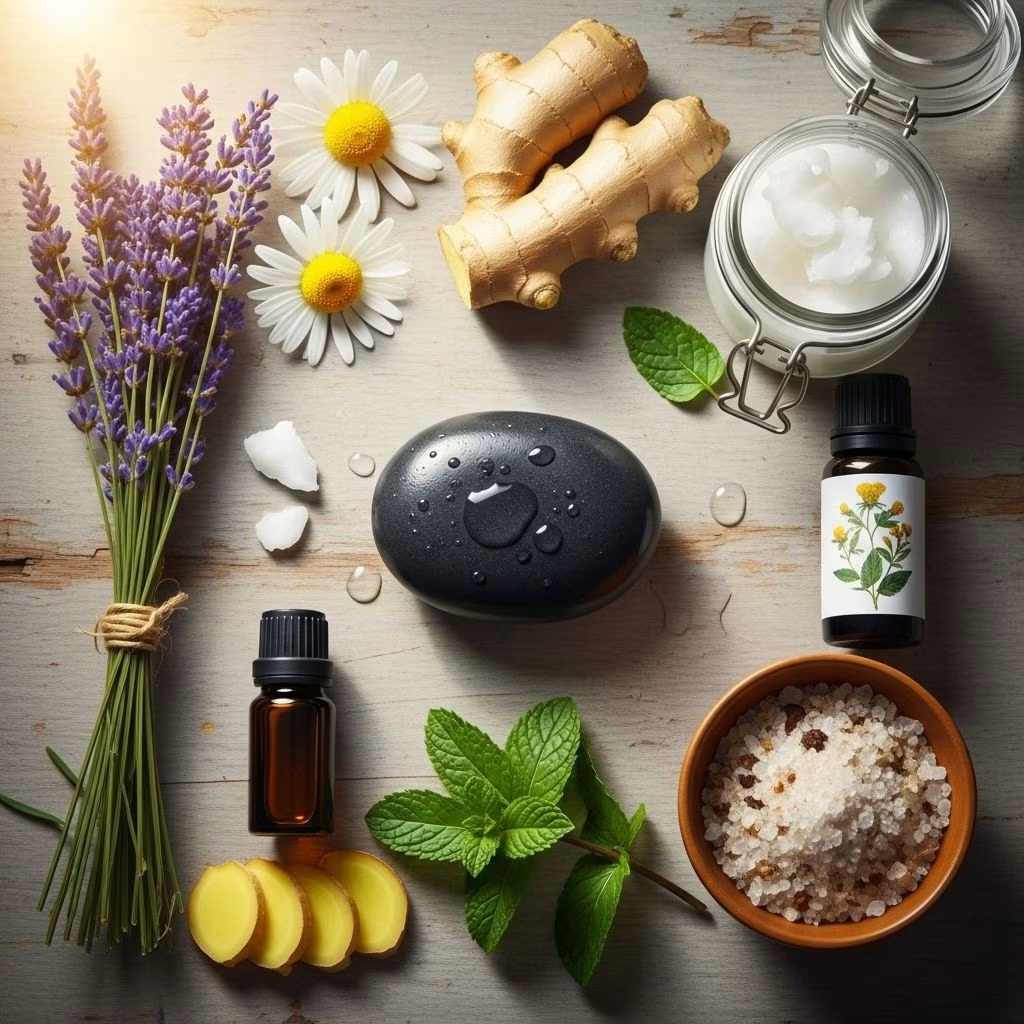
Natural Remedies to Help Relieve Muscle Pain
Muscle pain is a common discomfort that can arise after intense physical activity, injury, or even everyday tasks. While over-the-counter pain relievers and pharmaceutical options abound, many people seek out safe, natural remedies to soothe their aching muscles, speed recovery, and support overall wellness. Whether you’re an athlete, a weekend warrior, or simply looking to live more comfortably, this guide details evidence-backed natural solutions for muscle pain relief—and how to know when it’s time to seek professional care.
Know When to Rest and When to Seek Help
Before trying any remedy, it’s vital to assess the severity of muscle pain. Rest is the first and most crucial step, especially when pain is significant or accompanied by swelling, bruising, or loss of function. Allowing adequate healing time prevents further injury. However, watch for warning signs—such as intense pain after a fall, inability to move the muscle, extreme swelling, or signs of infection—which may indicate a more serious condition requiring medical evaluation.
Effective Natural Remedies for Muscle Pain
Many time-tested remedies, lifestyle adjustments, and simple home-care methods can reduce muscle soreness, inflammation, and spasms. Here are the most effective natural approaches:
1. Adequate Rest
Give affected muscles a break. Rest limits strain and allows damaged fibers to repair. Depending on the severity, a few days away from intense activity will help avoid exacerbating the injury.
Tip: Gentle movement or very light stretching after the initial rest period may help prevent stiffness, but always listen to your body’s signals.
2. Proper Hydration
Dehydration can worsen muscle cramps and delay recovery. Make sure to drink plenty of water, especially before and after physical exertion. In some cases, adding electrolytes—such as sodium, potassium, and magnesium—can further benefit those engaging in strenuous exercise, as these minerals are vital for muscle function.
3. Cold Therapy
Applying an ice pack or cold compress to sore muscles for up to 20 minutes at a time after injury can reduce inflammation, swelling, and pain by constricting blood vessels. This is particularly effective within the first 48 hours after muscle strain.
- Wrap ice or a cold pack in a thin towel to avoid direct contact with skin.
- Use cold therapy 2-3 times daily, especially after activities that aggravate pain.
4. Gradual Return to Movement
After a brief period of rest, gentle movement helps maintain circulation, prevent stiffness, and assist healing. Light activity—such as walking, stretching, or yoga—can be resumed once acute pain subsides. This supports the repair process and restores muscle flexibility without causing additional harm.
5. Compression and Elevation
For localized muscle injuries (such as sprains or strains), compression using an elastic bandage reduces swelling and provides support. Simultaneously, elevate the affected limb above heart level to decrease puffiness and encourage fluid drainage.
- Do not compress too tightly, as this may restrict blood flow.
6. Nutritional Support for Muscle Repair
| Food/Supplement | How it Helps |
|---|---|
| Magnesium | Helps relax muscles and prevent cramps. Found in leafy greens, nuts, seeds, legumes. |
| Vitamin D | Essential for muscle function and pain reduction. Sourced from sunlight, eggs, fortified dairy. |
| Potassium | Balances electrolytes and prevents muscle spasms. Found in bananas, potatoes, avocados. |
| Protein | Supports muscle repair and growth. Good sources include lean meats, soy products, legumes. |
| Antioxidants (e.g., berries, pomegranate, tart cherry juice) | Reduce inflammation and speed muscle recovery. |
7. Herbal and Dietary Remedies
Many herbs and natural supplements have been shown to reduce muscular inflammation and pain. Common choices include:
- Chamomile: Contains anti-inflammatory flavonoids; use as tea or massage oil for muscle relaxation.
- Tart Cherry Juice: Known for antioxidant and anti-inflammatory properties to minimize pain after exercise.
- Blueberries: Consumed as smoothies or snacks to boost recovery by lowering oxidative stress.
- Pomegranate Juice: Contains phytonutrients that promote faster muscle healing.
- Cayenne Pepper: Capsaicin reduces pain and spasms; available as cream or dietary spice.
- Turmeric and Ginger: Traditional anti-inflammatory agents used in both foods and supplements.
- Arnica: Used topically to relieve muscle soreness.
8. Simple Home Practices
- Self-Massage: Gently massaging the affected area with or without oils can increase circulation and reduce stiffness.
- Warm Baths: A bath with Epsom salts (magnesium sulfate) can soothe tight muscles and reduce discomfort.
- Heat Therapy: After the acute phase (past 48 hours), apply a warm compress to encourage blood flow and help relaxation.
9. Mind-Body Techniques
- Stretching: Gentle, regular stretching keeps muscles flexible and reduces recurrence of pain.
- Yoga and Tai Chi: Promote balance, flexibility, and relaxation.
- Meditation and Deep Breathing: Managing stress can lower muscle tension and support recovery.
When to Contact a Healthcare Provider
Most muscle pain resolves with rest and home care. However, seek medical attention promptly if you notice:
- Severe, persistent, or worsening pain
- Intense swelling, bruising, or redness
- Signs of infection (fever, chills, warmth at the site)
- Inability to use the affected muscle
- Suspected sprain, tear, or broken bone
Frequently Asked Questions (FAQs)
Q: How long should I rest a sore muscle before becoming active again?
A: Rest for at least one to two days for minor strains. Resume light movement when pain subsides, but avoid rushing high-intensity activities which may delay healing.
Q: Can hydration really affect muscle pain?
A: Yes. Muscles rely on proper fluid balance for contraction and relaxation. Dehydration can worsen cramps and slow recovery. Drink water regularly, especially during and after physical activity.
Q: Are hot or cold packs better for muscle pain?
A: Use cold packs first (within 48 hours) to reduce inflammation. After acute inflammation subsides, use heat to relax muscles and enhance blood flow.
Q: Are natural supplements for muscle pain safe for everyone?
A: Most natural supplements are safe for general use, but always consult a healthcare provider if you have a chronic illness, are pregnant, breastfeeding, or taking medications, as some herbs and supplements may interact with prescribed drugs.
Q: What foods should I eat to help muscle recovery?
A: Choose foods rich in protein (lean meats, tofu, legumes), antioxidants (berries, pomegranate), and anti-inflammatory blends such as turmeric and ginger. Pair with adequate fluids and balanced electrolytes to optimize healing.
Summary Table of Natural Muscle Pain Remedies
| Remedy | Primary Benefit | Best Use |
|---|---|---|
| Rest | Allows muscle fibers to repair | Immediately after injury or intense soreness |
| Hydration | Prevents cramps, supports muscle function | Continuously; before, during, and after exercise |
| Cold Therapy | Reduces inflammation and swelling | First 48 hours after muscle injury |
| Gentle Movement | Prevents stiffness, improves mobility | After acute pain decreases |
| Compression/Elevation | Minimizes swelling, provides support | For localized injuries (strains, sprains) |
| Nutrition | Supports tissue repair, reduces inflammation | Daily; emphasize magnesium, vitamin D, antioxidants |
| Herbal Remedies | Naturally reduces pain and spasms | Chamomile, turmeric, cayenne for ongoing support |
| Home Practices | Relaxation, improved recovery | Massage, baths, after soreness sets in |
| Mind-Body Techniques | Reduces muscle tension and stress | Ongoing, to prevent recurrence |
Final Tips for Safe and Effective Muscle Pain Relief
- Start slow: Try one remedy at a time, monitoring your body’s response.
- Combine approaches: Rest, hydration, and nutrition work best together.
- When in doubt, check with your physician, especially for persistent or unexplained muscle pain.
- Allow time: Natural remedies often take a few days to show results.
References
- https://www.healthline.com/health/pain-relief/best-natural-muscle-relaxers
- https://www.gspmweb.com/7-natural-remedies-for-muscle-pain/
- https://www.brooklynpaindoctors.com/post/soothing-muscle-pain-with-alternative-medicine-a-holistic-approach-to-relief
- https://pmc.ncbi.nlm.nih.gov/articles/PMC5329173/
- https://selecthealth.org/blog/healthy-living-tips/natural-remedies-to-help-muscle-pain
- https://utswmed.org/medblog/supplements-for-back-joint-muscle-pain/
- https://my.clevelandclinic.org/health/symptoms/myalgia-muscle-pain
- https://selecthealth.org/es/blog/healthy-living-tips/natural-remedies-to-help-muscle-pain


