


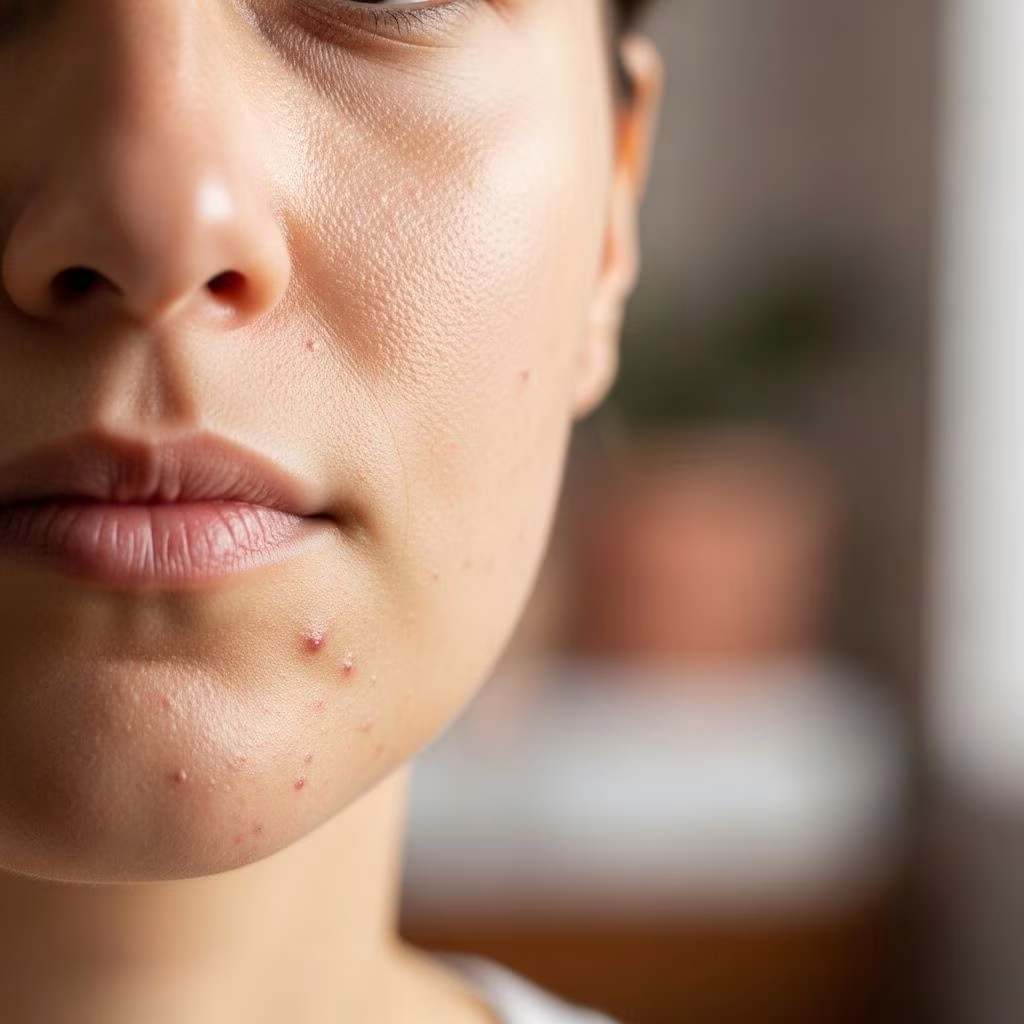
Ovulation Acne: Causes, Symptoms, and Effective Remedies
Many women notice distinct shifts in their skin health throughout their menstrual cycle, and ovulation acne is a particularly common challenge. At the midpoint of your cycle, as your body prepares to release an egg, fluctuating hormones often cause breakouts—even for those who don’t usually struggle with acne. Understanding why these changes occur and learning how to effectively address them can make a significant difference in both appearance and confidence.
What Is Ovulation Acne?
Ovulation acne refers to skin breakouts that occur around the time of ovulation, which typically happens about midway through the menstrual cycle (around day 14 in a 28-day cycle). An estimated 54% of women experience acne related to hormonal fluctuations at this time. The underlying cause is a complex interplay of hormonal changes that affect oil production, inflammation, and skin sensitivity.
Hormonal Fluctuations and Their Impact on Skin
Your menstrual cycle is orchestrated by a dynamic balance between estrogen, progesterone, and androgens (such as testosterone). Each hormone plays a unique role in your skin’s appearance throughout your cycle:
- Estrogen generally promotes hydrated, clear skin and helps regulate sebum (oil) production.
- Progesterone rises after ovulation, which can make skin swell slightly and trap sebum, potentially clogging pores.
- Testosterone and other androgens spike during ovulation, stimulating the sebaceous glands to produce more oil and increasing the likelihood of acne.
The result is a cycle of skin conditions that can range from a healthy glow to persistent, stubborn breakouts, depending on the unique balance of hormones each month.
Why Does Ovulation Trigger Acne?
During ovulation, testosterone levels surge, increasing sebum production. At the same time, estrogen peaks, but quickly declines after ovulation—reducing its anti-inflammatory effect on skin. Meanwhile, progesterone rises post-ovulation, further thickening sebum and making pores more prone to clogging. The mix of excess oil, dead skin cells, and sometimes bacteria creates a perfect environment for breakouts.
These hormonal changes can cause two main issues:
- Blocked Pores: Overproduction of sebum blends with dead skin cells, leading to clogged pores.
- Inflammation: Skin becomes more sensitive, prone to swelling and redness, which aggravates acne.
Symptoms: How to Recognize Ovulation Acne
Recognizing the symptoms of ovulation acne can help distinguish it from other forms. Common characteristics include:
- Timing: Pimples or breakouts tend to appear mid-cycle, shortly before or during ovulation.
- Location: Breakouts often cluster around the jawline, chin, and sometimes neck—the areas most sensitive to hormonal changes.
- Type of Acne: Breakouts are usually deep, cystic pimples rather than surface-level blackheads or whiteheads. These lesions are often painful and take longer to heal.
If you notice a consistent pattern—mid-cycle breakouts, especially around the jaw and chin—you are likely experiencing ovulation acne. These are commonly more severe and persistent than regular pimples and may indicate a hormonal root cause.
When to Seek Medical Advice
- If your acne is painful, persistent, or unresponsive to over-the-counter treatments
- If you develop deep, cystic acne or nodules
- If acne is affecting your quality of life or emotional well-being
- If you notice additional symptoms such as excessive facial or body hair, weight gain, or menstrual irregularities, it may suggest a deeper issue like Polycystic Ovary Syndrome (PCOS) and should be investigated by a healthcare professional.
Causes of Increased Acne During Ovulation
The central trigger behind ovulation acne is hormonal surges that influence skin physiology. Here’s a closer look at these causes:
- Testosterone Surge: Heightened production of sebum (skin oil) as androgens stimulate sebaceous glands.
- Rising Progesterone: Progesterone’s influence on skin thickness and pore tightness can trap sebum.
- Estrogen Drop: After ovulation, estrogen dips, reducing its protective, anti-inflammatory effect on skin.
- Inflammatory Response: Increased skin sensitivity and inflammation make existing acne worse and new pimples more likely.
Together, these create an environment where even minor skin stressors can lead to noticeable breakouts.
Preventing and Treating Ovulation Acne
Though ovulation acne can feel inevitable, both medical interventions and natural remedies can significantly reduce its impact. Your approach should be tailored depending on the severity of your breakouts, your overall health, and whether underlying hormonal conditions are at play.
Medical Treatments
| Treatment | Description | Ideal For |
|---|---|---|
| Combination Birth Control Pills | Regulate hormone levels and reduce androgen surges, balancing sebum production. | Women without contraindications for estrogen; moderate to severe acne. |
| Spironolactone | Anti-androgen; reduces the impact of androgens like testosterone on oil glands. | Persistent, hormone-driven (often adult) acne, especially cystic types. |
| Topical Retinoids | Increase cell turnover; prevent clogged pores and treat active breakouts. | Mild to moderate acne; combination therapy. |
| Antibiotics (Topical/Oral) | Address bacterial overgrowth and inflammation. | Severe or inflamed acne that doesn’t respond to first-line therapies. |
Natural Remedies and Lifestyle Strategies
- Gentle Cleansing: Use a mild, non-comedogenic cleanser twice daily to remove excess oil without stripping your skin’s natural barrier.
- Consistent Skincare Routine: Include ingredients like salicylic acid, niacinamide, or benzoyl peroxide for prevention and treatment.
- Avoid Over-drying Products: Harsh astringents and scrubs can irritate and worsen flare-ups.
- Dietary Adjustments: Limit high-glycemic foods and dairy, which may influence hormonal balance or sebum production in some women.
- Manage Stress: Chronic stress can disrupt hormonal balance and worsen acne.
- Supplements: Consult your healthcare provider about supplements such as zinc, omega-3 fatty acids, and spearmint tea, known for their skin-supportive effects.
Home Remedies
- Spot Treatments: Tea tree oil, diluted before use, has evidence for antibacterial properties beneficial for breakouts.
- Aloe Vera and Green Tea Extract: Potential anti-inflammatory effects may soothe irritable skin.
- Regular Exfoliation: Mild, chemical exfoliants (like AHAs or BHAs) gently remove dead skin cells that can clog pores.
Always test new skincare ingredients on a small patch of skin before wide use, especially if you have sensitive skin.
Polycystic Ovary Syndrome (PCOS) and Acne
In some cases, persistent or severe hormonal acne can be a sign of Polycystic Ovary Syndrome (PCOS). PCOS is characterized by irregular ovulation, excess androgen production, ovarian cysts, and symptoms like persistent acne, hirsutism (excess hair growth), and weight gain. PCOS management usually involves a combination of lifestyle changes, hormonal treatments, and possibly supplements designed to support healthy ovarian function and hormone balance.
Managing Skin Health Through Your Cycle
Optimal acne management adapts to the shifts in your menstrual cycle. Here are some cycle-aware strategies:
- Before and During Ovulation (Days 10-16): Focus on oil control and anti-inflammatory skincare. Consider preventative acne treatments in areas prone to breakouts.
- Luteal Phase (After Ovulation): Maintain consistent skincare but watch for increased sensitivity. Use calming products like aloe vera and avoid introducing new active ingredients.
- General: Maintain a balanced diet, hydrate, and prioritize sleep to support overall hormonal health and skin barrier resilience.
Frequently Asked Questions (FAQs)
Does everyone get ovulation acne?
No, not everyone will develop acne during ovulation. However, a majority of women notice a cyclical pattern of breakouts tied to hormonal fluctuations, especially in their reproductive years.
How do I know if my acne is hormonal?
If your breakouts are consistently timed with your monthly cycle—particularly around ovulation or before your period—and cluster around the chin and jawline, they are likely hormonal. Deep, cystic pimples are a telltale sign.
Can lifestyle changes really help?
Yes. Gentle skincare routines, dietary tweaks, regular sleep, and stress reduction can help manage and even prevent cyclical acne. For some, this may significantly minimize breakouts.
Should I avoid makeup during breakouts?
Heavy makeup can clog pores, especially during oilier days. Use non-comedogenic (won’t clog pores) formulas, and always remove makeup completely at night.
When should I see a doctor?
Seek medical advice if your acne is severe, cystic, painful, isn’t responding to over-the-counter treatments, or if it’s causing emotional distress. Acne that’s resistant to treatment may signal deeper hormonal or metabolic issues such as PCOS.
Will acne go away after menopause?
Often, hormonal acne improves or resolves after menopause due to the stabilization and reduction of estrogen and androgen levels. However, some women may still experience breakouts due to other factors.
Final Thoughts
Ovulation acne is both common and manageable. By recognizing the signs, understanding the underlying hormonal shifts, and tailoring skincare and lifestyle to your cycle, you can take proactive steps to minimize breakouts and improve overall skin health. For those with persistent, painful, or emotionally taxing acne, collaboration with healthcare professionals ensures the most effective, personalized treatment plan.
References
- https://bellehealth.co/pimples-during-ovulation/
- https://shop.miracare.com/blogs/resources/ovulation-acne
- https://www.getrael.com/blogs/r-blog/does-ovulation-cause-acne-breakouts
- https://www.healthline.com/health/period-acne
- https://hudgensmd.com/how-hormonal-changes-affect-acne-development/
- https://my.clevelandclinic.org/health/diseases/8316-polycystic-ovary-syndrome-pcos
- https://floliving.com/blog/hormonal-acne
- https://pmc.ncbi.nlm.nih.gov/articles/PMC2923944/
- https://www.twentyeighthealth.com/sex-health-guide/hormonal-breakouts-and-skincare-treatments-what-your-acne-may-be-telling-you


