


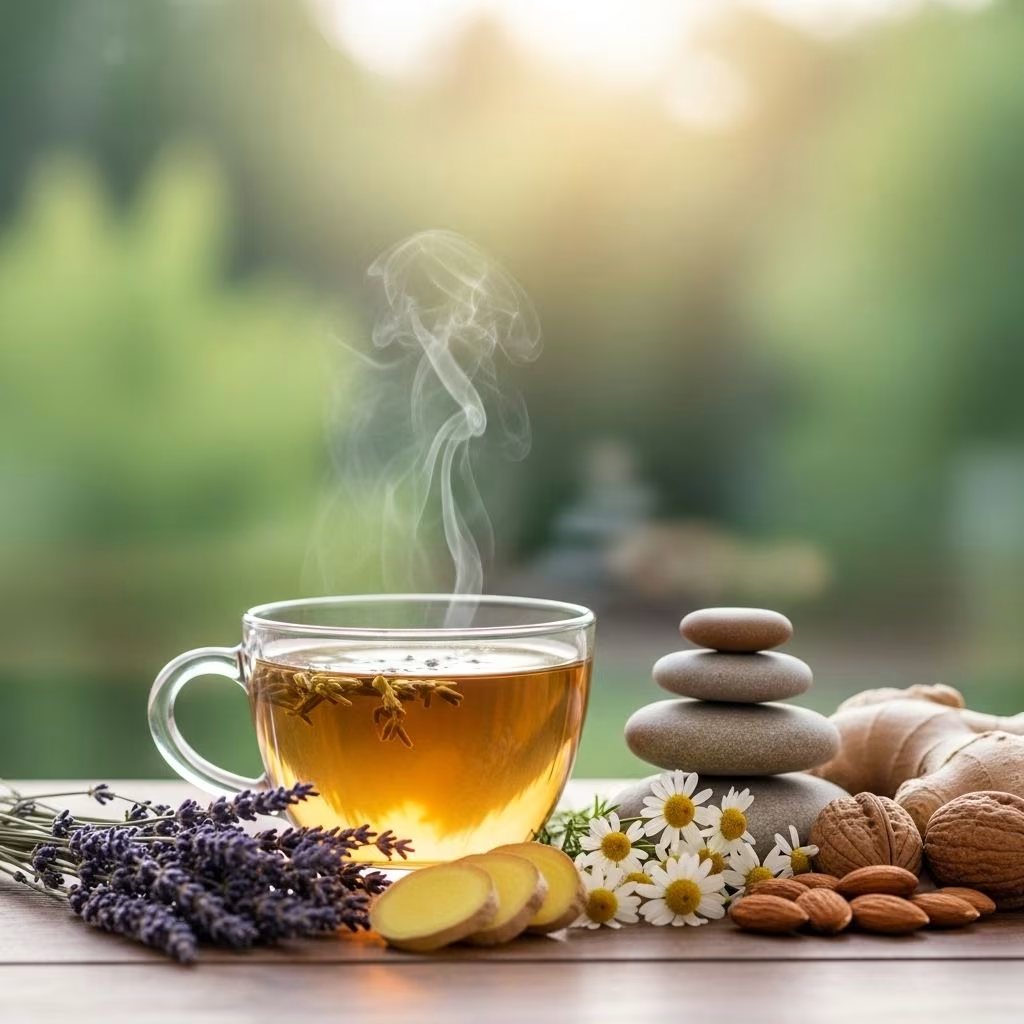
Natural Remedies to Ease Anxiety: Holistic Strategies for Relief
Anxiety is a common and often debilitating condition that affects millions worldwide. While conventional treatments such as therapy and medication are effective for many, a significant number of people seek additional or alternative approaches to managing their symptoms. Natural remedies—ranging from herbal supplements to lifestyle modifications—offer a holistic and supportive path towards restoring calm and emotional balance. This article delves into the most effective evidence-based natural remedies for anxiety, exploring their mechanisms, benefits, and considerations for safe use.
Understanding Anxiety and Its Impact
Anxiety can manifest as persistent worry, physical tension, restlessness, and disruptive thoughts that interfere with daily life. Triggers can be chronic stress, major life events, or sometimes no specific cause at all. Over time, unmanaged anxiety can contribute to sleep disorders, weakened immune function, cardiovascular issues, and diminished quality of life. Recognizing anxiety’s impact is the first step in adopting a comprehensive self-care approach that integrates natural and conventional therapies.
Herbal and Natural Supplements for Anxiety Relief
Many herbal and nutritional supplements have been traditionally used to reduce anxiety and promote calmness. While research on some herbs is still evolving, several remedies show promise for their anxiolytic (anxiety-reducing) effects.
- Lavender: Renowned for its calming properties, lavender is available as essential oil or supplements. Aromatherapy and oral preparations have both been shown to help reduce mild anxiety.
- Chamomile: Often consumed as tea, chamomile contains apigenin, a substance that binds to brain receptors to reduce anxiety and induce relaxation. Studies indicate regular chamomile use may improve symptoms of generalized anxiety disorder.
- Lemon Balm: This herb, related to mint, has been used for centuries as a gentle sedative. Lemon balm supplements are shown to decrease anxiety and support mood regulation, generally with a good safety profile.
- Kava (Piper methysticum): Kava root is traditional in Pacific Island cultures and contains kavalactones, compounds that impact neurotransmitters involved in emotional regulation. Several studies indicate kava’s efficacy for short-term anxiety, but it must be used cautiously due to rare but serious liver toxicity reports.
- Valerian Root: Used for sleep and relaxation since ancient Greece, valerian may ease anxiety by increasing GABA neurotransmitter levels. Although some report benefits, the evidence is mixed, and safety concerns—especially liver effects—require that valerian be used under informed guidance.
- Passionflower (Passiflora incarnata): Traditionally used for insomnia and nervousness, passionflower interacts with GABA receptors to promote tranquility. Some studies find it comparable to prescription medications in reducing anxiety, with minimal side effects in most users.
- Ashwagandha (Withania somnifera): A foundational herb in Ayurvedic medicine, ashwagandha is an adaptogen—helping the body adapt to stress. It may decrease cortisol levels, with studies showing improvement in anxiety and stress resilience.
- Holy Basil (Tulsi): Another adaptogenic herb, holy basil enhances resilience to physical and emotional stress. Emerging research suggests regular use can reduce anxiety, although long-term safety data is lacking.
- B Vitamins: Essential for nervous system function, deficiencies in B6 and B12 have been linked to increased anxiety. Some studies suggest high-dose vitamin B6 supplementation may alleviate symptoms, though findings are not conclusive.
- Magnesium: This mineral plays a critical role in stress response and muscle relaxation. Low magnesium has been associated with increased anxiety, and supplementation may benefit those with low dietary intake.
Note: Always consult a healthcare provider before starting new supplements, especially if taking prescription medications, as herbs can interact with other drugs or medical conditions.
Lifestyle Changes and Practices to Soothe Anxiety
Beyond herbs and supplements, lifestyle plays a foundational role in managing anxiety. Incorporating healthy habits into daily life can significantly improve resilience to stress and reduce the frequency and severity of anxiety symptoms.
The Role of Nutrition
A balanced, varied diet supports both physical and emotional health. Practices to consider include:
- Eating regular meals rich in complex carbohydrates, lean protein, and healthy fats
- Ensuring adequate intake of micronutrients such as magnesium, zinc, and B vitamins
- Staying well-hydrated
- Limiting caffeine and refined sugar, which can exacerbate anxiety symptoms
Some people also benefit from omega-3 fatty acids (from fish oil or flaxseed), which support overall brain health and mood regulation.
Exercise and Physical Activity
Regular movement has proven mental health benefits. Exercise stimulates endorphin production—your body’s natural mood elevators—and can reduce muscle tension and mental stress. Suggestions include:
- Brisk walking, jogging, cycling, or swimming for at least 30 minutes most days
- Gentle stretching or yoga routines to relax both body and mind
- Dancing, sports, or any enjoyable movement that fosters connection with the body
Movement also helps shift focus away from anxious thoughts, promoting mindfulness and present-moment awareness.
Prioritizing Sleep
Quality rest is foundational for emotional equilibrium. Symptoms of anxiety often worsen with poor sleep. Strategies for better rest include:
- Establishing a consistent bedtime routine
- Limiting screen time before bed
- Creating a calm, cool, and dark bedroom environment
- Using relaxation teas (like chamomile or lemon balm) in the evening
Mind-Body Approaches for Calming the Nervous System
Mind-body therapies integrate physical relaxation with mental focus, helping to restore balance to the autonomic nervous system and regulate the body’s reaction to stressors.
Meditation and Mindfulness
- Mindfulness Meditation: Practicing focused attention on the present moment helps reduce racing thoughts and brings awareness back to the body.
- Guided Imagery: Listening to scripts or recordings that visualize peaceful scenes can ease mental tension and promote a sense of safety.
- Breathing Exercises: Techniques such as slow diaphragmatic breathing, alternate nostril breathing, or counted breaths slow the heart rate and instill calm.
Yoga
Yoga combines movement, breathwork, and meditation, making it especially effective for anxiety relief. Regular practice has been shown to lower cortisol levels, improve mood, and foster a sense of inner balance.
Aromatherapy
Essential oils, especially lavender, bergamot, and chamomile, may promote relaxation and reduce anxiety when used in a diffuser, bath, or applied topically as directed. Aromatherapy works by activating brain regions associated with emotion and stress response.
Acupuncture
Traditional Chinese Medicine recognizes acupuncture’s role in balancing body energy, or Qi. Some studies suggest that acupuncture may help reduce anxiety symptoms, especially as a complement to other therapies.
Additional Holistic Techniques to Support Anxiety Management
- Massage Therapy: Regular massage releases physical tension, decreases cortisol, and promotes parasympathetic (rest and restore) nervous system dominance.
- Biofeedback: This technique teaches how to control certain physiological functions (like heart rate) through monitoring and feedback, helping build resilience against stress.
- Journaling: Expressive writing helps process worries and clarify emotions, reducing the mental burden of unexpressed thoughts.
- Nature Exposure: Regular time outdoors in green spaces or natural environments has been shown to relieve anxiety, lower heart rate, and boost mood.
Safety Considerations: What to Know Before Using Natural Remedies
- Natural remedies are not a replacement for prescribed treatment for moderate to severe anxiety disorders. Always consult a healthcare provider if symptoms are persistent, severe, or disabling.
- Several herbs (such as kava and valerian) may interact with prescription medications or be contraindicated with specific health conditions. Seek professional guidance regarding dosage, interactions, and duration.
- Some supplements may cause side effects or be subject to quality control issues—prioritize products from reputable brands and report any adverse reactions promptly.
For individuals with mild symptoms or those seeking complementary approaches, the natural strategies described above can meaningfully support recovery and emotional wellness.
Summary Table: Herbal Remedies for Anxiety
| Remedy | Common Use | Key Cautions |
|---|---|---|
| Lavender | Aromatherapy, oral supplements | Rare skin sensitivity or GI upset |
| Chamomile | Tea, capsules, tinctures | Allergic reactions (especially in ragweed allergy) |
| Kava | Tablets, teas, extracts | Liver toxicity (rare but serious), avoid mixing with alcohol |
| Valerian Root | Tinctures, capsules, teas | Possible liver effects; sedation with other CNS depressants |
| Passionflower | Tea, extract, capsules | Mild drowsiness, avoid in pregnancy |
| Lemon Balm | Tea, extract, topical oils | Generally safe; may cause mild GI upset |
| Ashwagandha | Capsules, powder | Avoid in pregnancy, cautious use with thyroid medications |
| Holy Basil | Tea, capsules, extracts | Lack of long-term safety data |
Proactive Steps for Lasting Calm
- Experiment with gentle herbal teas such as chamomile or lemon balm for daily relaxation.
- Incorporate a daily mindfulness or breathing exercise, even for five minutes.
- Prioritize restorative sleep and balanced nutrition.
- Stay physically active, choosing movement styles that feel enjoyable.
- Seek nature regularly to ground your senses and reduce stress hormones.
- Communicate openly with healthcare providers about all remedies and symptoms.
Frequently Asked Questions (FAQs)
Q: Are herbal supplements safer than prescription medications for anxiety?
A: Herbal supplements can be helpful for mild symptoms, but they are not always safer and can interact with medications or cause side effects, particularly if not used under professional supervision.
Q: How quickly do natural remedies work for anxiety?
A: Some practices like breathing or aromatherapy provide rapid relief, while herbs and supplements may take several days or weeks of consistent use before noticeable effects appear.
Q: Can I take more than one herbal remedy at a time?
A: It is best to introduce new remedies one at a time and discuss combinations with a qualified health practitioner to avoid interactions or unwanted effects.
Q: Are there people who should avoid natural remedies for anxiety?
A: Pregnant and breastfeeding women, people with chronic medical conditions, and those taking prescription medications should check with their doctor before starting any herbal or nutritional supplements.
Q: Is it necessary to stop conventional therapy when trying natural remedies?
A: No. Natural remedies can often be used alongside conventional treatments. Never discontinue prescribed medications without consulting your healthcare provider.
References
- https://www.webmd.com/anxiety-panic/natural-remedies-for-anxiety
- https://www.healthline.com/health/natural-ways-to-reduce-anxiety
- https://www.goodrx.com/conditions/generalized-anxiety-disorder/otc-remedies-anxiety
- https://pmc.ncbi.nlm.nih.gov/articles/PMC2959081/
- https://www.ebsco.com/research-starters/complementary-and-alternative-medicine/natural-treatments-anxiety-and-panic
- https://www.dignityhealth.org/articles/anxiety-treatment-without-medication-7-holistic-ways-to-cope
- https://saliencehealth.com/news/natural-remedies-for-anxiety/
- https://www.jeffersonhealth.org/your-health/living-well/8-supplements-that-can-help-reduce-anxiety-according-to-a-psych
- https://www.jeanhailes.org.au/health-a-z/anxiety/anxiety-and-natural-therapies


