


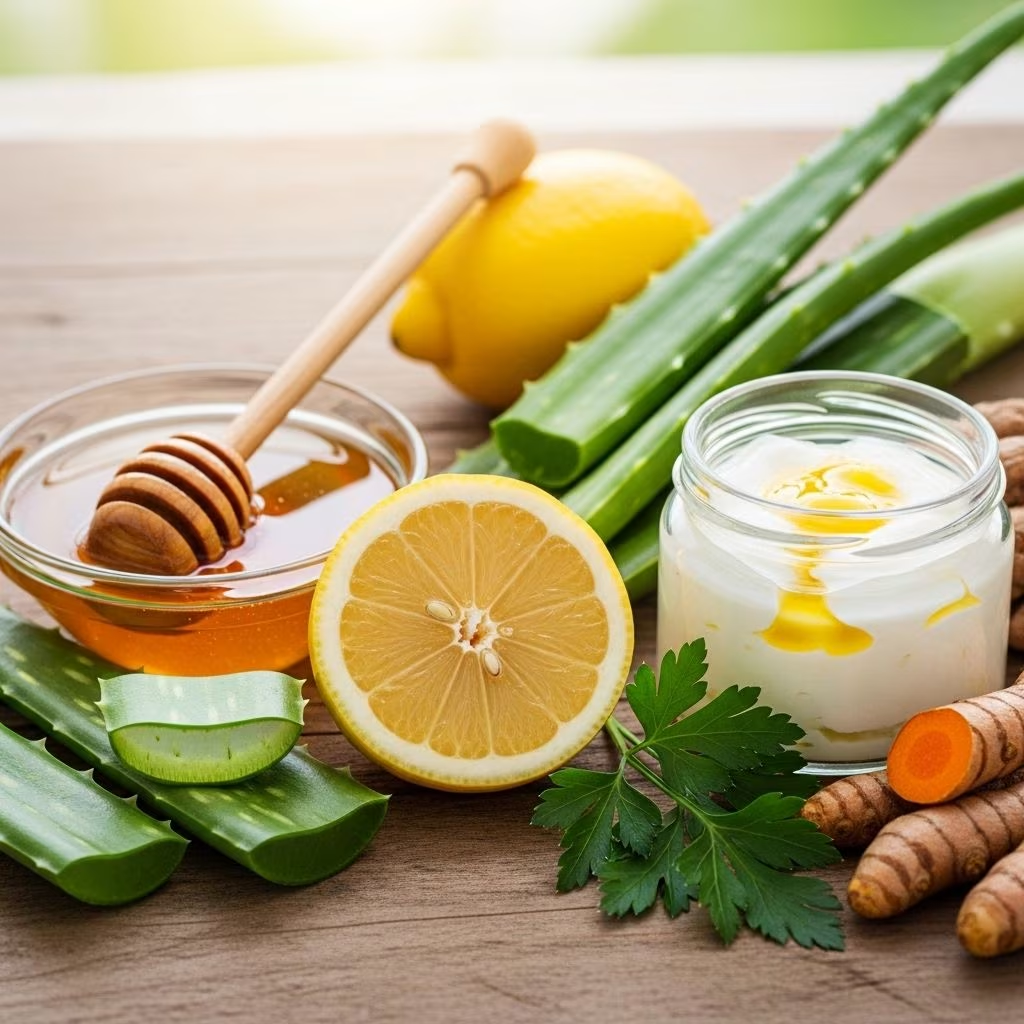
Age spots, also known as liver spots or solar lentigines, are flat, brown, gray, or black spots that appear on the skin as we age. These harmless but often unwanted marks typically develop on areas most exposed to the sun, including the face, hands, shoulders, and arms. While they pose no health risk, many people seek ways to reduce their appearance for cosmetic reasons. Fortunately, nature provides several effective remedies that can help lighten and reduce age spots without resorting to expensive treatments or harsh chemicals.
The appearance of age spots is primarily caused by prolonged sun exposure over the years, which triggers excess melanin production in the skin. As we age, our skin’s ability to regenerate and repair itself slows down, making these spots more prominent and persistent. Understanding the underlying causes helps us appreciate why natural remedies work and how patience and consistency are key to seeing results.
Understanding Age Spots and Their Causes
Before diving into natural remedies, it’s important to understand what age spots are and why they form. Age spots develop when melanin, the pigment responsible for skin color, becomes concentrated in certain areas of the skin. This concentration typically occurs after years of sun exposure, which accelerates melanin production as the skin’s natural defense mechanism against ultraviolet radiation.
While sun exposure is the primary culprit, other factors contribute to age spot formation. These include the natural aging process, genetics, and oxidative stress from free radicals. People with fair skin are particularly susceptible to developing age spots, though they can appear on any skin type. The spots are more common in adults over 50, but younger individuals who spend significant time in the sun may develop them earlier.
It’s crucial to distinguish age spots from other skin conditions. Age spots are typically flat, oval-shaped, and tan to dark brown in color. They don’t change in size or appearance and are painless. If you notice any spots that are irregularly shaped, multi-colored, have borders that change, or are growing rapidly, consult a dermatologist immediately as these could be signs of skin cancer.
Powerful Natural Remedies for Age Spots
Nature offers a treasure trove of ingredients that can effectively address age spots when used consistently. These remedies work through various mechanisms, including gentle exfoliation, natural bleaching properties, and promoting skin cell regeneration. The following treatments have been used for generations and are backed by both traditional wisdom and modern understanding of skin biology.
Lemon Juice: Nature’s Brightening Agent
Lemon juice stands as one of the most popular and effective natural remedies for age spots. The secret lies in its high concentration of citric acid, which acts as a natural bleaching agent. This powerful fruit acid works by gently exfoliating the top layer of skin and breaking down melanin deposits that cause dark spots. The vitamin C content in lemon juice also provides antioxidant benefits that protect the skin from further damage.
To use lemon juice effectively, you have several options. The simplest method involves applying freshly squeezed lemon juice directly to the affected areas using a cotton ball. Leave it on for 10-15 minutes before rinsing with cool water. For those with sensitive skin, diluting the lemon juice with equal parts water or rose water is recommended to prevent irritation. Another popular approach is creating an all-natural scrub by mixing lemon juice with sugar and olive oil, which combines exfoliation with the brightening properties of citric acid.
Consistency is crucial when using lemon juice. Apply the treatment two to three times per week, and you should begin noticing results within one to two months. However, there’s an important caveat: lemon juice makes your skin significantly more photosensitive, meaning it becomes more vulnerable to sun damage. Always apply sunscreen before going outdoors after using lemon juice, and ideally, use this treatment in the evening to minimize sun exposure risks.
Aloe Vera: The Healing Wonder Plant
Aloe vera has earned its reputation as a skincare powerhouse, and its effectiveness extends to treating age spots. This succulent plant contains compounds called aloesin and aloin, which have been shown to inhibit melanin production and promote skin regeneration. Beyond its spot-lightening properties, aloe vera provides exceptional hydration and helps repair sun-damaged skin, making it an ideal remedy for age spots caused by sun exposure.
Fresh aloe vera gel extracted directly from the plant is the most potent option, but high-quality, pure aloe vera gel or juice from stores works well too. Apply the gel directly to age spots and leave it on for 20-30 minutes before rinsing with cool water. For optimal results, use this treatment twice daily, once in the morning and once before bed. The gel absorbs quickly and won’t leave a greasy residue, making it suitable for all skin types.
What makes aloe vera particularly appealing is its gentle nature. Unlike some acidic treatments, aloe vera rarely causes irritation and actually soothes the skin while working to fade spots. Its anti-inflammatory properties help calm any redness or irritation, while its moisturizing benefits keep skin supple and healthy. Most people notice gradual lightening of age spots after about a month of consistent use.
Castor Oil: The Anti-Aging Powerhouse
Castor oil, derived from castor beans, has been used for centuries in traditional medicine and skincare. This thick, viscous oil is particularly effective at combating signs of aging, including age spots. The oil contains ricinoleic acid, a fatty acid with powerful antioxidant properties that help neutralize free radicals and promote skin health. Additionally, castor oil’s ability to penetrate deeply into the skin makes it effective at breaking down melanin deposits.
Using castor oil is straightforward. Apply a small amount directly to age spots and massage gently in circular motions until the oil is fully absorbed. The massage action itself stimulates blood circulation, which can aid in skin regeneration. For those with dry skin or seeking extra hydration, mixing castor oil with coconut oil creates a more moisturizing blend that still retains the spot-fading properties.
Apply castor oil twice daily, preferably in the morning and before bed. Modern formulations of castor oil are odorless, eliminating the unpleasant smell that deterred people from using it in the past. With consistent application, visible improvements typically appear within four to six weeks. The oil not only lightens age spots but also improves overall skin texture and tone.
Apple Cider Vinegar: The Acidic Exfoliator
Apple cider vinegar has gained tremendous popularity in natural health and beauty circles, and for good reason. This fermented liquid contains acetic acid and alpha hydroxy acids that provide gentle chemical exfoliation, helping to slough off dead skin cells and lighten hyperpigmentation. The natural acids in apple cider vinegar work to break down melanin clusters while promoting the growth of new, evenly-toned skin.
To use apple cider vinegar safely, always dilute it with equal parts water to prevent irritation. Dip a cotton ball into the diluted solution and dab it onto age spots, letting it sit for a few minutes before rinsing. Start with once or twice per week to assess your skin’s tolerance, then gradually increase frequency if your skin responds well. Never apply undiluted apple cider vinegar directly to your skin, as the high acidity can cause burns or severe irritation.
Some people enhance the effectiveness of apple cider vinegar by combining it with other ingredients. Mixing it with a few drops of lemon juice amplifies the brightening effect, while combining three tablespoons of orange juice with half a tablespoon of vinegar creates a vitamin-rich treatment. Results typically become noticeable after several weeks of consistent use, with continued improvement over time.
Sandalwood: The Aromatic Healer
Sandalwood has been treasured in traditional medicine and aromatherapy for thousands of years. This fragrant wood contains compounds with potent anti-aging and antiseptic properties that make it particularly effective for reducing hyperpigmentation and age spots. Sandalwood works by inhibiting the enzyme tyrosinase, which is essential for melanin production, thereby preventing new dark spots from forming while lightening existing ones.
There are multiple ways to harness sandalwood’s benefits. One popular method involves creating a paste by combining two tablespoons of sandalwood powder with two teaspoons of rose water, one teaspoon of glycerin, and one teaspoon of lemon juice. Apply this mixture to age spots, allow it to dry completely, then rinse with cold water. Repeat this treatment several times per week for best results.
Another effective recipe mixes two tablespoons of sandalwood powder with one tablespoon of orange juice, one teaspoon of lemon juice, and the contents of two vitamin E capsules. This vitamin-enriched paste should be left on for about 30 minutes before washing off. For a simpler nighttime treatment, massage age spots with a few drops of sandalwood essential oil mixed into one tablespoon of olive or almond oil, allowing it to absorb overnight. With consistent use of any of these methods, noticeable improvement typically appears within six weeks.
Papaya: The Enzymatic Solution
Papaya is more than just a delicious tropical fruit—it’s a powerful skincare ingredient packed with enzymes that naturally exfoliate and brighten skin. The fruit contains papain and other proteolytic enzymes that break down dead skin cells and help fade hyperpigmentation. These enzymes work gently to reveal fresher, more evenly-toned skin underneath while the fruit’s vitamins and antioxidants nourish and protect.
To use papaya for age spots, create a paste from fresh, ripe papaya by mashing or blending the fruit. For more stubborn spots, green papaya can be used as it contains higher concentrations of active enzymes. Apply the paste directly to age spots or affected areas and leave it on for 15-20 minutes before rinsing with cool water. Alternatively, you can apply the paste to your entire face and neck as a rejuvenating mask.
One important consideration with papaya is that some people with sensitive skin may experience allergic reactions. It’s essential to perform a patch test on a small area of skin and wait 24 hours before applying papaya to larger areas or your face. If no irritation occurs, proceed with the treatment twice daily. Results typically become visible after approximately two months of consistent use, though some people notice improvements sooner.
Additional Natural Ingredients Worth Trying
Beyond the major remedies discussed above, several other natural ingredients have shown promise in reducing age spots. Buttermilk, for instance, contains lactic acid that gently exfoliates and lightens dark spots. Apply buttermilk to age spots for 15-20 minutes before rinsing, and add lemon or lime juice if you have oily or acne-prone skin.
Horseradish paste offers a more aggressive approach. Apply it to spots for 15 minutes, two to three times per week. For enhanced results, create a tincture by combining grated horseradish with apple cider vinegar, letting it sit for two weeks, then applying it three times daily. Hydrogen peroxide mixed with milk in equal parts can also help lighten spots when applied for 15 minutes.
Other beneficial ingredients include garbanzo beans (chickpeas) mashed with water to create a paste, parsley combined with baking soda and yogurt as a mask, and green tea extract applied directly to spots. Each of these ingredients works through slightly different mechanisms but shares the common goal of reducing melanin production and promoting even skin tone.
Best Practices for Using Natural Remedies
Success with natural remedies requires more than just applying ingredients—it demands a thoughtful, consistent approach. First and foremost, understand that natural treatments work gradually. Unlike medical procedures or chemical treatments, natural remedies typically require weeks or months to produce visible results. Patience and consistency are your greatest allies in this journey.
Always start with a patch test before applying any new ingredient to your face or large areas of skin. Apply a small amount to your inner forearm or behind your ear, wait 24 hours, and check for any adverse reactions such as redness, itching, or irritation. This simple step can prevent uncomfortable or potentially harmful reactions.
Sun protection is absolutely critical when treating age spots. Many natural remedies, particularly those containing acids like lemon juice or apple cider vinegar, increase your skin’s photosensitivity. Apply a broad-spectrum sunscreen with at least SPF 30 every day, regardless of weather conditions. Reapply every two hours when outdoors, and consider wearing protective clothing and seeking shade during peak sun hours.
Maintain a regular application schedule. Whether you choose to apply treatments once or twice daily, stick to your routine. Set reminders if necessary to ensure you don’t skip applications. Track your progress by taking photos every two weeks so you can objectively observe changes that might be difficult to notice day-to-day.
When to Seek Professional Help
While natural remedies are safe and effective for most age spots, certain situations warrant professional medical attention. If you notice any spot that changes in size, shape, color, or texture, schedule an appointment with a dermatologist immediately. Irregular borders, multiple colors within one spot, or rapid growth could indicate melanoma or other serious skin conditions.
If natural remedies cause persistent irritation, burning, or allergic reactions, discontinue use and consult a healthcare provider. Similarly, if you’ve used natural treatments consistently for three to four months without any improvement, a dermatologist can offer stronger treatment options such as prescription topicals, chemical peels, laser therapy, or cryotherapy.
Professional treatments work faster than natural remedies and may be preferable if you need quick results for a special event or if you have extensive or very dark age spots. However, these treatments typically cost significantly more and may require multiple sessions. Discuss the pros and cons of each option with your dermatologist to determine the best approach for your specific situation.
Preventing Future Age Spots
While treating existing age spots, it’s equally important to prevent new ones from forming. The single most effective prevention strategy is sun protection. Wear broad-spectrum sunscreen daily, even on cloudy days, as UV rays penetrate clouds and can cause skin damage. Choose a sunscreen with at least SPF 30, and opt for SPF 50 if you have fair skin or plan extended outdoor exposure.
Incorporate protective clothing into your wardrobe. Wide-brimmed hats shade your face and neck, while long-sleeved shirts and pants protect your arms and legs. Look for clothing with UPF (Ultraviolet Protection Factor) ratings for maximum protection. Seek shade during peak sun intensity hours, typically between 10 AM and 4 PM.
Support your skin from the inside out by maintaining a healthy diet rich in antioxidants. Foods high in vitamins C and E, beta-carotene, and other antioxidants help protect skin cells from oxidative damage. Include plenty of colorful fruits and vegetables, nuts, seeds, and fatty fish in your diet. Stay well-hydrated by drinking adequate water throughout the day, which helps maintain skin elasticity and overall health.
Avoid tanning beds entirely. The concentrated UV radiation from tanning beds significantly increases the risk of age spots and skin cancer. If you desire a sun-kissed glow, opt for self-tanning lotions or sprays instead. Regular skin examinations, both self-checks and professional evaluations, help catch any concerning changes early.
Combining Remedies for Enhanced Results
Some people find that alternating between different natural remedies or using them in combination produces better results than sticking to a single treatment. For example, you might use lemon juice in the morning and aloe vera in the evening, or apply castor oil one night and sandalwood paste the next. This approach allows you to benefit from multiple mechanisms of action while preventing skin from becoming too accustomed to any single treatment.
However, exercise caution when combining treatments, especially those containing acids. Using multiple acidic ingredients simultaneously can lead to over-exfoliation and irritation. If you choose to combine remedies, start slowly and monitor your skin’s response carefully. Always allow adequate time between different treatments—for instance, if you use a lemon juice scrub in the morning, wait until evening to apply a different remedy.
Consider creating a weekly treatment schedule that rotates different remedies. For instance, use lemon juice Monday, Wednesday, and Friday; aloe vera Tuesday, Thursday, and Saturday; and a papaya mask on Sunday. This structured approach ensures consistent treatment while giving your skin variety and preventing overuse of any single ingredient.
Frequently Asked Questions (FAQs)
Q: How long does it take for natural remedies to fade age spots?
A: Most natural remedies require consistent application for 4-8 weeks before visible results appear. Some people notice improvements within a month, while more stubborn spots may take up to three months or longer to fade significantly. Patience and consistency are essential for success with natural treatments.
Q: Can I use lemon juice and apple cider vinegar together?
A: While both ingredients are effective individually, using them together may be too harsh for most skin types. The combined acidity can cause excessive irritation, redness, and increased photosensitivity. It’s better to alternate between these treatments on different days rather than combining them in a single application.
Q: Are natural remedies safe for all skin types?
A: Most natural remedies are safe for various skin types, but individuals with sensitive skin should proceed cautiously. Always perform a patch test before applying any new ingredient to your face. People with very sensitive skin may need to dilute acidic ingredients more than others or use gentler options like aloe vera or castor oil.
Q: Why do I need sunscreen when treating age spots naturally?
A: Many natural remedies, particularly those containing citric acid or other exfoliating acids, increase skin’s sensitivity to UV radiation. Without adequate sun protection, you risk developing more age spots or darkening existing ones. Sunscreen is essential for protecting treated skin and preventing new hyperpigmentation from forming.
Q: Can natural remedies completely remove age spots?
A: Natural remedies can significantly lighten and reduce the appearance of age spots, and in some cases, fade them almost completely. However, results vary depending on factors like spot depth, skin type, consistency of treatment, and duration of use. Very dark or deep spots may lighten but not disappear entirely without professional treatment.
Q: What should I do if a natural remedy causes skin irritation?
A: Discontinue use immediately if you experience significant irritation, burning, or allergic reactions. Rinse the affected area thoroughly with cool water and apply a gentle, fragrance-free moisturizer. If irritation persists for more than a day or worsens, consult a dermatologist. You can try a different remedy or a more diluted version once your skin has completely healed.
Q: Do age spots come back after being treated naturally?
A: Age spots can return or new ones can develop if skin is repeatedly exposed to UV radiation without protection. Maintaining diligent sun protection through sunscreen, protective clothing, and shade-seeking behavior is crucial for preventing recurrence. Continued use of antioxidant-rich skincare and a healthy diet also helps maintain results.
Q: Is fresh aloe vera better than store-bought gel?
A: Fresh aloe vera gel extracted directly from the plant typically contains higher concentrations of active compounds and no additives or preservatives, making it more potent. However, high-quality, pure aloe vera gel from stores is still effective and more convenient for most people. Choose products with at least 95% aloe vera content and minimal additional ingredients.
Conclusion
Natural remedies offer a safe, affordable, and effective approach to reducing age spots and achieving clearer, more youthful-looking skin. From the brightening power of lemon juice to the healing properties of aloe vera, nature provides numerous options that work through different mechanisms to fade hyperpigmentation and promote even skin tone. While these treatments require patience and consistency, they avoid the harsh chemicals, high costs, and potential side effects associated with many conventional treatments.
Success with natural remedies depends on choosing the right ingredients for your skin type, maintaining a consistent application schedule, and protecting your skin from further sun damage. Remember that results won’t appear overnight—most natural treatments require several weeks to months of regular use before producing visible improvements. Track your progress, be patient, and adjust your approach as needed based on your skin’s response.
Whether you opt for the citric acid in lemon juice, the enzymatic action of papaya, the deep-penetrating properties of castor oil, or the anti-aging benefits of sandalwood, you’re taking a natural, holistic approach to skincare that honors your body and the environment. Combined with proper sun protection and a healthy lifestyle, these remedies can help you achieve the clear, radiant complexion you desire while preventing future age spots from forming.
References
- https://www.baptisthealth.com/blog/health-and-wellness/how-to-reduce-age-spots
- https://dermatologyseattle.com/prevent-and-treat-age-spots/
- https://us.purefiji.com/blogs/news/12-diy-natural-remedies-how-to-get-rid-of-dark-spots-on-face
- https://health.ucdavis.edu/blog/cultivating-health/want-to-get-rid-of-age-spots-tips-to-prevent-and-reduce-dark-spots/2024/06
- https://www.vinmec.com/eng/blog/home-remedies-for-skin-pigmentation-how-to-get-rid-of-dark-spots-en
- https://www.webmd.com/beauty/ss/slideshow-how-fade-age-spots
- https://www.healthline.com/health/sunspots-on-face
- https://www.aad.org/public/everyday-care/skin-care-secrets/routine/fade-dark-spots


