


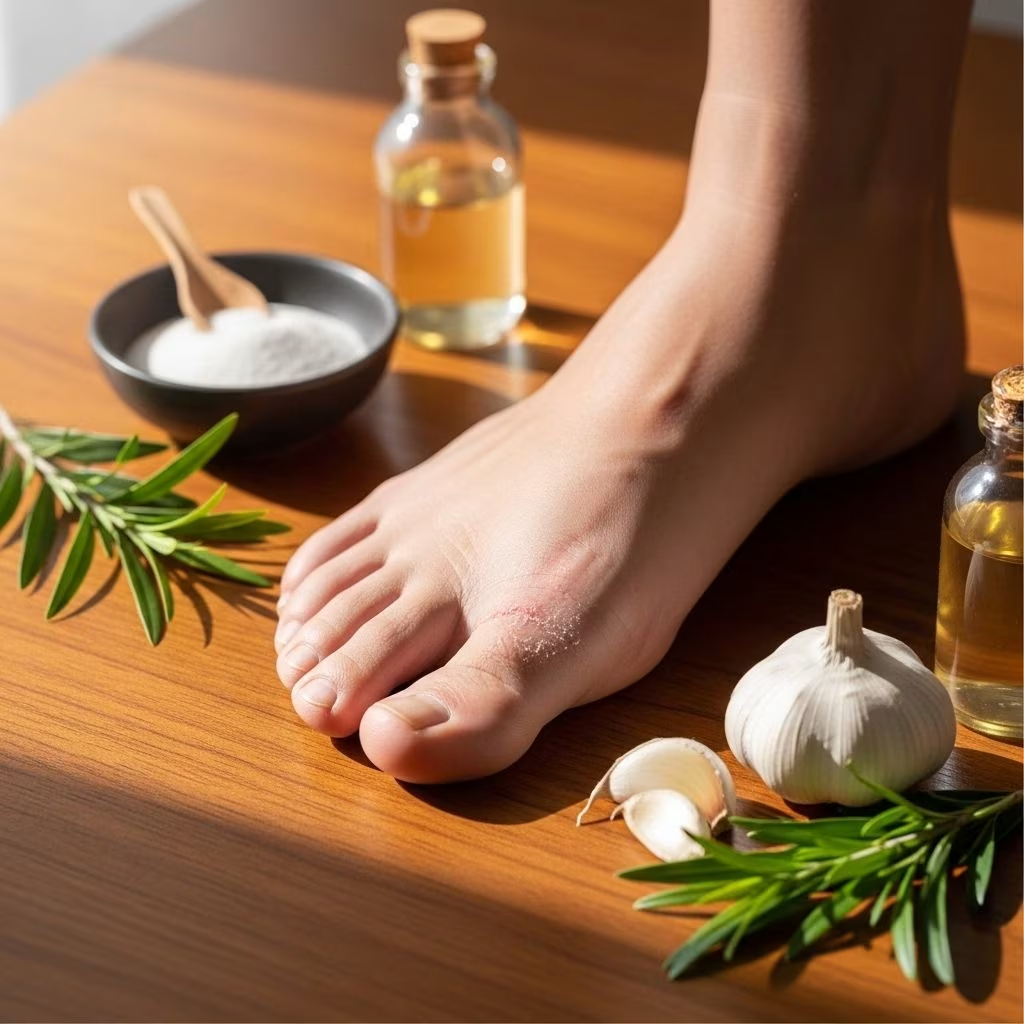
What Is Athlete’s Foot?
Athlete’s foot, medically known as tinea pedis, is a common fungal infection that primarily affects the skin on the feet and occurs most often between the toes. This infection develops in warm, moist environments, making areas such as locker rooms, communal showers, and swimming pools high-risk spaces. It usually manifests as itchy, scaly, or burning rashes, and in more severe cases, can cause blisters or ulcers that may be painful.
Symptoms of Athlete’s Foot
- Itching, stinging, or burning sensations between the toes or on the soles of the feet
- Redness and scaling—skin may appear dry, cracked, or flaky
- Blisters or ulcers in severe cases, often accompanied by pain
- Thickened, discolored skin on the bottom or sides of the feet
- Unpleasant odor from the affected area
Causes and Risk Factors
Athlete’s foot is caused by dermatophyte fungi, which thrive in moist, warm environments. Key risk factors include:
- Wearing tight-fitting or enclosed shoes that trap moisture
- Using public showers, gyms, or swimming pools
- Sharing towels, socks, or shoes
- Excessive sweating or not drying your feet thoroughly
- Having minor skin or nail injuries on the feet
Why Home Remedies?
While over-the-counter antifungal medicines remain the gold standard for treating athlete’s foot, many people seek home remedies as supplementary care to manage symptoms, promote comfort, or due to accessibility. Research indicates some home remedies have antifungal or drying properties that may help reduce symptoms and discourage fungal growth, especially in mild cases. However, severe, persistent, or recurrent cases should always be seen by a healthcare provider.
Top 10 Home Remedies for Athlete’s Foot
1. Over-the-Counter Antifungal Products
Before considering home remedies, start with OTC antifungal creams, powders, or sprays, such as those containing terbinafine (Lamisil), clotrimazole (Lotrimin), or tolnaftate (Tinactin). Apply as directed for the full duration, even if symptoms subside earlier, to prevent recurrence.
2. Tea Tree Oil
Tea tree oil is widely recognized for its potent antifungal and antibacterial effects. Dilute a few drops of tea tree oil (use a 25–50% concentration) in a carrier oil (such as coconut or olive oil) and apply directly to the affected area twice daily. Studies show it may significantly reduce symptoms, although pure, undiluted tea tree oil can irritate sensitive skin, so always dilute.
- Apply with a cotton swab to clean, dry skin
- Let it absorb, then wash hands thoroughly
- Do not use if skin irritation occurs; discontinue if rash or burning develops
3. Apple Cider Vinegar (ACV) Soaks
The acidic quality of ACV can create a less hospitable environment for fungi. Mix equal parts ACV and warm water in a foot basin and soak your feet for 15–20 minutes daily. This may also help restore a healthy skin pH balance.
- Dry feet thoroughly after soaking
- Avoid soaking if you have open sores or cracked skin
4. Baking Soda
Baking soda absorbs moisture and helps neutralize foot odor. Make a thick paste with water, apply to affected areas, and leave on for 15 minutes before rinsing and drying. You can also sprinkle baking soda directly into shoes and socks.
5. Garlic
Garlic is packed with allicin, a natural antifungal compound. Crush several garlic cloves to form a paste and apply to the affected skin, covering with a gauze or adhesive bandage. Leave for up to 30 minutes, then rinse and pat dry.
- Repeat daily until symptoms lessen
- Do not use on broken or sensitive skin, as garlic may cause irritation or burning
6. Coconut Oil
Coconut oil possesses mild antifungal and moisturizing properties. Apply directly to clean, dry skin several times a day. For enhanced effect, mix coconut oil with a few drops of tea tree oil.
7. Hydrogen Peroxide
Hydrogen peroxide has strong oxidizing properties, making it effective at killing fungus and bacteria on the skin. Pour a small amount directly over the affected area once or twice daily before applying any antifungal cream. This can sting, especially if you have any open cracks or sores, so use cautiously.
8. Yogurt
Plain, unsweetened yogurt containing live probiotics (such as Lactobacillus) may help restore the natural microbial balance of the skin. Apply a thick layer to the affected area, leave for 20 minutes, and rinse. Alternatively, adding probiotic yogurt to your diet may support immune health.
9. Epsom Salt Soaks
Epsom salt has drying and soothing properties. Dissolve one cup of Epsom salt in a basin of warm water and soak your feet for 20–30 minutes daily. This may help relieve itching and tenderness while drawing out excess moisture.
10. Talcum Powder & Cornstarch
Applying talcum powder or cornstarch to your feet—especially between the toes—helps keep the area dry, which discourages fungal growth. Use powder on clean, dry feet and slippers/socks daily.
Additional Natural Remedies
- Neem Oil: Used in some herbal traditions for its antifungal qualities, neem oil can be applied to affected areas after proper dilution.
- Saltwater Soak: Dissolve table salt in warm water and soak your feet to help dry out blisters and relieve irritation.
- VapoRub (Mentholated Ointments): Some anecdotal evidence suggests mentholated chest rubs containing camphor and eucalyptus can reduce fungal infections when applied to the feet.
- Rubbing Alcohol: Use with care; can dry and disinfect skin as a wipe for shoes and between toes, but may cause irritation if overused.
How to Prevent Athlete’s Foot
Good foot hygiene and a few daily habits can greatly reduce the chance of contracting or recurring athlete’s foot:
- Wash feet thoroughly each day and dry completely between the toes.
- Wear clean, breathable cotton or moisture-wicking socks and change them daily—or more often if your feet sweat.
- Choose well-ventilated shoes; avoid plastic or vinyl options that trap heat and moisture.
- Rotate pairs of shoes so each can air out completely.
- Always wear shower shoes or flip-flops in communal areas (gyms, locker rooms, poolside).
- Avoid sharing towels, shoes, or socks with others.
- Disinfect floors, mats, and rugs frequently if someone in your home has athlete’s foot.
- Powder your feet and shoes with antifungal powder or baking soda if prone to sweating.
When to See a Doctor
- If your infection does not improve with diligent home care or OTC treatments after two weeks
- If the infection spreads to your nails, hands, or becomes unusually painful
- If you have signs of secondary bacterial infection: increased redness, swelling, pus, or fever
- If you have diabetes, a weakened immune system, or poor circulation—seek prompt medical advice, as foot infections can escalate
Potential Complications of Untreated Athlete’s Foot
If left untreated, athlete’s foot can lead to complications including:
- Secondary bacterial infections
- Spread to other parts of the body (such as toenails, groin, or hands)
- Recurring, chronic infections
- Cellulitis, a potentially serious skin infection (especially in people with chronic health conditions)
Quick Reference Table: Home Remedies and Their Uses
| Remedy | Main Benefit | How to Use | Precautions |
|---|---|---|---|
| Tea Tree Oil | Antifungal, antibacterial | Apply diluted to affected area, 2x daily | May cause skin irritation, always dilute |
| Apple Cider Vinegar | Alters pH, antifungal | Soak feet 15–20 minutes daily | Avoid on broken skin; dryness possible |
| Baking Soda | Absorbs moisture, neutralizes odor | Sprinkle in shoes or make foot paste | Rarely irritates; avoid inhalation |
| Garlic | Natural antifungal | Apply crushed cloves for 30 min daily | May cause burning; not for open sores |
| Hydrogen Peroxide | Kills fungus & bacteria | Pour over area before cream | Stings open wounds; use cautiously |
| Coconut Oil | Moisturizes, mild antifungal | Apply to dried skin multiple times/day | Generally safe; greasy feel |
Frequently Asked Questions (FAQs) About Athlete’s Foot Home Remedies
Q: Can home remedies alone cure athlete’s foot?
A: Home remedies can help relieve symptoms and prevent the fungus from thriving, especially in very mild cases. Most cases require a combination of diligent foot hygiene, lifestyle changes, and either home remedies or OTC antifungal medicines for full resolution. Severe or stubborn infections warrant medical evaluation.
Q: Are tea tree oil and apple cider vinegar safe for everyone?
A: Generally, both are safe if properly diluted and used externally—but they can cause skin irritation or allergies in sensitive individuals. Test a small patch before full application, and never use on cracked or raw skin.
Q: How can I prevent athlete’s foot from coming back?
A: Focus on foot hygiene: keep feet dry, change socks and shoes often, use powder, and always wear sandals in public shower areas.
Q: Can children and seniors use these remedies?
A: Most home remedies are safe for all ages with proper dilution and caution. Children, seniors, and anyone with weakened immunity or diabetes should consult a physician before treating athlete’s foot at home.
Q: When should I skip home remedies and seek medical treatment?
A: If the rash worsens, spreads, becomes painful, or is accompanied by fever or pus—or if you have underlying health concerns—seek medical care right away. Untreated athlete’s foot can have serious complications in vulnerable populations.
Conclusion: Managing Athlete’s Foot Naturally and Effectively
With a mix of consistent hygiene and proven home remedies, most cases of athlete’s foot can be managed and resolved at home. Recognize your symptoms early, use remedies wisely, and adjust your daily habits to prevent reinfection. Remember to be patient—fungal infections often take several weeks to fully clear. If you have underlying health concerns or if your symptoms persist beyond two weeks, consult a healthcare professional for personalized treatment.
References
- https://www.healthline.com/health/home-remedies-for-athletes-foot
- https://www.footandanklecentersofsj.com/blog/top-10-foot-fungus-home-remedies-that-actually-work
- https://www.goodrx.com/conditions/athletes-foot/athletes-foot-otc-home-treatment
- https://www.medicalnewstoday.com/articles/319563
- https://www.thepodiatrygroup.com/2025/07/11/athletes-foot-fungus-treatment-for-all-ages/
- https://www.mayoclinic.org/diseases-conditions/athletes-foot/diagnosis-treatment/drc-20353847
- https://health.clevelandclinic.org/home-remedies-for-athletes-foot
- https://my.clevelandclinic.org/health/diseases/22139-athletes-foot-tinea-pedis
- https://www.ncbi.nlm.nih.gov/books/NBK279548/


