


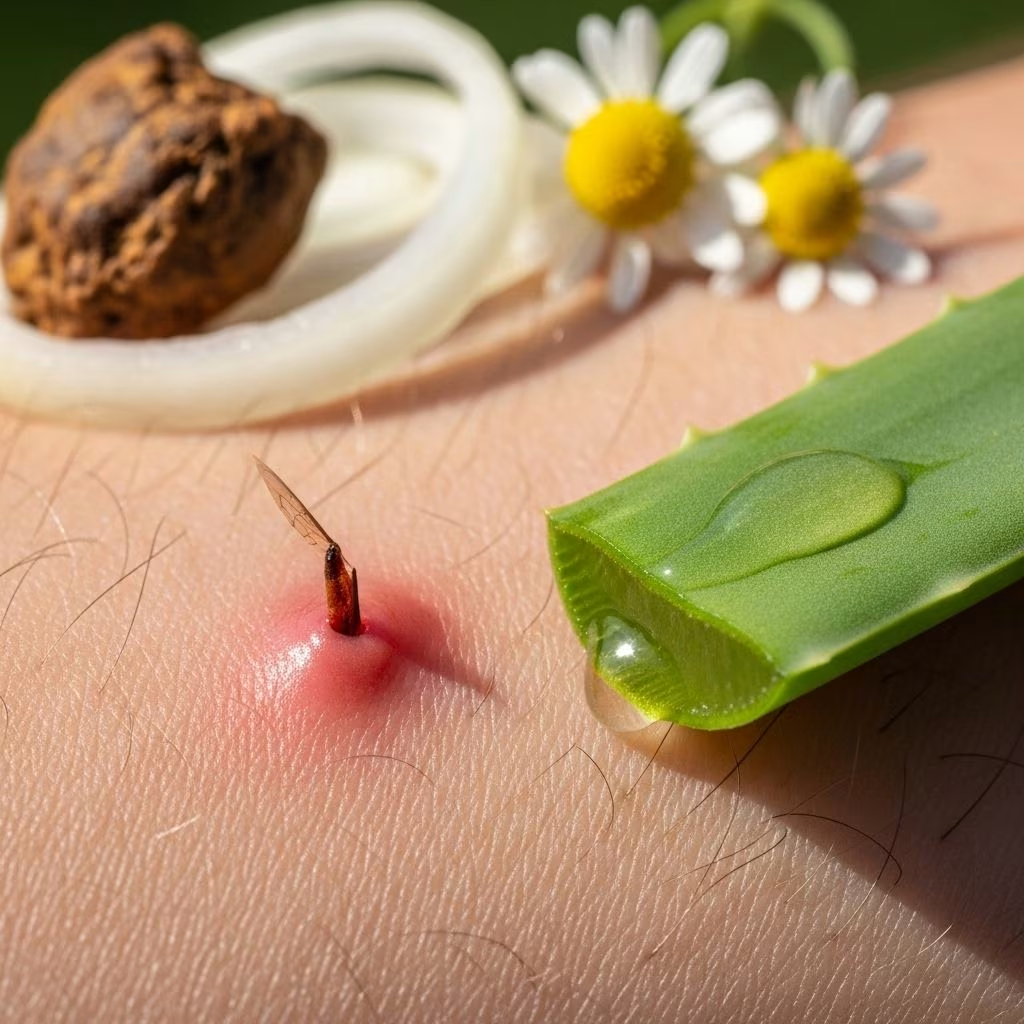
Introduction to Bee Stings
Bee stings can be painful and uncomfortable, but there are several natural remedies that can help alleviate the symptoms. These remedies not only provide relief from itching and swelling but also promote healing and reduce the risk of infection.
Natural Remedies for Bee Stings
Here are some of the most effective natural remedies for treating bee stings:
- Honey: Known for its antimicrobial properties, medical-grade honey can help prevent infection and reduce inflammation. Apply a small amount to the affected area and cover with a loose bandage for up to an hour.
- Baking Soda: Baking soda paste can neutralize venom and reduce itching. Mix 1 teaspoon of water with baking soda until it forms a thick paste, apply to the sting, and rinse off after 10 minutes.
- Apple Cider Vinegar: Soak a cloth in apple cider vinegar and apply it to the sting site to help neutralize venom and reduce symptoms.
- Aloe Vera: Aloe vera gel is soothing and can help reduce inflammation. Apply it directly to the sting site.
- Witch Hazel: This natural astringent can help reduce swelling and prevent infection by applying it directly to the sting site.
Other Effective Remedies
Beyond these common natural remedies, there are other treatments that people find effective:
- Ice: Applying ice wrapped in a cloth to the sting site can help reduce swelling and numb the pain.
- Calamine Lotion: This can provide a soothing effect and help relieve itching.
- Hydrocortisone Cream: For more severe reactions, hydrocortisone cream can help reduce inflammation.
First Aid for Bee Stings
Before applying any remedies, it’s crucial to follow basic first aid guidelines:
- Remove the Stinger: Gently remove the stinger without pinching it to avoid releasing more venom.
- Wash the Area: Clean the sting site with soap and water to prevent infection.
- Apply a Cold Compress: Use ice wrapped in a cloth to reduce swelling.
When to Seek Medical Attention
While most bee stings are minor and can be treated at home, some reactions may require medical attention:
- Severe Allergic Reactions: Symptoms like difficulty breathing, rapid heartbeat, or swelling of the face, lips, tongue, or throat require immediate medical help.
- Multiple Stings: If you receive multiple stings, seek medical attention if you experience severe symptoms.
Frequently Asked Questions (FAQs)
Q: What is the best way to remove a bee stinger?
A: Remove the stinger by gently scraping it off with your fingernail or a credit card. Avoid pinching the stinger to prevent releasing more venom.
Q: Can natural remedies help with severe allergic reactions?
A: No, natural remedies are not sufficient for severe allergic reactions. Seek immediate medical attention if you experience symptoms like difficulty breathing or rapid heartbeat.
Q: How long do bee sting symptoms typically last?
A: Most bee sting symptoms resolve within a few hours to a couple of days. If symptoms persist or worsen, consult a healthcare professional.
Q: Is it safe to treat bee stings with toothpaste?
A: While some people use toothpaste to neutralize bee venom, there is no scientific evidence supporting its effectiveness, and it may not be safe for everyone.
References
- https://www.healthline.com/health/outdoor-health/home-remedies-for-bee-stings
- https://www.medicalnewstoday.com/articles/322907
- https://www.centurymedicaldental.com/home-remedies-to-help-treat-a-bee-sting-reaction/
- https://www.mayoclinic.org/diseases-conditions/bee-stings/diagnosis-treatment/drc-20353874
- https://www.oakbrookallergists.com/2021/02/26/home-remedies-to-help-treat-a-bee-sting-reaction/
- https://www.youtube.com/watch?v=01Po5RTNfhs
- https://thomaspestservices.com/blog/post/home-remedies-for-bee-stings
- https://www.webmd.com/first-aid/bee-and-wasp-stings-treatment
- https://newsnetwork.mayoclinic.org/discussion/home-remedies-the-pain-of-bee-stings/
- https://draxe.com/health/bee-sting-treatment/


