


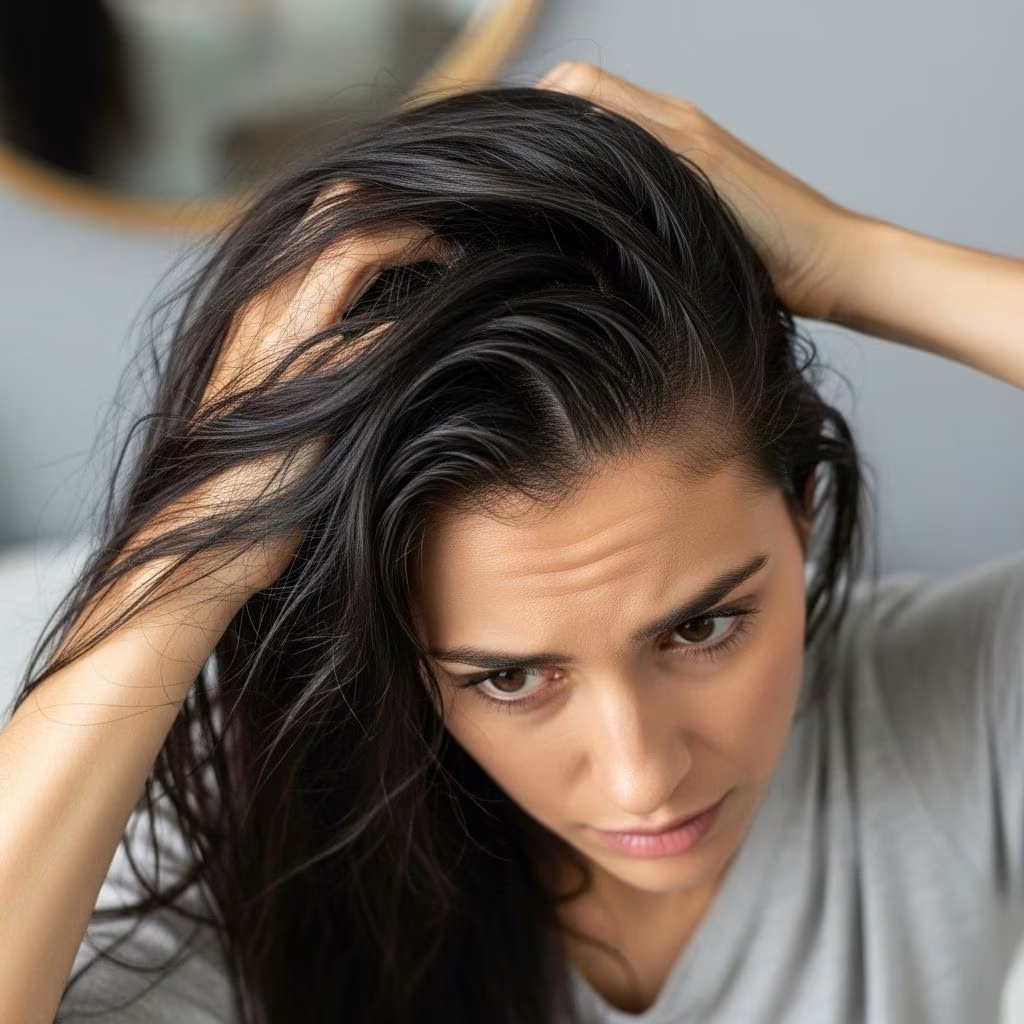
Introduction to Oily Hair
Oily hair can be frustrating, especially when it seems to become greasy quickly. Understanding the causes and implementing the right strategies can help manage oily hair effectively. Here’s a comprehensive guide to help you achieve fresh-looking hair.
What Causes Oily Hair?
Oily hair is primarily caused by excessive sebum production from the scalp’s sebaceous glands. This natural oil helps keep hair and scalp moisturized, but when overproduced, it can lead to greasy hair. Factors such as genetics, overwashing, product buildup, and lifestyle choices can contribute to oily hair.
1. Proper Washing Routine
Washing your hair correctly is crucial. Here are some tips to follow:
- Frequency of Washing: Avoid overwashing, as it can strip your hair of its natural oils, leading the scalp to produce more oil. Wash your hair when it feels greasy, usually every other day.
- Choosing the Right Shampoo: Use a gentle, clarifying shampoo designed for oily hair. Look for products containing ingredients like tea tree oil or charcoal, which help cleanse and purify the scalp.
- Proper Application: Ensure the shampoo is evenly distributed over the scalp, with special attention to the nape and temple areas. Rinse thoroughly to remove all soap residue.
2. Effective Use of Conditioner
Conditioning is essential but should be used sparingly on oily hair.
- Amount and Application: Use a small amount of conditioner, focusing on the mid-lengths to the ends of your hair. Avoid applying conditioner to the roots.
- Choosing the Right Conditioner: Opt for a lightweight conditioner formulated for oily hair.
3. Styling and Product Tips
Styling can significantly impact how oily your hair looks. Here are some styling tips and product recommendations:
- Hairstyles for Oily Hair: Choose hairstyles that keep your hair off the scalp, such as high buns, ponytails, or braids. These styles help conceal oily roots.
- Product Selection: Use dry shampoo to absorb oil between washes. Apply a light, oil-free styling product to add texture without weighing your hair down.
- Touching Your Hair: Minimize touching your hair, as oils from your hands can transfer to your hair, making it greasier.
4. Additional Tips
Here are some extra tips to help manage oily hair:
- Keep Hair Brushes Clean: Regularly clean your hairbrushes to prevent product buildup and oil transfer.
- Avoid Oil-Based Products: Refrain from using heavy, oil-based products on your scalp. Instead, apply them from the mid-lengths downwards.
Conclusion
Managing oily hair requires a combination of proper washing techniques, the right products, and smart styling choices. By following these tips, you can reduce greasiness and enjoy healthier, fresher-looking hair.
Frequently Asked Questions (FAQs)
Q: Why does my hair get oily so quickly?
A: Quick oiliness can be due to overproduction of sebum, overwashing, or touching your hair excessively.
Q: What are the best hairstyles for oily hair?
A: Hairstyles like high buns, ponytails, and braids are recommended as they help conceal oily roots.
Q: How often should I use dry shampoo?
A: Use dry shampoo on days when you don’t wash your hair to absorb excess oil.
References
- https://www.hair.com/how-to-manage-oily-hair.html
- https://www.allthingshair.com/en-us/hair-care/washing-hair/why-is-my-hair-so-oily/
- https://julietthairstudio.com/blogs/blog/hairstyles-for-greasy-hair-step-by-step
- https://therighthairstyles.com/tips-tricks-and-styles-for-greasy-hair/
- https://therighthairstyles.com/hairstyle-for-greasy-hair/
- https://www.youtube.com/watch?v=O_Ov2ZGOCu4
- https://www.lorealparisusa.com/beauty-magazine/hair-style/hairstyle-trends/hairstyles-for-greasy-hair
- https://blog.thelonghairs.us/greasy-hair/


