


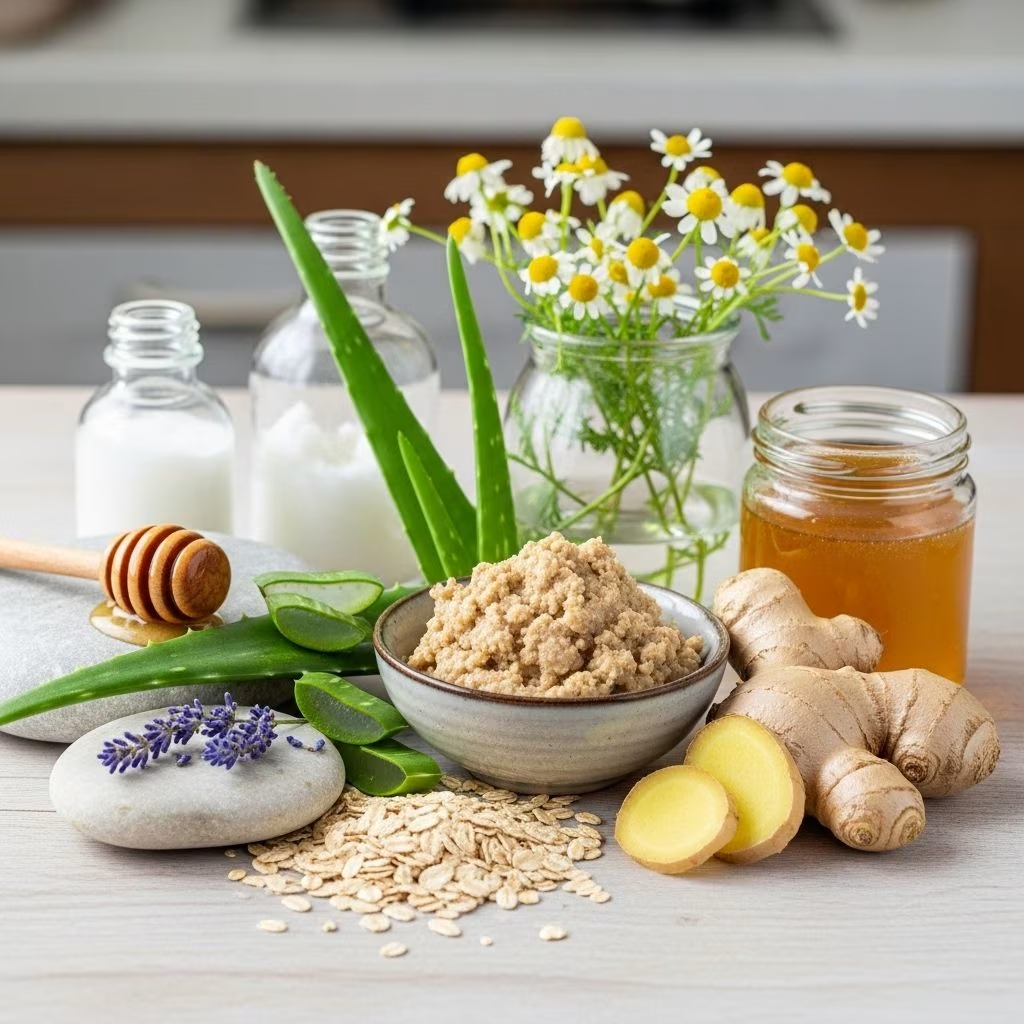
Natural Remedies for Hand, Foot, and Mouth Disease
Hand, foot, and mouth disease (HFMD) is a contagious viral illness, most commonly seen in children under ten. Characterized by painful mouth sores, rashes, and blisters on the hands and feet, this condition is typically caused by the coxsackievirus or similar enteroviruses. While generally mild and self-limiting, HFMD can cause considerable discomfort and disrupt routine life. Natural remedies can ease symptoms, support recovery, and minimize complications, helping caregivers manage this illness effectively at home.
Understanding Hand, Foot, and Mouth Disease
- Symptoms: Fever, sore throat, red rashes or blisters on hands, feet, and mouth, irritability, and appetite loss.
- Transmission: Spread via respiratory droplets, direct contact with infected surfaces, or contaminated hands.
- Duration: Symptoms usually resolve within 7–10 days without specific antiviral treatment.
HFMD is diagnosed based on clinical symptoms and typically does not require laboratory testing. Supportive care and symptom management are the primary treatment approaches.
Why Choose Natural Remedies?
There is no dedicated cure or vaccine for HFMD, but natural remedies and home care help relieve discomfort, speed recovery, and support overall well-being. These approaches are gentle and typically safe for children when used correctly. Always consult your healthcare provider before introducing any new remedy, particularly for infants, those with severe symptoms, or pre-existing health conditions.
Effective Natural Remedies for HFMD
The following remedies address common HFMD symptoms—mouth sores, skin rashes, fever, and general malaise. They focus on hydration, skin soothing, immunity support, and comfort.
1. Hydration: Foundation of Recovery
- Water: Give frequent sips of plain water at your child’s preferred temperature to prevent dehydration, which is a major concern due to painful mouth sores.
- Coconut Water: Nutritious and soothing, coconut water provides hydration and natural electrolytes, while its lauric acid content offers antiviral support.
- Cool Herbal Teas: Chamomile, lemon balm, or tulsi (holy basil) teas can be served cool to soothe the throat and mouth.
Monitor for signs of dehydration such as dry mouth, sunken eyes, or reduced urination, and seek medical attention if these occur.
2. Relief for Mouth Sores & Oral Discomfort
- Salt Water Rinses: Rinsing with warm saline solution (1/2 teaspoon salt in one cup of water) 3–4 times daily helps reduce pain, fight infection, and promote healing.
- Oil Pulling: Swishing coconut oil for 5–10 minutes (spitting, not swallowing) supports oral health and may help relieve mouth soreness. Suitable for older children and adults.
- Apple Cider Vinegar Gargle: Mix 1–2 tablespoons with warm water and gently gargle to soothe sore throats. Ensure vinegar is well-diluted and supervise children carefully.
- Tulsi (Holy Basil): Chewing tulsi leaves or drinking tulsi tea can offer antimicrobial and anti-inflammatory benefits for the mouth and throat.
3. Skin Soothing for Rashes and Blisters
- Neem Oil and Paste: Neem’s antibacterial properties may help soothe skin irritation and promote healing of rashes and blisters. Blend neem oil with a little coconut oil and apply gently. Alternatively, make a paste of dried neem leaves and dab onto affected skin.
- Coconut Oil: Acts as an antiviral and skin moisturizer. Gently apply to blisters, rashes, and dry skin areas for relief.
- Aloe Vera Gel: Apply pure aloe vera gel to rashes and blisters for cooling and antimicrobial action. Aloe vera juice may also be given (consult your pediatrician).
- Oatmeal Baths: Colloidal oatmeal reduces skin itching and irritation. Grind oats into a fine powder and mix with warm bathwater for 10–15 minute soaks.
- Epsom Salt Baths: Add Epsom salts to the bath to calm rashes and promote skin healing. Always ensure the water is not too hot.
4. Nutrition to Support Immunity
- Soft, Nourishing Foods: Offer soft foods like yogurt, mashed fruits, and lightly steamed vegetables that are easy on the mouth and boost nutrition.
- Frozen Treats: Popsicles made from blended fruits, frozen yogurt, or ice chips may help soothe mouth sores while offering some nutrition.
- Avoid Citrus: Skip citrus and acidic foods that can worsen mouth pain and irritation.
5. Herbal and Botanical Remedies
- Elderberry: Holds potent antiviral and immune-boosting properties. May help speed recovery—use as syrup or tea (ensure age-appropriate dosage).
- Reishi (Ganoderma) Mushroom: Traditionally valued for antiviral effects; consult with a healthcare provider regarding use in children.
- Licorice Root: Used in cooled tea or pastille to soothe sore throats and possibly provide antiviral action. Avoid during pregnancy and prolonged use.
- Lemon Balm: Make tea (serve cool) for antiviral and pain-relieving support; suitable for all ages.
- Honey: Add to herbal teas for children over 2 years old for throat soothing and mild antimicrobial support.
| Remedy | Purpose | Age Suitability | Precautions |
|---|---|---|---|
| Coconut Oil | Skin, mouth sores | All ages (mouth: older children) | Monitor for allergies |
| Neem Oil/Leaves | Rashes, blisters | Children & adults | Test for skin irritation |
| Aloe Vera | Skin rashes, immunity | All ages | Use pure products |
| Salt Water | Mouth ulcers, sore throat | Children (who can spit) | Do not swallow |
| Elderberry | Antiviral, immunity | Children & adults | Use age-appropriate doses |
| Oatmeal Bath | Skin irritation | All ages | Ensure oats are finely ground |
| Apple Cider Vinegar | Throat pain relief | Older children, adults | Dilute well, monitor reaction |
General Comfort Measures
- Rest: Encourage plenty of rest and quiet activities; recovery is faster when the immune system isn’t taxed by overexertion.
- Temperature Control: Dress children in lightweight, loose clothing to aid comfort and help manage fever.
- Isolation: Prevent spread by keeping sick children home, practicing good hygiene, and avoiding close contact with others.
- Hand Hygiene: Wash hands frequently with soap and water, especially after nose blowing, diaper changes, and before meals.
- Clean Surfaces: Disinfect toys, doorknobs, and common surfaces regularly during an HFMD outbreak.
Pain and Fever Management
- Herbal Drinks: Offer cooled herbal teas such as lemon balm or chamomile. Sweeten with a small amount of honey (for children over 2).
- Botanical Salves: Use topical balms containing calendula, lavender, or frankincense on skin lesions for pain relief.
- Conventional Medicines: Acetaminophen or ibuprofen may be safely used for moderate-to-severe pain, fever, or discomfort. Always follow age and dosing guidelines.
Preventing Gut Dysbiosis After HFMD
Since HFMD is an intestinal virus, the gut microbiome may be disrupted. Supporting gut health during and after illness can aid recovery:
- Probiotic Foods: Yogurt, kefir, fermented vegetables can help restore beneficial gut bacteria.
- Balanced Diet: Gradually reintroduce a range of fruits, vegetables, and whole grains as appetite returns.
- Hydration: Maintain fluid intake to support digestion and recovery.
Safety, When to Seek Medical Help
- Persistent high fever (over 38.5°C/101.3°F for more than 3 days)
- Signs of dehydration: dry mouth, low urine output, lethargy
- Refusal to drink or eat for extended periods
- Drowsiness, irritability or difficulty breathing
- Severe or rapidly worsening symptoms
Frequently Asked Questions (FAQs)
Q: How long does hand, foot and mouth disease last?
A: Symptoms usually resolve in 7–10 days with supportive care. Most children recover without complications.
Q: Can my child go to school or daycare?
A: Keep your child home until fever is gone and mouth sores and rashes have resolved or dried. This prevents spreading the virus to others.
Q: Is there a cure for HFMD?
A: There is no specific antiviral cure. Supportive care and natural remedies help ease symptoms and promote recovery.
Q: Are HFMD remedies safe for infants?
A: Many remedies (hydration, gentle skin care) are safe for infants, but ask your pediatrician before using herbs or new topical agents on babies.
Q: Can adults get hand, foot and mouth disease?
A: Yes, although symptoms tend to be milder. Adults can use the same supportive care methods.
Q: Can I use honey for my baby’s mouth sores?
A: Honey is not safe for babies under 1 due to the risk of infant botulism. Only use for children over 2 years old.
Q: How can I reduce itching from rashes?
A: Oatmeal or Epsom salt baths, pure coconut oil, and aloe vera gel are recommended for skin comfort.
Q: Should I give citrus drinks like orange juice?
A: Avoid acidic drinks and foods, as these can aggravate mouth pain and sores.
Conclusion
Hand, foot, and mouth disease is unpleasant but rarely severe. Natural remedies and supportive care can help ease discomfort, control symptoms, and speed recovery. Keep your child hydrated, soothe their skin and mouth, and offer nourishing, soft foods. Maintain hygiene to prevent spread, and contact your healthcare provider if symptoms worsen. With calm and attentive care, most children resume their healthy routines within two weeks.
References
- https://babynama.com/blog/effective-home-remedies-for-hand-foot-and-mouth-disease-hfmd
- https://www.mayoclinic.org/diseases-conditions/hand-foot-and-mouth-disease/diagnosis-treatment/drc-20353041
- https://www.chop.edu/news/health-tip/hand-foot-and-mouth-disease-what-you-need-know
- https://curaprox.us/blog/post/what-is-hand-foot-and-mouth-disease-and-what-can-you-do-to-prevent-it
- https://pmc.ncbi.nlm.nih.gov/articles/PMC3608275/
- https://drgreenmom.com/an-integrative-approach-to-hand-foot-and-mouth-disease-treatment/
- https://www.baby-chick.com/hand-foot-and-mouth-disease-natural-remedies/
- https://www.bldgactive.com/blog-natures-remedies-for-hfmd-soothe-and-restore/


