


Ayurvedic Dandruff Treatment: Natural Remedies for Itchy Scalp
Dandruff, often recognized by its persistent white flakes and irritable itching, is a common scalp concern affecting millions globally. While commercial products may offer temporary relief, many individuals are turning to Ayurveda—the ancient holistic healing system—for complete, natural solutions. This article explores the causes, Ayurvedic view, and comprehensive home remedies to restore scalp health and banish dandruff for good.
Understanding Dandruff and Its Causes
Dandruff appears as dry, flaky skin on the scalp, typically accompanied by itching. While it isn’t life-threatening, dandruff often impacts confidence and comfort. Modern science attributes it to rapid shedding of scalp cells due to:
- Dry scalp conditions
- Fungal (Malassezia) or bacterial overgrowth
- Excessive oil production (seborrheic dermatitis)
- Allergic reactions to hair products
- Stress and hormonal imbalances
- Poor hygiene or irregular shampooing
The Ayurvedic approach, however, views dandruff differently, focusing on the underlying imbalance within the body.
Ayurvedic Perspective: Dandruff and Dosha Imbalance
Ayurveda considers dandruff (Darunaka) a manifestation of disturbances in the body’s tridosha—Vata, Pitta, and Kapha, with Vata and Pitta being most often implicated. When these doshas are aggravated, they disrupt the natural balance, leading to dryness, flaking, and inflammation of the scalp.
| Dosha | Dandruff Symptoms |
|---|---|
| Vata | Dry, thin flakes, severe itching, roughness |
| Pitta | Redness, inflammation, oily or yellowish flakes, burning sensation |
| Kapha | Thick, sticky flakes, greasiness, dullness |
Ayurvedic therapies address these root causes by restoring the doshic balance, utilizing natural remedies, oils, and maintaining a suitable diet and lifestyle.
Top Ayurvedic Remedies for Dandruff
Ayurveda offers a broad spectrum of time-tested herbs and natural ingredients to treat dandruff at its root:
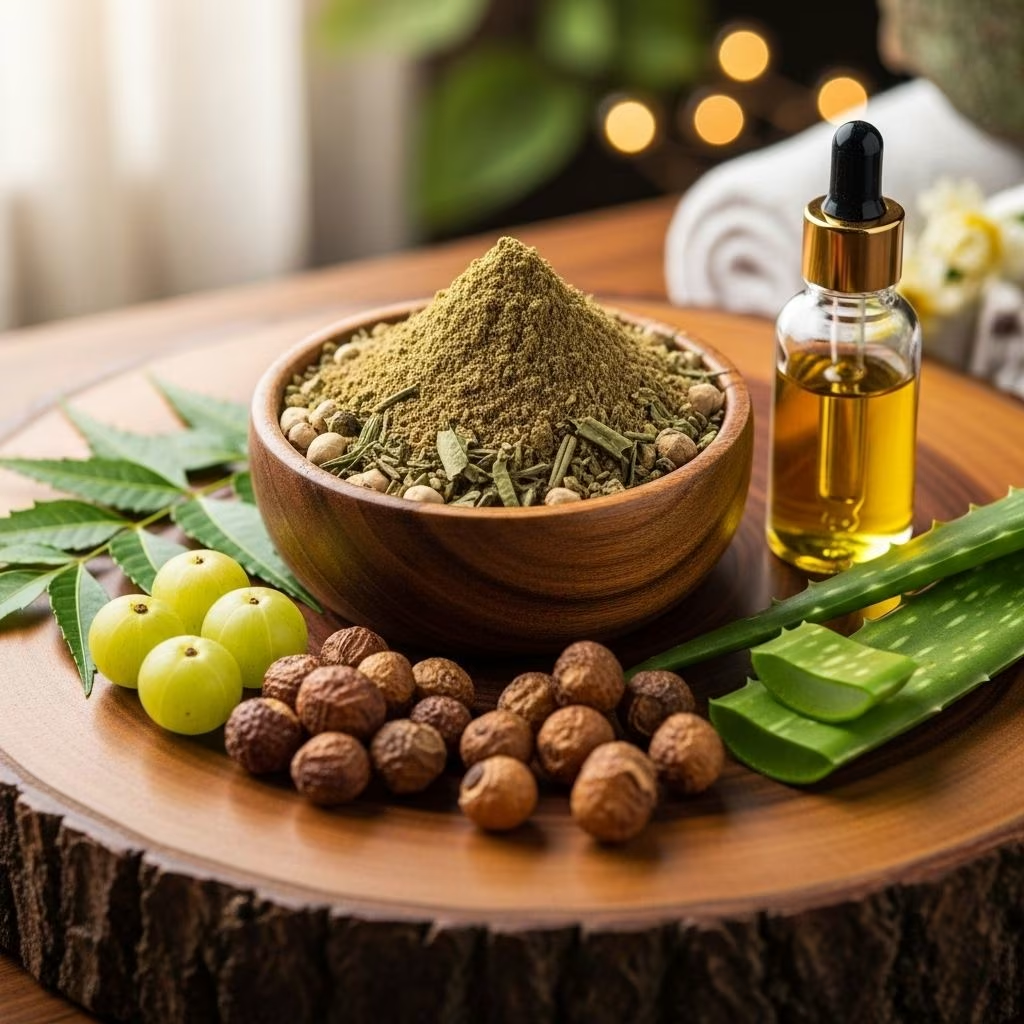
- Neem – Antifungal, antibacterial, and anti-inflammatory properties make neem an ideal agent for eliminating the dandruff-causing fungus and soothing scalp irritation.
- Aloe Vera – Cooling and hydrating, aloe vera soothes itching and gently moisturizes dry scalps.
- Fenugreek (Methi) – Loaded with antioxidants, fenugreek conditions the scalp, reduces inflammation, and controls flakes.
- Amla (Indian Gooseberry) – Rich in vitamin C and antioxidants, amla purifies and nourishes the scalp, stabilizing pH and boosting hair resilience.
- Coconut Oil – Acts as a nourishing base, improves hydration, and carries herbal infusions deep into the scalp.
- Yogurt – Probiotic and moisturizing, yogurt helps maintain a healthy scalp microbiome and relieves dryness.
- Lemon Juice – Mildly acidic, lemon juice dissolves flakes and restores scalp clarity.
Homemade Ayurvedic Hair Mask: Step-by-Step Guide
One of the most effective approaches to scalp healing is a nourishing Ayurvedic hair mask formulated from traditional ingredients. Below is a comprehensive recipe and detailed application protocol:
Ingredients
- 2 tablespoons neem powder (antimicrobial agent)
- 1 tablespoon fenugreek powder (soothes and nourishes)
- 3 tablespoons fresh aloe vera gel (hydration and healing)
- 4 tablespoons plain, unsweetened yogurt (moisturizing and calming)
Preparation & Application
- Mix neem powder and fenugreek powder together in a bowl.
- Add aloe vera gel and yogurt to the dry mixture; blend until a smooth, creamy paste forms.
- Section your hair. Using your fingers or a brush, apply the mask from roots to tips—focusing on the scalp.
- Massage gently in circular motions for 3–5 minutes to encourage absorption and stimulate circulation.
- Cover your scalp with a shower cap or soft towel to trap warmth. Allow the mask to work for 30 minutes.
- Rinse thoroughly with lukewarm water. Follow up with a gentle, sulfate-free herbal shampoo and conditioner.
Tips
- Use this hair mask once or twice a week for lasting scalp relief.
- Always perform a patch test to rule out allergies.
Popular Ayurvedic Oils for Scalp Relief
Ayurveda places strong emphasis on oil scalp massage (abhyanga) for both prevention and treatment of dandruff. Herbal oils not only nourish hair roots but also help dislodge stubborn flakes and soothe scalp inflammation. The following oils are traditionally prescribed:
- Neelibringadi Keram – A coconut oil base fortified with bhringraj, amla, and karnasphota; boosts hair growth, prevents premature greying, and tackles dandruff and fungal scalp infections.
- Kesini Oil – Contains castor, coconut oils, and a blend of botanicals; supports scalp moisturization, relieves flaking, and increases hair volume.
- Durdurapathradi Keram – Specially formulated to combat fungal infections and persistent dandruff. Regular use (at least two weeks) aids in eliminating scalp irritation and loose flakes.
- Neem Oil – Prevents microbial build-up and controls itching. Should be diluted before application to avoid irritation.
- Bhringraj Oil – Renowned for its hair-strengthening and anti-inflammatory effects.
How to Use Ayurvedic Oils for Dandruff
- Warm a small quantity of oil.
- Part your hair and apply oil evenly across the scalp.
- Use fingertips to gently massage oil into the scalp in circular motions for 10–15 minutes.
- Leave on for at least one hour or overnight if possible.
- Rinse thoroughly using a mild, Ayurvedic shampoo.
Ayurvedic Lifestyle and Dietary Tips for Scalp Health
Ayurveda asserts that true healing extends beyond external remedies. Robust scalp health is sustained by balanced living and a holistic approach:
Dietary Recommendations
- Include fresh, seasonal fruits and vegetables—especially amla, carrots, spinach, and citrus.
- Opt for whole grains such as brown rice, millet, and barley.
- Drink adequate water and herbal teas (like coriander and fennel) to hydrate and detoxify.
- Avoid processed, overly spicy, deep-fried, and sugar-laden foods.
- Incorporate healthy fats like ghee, flaxseed, and virgin oils for essential nourishment.
Lifestyle Practices
- Manage stress with yoga, meditation, or mindful breathing techniques.
- Maintain regular sleep cycles to enhance the body’s natural repair mechanisms.
- Keep the scalp clean by shampooing gently 2–3 times a week.
- Avoid harsh chemical treatments and minimize heat styling tools.
- Wear loose, comfortable headgear and avoid excessive sweating.
Frequently Asked Questions (FAQs)
Q: How long does it take for Ayurvedic remedies to treat dandruff?
A: Results vary according to severity and underlying dosha imbalance. Consistent use of Ayurvedic remedies—over a period of 2–4 weeks—brings noticeable reduction in flakes and itching. Severe cases may take longer and benefit from professional guidance.
Q: Can these remedies be used on colored or chemically treated hair?
A: Yes, most Ayurvedic remedies are gentle enough for colored or treated hair, but always perform a patch test and avoid harsh essential oils or undiluted herbal extracts.
Q: Are there any side effects to Ayurvedic treatment?
A: Ayurvedic treatments are typically safe, relying on natural ingredients. Rarely, individuals with plant allergies or hypersensitive skin may experience mild irritation—always test first and discontinue if discomfort arises.
Q: Is dandruff contagious?
A: No, dandruff itself is not contagious, though scalp infections can spread in communal settings. Regular hair hygiene and personal items should not be shared.
Q: Should I consult an Ayurvedic practitioner?
A: Consulting a qualified Ayurvedic practitioner is advisable if symptoms persist, the scalp condition worsens, or if you suspect underlying systemic issues.
Conclusion
Ayurveda provides a comprehensive, natural solution for dandruff by blending herbal remedies, nourishing scalp care, and mindful lifestyle adjustments. By embracing these gentle, holistic practices, you can achieve not just a flake-free scalp, but also lasting hair vitality and balance throughout your body and mind.
References
- https://www.drjasnasayurveda.com/blog/dandruff-and-scalp-health-the-ayurvedic-way-to-nourish-your-hair
- https://www.youtube.com/watch?v=B2Clk5bD3Ck
- https://www.kamaayurveda.in/blog/how-to-get-rid-of-dandruff
- https://avimeeherbal.com/blogs/articles/ayurvedic-home-remedies-homemade-hair-mask-for-dandruff-and-itchy-scalp-relief
- https://keralaayurveda.biz/blogs/news/ayurvedic-treatment-remedies-dandruff-itchy-scalp
- https://ask-ayurveda.com/articles/101-ayurvedic-solutions-for-dandruff


