


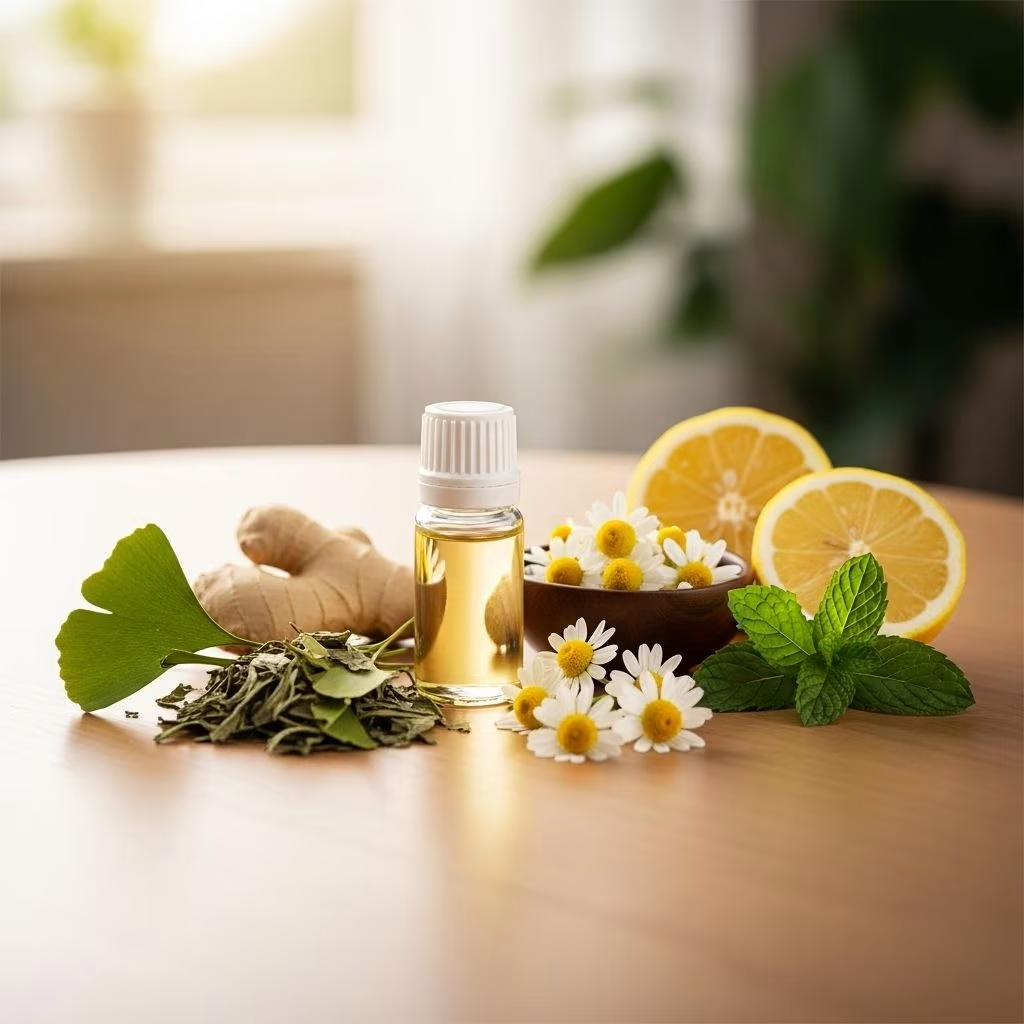
Ménière’s disease is a chronic inner ear disorder that affects thousands of people worldwide, causing debilitating symptoms that can significantly impact quality of life. This condition manifests through unpredictable episodes of vertigo, fluctuating hearing loss, tinnitus (ringing in the ears), and a sensation of fullness or pressure in the affected ear. While conventional medical treatments exist, many individuals seek natural remedies to complement their treatment plans and manage symptoms more holistically.
The unpredictable nature of Ménière’s disease makes it particularly challenging to live with. Vertigo attacks can strike without warning, leaving sufferers feeling as though the room is spinning uncontrollably. These episodes can last anywhere from twenty minutes to several hours, often accompanied by severe nausea and vomiting. Between attacks, many people experience ongoing tinnitus and hearing difficulties that affect their daily activities and social interactions.
Understanding the underlying mechanisms of Ménière’s disease is crucial for effective management. The condition is believed to result from abnormal fluid buildup in the inner ear, specifically in the labyrinth, which contains structures responsible for hearing and balance. This excess fluid, called endolymphatic hydrops, disrupts the normal signals sent from the inner ear to the brain, creating the characteristic symptoms of the disease.
Fortunately, several natural remedies have shown promise in helping individuals manage their symptoms and reduce the frequency and severity of attacks. These approaches focus on addressing the root causes of fluid imbalance, improving circulation to the inner ear, reducing inflammation, and supporting overall ear health. By incorporating these natural strategies into a comprehensive treatment plan, many people with Ménière’s disease find meaningful relief and improved quality of life.
Understanding Ménière’s Disease and Its Impact
Before exploring natural remedies, it’s essential to understand what makes Ménière’s disease such a complex condition. The disease typically affects one ear initially, though it can eventually involve both ears in some cases. The exact cause remains unknown, though researchers have identified several contributing factors including viral infections, autoimmune reactions, genetic predisposition, allergies, and vascular abnormalities affecting blood flow to the inner ear.
The progression of Ménière’s disease varies significantly among individuals. Some people experience clusters of attacks followed by long periods of remission, while others face more frequent episodes. The hearing loss associated with the condition may fluctuate during early stages but often becomes permanent over time. This progressive nature of the disease underscores the importance of early intervention and consistent management strategies.
Living with Ménière’s disease extends beyond physical symptoms. The unpredictability of vertigo attacks creates significant anxiety and can lead to social isolation as individuals fear experiencing an episode in public. Many people report difficulty maintaining employment, driving, or participating in activities they once enjoyed. Depression and anxiety are common comorbidities, making a holistic approach to treatment even more critical.
Natural Remedy #1: Low-Sodium Dietary Modifications
One of the most widely recommended and scientifically supported natural interventions for Ménière’s disease involves reducing sodium intake. Sodium plays a crucial role in fluid regulation throughout the body, including the delicate fluid balance in the inner ear. When sodium levels are high, the body retains more water, potentially exacerbating the fluid buildup that characterizes Ménière’s disease.
Most healthcare providers recommend limiting sodium intake to between 1,500 and 2,000 milligrams per day for people with Ménière’s disease, significantly lower than the typical Western diet which often exceeds 3,400 milligrams daily. This reduction helps minimize fluid retention in the inner ear, potentially decreasing the frequency and intensity of vertigo attacks. Many individuals report noticeable improvements in their symptoms within weeks of adopting a low-sodium diet.
Implementing a low-sodium diet requires more than simply removing the salt shaker from the table. Processed and packaged foods are the primary sources of dietary sodium, often containing hidden salt in surprising amounts. Reading nutrition labels becomes essential, as does learning to identify high-sodium ingredients like monosodium glutamate, sodium benzoate, and sodium nitrate. Fresh, whole foods prepared at home provide the best control over sodium intake.
Practical strategies for reducing sodium include cooking with herbs and spices instead of salt, choosing fresh vegetables over canned versions, selecting unsalted nuts and seeds, avoiding processed meats and cheeses, and requesting no-salt preparation when dining out. Many people discover that their taste preferences adapt over time, and foods they once found bland become flavorful again as their palate adjusts to lower sodium levels.
Maintaining consistent fluid intake alongside sodium restriction is equally important. Distributing fluid consumption evenly throughout the day helps prevent fluctuations in inner ear fluid levels. Some practitioners recommend consuming approximately eight glasses of water daily, though individual needs may vary based on activity level, climate, and other health factors.
Natural Remedy #2: Ginkgo Biloba for Circulation Support
Ginkgo biloba, one of the oldest living tree species, has been used in traditional medicine for thousands of years. This powerful herb has gained recognition for its potential benefits in managing Ménière’s disease symptoms, particularly vertigo and tinnitus. The mechanism behind ginkgo’s effectiveness relates to its ability to improve blood circulation, especially microcirculation in small blood vessels like those supplying the inner ear.
Research suggests that ginkgo biloba works by dilating blood vessels and reducing blood viscosity, allowing for better oxygen and nutrient delivery to the inner ear structures. This improved circulation may help reduce the fluid imbalances that trigger Ménière’s symptoms. Several studies have demonstrated that ginkgo biloba extract can be as effective as conventional medications like betahistine in managing vertigo, with fewer side effects.
The active compounds in ginkgo biloba, including flavonoids and terpenoids, possess antioxidant properties that protect delicate inner ear cells from oxidative stress and damage. This protection may be particularly important given that the inner ear is highly sensitive to oxidative injury. By reducing inflammation and supporting cellular health, ginkgo biloba may help maintain better overall ear function.
Typical dosing recommendations for ginkgo biloba range from 120 to 240 milligrams daily, divided into two or three doses. Standardized extracts containing 24% ginkgo flavone glycosides and 6% terpene lactones are generally preferred for consistency and quality. It’s important to note that ginkgo biloba may take several weeks to produce noticeable effects, requiring patience and consistent use.
While generally safe, ginkgo biloba can interact with blood-thinning medications and may increase bleeding risk in some individuals. Anyone considering ginkgo supplementation should consult with their healthcare provider, especially if taking anticoagulants, antiplatelet drugs, or preparing for surgery. Mild side effects may include headache, digestive upset, or allergic skin reactions in sensitive individuals.
Natural Remedy #3: Ginger for Nausea and Vertigo Management
Ginger has earned its reputation as a powerful natural remedy for nausea and digestive distress, making it particularly valuable for managing the severe nausea that often accompanies Ménière’s disease vertigo attacks. This aromatic root contains bioactive compounds, particularly gingerols and shogaols, that exert anti-inflammatory and antiemetic effects throughout the body.
Scientific research supports ginger’s effectiveness in reducing vertigo symptoms and motion sickness. Studies have demonstrated that ginger can significantly decrease the duration and intensity of nausea and vomiting associated with vestibular disorders. The herb appears to work by blocking certain receptors in the digestive system and potentially affecting the vestibular system itself, though the exact mechanisms continue to be studied.
Beyond its anti-nausea properties, ginger offers anti-inflammatory benefits that may address underlying factors contributing to Ménière’s disease. Chronic inflammation has been implicated in various aspects of inner ear dysfunction, and ginger’s ability to modulate inflammatory pathways could provide additional therapeutic value. Some individuals report that regular ginger consumption helps reduce the overall frequency of their Ménière’s attacks.
Incorporating ginger into your routine can be accomplished through various methods. Fresh ginger tea, made by steeping grated ginger root in hot water for 10-15 minutes, provides a soothing and effective option. Adding lemon and honey can enhance both flavor and additional health benefits. Ginger supplements in capsule form offer standardized dosing, typically ranging from 250 to 500 milligrams taken two to three times daily. Crystallized ginger or ginger candies can serve as convenient options during acute episodes.
For maximum benefit during a vertigo attack, consuming ginger at the first sign of symptoms may help prevent the nausea from becoming severe. Keeping ginger tea bags, candies, or capsules readily available ensures quick access when needed. Some people find that taking ginger regularly as a preventive measure helps reduce symptom severity even when attacks do occur.
Natural Remedy #4: Stress Reduction and Mind-Body Techniques
The connection between stress and Ménière’s disease symptoms is well-documented, with many sufferers reporting that periods of high stress trigger or worsen their attacks. Chronic stress affects the body in numerous ways, including altering fluid balance, increasing inflammation, constricting blood vessels, and disrupting immune function—all factors that may influence Ménière’s disease progression.
Stress management becomes not just beneficial but essential for individuals with Ménière’s disease. The anxiety of anticipating the next vertigo attack can itself become a significant stressor, creating a vicious cycle that perpetuates symptoms. Breaking this cycle through effective stress reduction techniques can provide meaningful relief and improve overall quality of life.
Mind-body practices offer powerful tools for managing stress and its physiological effects. Meditation and mindfulness exercises help calm the nervous system, reduce anxiety, and promote a sense of control over one’s condition. Regular practice, even just 10-15 minutes daily, can lower stress hormones like cortisol and activate the parasympathetic nervous system responsible for rest and recovery.
Deep breathing exercises provide immediate stress relief and can be practiced anywhere, anytime. Techniques like diaphragmatic breathing, where you breathe deeply into your belly rather than shallowly into your chest, activate the body’s relaxation response. During a vertigo attack, focusing on slow, controlled breathing may help reduce panic and nausea intensity.
Yoga combines physical movement with breath work and meditation, offering comprehensive stress reduction benefits. Gentle yoga practices that avoid extreme head positions or rapid movements can be safely adapted for people with Ménière’s disease. Restorative yoga, which uses props to support the body in passive poses, provides particularly effective stress relief without triggering vertigo.
Progressive muscle relaxation, where you systematically tense and release different muscle groups, helps release physical tension that accumulates during stressful periods. This technique can be especially helpful before bed, promoting better sleep quality—another important factor in managing Ménière’s symptoms. Regular practice trains the body to recognize and release tension more readily.
Establishing healthy sleep patterns constitutes another crucial aspect of stress management. Poor sleep exacerbates stress and may trigger Ménière’s attacks. Creating a consistent sleep schedule, maintaining a cool and dark bedroom environment, and avoiding screens before bedtime all contribute to better sleep quality. Some individuals find that sleeping with the head slightly elevated helps reduce inner ear pressure.
Natural Remedy #5: Vestibular Rehabilitation and Targeted Exercises
Vestibular rehabilitation therapy represents a specialized form of physical therapy designed to reduce dizziness, improve balance, and help the brain compensate for inner ear dysfunction. While traditionally delivered by trained therapists, many exercises can be practiced at home as part of a natural management strategy for Ménière’s disease. These exercises work by retraining the brain’s balance systems to adapt to the inconsistent signals coming from the affected ear.
The Epley maneuver stands as one of the most effective exercises for managing vertigo related to benign positional paroxysmal vertigo, a condition that sometimes coexists with Ménière’s disease. This series of specific head and body movements helps relocate displaced calcium crystals in the inner ear that contribute to vertigo. Many people experience significant relief after performing the Epley maneuver correctly, though it should initially be learned from a healthcare professional to ensure proper technique.
Gaze stabilization exercises help improve visual focus during head movement, a common challenge for people with vestibular disorders. A simple exercise involves holding a target (like a letter on a card) at arm’s length and moving your head side to side while keeping your eyes focused on the target. Starting slowly and gradually increasing speed helps retrain the vestibulo-ocular reflex responsible for maintaining stable vision during movement.
Balance exercises strengthen the coordination between visual, vestibular, and proprioceptive systems that work together to maintain equilibrium. Standing on one foot, walking heel-to-toe in a straight line, or practicing standing with eyes closed (with appropriate safety measures) all challenge and improve balance capabilities. Regular practice can reduce fall risk and increase confidence in movement.
Head movement exercises, performed under appropriate guidance, help desensitize the vestibular system to movements that trigger symptoms. These exercises involve deliberately performing controlled movements that provoke mild symptoms, gradually building tolerance over time. This habituation process can significantly reduce symptom severity and duration.
Additional Natural Supportive Measures
Beyond the five primary natural remedies, several additional approaches can complement your Ménière’s disease management strategy. These supplementary measures address various aspects of the condition and may enhance the effectiveness of primary interventions.
Limiting Caffeine and Alcohol: Both caffeine and alcohol can affect inner ear fluid balance and may trigger symptoms in some individuals. Caffeine acts as a diuretic, potentially causing dehydration, while alcohol can disrupt fluid regulation and affect the vestibular system directly. Moderating or eliminating these substances often leads to symptom improvement.
Adequate Hydration: Maintaining consistent hydration throughout the day helps regulate body fluid levels and may prevent the fluctuations that trigger Ménière’s attacks. Drinking water regularly rather than consuming large amounts at once provides more stable hydration. Some practitioners recommend tracking daily water intake to ensure adequacy.
Vitamin D Supplementation: Emerging research suggests a connection between vitamin D deficiency and vestibular disorders. Vitamin D plays roles in calcium metabolism and immune function, both potentially relevant to Ménière’s disease. Having vitamin D levels checked and supplementing if deficient may provide additional symptom relief.
Allergy Management: Allergies can increase inflammation and fluid production in the ears, potentially exacerbating Ménière’s symptoms. Identifying and managing allergies through natural approaches like local raw honey, quercetin supplementation, or environmental controls may reduce symptom frequency.
Massage Therapy: Therapeutic massage, particularly techniques focusing on the neck and head, may improve circulation to the inner ear and reduce tension that contributes to symptoms. Deep tissue massage, craniosacral therapy, and lymphatic drainage have all shown potential benefits for some individuals with Ménière’s disease.
Acupuncture: This traditional Chinese medicine technique has demonstrated effectiveness in reducing vertigo symptoms in clinical studies. Acupuncture may work by improving blood flow, reducing inflammation, and modulating nervous system activity. Multiple sessions are typically needed to achieve optimal results.
Creating Your Personalized Natural Treatment Plan
Successfully managing Ménière’s disease with natural remedies requires a personalized approach that considers your unique symptoms, triggers, and lifestyle factors. What works well for one person may be less effective for another, making experimentation and careful tracking essential components of finding your optimal strategy.
Begin by keeping a detailed symptom diary that records the frequency, duration, and severity of your attacks along with potential triggers, dietary intake, stress levels, sleep quality, and any remedies tried. This documentation helps identify patterns and reveals which interventions provide the most benefit. Many people discover previously unrecognized triggers through careful journaling.
Introduce natural remedies one at a time rather than implementing multiple changes simultaneously. This methodical approach allows you to accurately assess each intervention’s effectiveness and identify any adverse reactions. Give each new remedy adequate time to work—typically at least three to four weeks—before adding another or determining it ineffective.
Integrate natural remedies with conventional medical care rather than viewing them as competing approaches. Work closely with your healthcare team to ensure that natural interventions complement prescribed treatments and don’t interfere with medications or other therapies. Many physicians are supportive of evidence-based natural approaches when implemented appropriately.
Consistency proves crucial for achieving and maintaining symptom relief. Natural remedies typically work more gradually than pharmaceutical interventions, requiring regular use to build therapeutic effects. Establishing routines and habits that incorporate your chosen remedies increases adherence and improves outcomes.
Frequently Asked Questions
Q: How long does it take for natural remedies to improve Ménière’s disease symptoms?
A: The timeline varies depending on the remedy and individual factors. Dietary changes like sodium reduction may show benefits within 2-4 weeks, while herbal supplements like ginkgo biloba often require 6-8 weeks of consistent use. Stress reduction techniques may provide immediate relief during acute episodes while building long-term benefits with regular practice.
Q: Can natural remedies completely cure Ménière’s disease?
A: Currently, there is no cure for Ménière’s disease, whether through conventional or natural approaches. However, natural remedies can significantly reduce symptom frequency and severity, improve quality of life, and potentially slow disease progression. Many people achieve excellent symptom control through comprehensive natural management strategies.
Q: Are natural remedies safe to use alongside prescription medications for Ménière’s disease?
A: Many natural remedies can be safely combined with conventional treatments, but some interactions are possible. Ginkgo biloba may interact with blood thinners, and certain herbs can affect medication metabolism. Always consult your healthcare provider before adding natural remedies to your treatment regimen, especially if taking prescription medications.
Q: What dietary changes beyond low-sodium are most helpful for Ménière’s disease?
A: In addition to sodium restriction, many people benefit from avoiding caffeine, alcohol, and high-sugar foods that can affect fluid balance. Eating smaller, more frequent meals helps maintain stable blood sugar levels. Some individuals find that identifying and eliminating food sensitivities or allergens reduces symptom frequency.
Q: How do I know which natural remedy to try first?
A: Starting with dietary modifications, particularly sodium restriction, is often recommended as the foundation since this approach has strong scientific support and benefits most people with Ménière’s disease. From there, consider your most troublesome symptoms—if nausea is primary, try ginger; if stress triggers attacks, prioritize stress reduction techniques; if circulation seems relevant, consider ginkgo biloba.
Q: Can stress alone cause Ménière’s disease attacks?
A: While stress doesn’t directly cause the fluid imbalances underlying Ménière’s disease, it can definitely trigger or worsen attacks. Stress affects numerous body systems including fluid regulation, blood flow, and inflammation. Many people report clear correlations between stressful periods and increased symptom frequency, making stress management a critical component of natural treatment.
Q: Should I avoid all head movements if I have Ménière’s disease?
A: No, avoiding all head movements can actually worsen symptoms over time by preventing vestibular system adaptation. While you should avoid sudden, rapid head movements that trigger severe symptoms, controlled movements through vestibular rehabilitation exercises help the brain compensate for inner ear dysfunction and reduce long-term symptom severity.
Q: What should I do during an acute vertigo attack?
A: During an attack, lie down in a quiet, dark room and keep your head still. Focus on slow, deep breathing to manage anxiety and nausea. Keep ginger tea or candies nearby. Avoid reading or screen time which can worsen symptoms. If nausea is severe, prescribed antiemetic medications may be necessary. The attack will pass, typically within several hours.
References
- https://excellenceinaudiology.org/2025/03/03/exploring-herbal-remedies-for-menieres-disease/
- https://www.medicalnewstoday.com/articles/320492
- https://www.healthline.com/health/home-remedies-for-vertigo
- https://draxe.com/health/menieres-disease/
- https://medlineplus.gov/ency/patientinstructions/000709.htm
- https://pmc.ncbi.nlm.nih.gov/articles/PMC8734431/
- https://www.mayoclinic.org/diseases-conditions/menieres-disease/diagnosis-treatment/drc-20374916
- https://getwellnj.com/5-natural-remedies-for-menieres-disease/
- https://www.neckwise.com/articles/menieres-disease/holistic-treatments-for-menieres-disease-a-path-to-natural-relief/


