


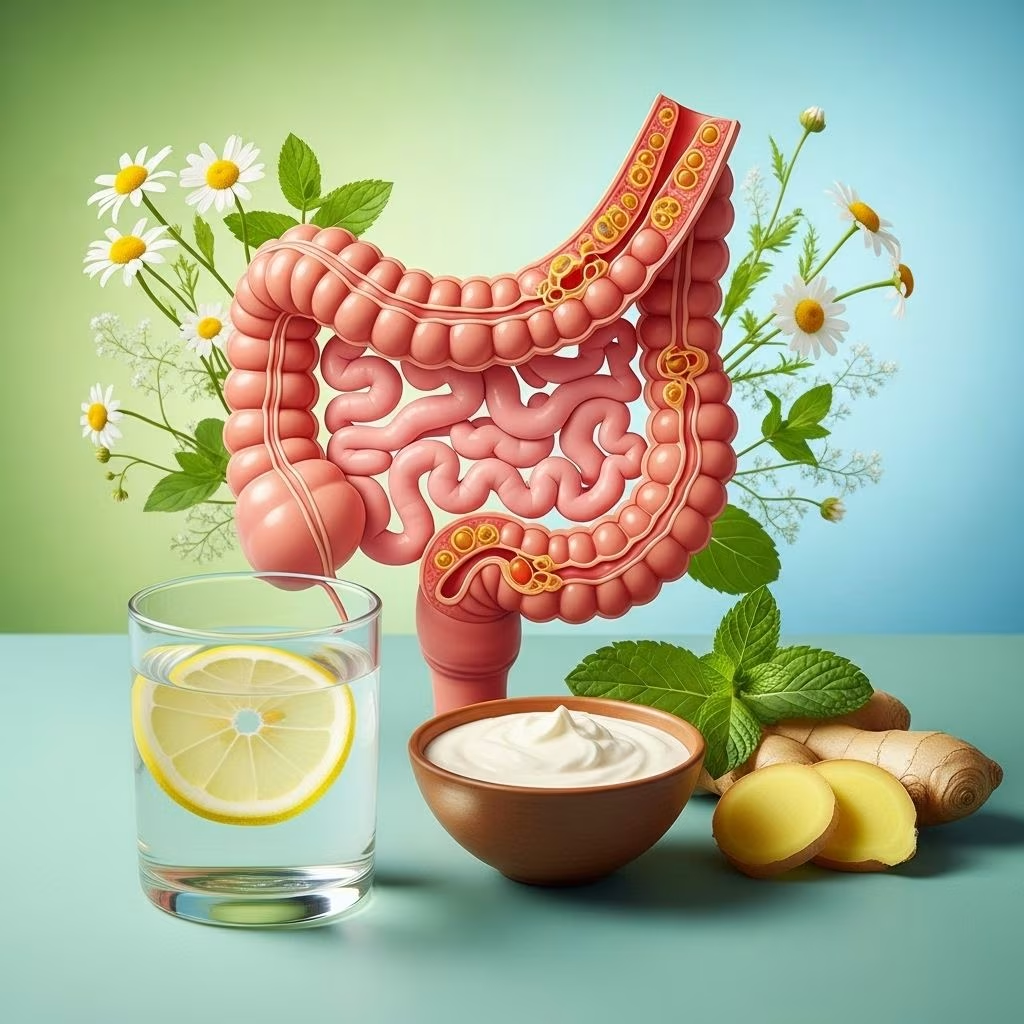
Introduction
Gut health is fundamental to overall well-being, influencing everything from digestion and immunity to mood and energy levels. Many people experience occasional bloating, indigestion, or irregular bowel movements, often due to poor dietary choices, stress, or an imbalance in gut bacteria. Fortunately, several natural remedies can help soothe the gut, promote regularity, and support a healthy digestive system. This article explores five practical, science-backed approaches to achieving gut relief naturally.
Why Gut Health Matters
The gut, often referred to as the “second brain,” is home to trillions of bacteria that play a crucial role in digestion, nutrient absorption, and immune function. An imbalance in gut flora—known as dysbiosis—can lead to digestive discomfort, inflammation, and even impact mental health. Supporting gut health through diet and lifestyle can help prevent these issues and promote long-term wellness.
5 Natural Remedies for Gut Relief
1. Increase Fiber Intake
Dietary fiber acts as a natural cleanser for the digestive tract, helping to move waste through the intestines and promoting regular bowel movements. Soluble fiber, found in oats, apples, and legumes, feeds beneficial gut bacteria, while insoluble fiber, present in whole grains and vegetables, adds bulk to stool.
- Recommended foods: Broccoli, cauliflower, Brussels sprouts, leafy greens, raspberries, and oatmeal.
- Benefits: Reduces constipation, supports a healthy microbiome, and may lower the risk of digestive disorders.
- Daily goal: Aim for 25–35 grams of fiber per day for optimal colon health.
2. Stay Hydrated
Water is essential for digestion, helping to dissolve nutrients and fiber, and preventing constipation. Starting the day with warm lemon water can stimulate digestion, while mineral-rich water supports electrolyte balance.
- Tip: Drink at least 8 glasses of water daily, with an emphasis on hydrating foods like watermelon, cucumber, and celery.
- Science: Adequate hydration aids in the elimination of metabolic waste and supports healthy bile production.
3. Incorporate Probiotics and Prebiotics
Probiotics are live beneficial bacteria that restore balance to the gut microbiome, while prebiotics are non-digestible fibers that feed these good bacteria.
- Probiotic sources: Yogurt, kefir, sauerkraut, kimchi, and miso.
- Prebiotic sources: Garlic, onions, leeks, asparagus, bananas, and oats.
- Benefits: Improved digestion, reduced bloating, enhanced immune function, and better nutrient absorption.
4. Try Natural Digestive Aids
Certain herbs and foods have been traditionally used to soothe the gut and support digestion.
- Ginger: Reduces nausea and supports gastric emptying.
- Peppermint: Eases symptoms of irritable bowel syndrome (IBS) and relieves bloating.
- Apple cider vinegar: May improve gut flora balance and aid digestion when diluted in water.
- Turmeric: Contains curcumin, which has anti-inflammatory properties beneficial for gut health.
5. Reduce Inflammatory Foods and Toxins
Eliminating or reducing foods that irritate the gut is a key step in achieving relief. Common culprits include processed foods, added sugars, refined oils, alcohol, gluten, and dairy for some individuals.
- Strategy: Focus on whole, unprocessed foods and minimize exposure to environmental toxins like pesticides and plasticizers.
- Result: Reduced inflammation, improved gut barrier function, and enhanced overall health.
Supporting Gut Health Through Lifestyle
Beyond diet, several lifestyle factors influence gut health:
- Stress management: Chronic stress disrupts gut motility and microbiota balance. Practices like meditation, yoga, and deep breathing can help.
- Sleep: Poor sleep is linked to gut dysbiosis. Aim for 7–9 hours of quality sleep per night.
- Exercise: Regular physical activity promotes healthy digestion and bowel regularity.
Foods That Support Gut Detox
Incorporating specific foods into your diet can naturally cleanse and support the digestive system:
| Food | Key Benefit |
|---|---|
| Cruciferous vegetables (broccoli, cauliflower, cabbage) | Enhance liver enzyme activity and support detoxification |
| Leafy greens (spinach, kale) | Rich in chlorophyll and fiber for cleansing |
| Beets | Stimulate bile production for fat and toxin elimination |
| Apples | Contain pectin, a soluble fiber that supports gut bacteria |
| Bone broth | Rich in collagen and amino acids for gut lining repair |
| Fermented foods (sauerkraut, kefir) | Provide probiotics for microbiome balance |
Are Colon Cleanses Necessary?
While some people turn to colon cleanses or detox products, these are generally not necessary for healthy individuals. The body has its own sophisticated detoxification systems, primarily through the liver and kidneys. Extreme cleanses can disrupt electrolyte balance and gut flora, and are not supported by robust scientific evidence. Instead, focus on sustained, healthy habits that support your body’s natural processes.
Frequently Asked Questions (FAQs)
Q: How do I know if my gut health is poor?
A: Symptoms like bloating, gas, constipation, diarrhea, fatigue, and food intolerances may indicate poor gut health. If symptoms persist, consult a healthcare provider.
Q: How quickly can natural remedies improve gut health?
A: Some people notice improvements in digestion within days of dietary changes, but restoring gut balance can take weeks or months, depending on individual factors.
Q: Are probiotics safe for everyone?
A: Most people tolerate probiotics well, but those with compromised immune systems or serious health conditions should consult a doctor before starting supplements.
Q: Can stress really affect my gut?
A: Yes, stress can alter gut motility, increase inflammation, and disrupt the balance of gut bacteria, leading to digestive symptoms.
Q: Should I try a saltwater flush for colon cleansing?
A: Saltwater flushes are not generally recommended due to a lack of strong evidence and potential risks. Always consult your healthcare provider before trying such methods.
Conclusion
Supporting gut health doesn’t require extreme measures or expensive supplements. By increasing fiber intake, staying hydrated, incorporating probiotics and prebiotics, using natural digestive aids, and reducing inflammatory foods, you can achieve lasting gut relief and promote overall wellness. Remember, the best approach is a balanced, varied diet and a healthy lifestyle that supports your body’s natural detoxification processes.
References
- https://www.healthline.com/health/natural-colon-cleanse
- https://www.mayoclinic.org/healthy-lifestyle/consumer-health/expert-answers/colon-cleansing/faq-20058435
- https://www.toplinemd.com/advanced-surgical-physicians/blog/how-to-clean-your-stomach-and-intestines-naturally-3-colon-cleanse-recipes/
- https://www.nccih.nih.gov/health/detoxes-and-cleanses-what-you-need-to-know
- https://www.medicalnewstoday.com/articles/323746
- https://www.uclahealth.org/news/article/should-you-do-cleanse
- https://www.vinmec.com/eng/blog/try-7-ways-to-clean-the-large-intestine-naturally-at-home-en
- https://bodybio.com/blogs/blog/natural-gut-cleanse
- https://www.mdanderson.org/cancerwise/detoxes–cleanses-and-fasts–what-you-should-know.h00-159775656.html


