


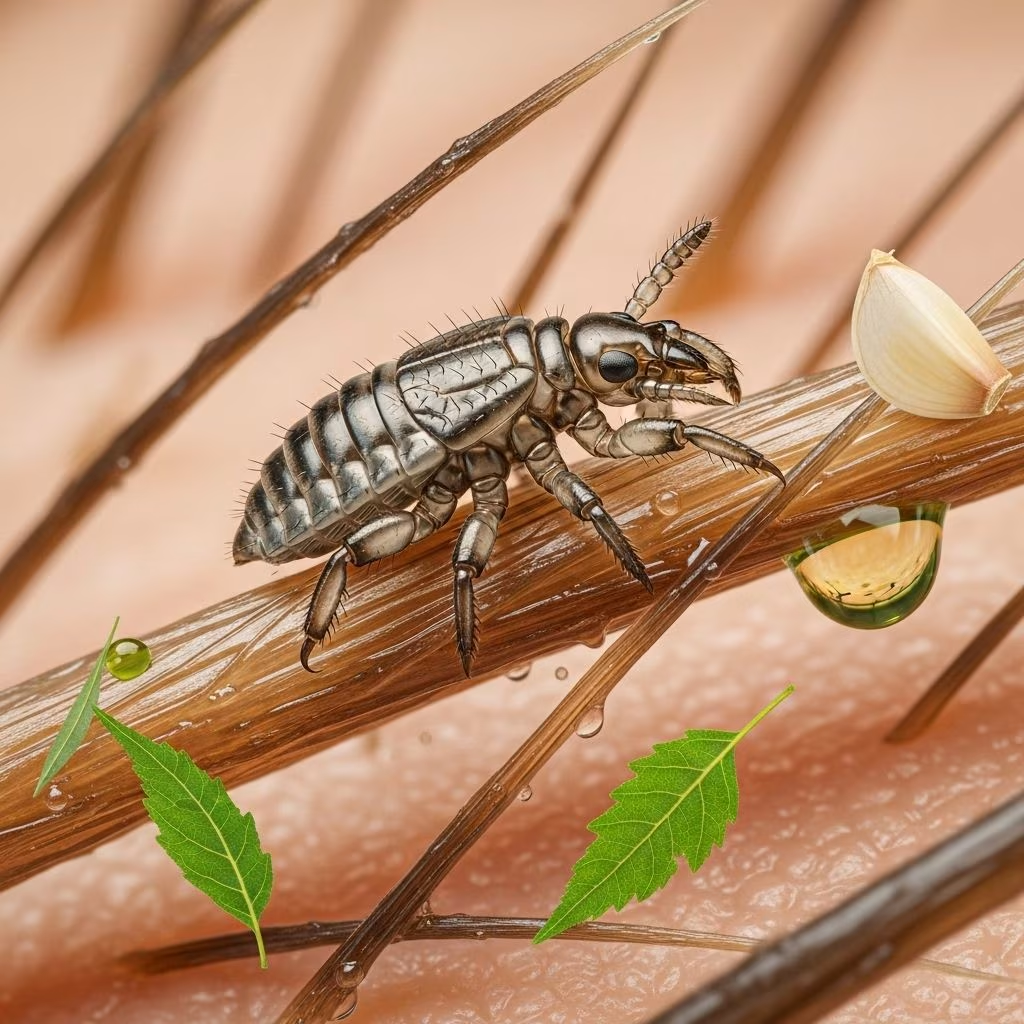
Introduction to Head Lice
Head lice are small, parasitic insects that live on human hair, causing discomfort and distress. They are highly contagious and often spread through close contact with infested individuals. While they do not carry diseases, they can cause significant itching and subsequent hair loss if left untreated.
Understanding Head Lice Infestations
Head lice go through three stages of development: egg (nit), nymph, and adult. Nits are laid close to the scalp and are difficult to remove. Nymphs emerge from nits after about 7-10 days and mature into adult lice within another week. Adult lice can live for up to 30 days on a human host.
Natural Remedies for Head Lice
### Wet-CombingWet-combing is a simple and effective method for removing head lice. It involves applying conditioner to wet hair, using a fine-toothed comb to remove lice and nits, and frequently washing the comb in hot water to kill any lice caught in its teeth. This method is time-consuming but can be very effective when done consistently over several weeks.### DimethiconeDimethicone is a silicone-based treatment that works by dehydrating and suffocating lice. It is less likely to lead to resistance compared to chemical insecticides. Dimethicone treatments are available in various forms, including gels and lotions.### Essential OilsSeveral essential oils have been studied for their potential to help eliminate head lice:- Tea Tree Oil: Known for its antimicrobial properties, tea tree oil is often mixed with a carrier oil (like olive oil) and applied to the scalp before combing out lice.- Lavender Oil: This oil can help soothe the scalp and may also have some lice-repelling properties.- Neem Oil: Neem has natural insecticidal properties, making it a potential ingredient in lice treatments.- Clove Oil: Clove oil is known for its strong scent and potential to suffocate lice.### Smothering AgentsSmothering agents, such as mayonnaise, olive oil, and coconut oil, are sometimes used to suffocate lice. However, while these methods can be effective in killing lice, they often fail to prevent eggs from hatching, requiring repeated treatments.### Other Remedies- Petroleum Jelly: Though not commonly recommended due to its greasiness, petroleum jelly can suffocate lice but may not prevent egg hatching.- Vinegar: Some people believe vinegar can help loosen nits, but there is limited evidence supporting its effectiveness.
Prevention and Cleaning
Preventing head lice involves regular checks for nits and lice, especially after exposure to someone infested. Cleaning personal items and avoiding head-to-head contact are crucial preventive measures.
Here are some prevention tips:
- Avoid Head-to-Head Contact: This is one of the most common ways lice spread.
- Regular Checks: Use a fine-toothed comb to regularly check for lice and nits.
- Clean Personal Items: Wash hair items, such as combs and hair accessories, in hot water.
Frequently Asked Questions (FAQs)
### Q: Are head lice a sign of poor hygiene?A: No, head lice can infest anyone regardless of hygiene practices. They are highly contagious and can spread through close contact.### Q: What is the most effective natural remedy for head lice?A: Wet-combing combined with essential oils or smothering agents can be highly effective. However, it is crucial to repeat treatments to ensure all lice and nits are removed.### Q: Can head lice be treated at home?A: Yes, most cases of head lice can be treated at home using natural remedies and over-the-counter treatments. However, if the infestation persists, consulting a healthcare provider may be necessary.
Conclusion
References
- https://www.healthline.com/health/lice-home-remedies
- https://www.scripps.org/news_items/4316-how-to-get-rid-of-head-lice
- https://www.mayoclinic.org/diseases-conditions/head-lice/diagnosis-treatment/drc-20356186
- https://pubmed.ncbi.nlm.nih.gov/15637580/
- https://www.baystatehealth.org/articles/treatment-for-drug-resistant-head-lice
- https://www.medicalnewstoday.com/articles/325844


